

[Japanese Rockabilly] A Spotlight on Japanese Rockabilly Songs and Musicians

Rockabilly is a music genre defined by its sprightly rhythms and an energetic yet cool sound.
Think slapping, grooving upright bass, shout-style vocals, and twist dancing—it’s like the essence of cool distilled into music.
In this article, we’ll be introducing Japanese rockabilly tracks.
Naturally, there are plenty of musicians in Japan who’ve been captivated by rockabilly.
This is especially recommended if you’re just getting into the genre!
- Nostalgic yet fresh!? Classic masterpieces of Japanese rock from the 1970s and 1980s
- The Roots of Rock ’n’ Roll! Must-Listen Rockabilly Classics and Fan Favorites
- Start here! A roundup of classic and signature songs of overseas psychobilly
- Legendary Japanese rock masterpieces and hit songs of the 1960s
- [J-Rock] Timeless masterpieces that colored the 1990s. Nostalgic hit songs.
- A compilation of cool Japanese rock band songs. Recommended tracks for cover bands.
- Rock 'n' Roll Japanese Band Special [Japanese Rock]
- Revival among the youth? Japanese dance music that was a hit in the 1980s. Showa-era dance tracks.
- Packed with slap groove vibes! A collection of songs with cool bass
- [Gets you grooving] Upbeat Japanese songs. Tracks that make you feel happy.
- Recommended Japanese bands with female vocals
- [Japanese R&B] Notable Classics & New Tracks, Representative Songs of Japanese R&B
- [Japanese Rockabilly] A Spotlight on Japanese Rockabilly Songs and Musicians
[Japanese Rockabilly] A Feature on Japanese Rockabilly Songs and Musicians (41–50)
Work SongBito Isao

This is a single released in November 1966 by Isao Bito, famous for the theme song of Ashita no Joe, and it was also included on an album released in December of the same year.
The song was originally by Nat Adderley, with Japanese lyrics added by Minoru Matsuo.
[Japanese Rockabilly] Special Feature on Japanese Rockabilly Songs and Musicians (51–60)
The subway’s last train runs today as well.Inoue Hiroshi
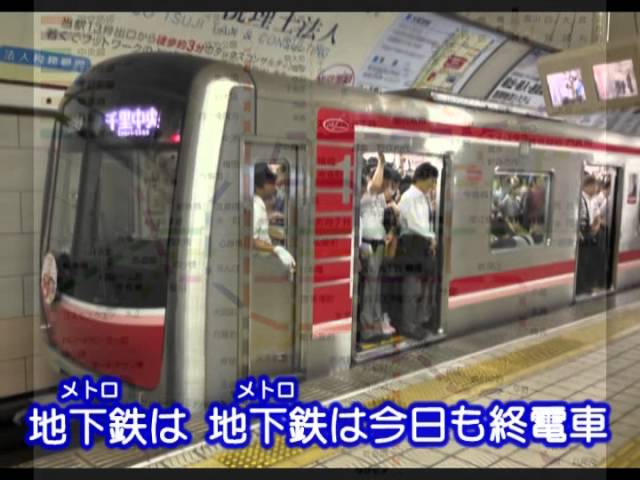
Hiroshi Inoue was a singer who passed away in 1985 at the young age of 44 and was counted as one of the “three Hiroshis of rockabilly.” His song “The Last Train on the Subway Again Today,” released in December 1959, was themed around the Marunouchi Line and gained popularity among women.
Black petalsMizuhara Hiroshi

Hiroshi Mizuhara was a popular singer who, together with Hiroshi Kamayatsu and Hiroshi Inoue, was affectionately known as the “Three Hiroshis.” “Black Petals” was a single released in July 1959 and won the inaugural Japan Record Award.
The lyrics were written by Eiroku Suke, who was also active as a television personality.
In conclusion
Did you get a feel for the spirit of rockabilly? I think the selections ranged from older works to more recent releases. In that sense, it may have been something like tracing the history of Japanese rockabilly. Japanese rockabilly will continue to grow, so I’ll keep updating this article as we go. I’d be delighted if you stop by again!