

Nostalgic Japanese hit songs from the 1960s. A collection of popular Showa-era classic melodies.

The Tokaido Shinkansen opening, the advent of color TV, the Beatles’ visit to Japan, Astro Boy, the Apollo 11 moon landing, and more…
The 1960s were a decade energized by a wide array of new cultural phenomena amid the era of rapid economic growth.
In 1964, Tokyo also hosted the Olympic Games.
In music, from kayōkyoku to sounds influenced by foreign styles, one of the charms of the ’60s is that you can actually enjoy a rich variety of tastes.
Some legendary artists from that time are still active today! From among the classic songs that lit up the hit charts of the tumultuous Shōwa era, we’ve thoroughly researched a selection of nothing-but-recommended nostalgic tracks from the ’60s.
You might rediscover a longtime favorite or stumble upon a wonderful new tune! Please enjoy these timeless masterpieces that continue to resonate in the hearts of the Japanese people, even as the times keep changing.
- Classic and hit Japanese pop songs from the nostalgic 1960s
- Classic and hit kayōkyoku songs from the nostalgic 1960s
- Hit songs in Japan in the late 1960s
- Ranking of Popular Oldies and Classic Songs [1960s Japanese Music Rankings]
- Heart-touching, tear-jerking masterpieces from the Showa era
- A collection of nostalgic hit songs and classics from the 70s
- Love songs that resonate with women in their 60s: gem-like romance tunes that revive memories of youth.
- A roundup of classic Showa-era kayō songs: a comprehensive introduction to timeless tracks loved across generations.
- So nostalgic it feels new? Showa retro classics that colored Japan’s period of rapid economic growth
- Female Singer-Songwriters of the ’60s: Popular Songs Ranking [2026]
- A love song that makes a man in his sixties relive his youth. Timeless classics that rekindle the romances of those days.
- Timeless classics only! Showa-era hit songs perfect for acoustic sing-alongs
- Showa-era nostalgic songs: Popular ranking
Nostalgic Japanese hit songs from the 1960s: A collection of popular Showa-era oldies (21–30)
Look up at the stars in the nightSakamoto Kyu

This is a song released by Kyu Sakamoto in 1963, with the original being the title theme from a musical of the same name that premiered in 1960.
The lyrics were written by Rokusūke Ei and the music composed by Taku Izumi.
With this song, Sakamoto made his third appearance at the 14th NHK Kōhaku Uta Gassen at the end of 1963, and it has continued to be sung as one of Kyu Sakamoto’s signature songs.
Beach of MemoriesZa Wairudowanzu

It was released in 1966 as The Wild Ones’ debut single.
The song became a major hit, selling over one million copies, and perfectly matches the refreshing image of the seashore.
In 2007, it was used as the theme song for the film of the same name, Memories of the Seashore.
Nostalgic Japanese hits from the 1960s: A collection of popular Showa-era oldies (31–40)
Scat at DawnYuki Saori

Woven with the distinctive vocal technique known as scat, this song leaves a lingering resonance in the listener’s heart.
Saori Yuki’s crystal-clear voice seems to glide through air as blue and pristine as the sky.
Released in 1969, it held the No.
1 spot on the Oricon Weekly Singles Chart for eight consecutive weeks, became a million-seller, and also claimed the top position on that year’s annual hit chart.
It was reportedly produced as the opening theme for a late-night program on TBS Radio.
Though simple, its deeply moving melody warms the heart like the gentle light of daybreak.
It’s the perfect track when you want to savor a fresh, morning mood.
Yanagase BluesMikawa Ken’ichi

It was released in 1966 as Kenichi Mikawa’s third single.
Originally known for singing youth pop, Mikawa used this song as a turning point to shift toward the enka and mood-kayō style.
It became a major hit, selling over 1.2 million copies, and made the name Yanagase known throughout Japan.
It is one of the signature songs that brought Kenichi Mikawa nationwide recognition.
12th graderFunaki Kazuo

It was released in 1963 as Kazuo Funaki’s debut single.
The debut single became a massive hit, surpassing one million copies sold within a year of its release, and with this song he made his first appearance at the 14th NHK Kōhaku Uta Gassen.
It is still sung today as one of Kazuo Funaki’s signature songs.
Love me to the bone.Jō Takuya

This is a song released by Takuya Shiro in 1966, created based on lyricist Yasunori Kawauchi’s experience during the All Nippon Airways crash off Haneda that occurred in 1966.
It sold over 1.4 million copies, becoming a million-seller, and earned its first appearance at the 17th NHK Kohaku Uta Gassen.
The song also inspired a film adaptation by Nikkatsu starring Tetsuya Watari, with the track serving as the movie’s theme song.
Sūdara-bushiUeki Hitoshi
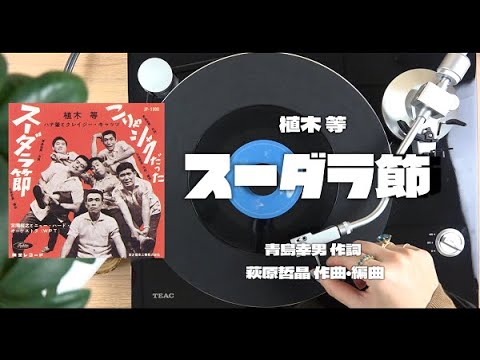
This is a signature song by Hitoshi Ueki, a member of “Hajime Hana and the Crazy Cats,” who are regarded as pioneers of a style that fused music and comedy and influenced groups like The Drifters.
The song maintains the vibe of being about a “good-for-nothing man” throughout, and its lyric “I know I shouldn’t, but I just can’t stop” is particularly distinctive.