

Trivia and fun facts about July, including tidbits about Tanabata.

Speaking of July, there’s so much to look forward to—Tanabata, Marine Day, and the start of summer vacation.
How much do you know about July? In this article, we’ll share general trivia and fun facts about July.
We’ve gathered topics from various angles, including, of course, things related to Tanabata, as well as July observances and seasonal items.
Use these in many situations—tell your children to deepen their knowledge of Tanabata, or bring them up as talking points during summer leisure!
- [For Kids] Trivia Quiz & Fun Facts about July
- [Tanabata Quiz] Three-choice questions to enjoy trivia and fun facts
- [For Kids] Fun Summer Trivia Quiz & Facts
- Make your summer festival even more fun! Trivia quizzes and fun facts for kids
- A collection of trivia and fun facts about August that will warm your heart
- Trivia you think you know but surprisingly don’t? August trivia and fun facts quiz!
- Trivia and fun facts to make summer even more enjoyable
- Enjoy summer festivals even more! Trivia quiz & fun facts collection
- Speaking of summer, fireworks! Kid-friendly trivia quizzes and fun facts about fireworks
- [For Kids] Trivia & Fun Facts Quiz About June
- Will you like May even more once you know? Fun May trivia elementary schoolers should know
- Trivia quiz with useful tips to know: fun facts that come in handy at school or at home [for kids]
- [For Kids] December Trivia Quiz & Fun Facts! Learn about seasonal events and traditions!
Trivia and fun facts about July, including Tanabata trivia (1–10)
Orihime is “Vega,” and Hikoboshi is “Altair.”
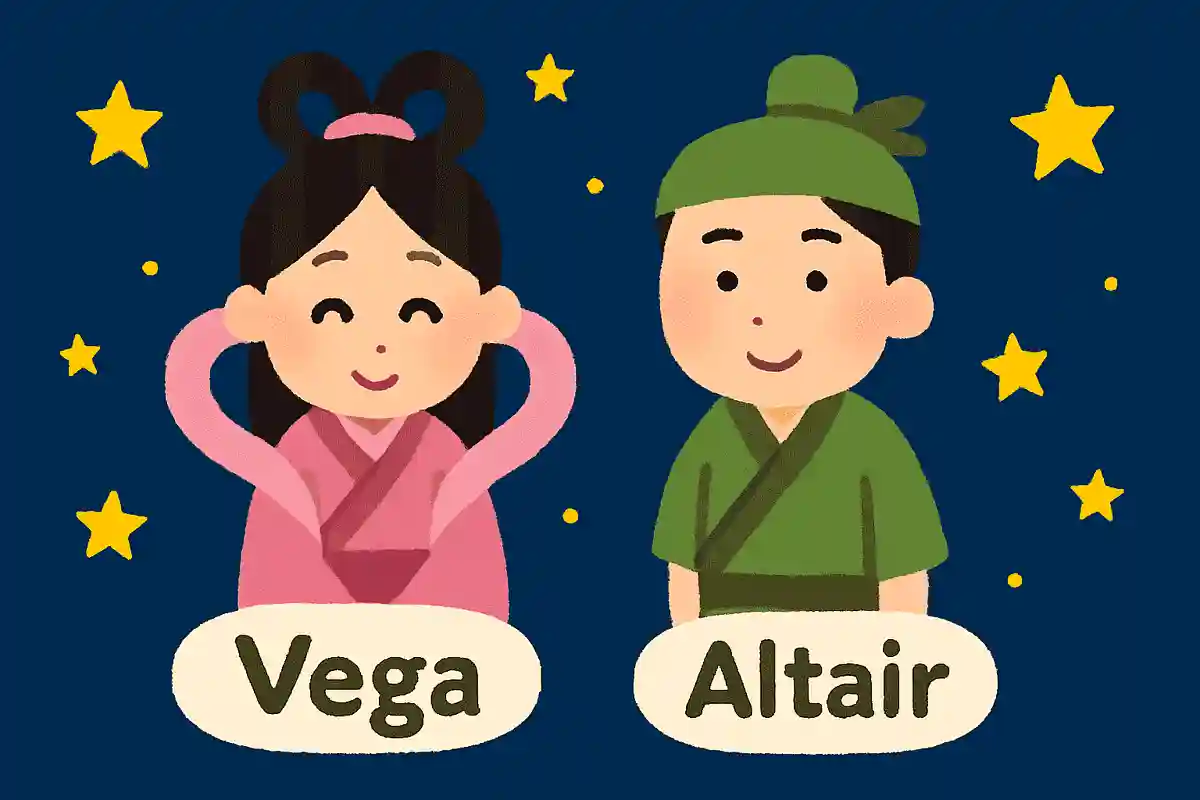
It is said that Orihime is Vega, the first-magnitude star in the constellation Lyra, and Hikoboshi is Altair, the first-magnitude star in the constellation Aquila.
The Milky Way flows between these two stars.
After they married, they neglected their work and incurred the wrath of the Heavenly Emperor, who separated them to opposite banks of the Milky Way—just like in the Tanabata legend.
In fact, these two stars are 14.4 light-years apart, meaning that even at the speed of light it would take about 14 years to travel between them.
In other words, no matter how hard they try, they actually wouldn’t be able to meet even once a year.

Hozuki (Chinese lantern plants) are sold at Senso-ji on July 9 and 10.
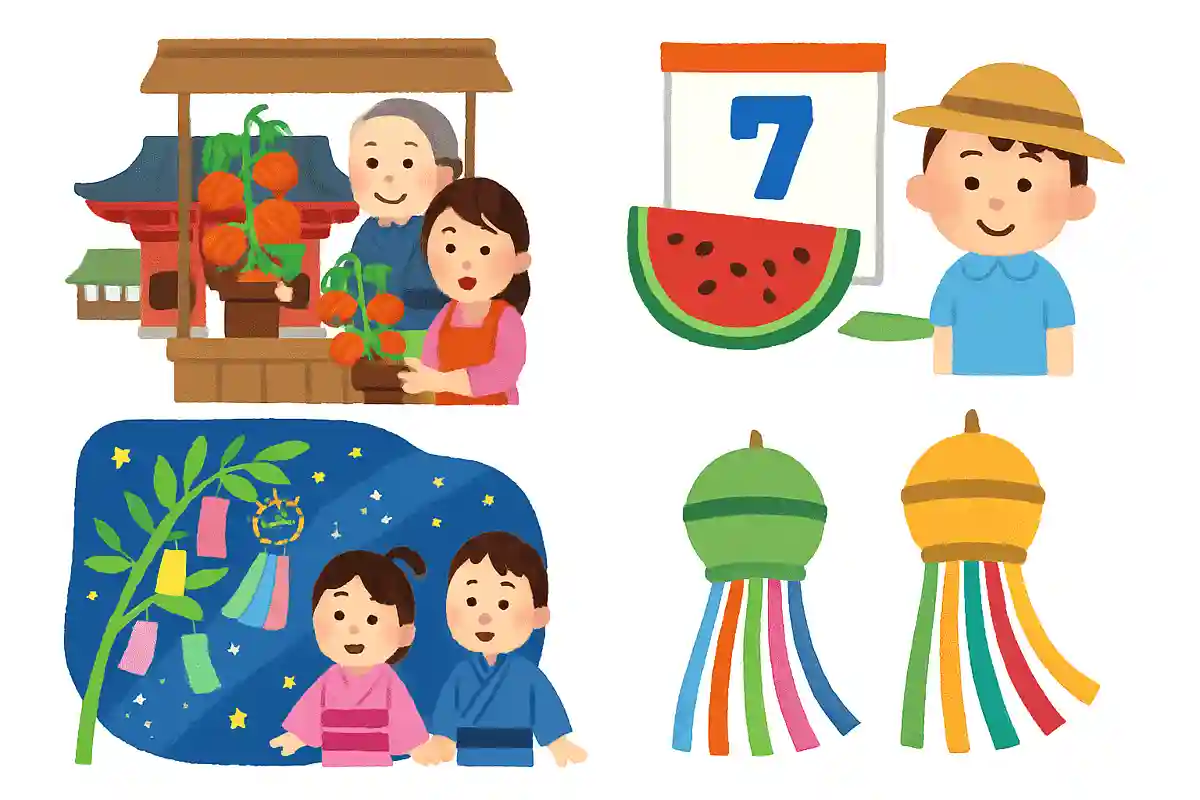
On July 9–10, the Hozuki Market is held at Sensoji Temple.
July 10 is called the “Shimanrokusennichi En’nichi,” a day said to grant the merits of a lifetime, and in the Edo period the temple bustled with worshippers from the day before hoping to partake of its blessings.
For that reason, both July 9 and 10 are regarded as en’nichi (festival days).
The market is said to have arisen because people believed that swallowing a ground cherry (hozuki) whole with water could cure chronic ailments and stomachaches, so there was high demand.
The timing is also close to Obon, and many people purchase them as decorations for their Bon altars.
The full moon in July is called the “Buck Moon.”
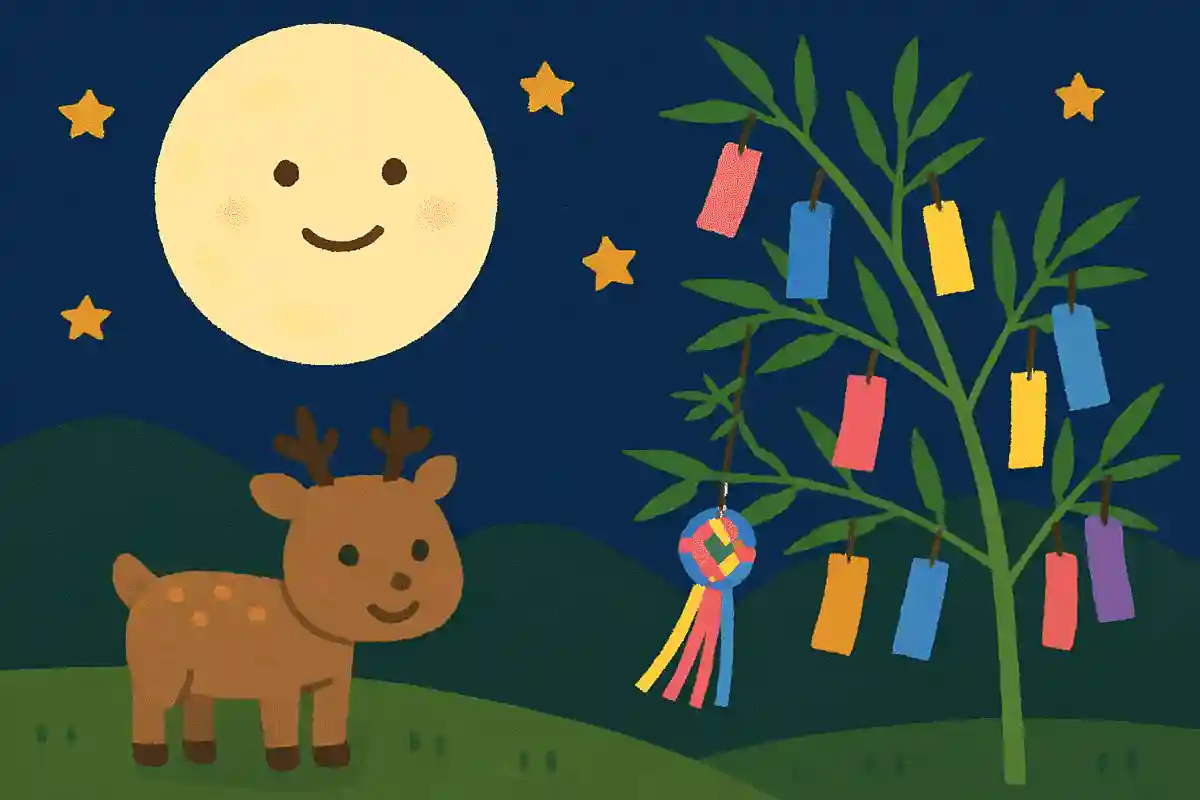
Did you know that the full moon in July is called the “Buck Moon”? The term is said to have originated in the United States, with “buck” referring to a male deer.
July is the time when male deer grow new antlers, which is why the name Buck Moon came to be used.
Incidentally, each month’s full moon has its own name.
June, the month before July, is called the “Strawberry Moon” because it’s the season for harvesting strawberries.
The following month, August, is known as the “Sturgeon Moon” due to the abundance of sturgeon fishing during that time.
Trivia and fun facts about July, including Tanabata trivia (11–20)
Somen noodles are what we eat for Tanabata.

Japan has many traditional events, and each one has its own customary foods that are considered good to eat at that time.
For Tanabata, the customary food is somen noodles.
Tanabata is a tradition that came from China, and in the beginning people ate a sweet called sakubei, made by kneading rice flour and wheat flour into rope-like shapes and deep-frying them.
Over time, its form changed and it became somen, or so it is said.
However, there are various theories as to why somen became the event food: some say it resembles the Milky Way or threads, and others say it’s because somen is nutritious and good for health.
The birthstone for July is ruby.
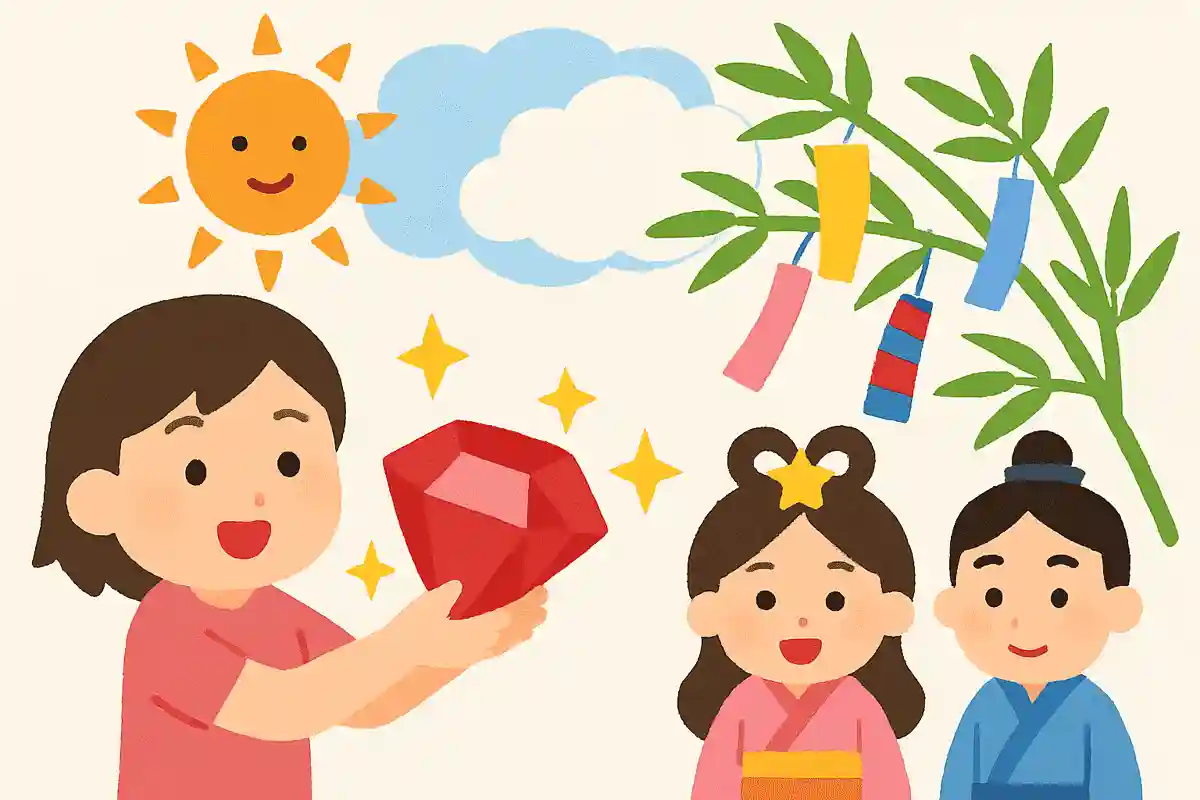
Ruby, the birthstone of July, symbolizes passion and victory.
Its deep red color is seen as a sign of vitality and love, and it is believed to bestow courage and energy upon its wearer.
Often used as a talisman for protection from misfortune, it is also a popular gift for loved ones.
Wearing your birthstone serves as a charm that encourages greater self-care and adds special meaning to everyday life.
By understanding not only its dazzling appearance but also the significance it holds, its brilliance may feel even more valuable.

Mt. Fuji’s climbing season opens in July.

Mount Fuji, Japan’s highest peak, officially opens to climbers in July, marking the start of the full summer climbing season.
The Yoshida Trail on the Yamanashi side opens on July 1, while the trails on the Shizuoka side open around July 10, attracting many climbers from all over the country.
The short window from July to August is considered the best time to summit, and during this period mountain huts and first-aid stations are in operation, making for a safer climb.
Although tackling the mountain’s harsh natural environment requires preparation and determination, witnessing the sunrise from the summit is an extraordinary experience.
It’s an annual event that draws attention as a quintessential symbol of summer.
People decorate bamboo branches with tanzaku because bamboo is considered sacred.
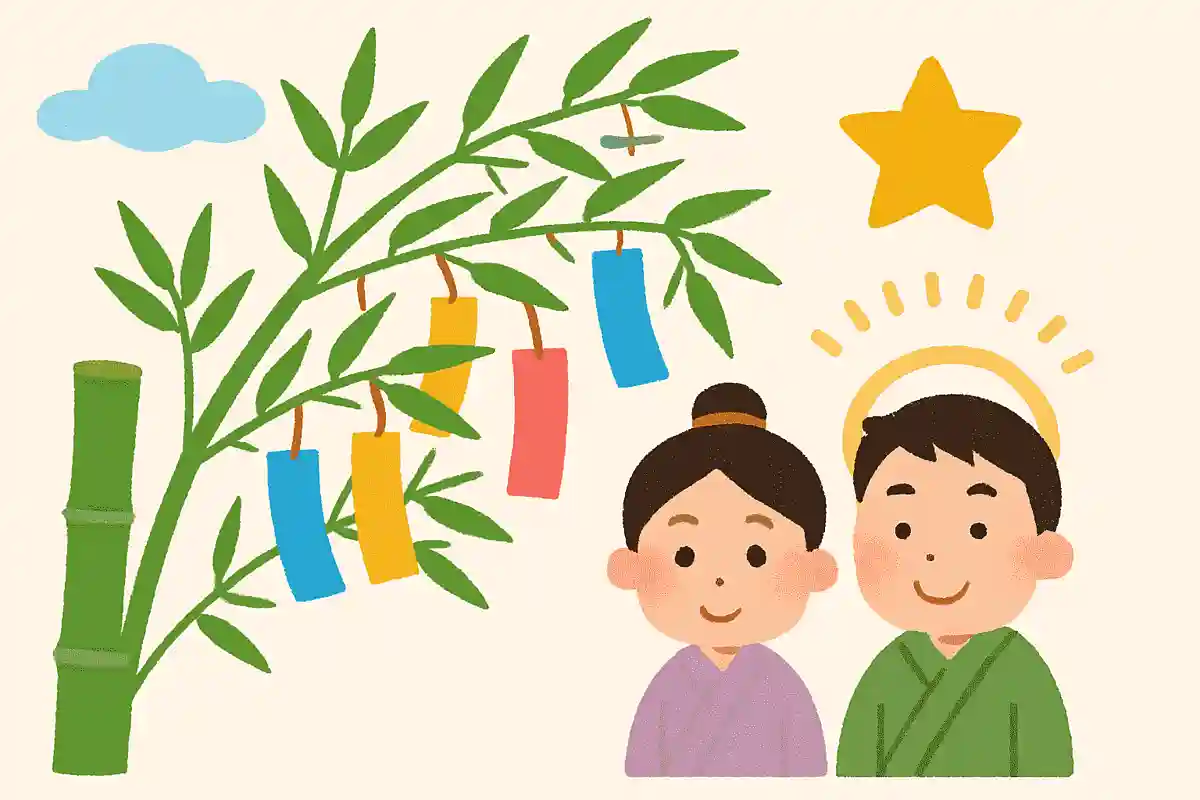
When it comes to Tanabata, the custom of decorating bamboo with wish-bearing tanzaku is well known, but do you know why bamboo is used? Bamboo has long been regarded as a sacred plant.
In the past, its straight, upright form and lush green leaves were considered auspicious as a symbol of vitality.
The leaves of bamboo were believed to have the power to ward off misfortune, and there is a history of using bamboo as a vessel for deities.
In Tanabata, by tying tanzaku inscribed with wishes to this sacred bamboo, it is thought that the wishes will be delivered to the heavens.
By writing your wishes sincerely—not as mere decoration—you can enjoy the festival even more.