

Songs that junior high school students like. Classic and popular Japanese hits.

Once you’re in junior high school, you naturally start listening to all kinds of music—not just the songs that hit the charts, but also tracks you discover through your family and friends!
I’m sure many of you feel like, “I want to discover new music!” or “I want to keep up with my friends’ music conversations!”
So in this article, we’ll introduce a collection of songs from buzzworthy artists in recent years, as well as tracks by artists who are staples in the J-POP scene.
We’ve gathered songs you’ll definitely want to hear as a junior high student, including tracks trending on TikTok and anime theme songs.
Listen to the songs we’re about to introduce, and share them with your friends too!
- [Middle School Students] Popular Songs Ranking by Generation [2026]
- Recommended moving songs for junior high school students
- Songs popular among junior high school students. Also songs trending on social media.
- [For Junior High School Girls] Popular Latest Songs: A Collection of Timeless Tracks You'll Want to Keep Listening To
- Ranking of Popular Japanese Music and J-Pop Artists Among Junior High School Students [2026]
- Unrequited love songs recommended for junior high school students. Popular love songs and romance tracks.
- [Middle School Students] Popular Japanese Songs / J-POP Rankings [By Generation]
- [Clubs, Friendship, Romance] Youth songs middle schoolers should listen to
- Featured Songs Popular with Junior High School Boys! A Roundup of Trending Tracks
- Most Popular Japanese Songs and J-Pop Among Junior High School Girls [2026]
- [Middle School Students] Karaoke Popularity Rankings by Generation [2026]
- Summer songs that get middle schoolers excited: Popular tracks you’ll want to listen to in your youth
- [Attractive] Recommended for junior high schoolers! Cool Japanese songs that are impressive when you can sing them
Songs that junior high school students like: Classic and popular J-pop hits (31–40)
MomotaroSuiyōbi no Campanella

A well-known Japanese folktale is reimagined with the unique twist of a shut-in boy as the protagonist.
The electronic beat and the rap-like storytelling meld into an ensemble that’s downright addictive.
This track was featured as the lead song on the mini-album “Take Me to Onigashima,” released in November 2014, and before the release it was available in advance as a limited single for 100 yen.
Its surreal, humor-filled worldview has a curious charm that might just make everyday worries feel trivial.
sceneHatsuboshi Gakuen Shinozawa Hiroshi

This is a song where the pauses are very important, and you should sing each phrase carefully, almost as if savoring it.
One of my students who’s really into First Star Academy loves this character and practiced a lot.
The key is not to rush—sing each word of the lyrics with intention.
When you sing, using a head-voice base brings out the right vibe.
The pitch right before the last chorus is slightly low, so be careful not to let your pitch drop.
Since the song is generally head-voice based, keeping that mindset and sending a steady stream of air forward will make the low notes easier to produce.
Rather than changing your singing style, focus on engaging the vocal folds and using your breath well.
For those not used to singing, the relaxed melody makes it easier to practice because you can take slower breaths!

If I could become a constellationkessoku bando

Kessoku Band’s most famous song, “If We Could Become a Constellation.” The melody isn’t difficult and the rhythm is calm, so many of my vocal training students chose to sing it.
Actually, JOYSOUND staff are doing something called the “95-Point Challenge” with this song, so with practice you might be able to boost your score quite a bit! The overall vocal range is G3–C#5.
The chorus hits C5 repeatedly, so some people might feel it’s “high,” but the melody has momentum, so if you focus on accents, you’ll be fine! First, listen carefully to identify which parts are the high notes.
Take the spots where you think, “Maybe here?” and turn them into accents by riding the rhythm with some drive.
The key point is to project your voice forward! Start with sectional practice so you can produce sound comfortably, and do your best!
Imo-rai Imotuki.

According to JOYSOUND’s data, the average karaoke score for “Aimo Raimo” in August 2025 is a bit on the high side at 87.462.
The vocal range is relatively modest for a tuki.
song, spanning D3 to D#5, with the highest note appearing in the final chorus in falsetto.
Since D#5 is fairly high, aim to resonate strongly in your head when you sing it.
Take a deep breath before the chorus entrance, build momentum, and pop the first note out with energy.
The C-melody is unexpectedly tricky for pitch: the melody moves up and down phrase by phrase, so the lower parts may feel difficult.
You’ll want to sing each phrase carefully, but try to place every phrase from the same vocal spot.
Low notes tend to go flat, so to prevent that, keep your eyebrows raised and imagine projecting the sound forward, just in front of your eyebrows.
I’m not great with low notes either, but raising my eyebrows makes it easier to hit the pitch—give it a try!
DarlingMrs. GREEN APPLE

A coming-of-age song that delivers the importance of embracing your true self on a refreshing melody.
The protagonist portrayed by Mrs.
GREEN APPLE carries a earnest resolve to keep looking forward while battling self-denial.
Gratitude and hope toward someone who accepts their true self gently envelop the listener, together with a melody that resonates in the heart.
Released in January 2025 as the theme song for NHK General’s special program “Mrs.
GREEN APPLE 18-sai-sai,” it was performed together with 1,000 members of the 18-year-old generation.
It’s a track recommended for moments when you want to face yourself with a gentle gaze, or when you want to share your feelings with someone important.
Songs that junior high school students like. Classic and popular Japanese songs (41–50)
NAMEspelling
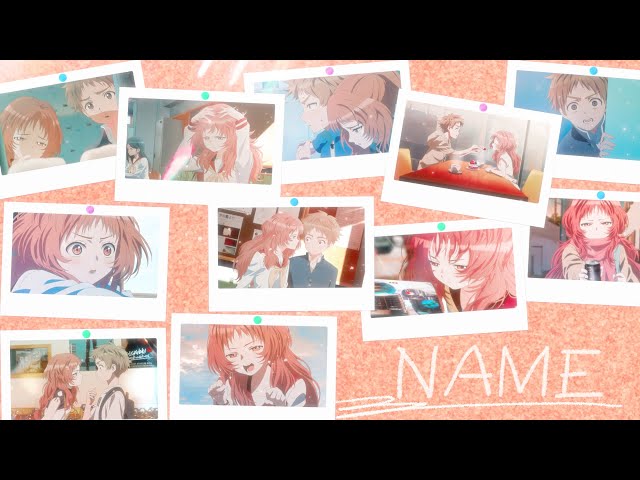
This is the song that marked the major debut of Tsuzuri, a singer who rose to prominence on YouTube and TikTok.
It was also selected as the opening theme for the anime “The Girl I Like Forgot Her Glasses.” It’s noteworthy that the lyrics were written by DECO*27 and the composition was handled by Shota Horie; the track conveys a youthful bittersweetness that aligns with the work itself.
Tsuzuri’s straightforward delivery of the words makes it easy to vividly imagine someone facing their youth head-on, further enhancing the song’s refreshing atmosphere.

idolYOASOBI

YOASOBI’s songs are loved by a wide range of generations! This particular track was used as the opening theme for the TV anime “Oshi no Ko,” so it’s been a huge talking point.
With a 166 BPM technopop sound composed by Ayase layered with ikura’s clear, crystalline vocals, it’s incredibly catchy.
The lyrics portray both the strength and vulnerability of being an idol, as well as the desire to be loved and to love, and they’re sure to resonate with listeners.
Since its release in June 2023, it’s become popular among many middle school students.
It’s a perfect song to listen to on the way to school or to sing at karaoke.
Be sure to give it a listen!