

[Piano Recital] Perfect Pieces for Middle Schoolers! A Curated Selection of Impressive, Audience-Pleasing Works


Even children who didn’t care much about choosing pieces for recitals in elementary school often start longing for dazzling works the moment they become junior high students, saying, “I want to try playing this!” Performances by older students and adults heard at past recitals may have left a strong impression, and some students might be eager, thinking, “Someday I’ll perform a piece that sounds this impressive.” So here, we’ll introduce pieces that are perfect for junior high schoolers to showcase at a piano recital—works that really make an impact.
As children enter junior high, they grow both mentally and physically, and their musical tastes may change from what they liked in elementary school.
Let’s choose pieces that are just right for them and boost their motivation to sit down at the piano even more!
- [Intermediate Level] Cool Piano Pieces You Can Play [Great for Recitals Too]
- [Piano Recital] Recommended for Middle Schoolers! A Comprehensive Introduction to Classical Masterpieces
- [For Intermediate Players] Challenge Yourself! Recommended Masterpieces That Shine at Piano Recitals
- For Advanced Players: Showstopping Classics to Play at a Piano Recital
- Piano Masterpieces: Surprisingly Easy Despite Sounding Difficult!? A Curated Selection Perfect for Recitals
- [Piano Recital] Recommended for Boys! A Curated Selection of Cool, Impressive, and Popular Pieces
- [Intermediate Level] A curated selection of piano masterpieces featuring strikingly brilliant melodies!
- [Piano Recital] Carefully Selected Classical Pieces Recommended for Upper Elementary School Students
- [For Elementary School Students] Brilliant, Showy Masterpieces That Sound Impressive at Piano Recitals
- [Intermediate] Recommended Piano Duets | A Curated Selection of Cool and Dazzling Pieces
- [For Advanced Players] A Curated Selection of Classical Masterpieces to Tackle at Piano Recitals
- [Popular Piano] Capture the Audience’s Attention! Recommended Pop Songs That Shine at Piano Recitals
- [Advanced] Super cool if you can play it! Selection of famous piano pieces
[Piano Recital] Perfect for Middle Schoolers! A Carefully Curated Selection of Striking Pieces (41–50)
Sonatina in F major, First MovementAnton Diabelli

Its graceful yet approachable melody and the bright, open resonance unique to F major are deeply appealing.
Perfect as an introduction to classical music, this piece offers a wonderful way to learn the fundamentals of the Classical style.
The warm tone colors and flowing, elegant lines leave a strong impression, while the gentle sonority created by the Alberti-bass accompaniment is soothing and healing to the listener.
Published in Vienna in 1839, the work is infused with a heartwarming character free of stiffness, all while maintaining a solid musical structure within its gentle atmosphere.
It is recommended for those who wish to perform at a piano recital or simply savor the beauty of classical music.
[Piano Recital] Perfect for Junior High Students! A Curated Selection of Impressive, Audience-Pleasing Pieces (51–60)
Children’s Album, Volume 1, “Picture Book of Boyhood”: No. 7, Hobbyhorse (Cavalry)Aram Khachaturian

This piece features a lively triple meter that races lightly forward, brilliantly capturing the innocent playfulness of children.
Rich in narrative character, it deftly portrays in music the swaying sensation of kids riding a hobbyhorse and the exhilaration of playing cavalry.
Selected from a set of piano miniatures composed in 1926, it is rhythmic yet infused with a mysterious aura that captivates listeners.
Despite its simple accompaniment, it possesses a unique charm, making it an ideal addition to the performance repertoire of piano students.
Piano Sonata K. 545, 1st MovementWolfgang Amadeus Mozart

Among Wolfgang Amadeus Mozart’s piano works, this piece is especially famous.
Even those who aren’t well-versed in classical music might say, “I know this melody!” Composed in June 1788 with piano learners in mind, it captivates with its bright and light character.
However, despite its familiarity, playing it beautifully is by no means easy.
It’s filled with essential techniques, such as maintaining balance with the left-hand accompaniment while keeping the right-hand melody even and well-articulated.
Performing such a renowned piece at a recital is sure to boost your confidence—and the sense of accomplishment when you master it is exceptional.
Final Fantasy VII Piano Collections “One-Winged Angel”Uematsu Nobuo

A piano arrangement of the masterful final battle theme—friendly and approachable yet imbued with grandeur—returns with overwhelming quality.
Also used in the Sephiroth battle of the film FINAL FANTASY VII ADVENT CHILDREN, created with game CG techniques, this piece fuses classical and rock in an innovative style, successfully rendering the majestic sound of choir and orchestra on a single piano.
Without losing the atmosphere of the original released in 1997, it becomes an excellent arrangement that adds the piano’s unique delicacy and power.
While by no means easy to play, it’s a piece that lets you fully showcase dynamic expressiveness and dazzling technique.
It’s perfect not only for boys who want to perform something cool at a recital, but also for skilled players looking to create a spotlight moment that makes the most of their technique.
SummerHisaishi Joe
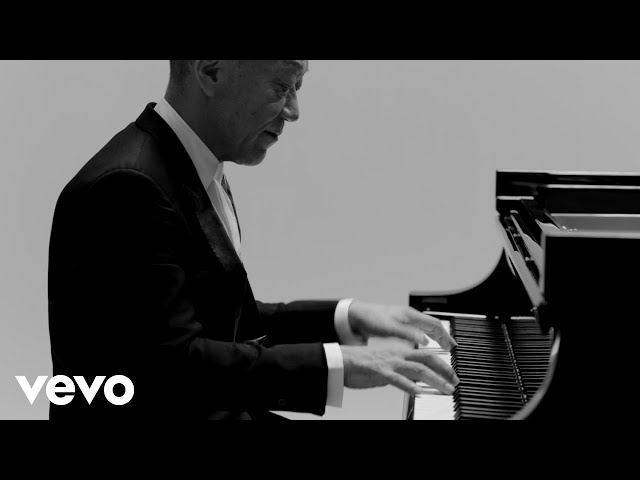
The piano piece composed for the film “Kikujiro” has become beloved as a classic that captures the refreshing brightness of summer and the warmth of unexpected encounters.
Carried by a clear, uplifting rhythm, it traces the journey and inner growth of an innocent boy, vividly portraying the drama of life through its tones.
After the film’s release, it was featured in many commercials; in Toyota Corolla’s ad, it aired alongside the tagline “The thrill of being able to change.” Simple yet profound, the melody has a resonant charm that touches listeners’ hearts.
Expressing summertime scenes through a boy’s eyes, the piece conveys nostalgia and a touch of wistfulness through its warm timbre and exquisite harmonies.
It’s recommended for those who wish to savor a gentle atmosphere and a refreshing afterglow.
Symphonia No. 1 in C majorJ.S.Bach

This delightful miniature features a bright, lively three-voice piano melody and was composed in 1720 for the education of the composer’s son.
From the very opening, the flowing main theme is elegantly handed from the upper voice to the middle and then the lower, showcasing the intricate counterpoint characteristic of Baroque music.
Its unbroken melodic lines and pleasing harmonic progressions are full of charm that captivates listeners.
The passages speak clearly, the phrasing connects naturally, and it is an ideal performance piece for upper-elementary students.
With its sparkling layers of sound and rich expressiveness, it will lend a brilliant flourish to any recital stage.
Turkish MarchWolfgang Amadeus Mozart

This melody by Mozart that everyone knows is actually the third movement of the landmark Piano Sonata No.
11 in A major, K.
331.
The piece embodies the “Turkish style” music that swept Europe in the late 18th century, brimming with exotic flair—one can almost picture a military band marching boldly by.
Its glittering, powerful character is sure to resonate with elementary and middle school students who look up to adulthood.
It even became a hot topic as a commercial jingle in 1985.
While the tune is familiar, mastering the precise, meticulously crafted lines so characteristic of Mozart is a rewarding challenge.
It’s perfect for children who want to be the star of the recital with a cool piece—the sense of accomplishment when you finish playing it is second to none!