

Songs with titles starting with 'Ka'

When you hear “songs with titles that start with ‘Ka’,” what comes to mind?
It’s not always easy to think of them right away, is it?
But after doing some research, there are actually quite a lot—and many of them are hit songs that defined their eras.
I think you’ll have a great time with a mix of trending buzz tracks and timeless classics!
In this article, I’ll carefully select and introduce songs whose titles start with “Ka.”
Feel free to use this as a reference not only when you’re curious about what songs start with “Ka,” but also as a starting point for picking tracks at karaoke.
- Vocaloid songs that start with 'Ka'
- Summary of Vocaloid songs with titles that start with “Ga” (が)
- Masterpieces with titles that start with 'A'
- Songs with titles starting with “Ki” [Great for karaoke & shiritori!]
- Cool songs from the Showa era. Masterpieces from Showa that shine with sensuality, passion, and rugged charm.
- Introducing popular J-pop songs that start with “Ta”!
- A roundup of songs that start with “ku.” Perfect for shiritori or picking karaoke tracks!
- Songs with titles starting with “Ko” [Great for karaoke and shiritori, too!]
- [Tearjerker] Songs that make your heart tremble with tears & moving tracks with lyrics that touch the soul
- Songs with titles that start with 'Ke'
- Winter songs in 90s J-pop: a roundup of popular winter tunes
- [Classic Showa Kayō Hits] The captivating Showa-era pop songs beloved even by younger generations
- A compilation of Vocaloid songs with titles that start with “Ki”
Songs with titles starting with 'Ka' (321–330)
Shadow (kagebōshi)Horiuchi Takao

A bittersweet yet warm song that feels like gently speaking to one’s own shadow.
Takao Horiuchi—also known for his work with Alice—delivers one of the defining ballads of the 1990s.
Released in April 1993, this piece became a household favorite as the theme song for the popular TV drama “Hagure Keiji Junjō-ha,” and went on to win the Grand Prize at the 24th Japan Music Awards the same year.
The lyrics depict a man, drink in hand, addressing his own shadow as he grapples with an unpayable debt of emotion toward a past lover.
His helplessness and loneliness are powerfully conveyed through Horiuchi’s warm yet wistful vocals, deeply moving listeners.
It’s the kind of song that, when played on a quiet night of looking back on the past, may make you empathize with the protagonist’s pain—and perhaps loosen your tear ducts.
Songs with titles starting with “Ka” (331–340)
Sound sleep! Peaceful sleep! A Suyarist lifestylesuyarisu-hime (CV: minase inori)

This is an anime song that, once you hear it, will stick in your head—it opened the TV anime Sleepy Princess in the Demon Castle.
The lyrics portray a princess who, despite being held captive, single-mindedly pursues the most comfortable sleep.
Inori Minase’s cute, drowsy vocals will surely make many listeners feel their hearts grow lighter.
After its release in October 2020, the song stayed on the Oricon charts for 12 weeks.
On nights when you want to escape the noise and fatigue of everyday life, listen to this track under the covers, and you’ll surely set off to a wonderful dream world alongside the story’s heroine.
Innovative☆Metamorpho~se!Doma Umaru (CV: Tanaka Aimi)

It’s a song sung by Aimi Tanaka that captured the hearts of many fans as the opening theme for the anime Himouto! Umaru-chan.
The protagonist’s true feelings—caught between her perfect public persona and her lazy at-home lifestyle—burst forth atop rapid shifts in tempo and an energetic sound.
Thanks to the deft vocal switching, the pure, elegant “beautiful younger sister” parts and the mischievous “himouto” parts flip back and forth so playfully that you can’t help but grin.
Monster IslandSuiyōbi no Campanella
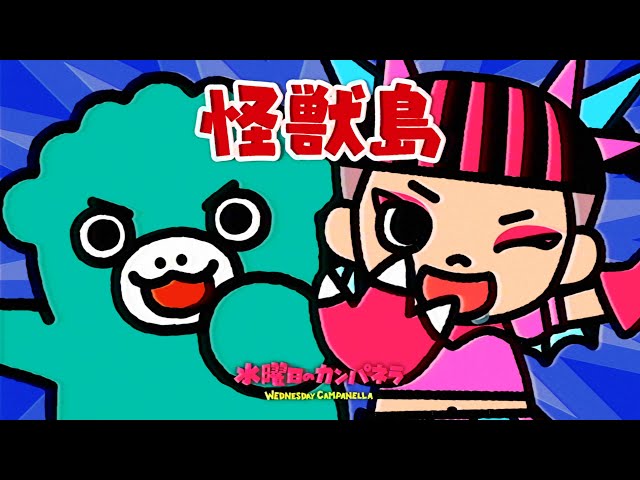
This is a track released on July 2, 2025, and it’s used as the opening theme for Season 3 of the TV anime “Chibi Godzilla no Gyakushū” (Chibi Godzilla’s Counterattack).
The song focuses on the lower to mid vocal range, with a melody that leans heavily into rap and spoken delivery.
In the pre-chorus and chorus, it suddenly feels more like a sung piece, which changes the atmosphere all at once.
Going back to the first verse: after the chorus, Shiha-chan sings in a cute, talky style, so let’s relax and go all-in on maximum cuteness there! The vibe shifts dramatically from the following pre-chorus, and I think that contrast really works! There are more words packed in, and fitting them into the rhythm might be tricky, but if you stay calm, you’ll be fine.
For the chorus, singing with a smooth, gently swaying feel brings out the mood nicely! Since the song hardly goes into high notes, once you get it down, it’s quite easy to sing!

one-way ticketKitayama Takeshi
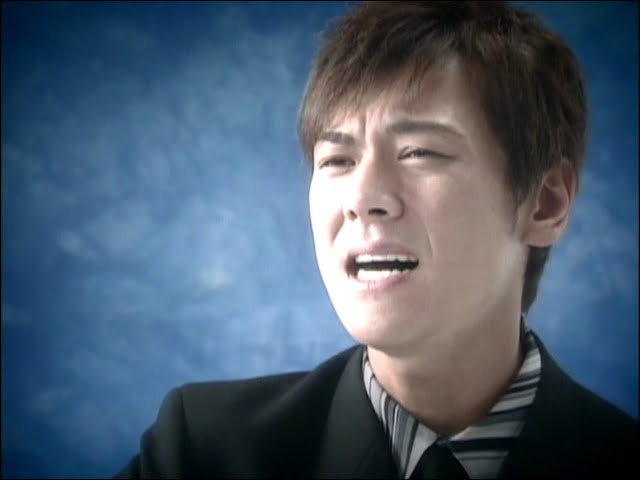
A deeply moving song that portrays a solitary departure, undertaken with the resolve never to return.
Written and composed by Joji Hara, his powerful yet gentle voice richly conveys both the determination to face a harsh journey and the quiet nostalgia held within.
Released in April 2004 as a debut single, the track achieved the remarkable feat of reaching No.
20 on the Oricon overall chart—at the time, the highest ranking ever for a solo debut by an enka singer.
This solid first step paved the way for later successes, including the acclaimed album “Ippo” (One Step) and “Yume Ichizu,” which was selected as the theme song for the TV drama “Suronin Tsukikage Hyogo.” It is a song that will resonate deeply with anyone standing at a crossroads, ready to venture onto a new path.
Kankara Sanshin UmushirumunBEGIN

Just hearing the cheerful sound of the sanshin makes your heart start to dance.
In the lyrics, the three strings are likened to a family—the father, the mother, and the children—humorously singing about them blending together in harmony.
You can almost feel the excitement of waiting for Okinawa’s summer Eisa festivals and even hear the sounds of a laid-back life; simply listening brings a smile to your face.
This piece is included on the classic album “Begin no Shimauta – Omoto Takeo 2,” released in July 2002, alongside songs like “Shimanchu nu Takara.” It’s perfect not only for lifting the spirits of the whole family, but also as an enjoyable first step for anyone who wants to start playing the sanshin.
weathercockJunko Saegusa

Junko Saegusa is a powerhouse who has supported Japan’s enka and kayō music scenes for over 40 years.
From traditional enka to ballads imbued with the Showa-era mood, her expressive singing has captivated many.
Since her debut in 1979, she has carried on numerous beloved songs, including “Watashi o Ageru” and the duet “Amai Kankei” with former professional baseball player Masahiro Yanagida.
With a voice that resonates in the heart and stage performances that delight audiences, she’s a singer full of must-hear, must-see appeal!