
[J-Pop] List of Popular and Famous Songs That Use the Canon Progression [2026]


The first half of Baroque composer Johann Pachelbel’s Canon and Gigue in D major for three violins and basso continuo—the Canon, commonly known as “Pachelbel’s Canon”—is a piece almost everyone has heard, even if they don’t recognize the title.
Did you know that the chord progression from this Canon is actually used in many J-pop hit songs? In this article, we’ll introduce not only songs that employ the straightforward Canon progression, but also works that feature various patterns with unique arrangements.
A must-read for anyone looking to study composition!
- Songs that use the Canon progression that I want to try playing on the piano
- [For Beginners] Play on the Piano! A Collection of Songs Using the Canon Progression
- [Composition] A roundup of famous songs that use classic chord progressions [by ear]
- [Guitar] Easy Chord Progressions! A Compilation of Recommended Japanese Songs for Singing and Playing
- [2026] Introducing Recommended Classic J-Pop/Nihon Music Medley Videos!
- Popular songs used in lyric videos trending on TikTok
- [Tearjerker] Songs that make your heart tremble with tears & moving tracks with lyrics that touch the soul
- [J-Pop] A compilation of popular songs with irresistible guitar cutting [2026]
- [April 2026] Trending songs: A roundup of the hottest, viral tracks right now
- Great for karaoke too! Upbeat songs that will get you hyped
- A lineup of classic hits! Karaoke songs recommended for the yutori generation
- [Autumn Songs] Songs of autumn. Classic tracks and popular favorites you’ll want to listen to in the fall.
- Songs with satisfying key changes: classic J-POP and Japanese tracks where the mood and impression shift naturally
[J-Pop] List of Popular and Famous Songs That Use the Canon Progression [2026] (1–10)
Welcome to Japari Parkdōbutsu bisuketsu × PPP

Released in February 2017 as the opening theme for the TV anime Kemono Friends, this track is the debut single by Doubutsu Biscuits × PPP, with lyrics, composition, and arrangement by Masayoshi Oishi.
Built on an up-tempo beat, it unfolds with a bright, liberating melody, featuring classic anison-style chord progressions woven into the verse, pre-chorus, and chorus.
It’s a pop number with a catchy melody that lifts your spirits.
kawa-E (cute)Yabai T-shatsu Yasan

A pop-punk number by Yabai T-Shirts Yasan, released in December 2018 as the theme song for the film Nisekoi.
Its unique lyrics—describing the charms of a love interest in alphabetical order—leave a strong impression.
The chorus fully adopts the canon progression, with the bassline and cyclical structure amplifying the emotional buildup.
The A section is simply constructed with fourth progressions, and by switching to the classic canon progression in the chorus, it emphasizes the emotional arc of burgeoning love.
It’s a song you can listen to over and over without ever getting tired of it.
Love SongGReeeeN
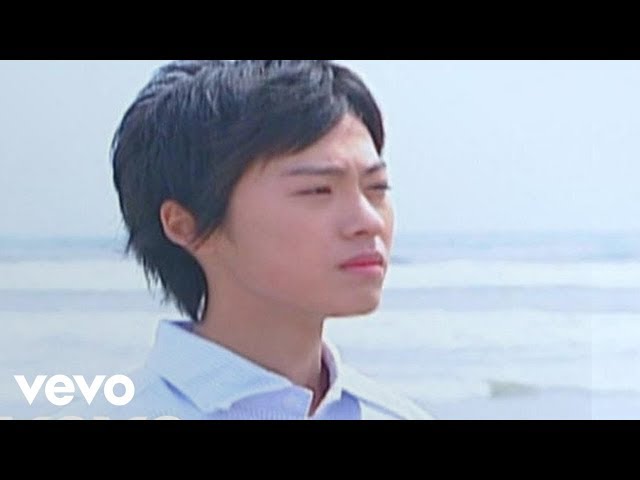
A timeless song whose melody and lyrics, woven from pure infatuation and deep affection, move everyone who hears it.
While portraying an unconditional love that says, “Your very existence makes me happy,” it also warmly embraces the anxiety and hesitation that come with life’s choices.
Released in May 2007, it reached No.
2 on the Oricon Weekly Singles Chart.
It was also used as the ending theme for NTV’s “Uta Sta!!” and Fuji TV’s “Ken Shimura no Daijoubu Da II.” With its soothing Canon progression, it’s the perfect track for moments when you want to express your feelings to someone special.
[J-Pop] List of Popular and Famous Songs That Use the Canon Progression [2026] (11–20)
Paradise GalaxyHikaru GENJI

This number, known as a signature song by Hikaru Genji—the roller-skating idols who sparked a social phenomenon in late-1980s Japan—was released in March 1988.
Written and composed by Ryo Asuka of CHAGE and ASKA, it features a classic canon progression in the chorus, moving through C, G on B, Am, Em7, F, C on E, Dm7, and Dm7 on G.
The extensive use of slash chords creates a smooth bass line.
The cyclical harmonic feel of the canon progression blends brilliantly with the exhilaration of an idol pop song, making it a landmark of Showa-era pop.
The Door to TomorrowI WiSH

I WiSH’s debut song is distinguished by its gently enveloping, soothing piano melodies, the simple canon-style chord progression, and a lyrical melodic line woven together with a clear, transparent vocal.
Tenderly expressing pure young love and hope for the future, this captivating track gives you the courage to take a new step forward and the strength to keep looking ahead.
Released in February 2003, it quickly drew attention after being selected as the theme song for Fuji TV’s variety show “Ainori,” and was later included on the album “Tsutaetai Kotoba ~Namida no Ochiru Basho~.” Frequently used at life’s milestone moments such as weddings and graduation ceremonies, this is a highly recommended song for those embarking on a new path or wishing to convey heartfelt feelings.
While listening to a distant train whistleArisu

It’s a timeless classic that still holds a special place as a defining song of the 1970s folk-rock scene.
From the intro through the first verse, it uses a textbook canon progression; the slash chords create a stepwise descending bass line that poignantly colors the imagery of departures and farewells.
While looking back on days when nothing seemed to go right, the protagonist’s struggle to move forward with a renewed resolve toward music overlaps beautifully with the cyclical nature of the canon progression, leaving a lingering, profound afterglow.
Released in September 1976 as a single cut from the album “ALICE V.” It’s a song that gently gives you a push when you feel lost in the pursuit of your dreams.
I want to protect youMatsutoya Yumi
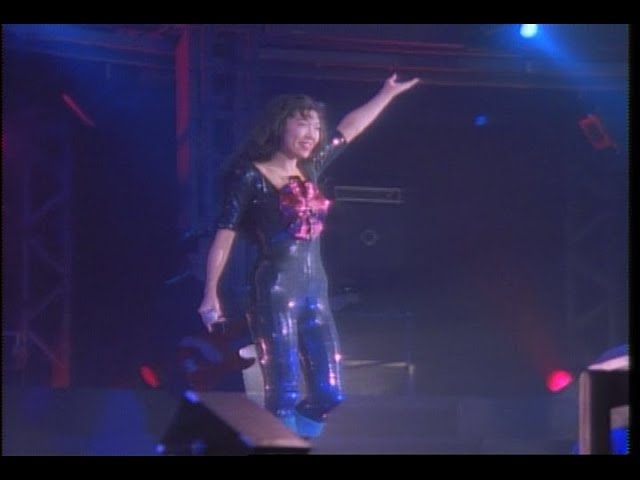
This is Yumi Matsutoya’s 17th single, released in June 1981.
Written as the theme song for the film “Nerawareta Gakuen,” it is known as a quintessential example of the canon progression in the history of Japanese pop.
Based in G major, it features a characteristic structure in which the progression cycles from I to VIII, and the use of slash chords weaves in a smoothly descending bass line.
Perfect for those who want to fully savor the comfort of a canon progression, or when you’re in the mood to be gently wrapped in tenderness.