
[J-Pop] List of Popular and Famous Songs That Use the Canon Progression [2026]


The first half of Baroque composer Johann Pachelbel’s Canon and Gigue in D major for three violins and basso continuo—the Canon, commonly known as “Pachelbel’s Canon”—is a piece almost everyone has heard, even if they don’t recognize the title.
Did you know that the chord progression from this Canon is actually used in many J-pop hit songs? In this article, we’ll introduce not only songs that employ the straightforward Canon progression, but also works that feature various patterns with unique arrangements.
A must-read for anyone looking to study composition!
- Songs that use the Canon progression that I want to try playing on the piano
- [For Beginners] Play on the Piano! A Collection of Songs Using the Canon Progression
- [Composition] A roundup of famous songs that use classic chord progressions [by ear]
- [Guitar] Easy Chord Progressions! A Compilation of Recommended Japanese Songs for Singing and Playing
- [2026] Introducing Recommended Classic J-Pop/Nihon Music Medley Videos!
- Popular songs used in lyric videos trending on TikTok
- [Tearjerker] Songs that make your heart tremble with tears & moving tracks with lyrics that touch the soul
- [J-Pop] A compilation of popular songs with irresistible guitar cutting [2026]
- [April 2026] Trending songs: A roundup of the hottest, viral tracks right now
- Great for karaoke too! Upbeat songs that will get you hyped
- A lineup of classic hits! Karaoke songs recommended for the yutori generation
- [Autumn Songs] Songs of autumn. Classic tracks and popular favorites you’ll want to listen to in the fall.
- Songs with satisfying key changes: classic J-POP and Japanese tracks where the mood and impression shift naturally
[J-Pop] List of popular and famous songs that use the Canon progression [2026] (21–30)
PretenderOfisharu Higedan Dism

This is the second single by Official HIGE DANDism, a four-piece piano pop band, which was used as the theme song for the film “The Confidence Man JP: The Movie.” Hailed as a song that will go down in J-pop history, it introduced the band to a wide range of listeners.
The chorus is based on a canon progression, and the A section is structured similarly, which may be why it evokes a sense of nostalgia for many listeners.
Featured as a choral piece in the 2023 music textbook, it is one of Official HIGE DANDism’s signature songs that will continue to be celebrated as a classic.

rainbowSuda Masaki
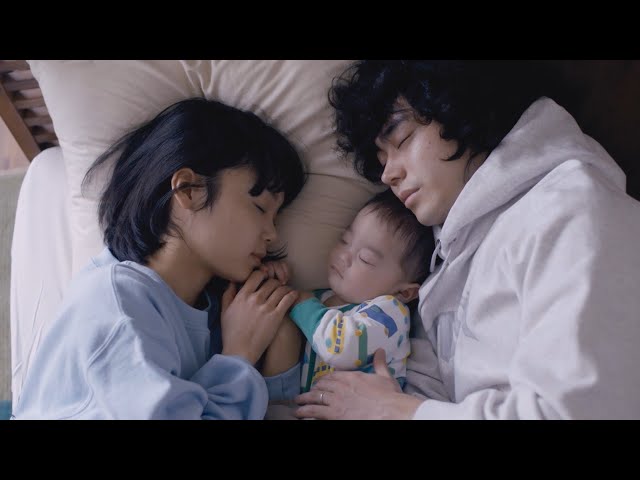
This is the fifth single by singer Masaki Suda, who has won numerous awards for his acting career and consistently released buzzworthy works in his music as well.
The song was chosen as the theme for the 3DCG animated film STAND BY ME Doraemon 2, and its lyrics—which evoke the bond with someone precious—resonate with the film’s narrative.
From the Canon progression that underpins the first half of the chorus to the dramatic development in the latter half, the song structure conveys a sense of grandeur that blends the classic with the modern.
It’s a number that reaffirms the affinity between ballads and the Canon progression, so pay attention to the resonance of the chords as you listen.
sunflowerAdo

Here’s the song Ado released as the theme for the TV drama “18/40: If It’s the Two of Us, Dreams and Love.” Compared to Ado’s usual style, you could say this track has a calmer vibe.
By subtly tweaking the so-called canon progression—which can feel a bit simple if left as-is—the song gains variety and emotional impact.
It’s a successful example of arranging a piece based on the canon progression.
Be sure to listen for where those arrangement touches have been added.

cherrysupittsu

This is the 13th single by Spitz, a four-piece rock band whose name was chosen because it’s “short and cute, yet sounds punk.” Despite having no tie-in, the song became a million-seller and, alongside tracks like “Robinson,” is known as one of Spitz’s signature numbers.
The melody over the canon progression in the A section is dramatic, flowing naturally into a catchy chorus for a satisfying song structure.
The nostalgic color of the canon progression gives the entire track a subtle sense of weightlessness—a quintessential ’90s pop tune.
Flower of FateTogenashi Togeari

The band Togenasitogeari that appears in the anime Girls Band Cry isn’t just a fictional group—it’s a real band, and they also voice the characters in the show.
If you go to one of their live performances, you can see the members playing outside of the anime as well.
This song, which is used as an insert track in episode 13, has a more intense tempo than a typical Canon, but if you listen closely, you’ll notice it follows the Canon progression.
Songs that use the Canon progression can sound completely different depending on tempo and groove—and that’s part of the charm.
Marigoldaimyon

This is the fifth major-label single by Aimyon, a female singer-songwriter who has gained popularity for lyrics that express universally relatable themes with distinctive phrases, set to nostalgic melodies carried by the sound of acoustic guitar.
It became such a hit that it surpassed 300 million streams, making Aimyon’s name widely known among listeners of all ages.
While it does feature substitute chords and slash chords—using major rather than minor—its A verse and chorus are largely based on the Canon progression, which gives the song a soothing resonance.
Even within today’s J-pop scene, it’s a work that conveys the timeless depth of the Canon progression.
Christmas EveYamashita Tatsuro

A smash hit by Tatsuro Yamashita that has become a beloved winter staple.
Since its release in November 1983, it has continued to resonate with many people.
It’s also famous for being featured in JR Tokai’s “Christmas Express” commercials, and remains a long-selling classic that boosts its sales every Christmas season.
Though the lyrics poignantly depict heartbreak, the warm, crystal-clear sound makes it a perfect soundtrack for spending Christmas with someone special.