

Takashi Kawamura: Distinctive turns of phrase and memorable quotes. Addictive expressions spoken in Nagoya dialect.

Takeshi Kawamura, who has upheld the banner of “Tax Cuts Japan” and maintained his own distinctive political style as mayor of Nagoya.
His plain-spoken remarks and unique way of speaking, peppered with the Nagoya dialect, likely remain vivid in many people’s memories.
His words, which reveal his convictions and outlook on life as a politician, have a way of sticking with you, transcending mere approval or disapproval.
In this article, we introduce memorable quotes left by Takeshi Kawamura.
As you read on, we’ll also touch on the beliefs and personality behind those words.
- Exhilarating! A collection of memorable quotes by Haruo Kitamura. Sharp words from a legal professional.
- [Sanae Takaichi] Quotes that reflect conviction and resolve. Powerful words with an eye on the future
- Katsuya Okada’s famous quotes. A collection of words that reveal the true feelings of a politician.
- Satsuki Katayama’s famous quotes: Looking back at the sharp words she delivered in the political arena
- Kazuyoshi Shimba’s fiery quotes: words spoken from the citizens’ perspective
- Nagoya dialect tongue twisters are exquisite! A fun collection where your tongue gets tied in knots with regional dialects
- Yoshihiko Noda’s famous quotes: profound words that exude sincerity
- A collection of resonant quotes by Sohei Kamiya that pierce the heart: passionate words born from love for Japan.
- [Yuichiro Tamaki] A passionate message to politics and the people. Memorable, impactful words.
- Heartfelt! Inspiring Quotes Left by Great Figures of Japan
- Shinjiro Koizumi’s quotes that make you do a double take! A slowly-sinking-in collection of uniquely original sayings
- [Taro Aso] Exhilarating, sharp-tongued, and cool quotes. Powerful, thought-provoking messages
- Seiji Chihara’s famous quotes: the deep life philosophy hidden behind his sharp tongue
[Takashi Kawamura] Distinctive turns of phrase and unforgettable quotes. Addictive words spoken in Nagoya dialect (1–10)
No matter what I do, I get scolded; no matter what I do, I get bashed.

It’s a phrase that succinctly captures how difficult it is to take on challenges in politics and society.
For example, even when you propose a new policy, supporters may criticize you by saying “You should do more,” while opponents say “This isn’t enough.” When you try to change systems for improving urban infrastructure or supporting child-rearing, the reality is that some will complain it’s a “waste of budget,” while others will condemn it as “insufficient.” However, this phrase doesn’t encourage giving up; it teaches the importance of having the resolve to act without fearing criticism.
Even without perfect approval, continuing to take on challenges to improve people’s lives is the responsibility of those in politics and society, and it conveys the message that such persistence is the driving force for moving forward.

Why don’t members of the National Diet reduce their salaries?
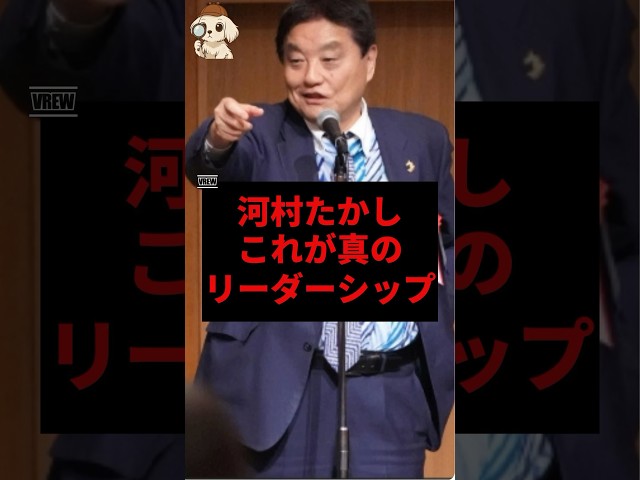
These words sharply point out the gap between politics and people’s everyday lives.
For example, while prices rise and households struggle, taxes and social insurance contributions keep increasing, yet members of parliament see little change in their salaries and allowances, which are not easily reduced despite debate and criticism.
This situation symbolizes how politicians feel little sense of burden compared to the efforts and hardships of workers and ordinary citizens.
Politics should exist to protect people’s lives, and trust begins when politicians first demonstrate fairness in their own actions and compensation.
This message underscores the importance of political responsibility and transparency, and of designing systems and pay from the public’s point of view.
If you lose to industry, misfortune will occur.

It shows that the economic strength of a country or region is directly linked to people’s lives.
For example, if the automobile or semiconductor industries lose out to other countries and decline, jobs decrease for workers, and salaries and take-home pay go down.
As a result, there’s less money available for child-rearing and education, local economies stagnate, and anxiety about daily life spreads.
Conversely, if we nurture industries and maintain competitiveness, employment rises, wages and consumption stabilize, and people’s lives feel more secure.
This idea not only highlights the importance of economic policy and industrial support, but also clearly conveys why politics and society should enhance industrial competitiveness to protect citizens’ livelihoods.
In short, the strength of industry and the richness of everyday life are closely connected.
[Takashi Kawamura] Distinctive turns of phrase and memorable quotes. Addictive words spoken in Nagoya dialect (11–20)
It’s a messed-up, rigged world where the people who pay taxes struggle while the ones living off taxes take it easy.

It sharply points out the unfairness of a society where the efforts of working people are not rewarded.
For example, when there are people who work hard every day, pay income taxes and social insurance premiums, and barely make ends meet, while others or certain organizations live easily through wasteful spending or privileged systems, the balance between effort and reward is undermined.
Politics and institutions should not belittle the sweat and hardship of working people, and they must be premised on taxes being used fairly.
This statement carries the message that the essence of politics is to build a fair and transparent society in order to protect citizens’ livelihoods and ways of working.
Before cutting costs, ban hereditary succession! Aristocratic politics, turning politics into a family business—this is no good, geez!
These words succinctly highlight the need to reassess how politics works from the perspective of ordinary citizens.
For example, when the number of “hereditary politicians” who inherit seats simply because their parents or relatives are politicians increases, it becomes harder for new perspectives and ideas to enter politics, leading to politics skewed toward certain families and power structures.
Rather than reducing the number of lawmakers, the priority should be to create a fair political environment where anyone can run.
This phrase clearly conveys the importance of institutional reforms that reflect the people’s voices and prevent politics from becoming a “business for the privileged class.” It carries the message that politics should serve the entire public, not a select few families or power holders.
It was a year of saying a big thank-you to all the citizens and to the gods and Buddhas.
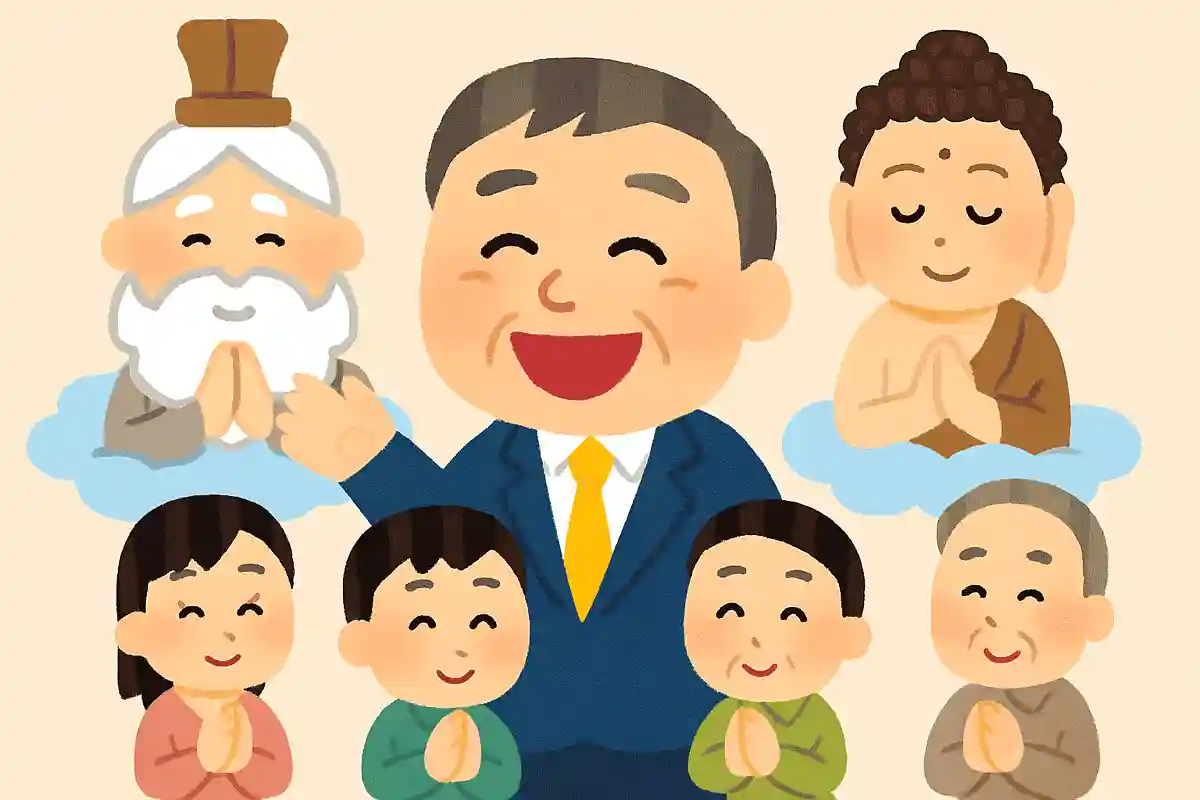
These words use humor to express gratitude and reflection on the past year.
For example, they can be used when looking back on a year of facing citizens directly through elections and policy activities, listening to voices at street speeches and consultation sessions, and tackling local issues.
Also, by joking that the help of “the gods and Buddha” played a part when there were successes or improvements, it conveys not only the importance of hard work but also of luck and support.
This phrase is a positive message for a politician reflecting on a year of activity while thanking citizens and those around them, and it also gives a sense of approachability.
It reminds us not to forget our gratitude and to carry that attitude into the next challenge.
The poison of the My Number system!

These words sharply point out the dangers of systems that affect personal information.
For example, if personal data centrally managed under the My Number system were leaked or misused by mistake, there would be a risk of abuse of bank accounts, taxes, and social security information.
In addition, the complex procedures and clerical work that accompany the introduction of such systems can place a burden on the elderly and those unfamiliar with information processes.
The expression “poison” warns of the dangers and potential for misuse lurking behind convenience.
These words suggest that not only those implementing the system, but also the citizens who use it, need to understand the risks and respond cautiously.
It is also a warning that, beyond convenience alone, perspectives that consider safety and fairness are indispensable in politics and society.