

Get Fired Up with Setsubun Quizzes! A Collection of Fun Questions to Enjoy with Kids


Here are some Setsubun quizzes perfect for enjoying with children.
They’re full of questions that will make everyone exclaim “What?!” like “What fish do ogres (oni) hate?” and “How many kinds of fillings go in an ehomaki?” While playing, kids can learn about Japanese traditional customs such as the origins of bean-throwing and the rules of ehomaki.
With various formats like true/false and multiple choice, they’re useful in many settings, such as Setsubun events or morning meetings.
Be sure to try them together with the kids!
- [Quiz] A Collection of Quizzes You Can Use in February Childcare
- [Childcare] Fun February Indoor Play Ideas That Work for Both Small and Large Groups
- [For Toddlers] Fun Trick Questions! Recommended Gotcha Riddles
- Fun Setsubun Activities for Childcare: A Collection of Exciting Games and Craft Ideas
- Have fun in childcare! Today’s recommended quizzes and riddles
- [For Preschoolers] Fun Riddle Collection
- Make childcare more fun with winter quizzes! Seasonal ideas to get kids excited
- [Childcare] Fun! Hinamatsuri (Girls’ Day) Quiz Roundup
- [For preschoolers] A collection of origami ideas to enjoy February, including Setsubun and Valentine’s Day
- [Childcare] I want to have fun with the kids! Sample Questions for a Me Quiz
- [For Preschoolers] Thinking Is Fun! Riddle Special
- [Riddles] Have Fun with Kindergarten Seniors! A Collection of Riddles
- [For Toddlers] Let’s All Give It a Try! Animal Quiz Special
Liven up Setsubun with a quiz! A collection of fun questions to enjoy with kids (21–30)
Which shrine is famous for the phrase “Good fortune in, demons in, devils out”?
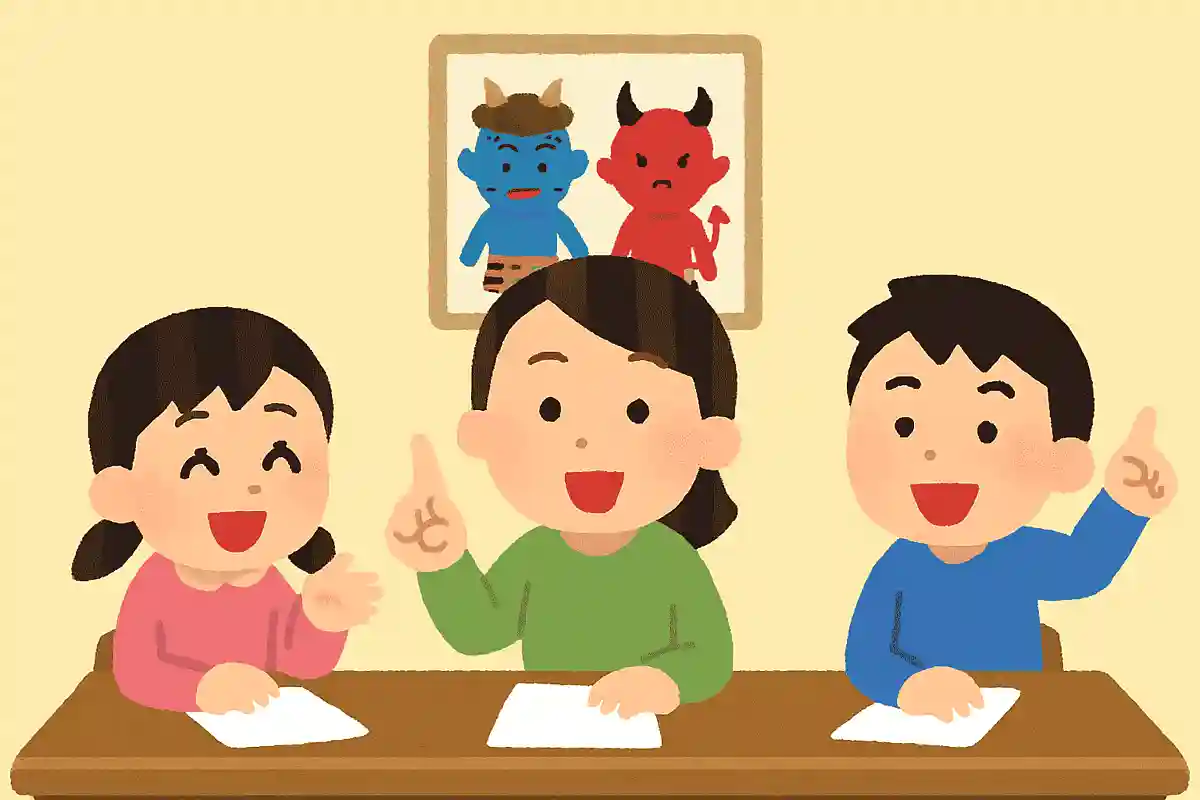
- Onigase Shrine
- Meiji Shrine
- Nikkō Tōshō-gū
See the answer
Onigase Shrine
The shrine famous for the chant “Good fortune in, demons in, devils out” is Onikijin Shrine in Saitama Prefecture. At this shrine, demons are not seen as evil but as protectors of everyone. That’s why they say “demons in,” honoring both demons and good fortune together. It’s a rare shrine where traditional beliefs still remain today.

In northern Japan, it is common to use things other than soybeans for bean-throwing. What are those things other than soybeans?
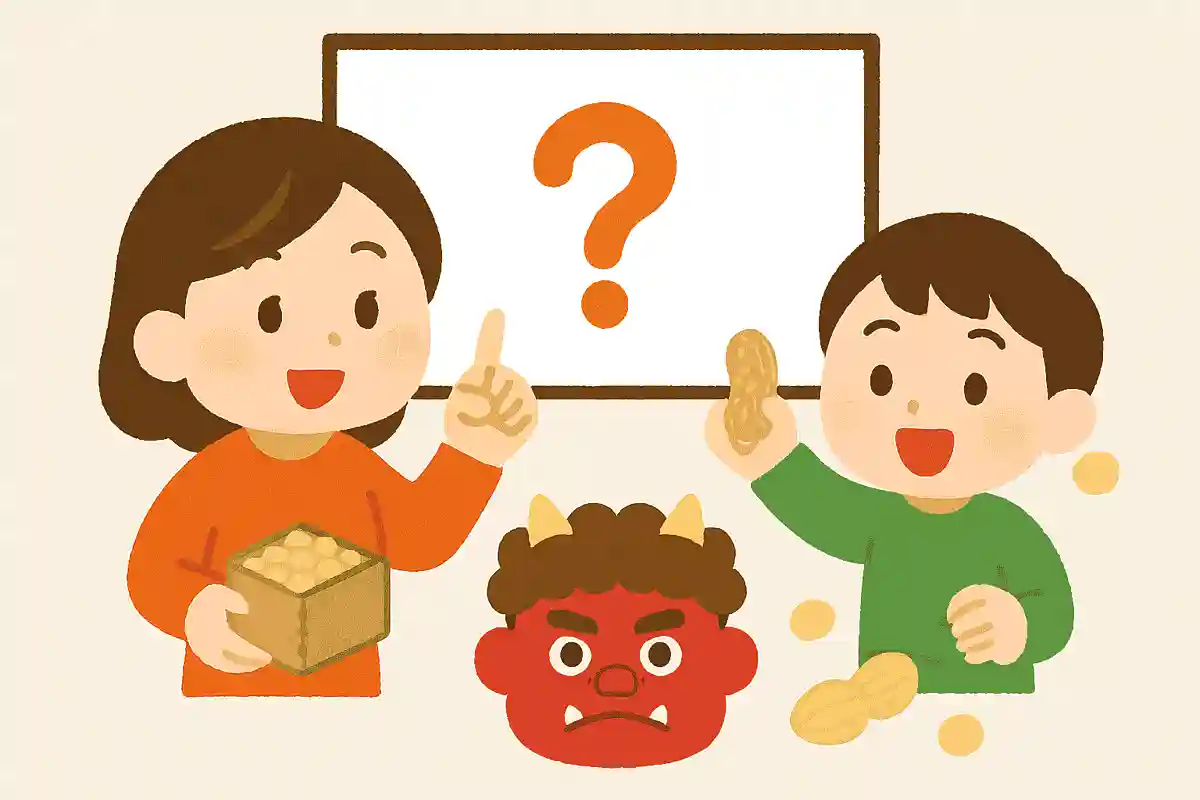
- walnut
- peanut
- Almond
See the answer
peanut
In northern Japan, people often use peanuts instead of soybeans for Setsubun bean-throwing. In snowy regions, peanuts are easier to pick up even when scattered on snow, and their shells help keep them from getting dirty. They’re also safer to eat and make cleanup easier. It’s a traditional wisdom adapted to the local climate.
Besides ehomaki, there is another food eaten to drive away demons’ misfortune and invite happiness. What is it?
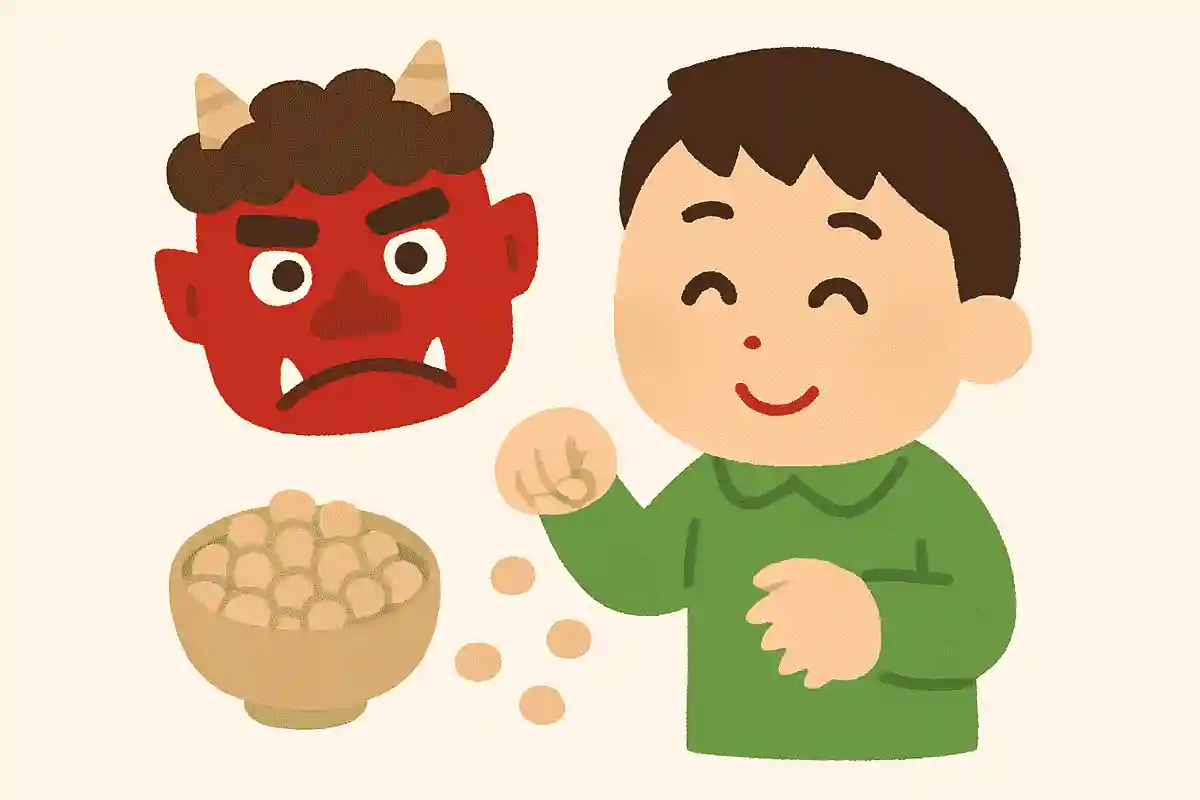
- daikon radish
- tofu
- udon
See the answer
tofu
The food eaten to drive away demons’ evil spirits and invite happiness is tofu. Tofu is white and pure, and people in the old days believed it cleansed the body. By eating tofu around Setsubun, they wished to ward off evil and live healthily and happily.
What proverb originates from a certain custom of Setsubun?
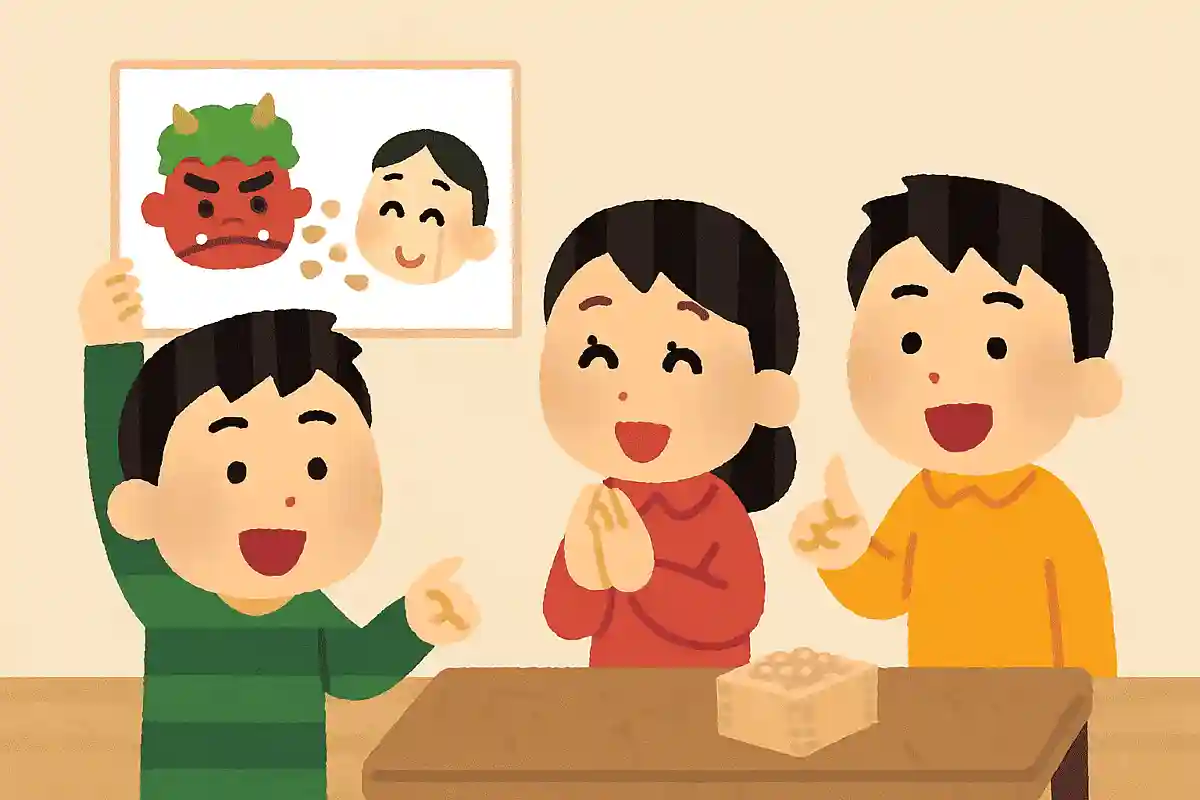
- Even demons shed tears.
- Even a sardine’s head is revered if worshiped (faith makes even trivial things sacred).
- Good fortune comes to a house with laughter.
See the answer
Even a sardine’s head is revered if worshiped (faith makes even trivial things sacred).
On Setsubun, sardine heads are skewered onto holly branches as amulets to ward off evil. People believed that by trusting in this custom, they could keep bad things away. The proverb expresses the power of faith with the idea that “even a sardine’s head is valuable if you believe,” emphasizing the importance of a believing heart.
Why are roasted beans used for bean-throwing during Setsubun?
- So that it won’t come back to haunt us later
- So that it can be eaten right after the bean-throwing (Setsubun)
- So that we can drive out demons with hard beans
See the answer
So that it won’t come back to haunt us later
Roasted soybeans are used for Setsubun bean-throwing so that they won’t sprout later. People in the past thought that if you threw raw beans, they might sprout afterward and bring more misfortune. Since roasted beans don’t sprout, it was believed they would thoroughly drive away demons and evil, allowing people to spend the year in peace.
When is Setsubun?

- February 3
- The day before the first day of spring
- February 4
See the answer
The day before the first day of spring
Risshun is the first day of spring, and in old Japan, the change of seasons was regarded as very important. Setsubun is the event held on the previous day to drive away bad things and welcome the new season with energy. Therefore, the date may shift slightly each year, but the rule that it falls on the day before Risshun does not change.
Around when did Setsubun start being observed in Japan?
- Asuka period
- Heian period
- Edo period
See the answer
Asuka period
Setsubun began to be observed in Japan around the Asuka period. The custom of driving away evil at seasonal turnings came from China and was adopted in Japan. Initially performed as a court ceremony, it spread among ordinary people by the Heian period and developed into the bean-throwing practice seen today.