

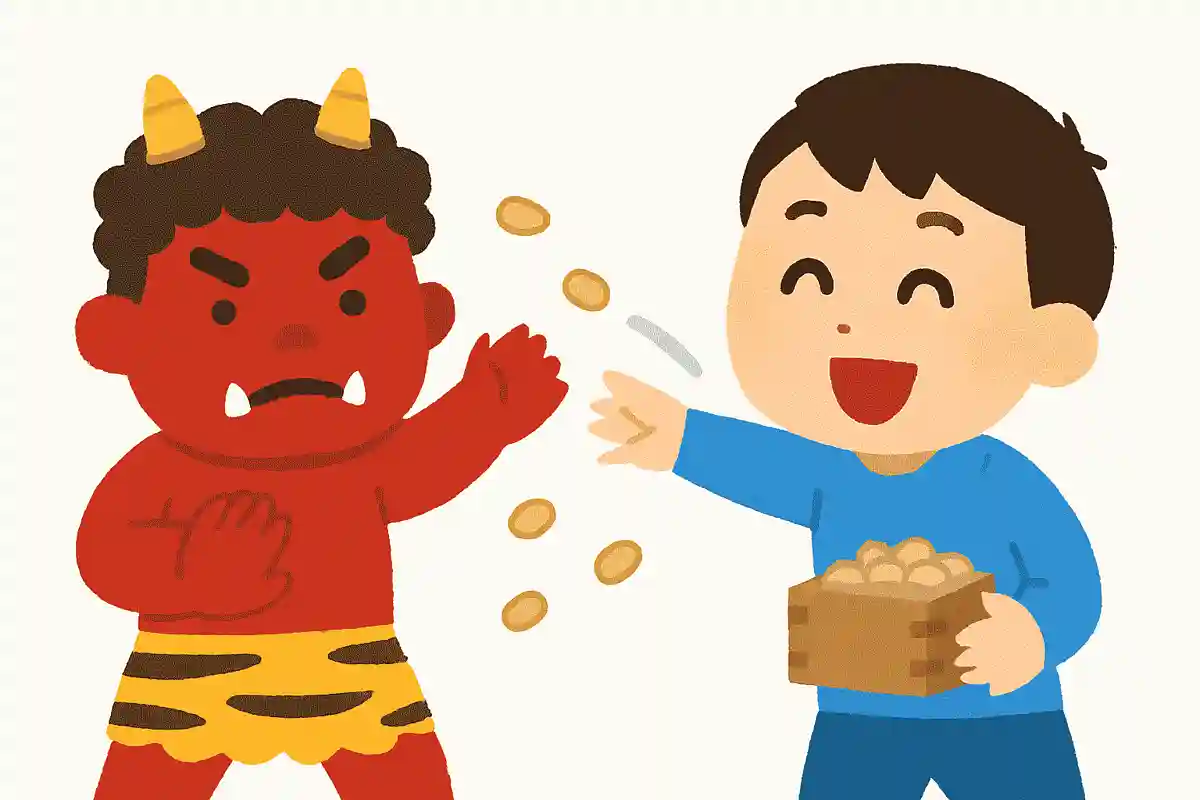


Here are some Setsubun quizzes perfect for enjoying with children.
They’re full of questions that will make everyone exclaim “What?!” like “What fish do ogres (oni) hate?” and “How many kinds of fillings go in an ehomaki?” While playing, kids can learn about Japanese traditional customs such as the origins of bean-throwing and the rules of ehomaki.
With various formats like true/false and multiple choice, they’re useful in many settings, such as Setsubun events or morning meetings.
Be sure to try them together with the kids!
- [Quiz] A Collection of Quizzes You Can Use in February Childcare
- [Childcare] Fun February Indoor Play Ideas That Work for Both Small and Large Groups
- [For Toddlers] Fun Trick Questions! Recommended Gotcha Riddles
- Fun Setsubun Activities for Childcare: A Collection of Exciting Games and Craft Ideas
- Have fun in childcare! Today’s recommended quizzes and riddles
- [For Preschoolers] Fun Riddle Collection
- Make childcare more fun with winter quizzes! Seasonal ideas to get kids excited
- [Childcare] Fun! Hinamatsuri (Girls’ Day) Quiz Roundup
- [For preschoolers] A collection of origami ideas to enjoy February, including Setsubun and Valentine’s Day
- [Childcare] I want to have fun with the kids! Sample Questions for a Me Quiz
- [For Preschoolers] Thinking Is Fun! Riddle Special
- [Riddles] Have Fun with Kindergarten Seniors! A Collection of Riddles
- [For Toddlers] Let’s All Give It a Try! Animal Quiz Special
Get hyped with Setsubun quizzes! A fun set of questions to enjoy with kids (1–10)
What do you throw while saying, “Demons out! Fortune in!”?
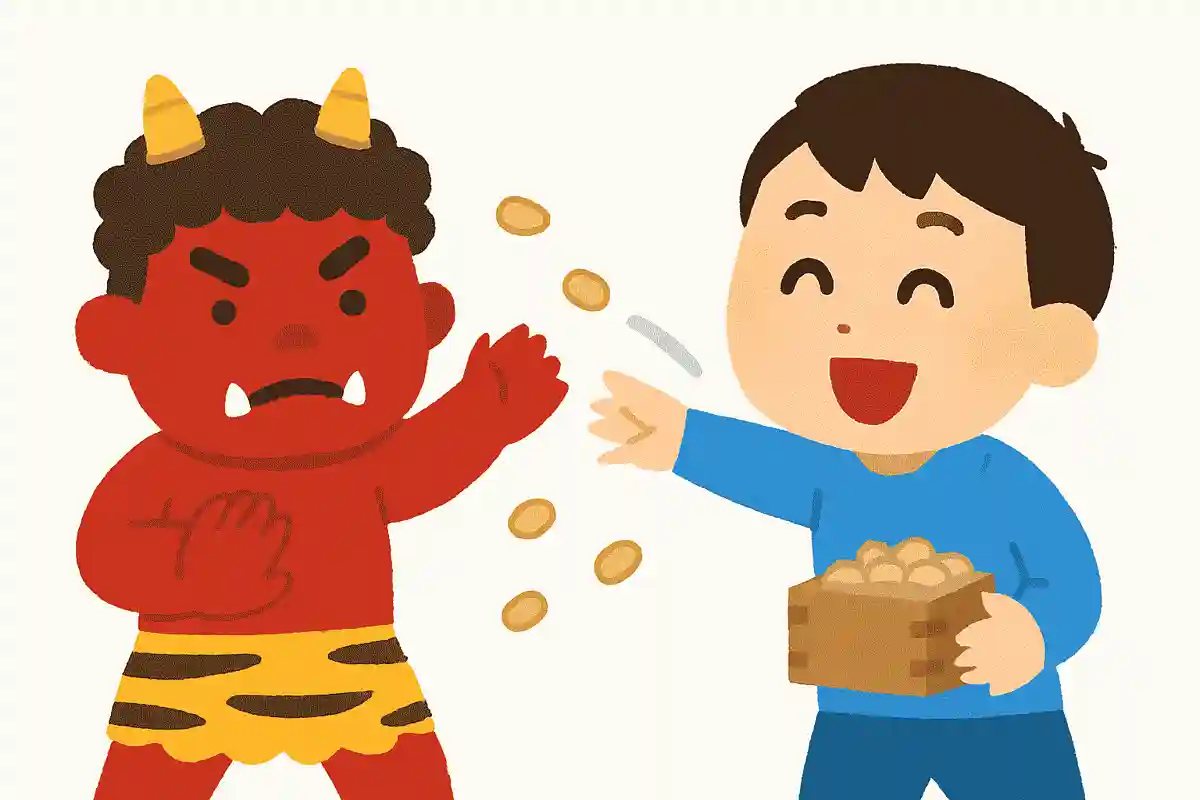
- bean
- rice
- potato
See the answer
bean
Beans are also called “mametsu” (demon-banishing) and are scattered to defeat the oni, which are considered ‘demons.’

When is the bean-throwing conducted?
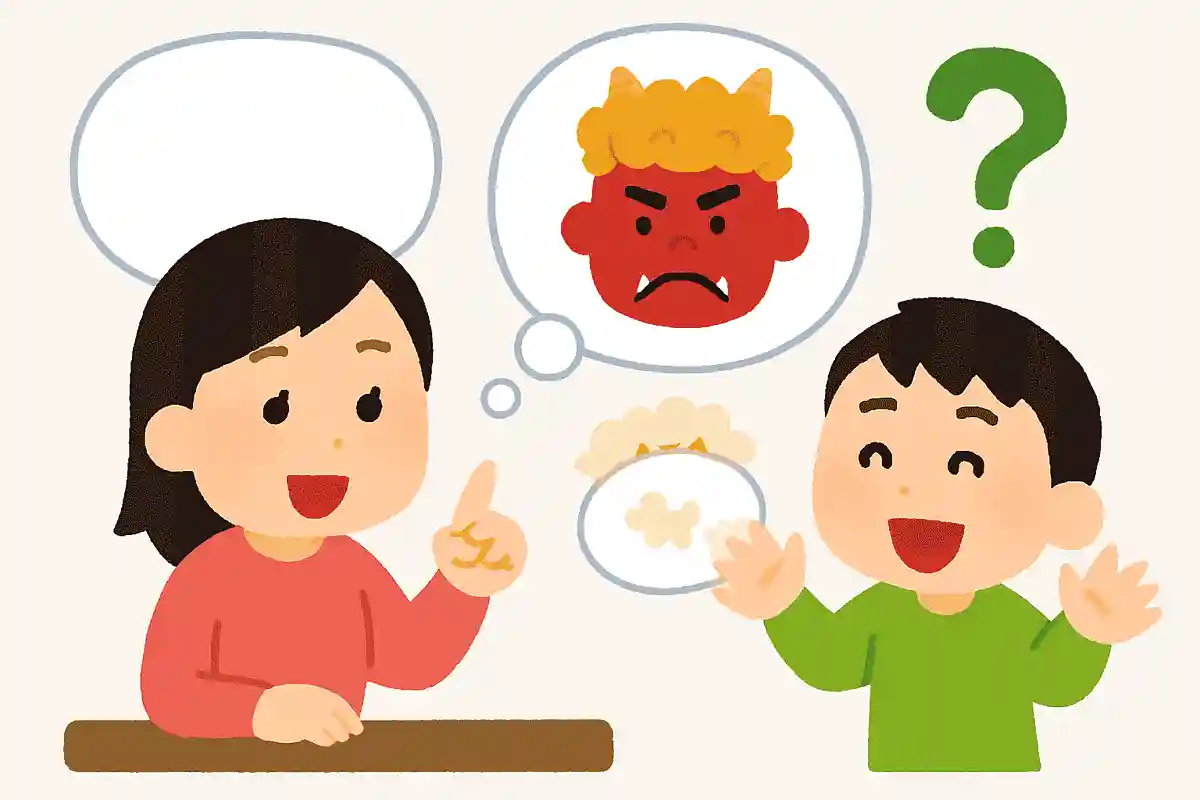
- morning
- noon
- night
See the answer
night
Since the oni (ogres) come at night, let's throw beans at night!
What are the rules when eating an ehōmaki (lucky direction sushi roll)?
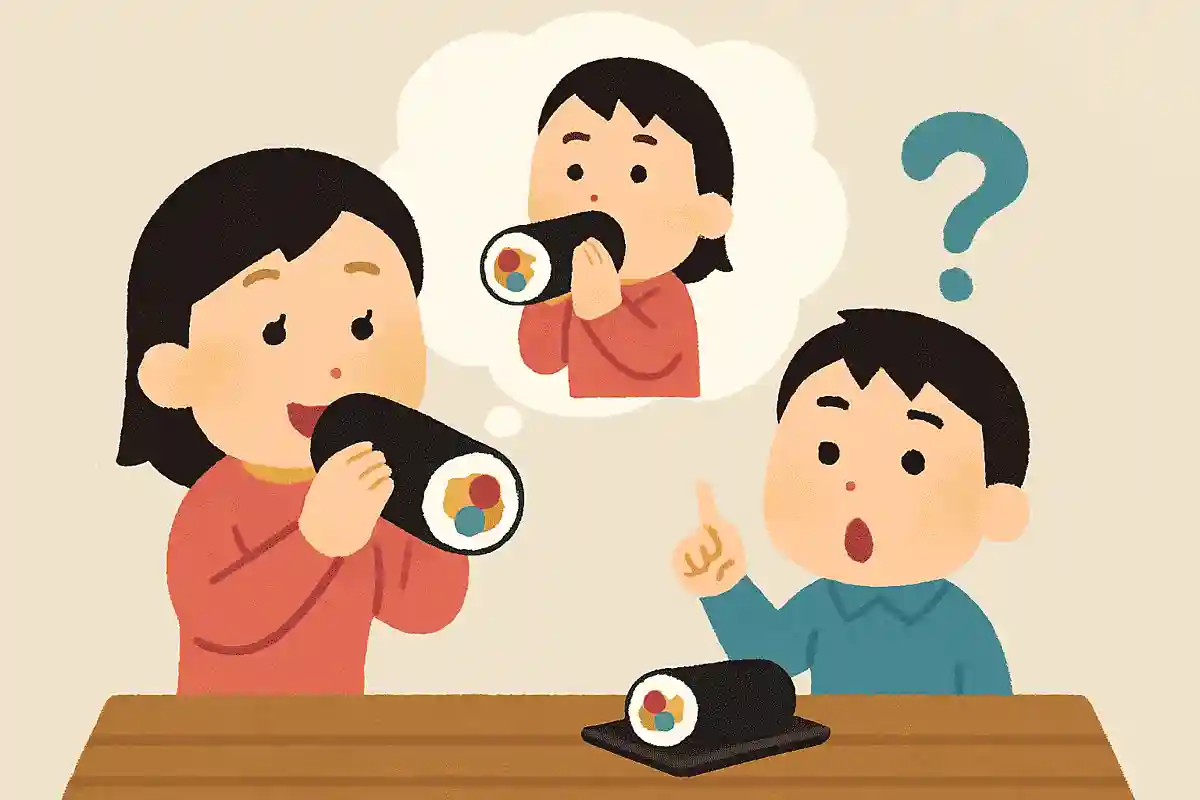
- Don't talk.
- Don't sit
- eat while chatting with someone
See the answer
Don't talk.
It’s said that if you eat one without speaking, your wish will come true.
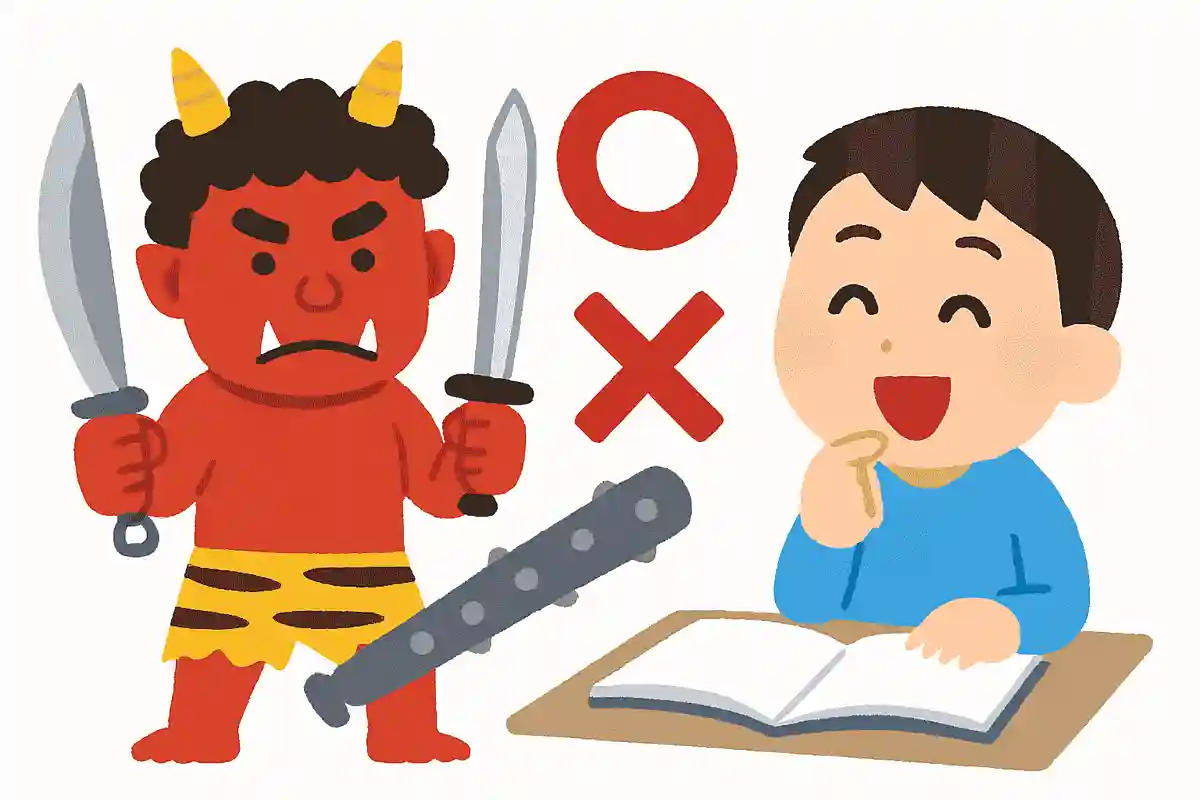
Do oni have no weapons other than a kanabō? True or false?
- ◯
- ×
See the answer
×
Depending on their color, they carry different weapons—for example, the red oni has a kanabō, the blue oni has a sasumata, and the black oni has an axe.
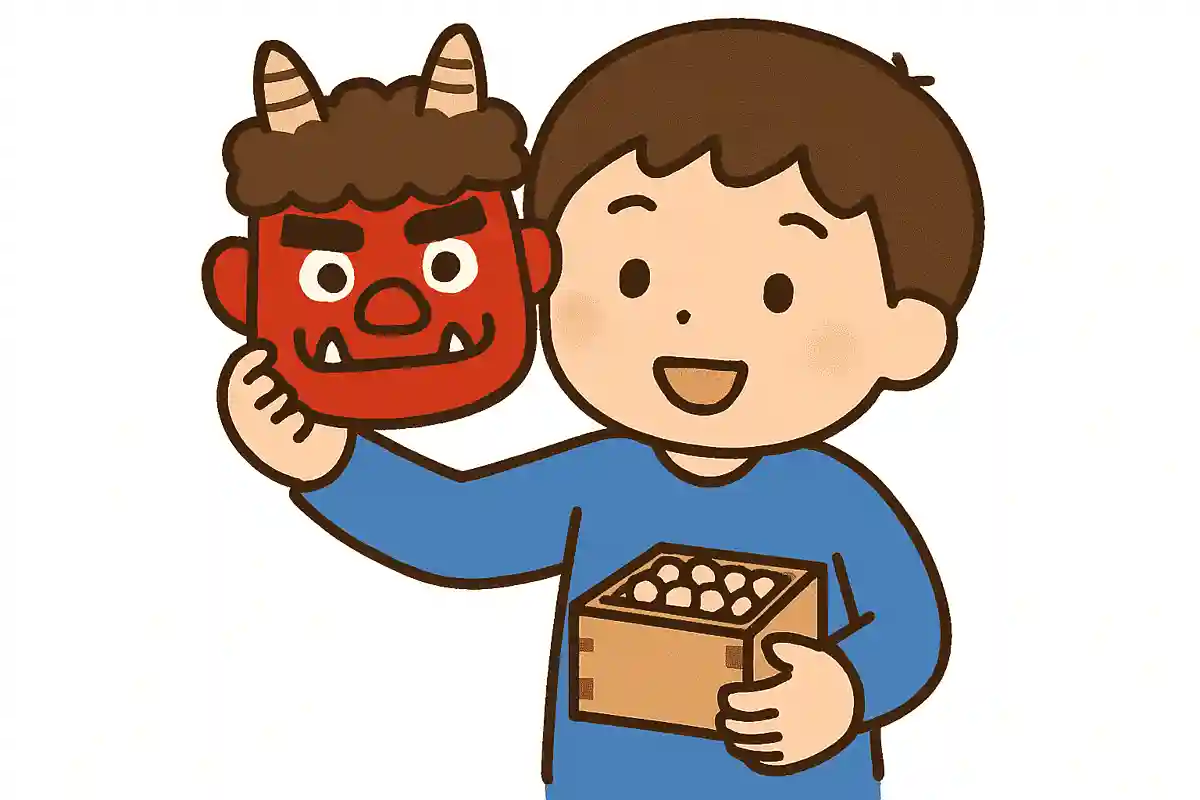
What should we do before throwing beans?
- Turn off the light.
- Open windows and doors
- wash hands
See the answer
Open windows and doors
To drive the oni out of the house, open the windows and doors. After scattering the beans, close both the windows and doors right away so the good fortune you invited in doesn’t escape.
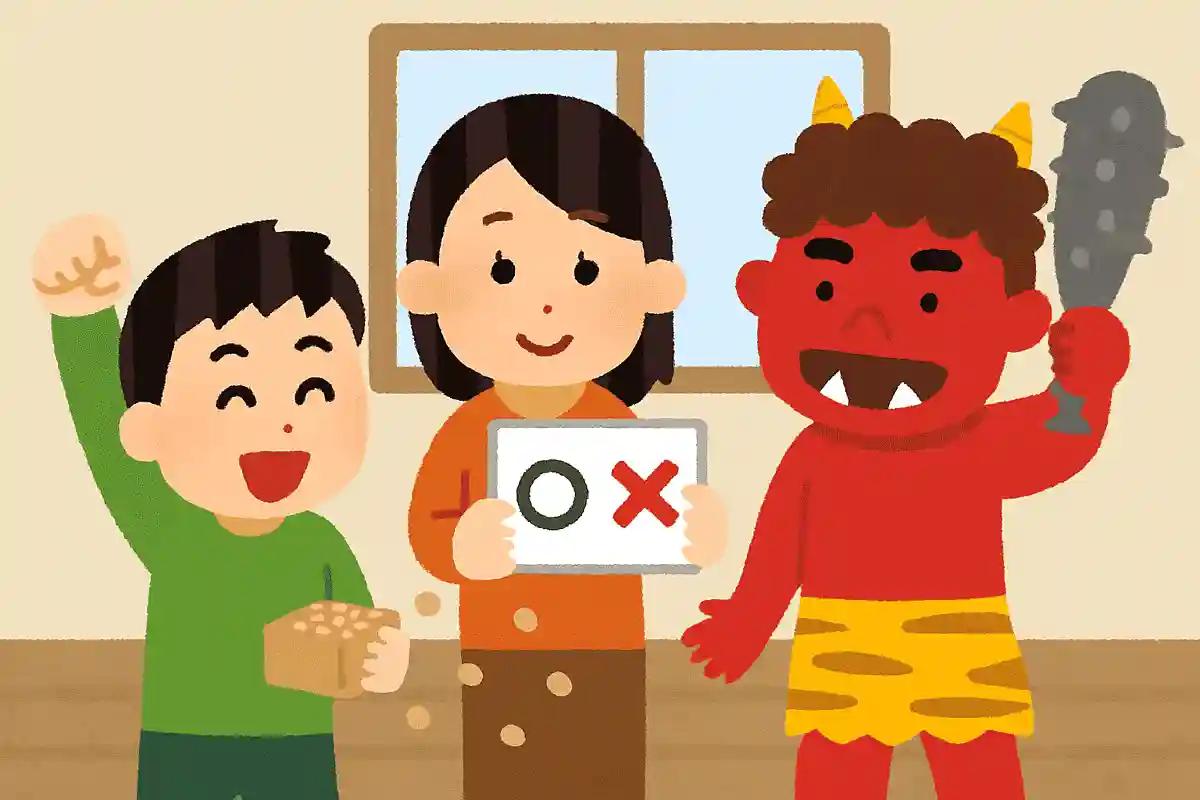
There are places where people say “Good fortune in! Demons in too!” when scattering beans. True or false?
- ◯
- ×
See the answer
◯
There are also regions where people say “Oni come in” for reasons such as inviting good oni into the home or encouraging oni who were driven out of other houses to change their ways.
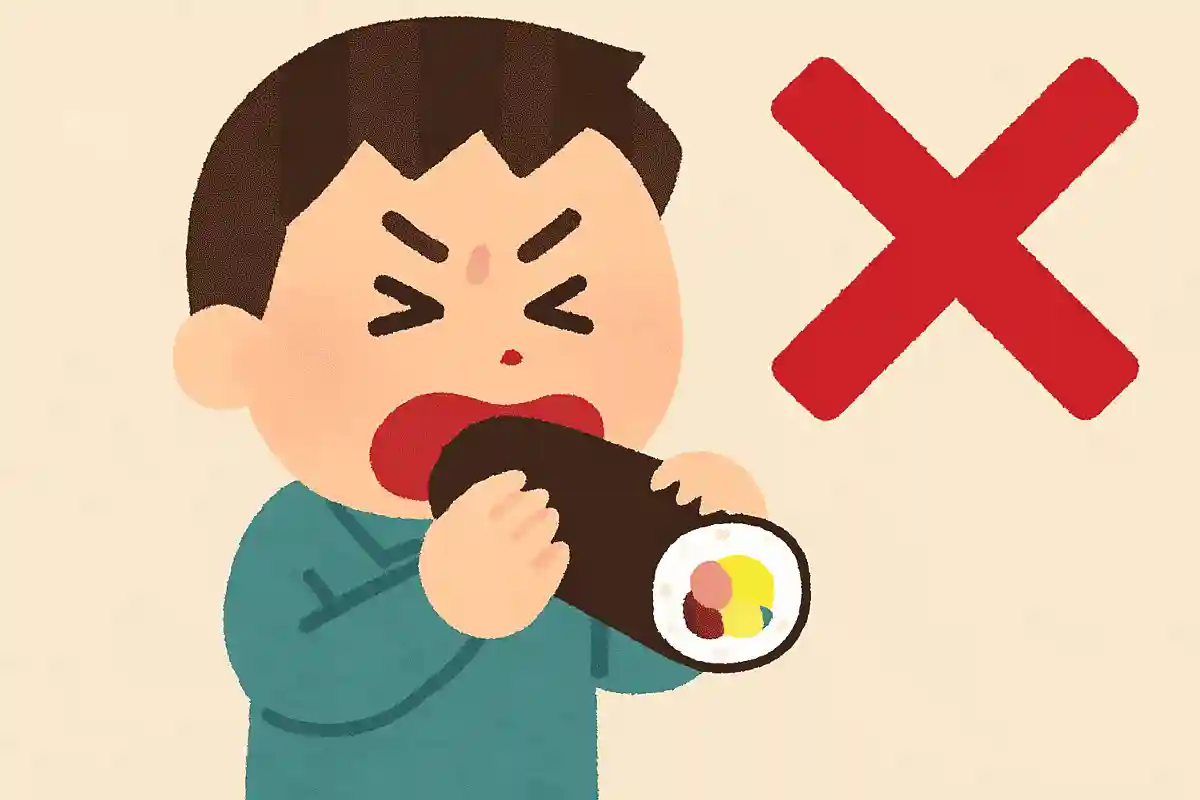
What should you not do when eating an ehomaki?
- yawn
- Conversation
- drink a drink
See the answer
Conversation
What you must not do when eating an ehomaki is talk. It is considered best to face that year’s “lucky direction,” make a wish in your heart, and eat the roll silently to the end. People believe that if you talk, your good fortune will escape. Even if you’re having fun, please hold off until you’ve finished eating.
