


Make childcare more fun with winter quizzes! Seasonal ideas to get kids excited


Many people are likely looking for quizzes that everyone can enjoy and that can be used in winter childcare settings.
With that in mind, we’ve created quizzes on seasonal, engaging topics such as Nanakusa-gayu (Seven-Herb Rice Porridge), Osechi New Year dishes, traditional New Year’s games, Setsubun festivities, and winter natural phenomena.
By featuring familiar subjects for children—like snow, winter foods, and cozy items—the quizzes naturally promote learning.
Through these quizzes, children can experience winter events and seasonal traditions, helping them feel the changing seasons and deepen their understanding of Japanese culture and customs.
Please consider incorporating them into your childcare activities.
Make childcare more fun with winter quizzes! Seasonal ideas to excite kids (1–10)
What is snow made of?

- ice
- sand
- paper
See the answer
ice
Snow forms when droplets of water in the sky get cold and freeze, turning into ice crystals. When many of them gather together, fluffy snow is created, and those small pieces of ice formed in the clouds fall all the way down to the ground. So snow is made of ice.

Which of the following vegetables are delicious when eaten in winter?
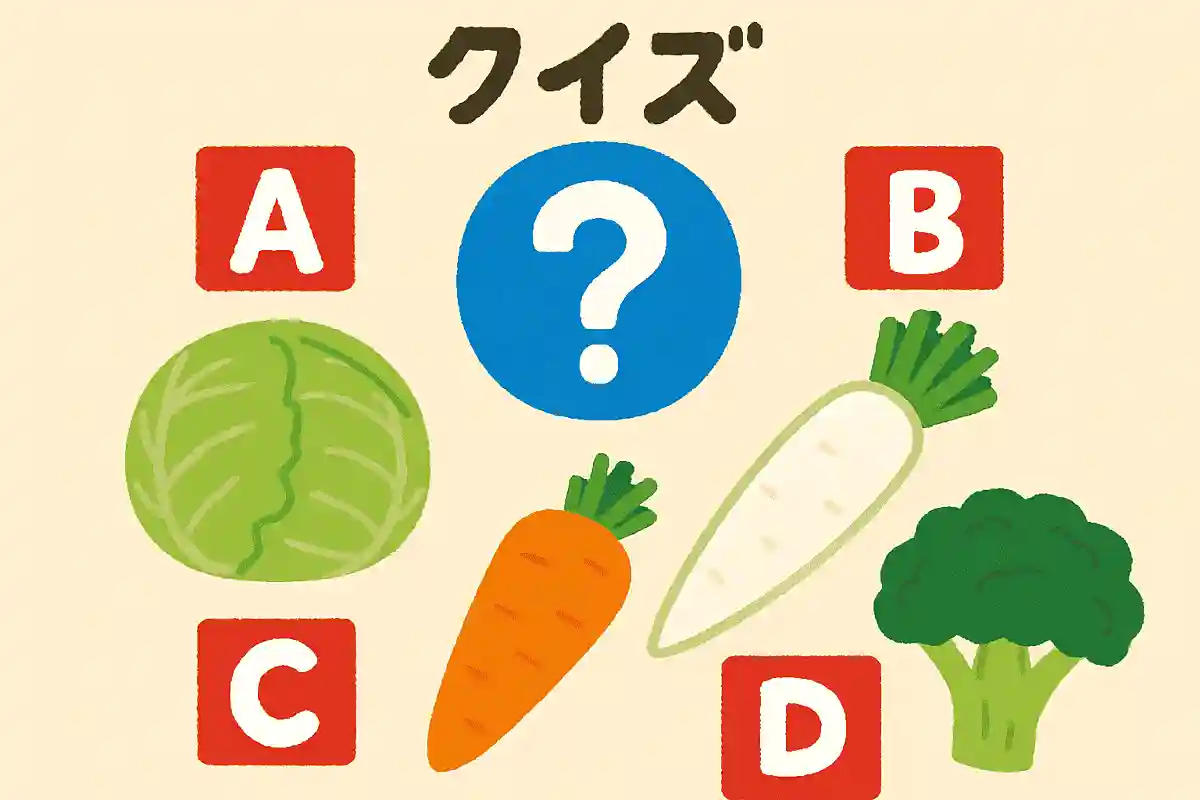
- tomato
- daikon
- watermelon
See the answer
daikon
You can buy daikon radishes at the supermarket all year round, right? But in winter, to protect themselves from the cold, they increase their sugars, which makes them sweeter, juicier, and more tender—and really delicious. By the way, in spring and summer, daikon are said to become spicier to protect themselves from pests.

What animal is the lion dance, which is often seen during the New Year, based on?
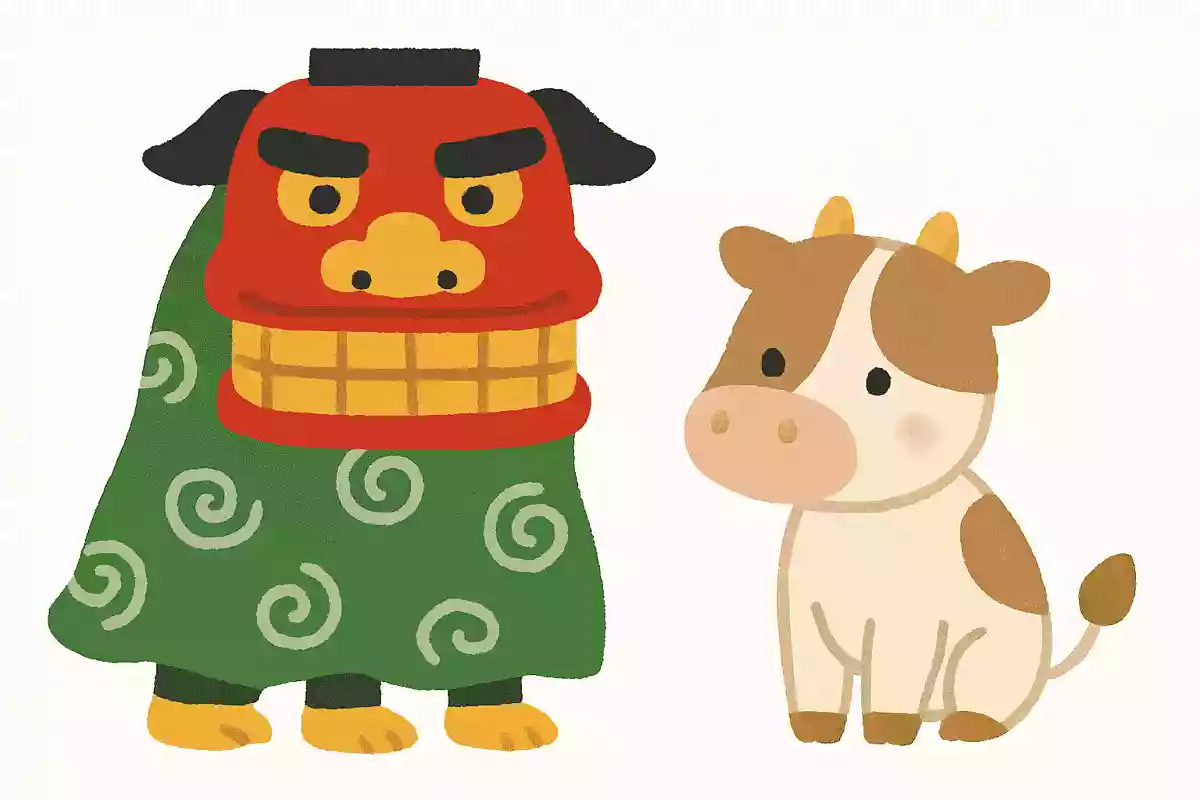
- cat
- Lion
- bear
See the answer
Lion
The slightly scary-looking shishimai (lion dance) is modeled after a lion. The word shishi means lion, and on auspicious occasions like New Year’s and festivals, performers wear a lion’s head costume and dance. It’s said that if the shishimai bites your head, it will eat away bad luck, so if you see one, be sure to let it bite your head.
Sea bream (tai) is considered an auspicious fish to eat during New Year’s, but why is it tai?

- Because I want to eat
- Because it's a cause for celebration.
- Because I want to feel excited
See the answer
Because it's a cause for celebration.
“Tai” (sea bream) and “medetai” (auspicious) form a pun. Because the fish can be eaten from head to tail, it also carries the meaning of accomplishing something from start to finish. I’ve heard that the custom of eating sea bream at New Year varies depending on the region and local traditions.
What fruit do you put in the bath in winter?
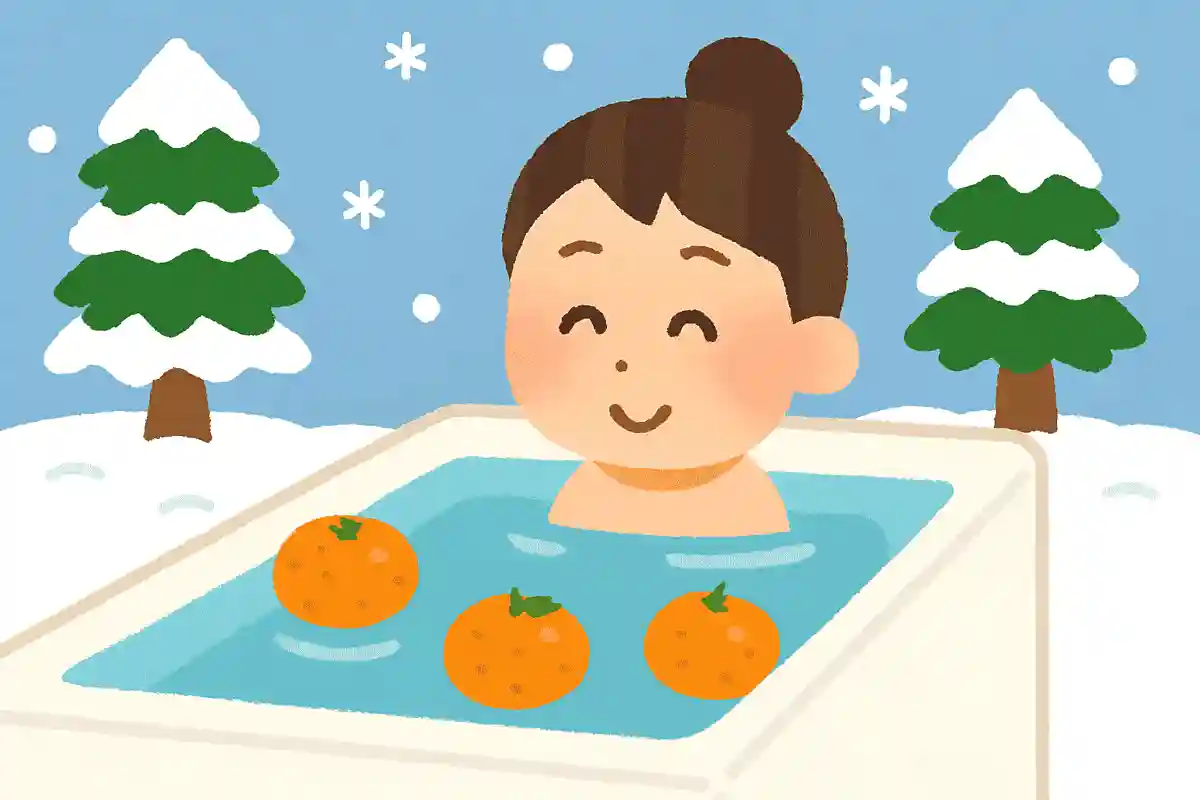
- Apple
- mandarin orange
- banana
See the answer
mandarin orange
On the winter solstice and other occasions, people sometimes enjoy taking baths with yuzu or mandarins, which are in the same citrus family. Mandarin peels have a pleasant fragrance, and adding them to the bath can have a relaxing effect. They are also sometimes used as decorations during the New Year.
What do you call a warm item made by putting a fluffy futon over a table?
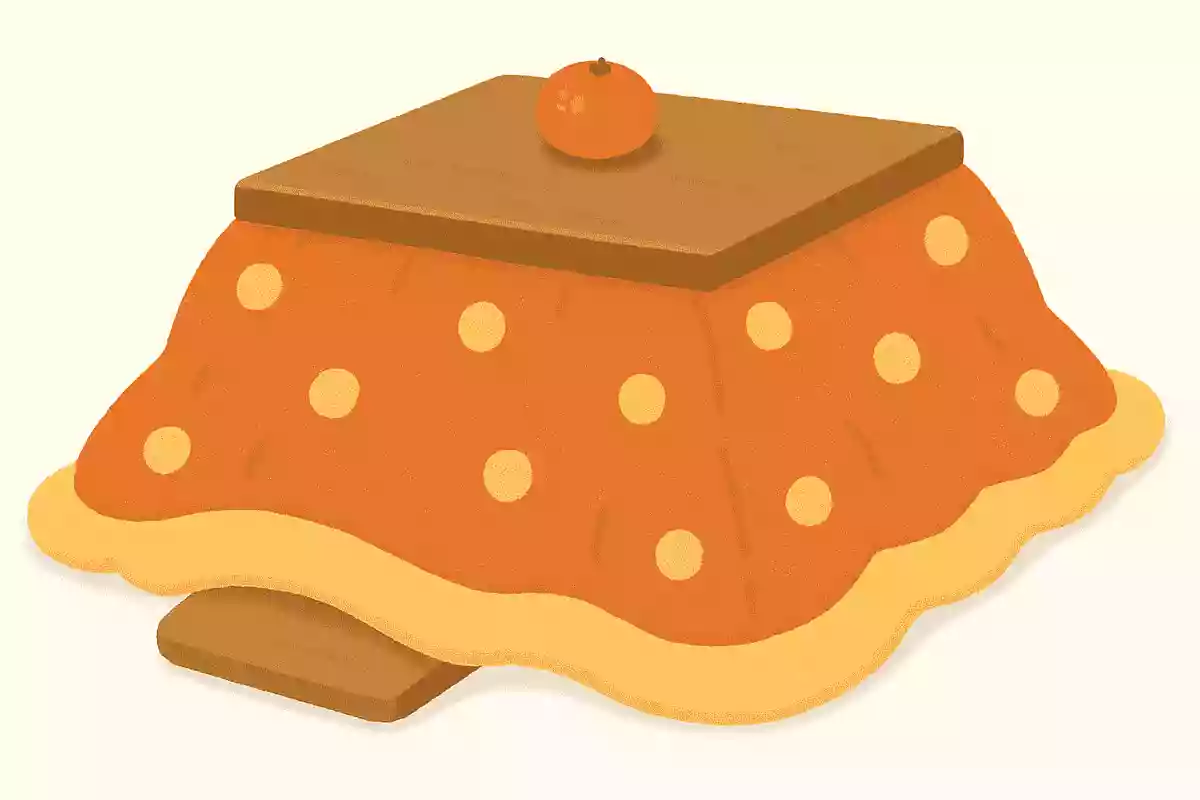
- disposable body warmer
- kotatsu
- futon
See the answer
kotatsu
I think many households use kotatsu, which are incredibly useful in winter. Gathering around the kotatsu to play or chat in a warm, cozy setting is truly wonderful. It feels so comfortable that you might be tempted to fall asleep there, but you could catch a cold—so please sleep in your bed instead!
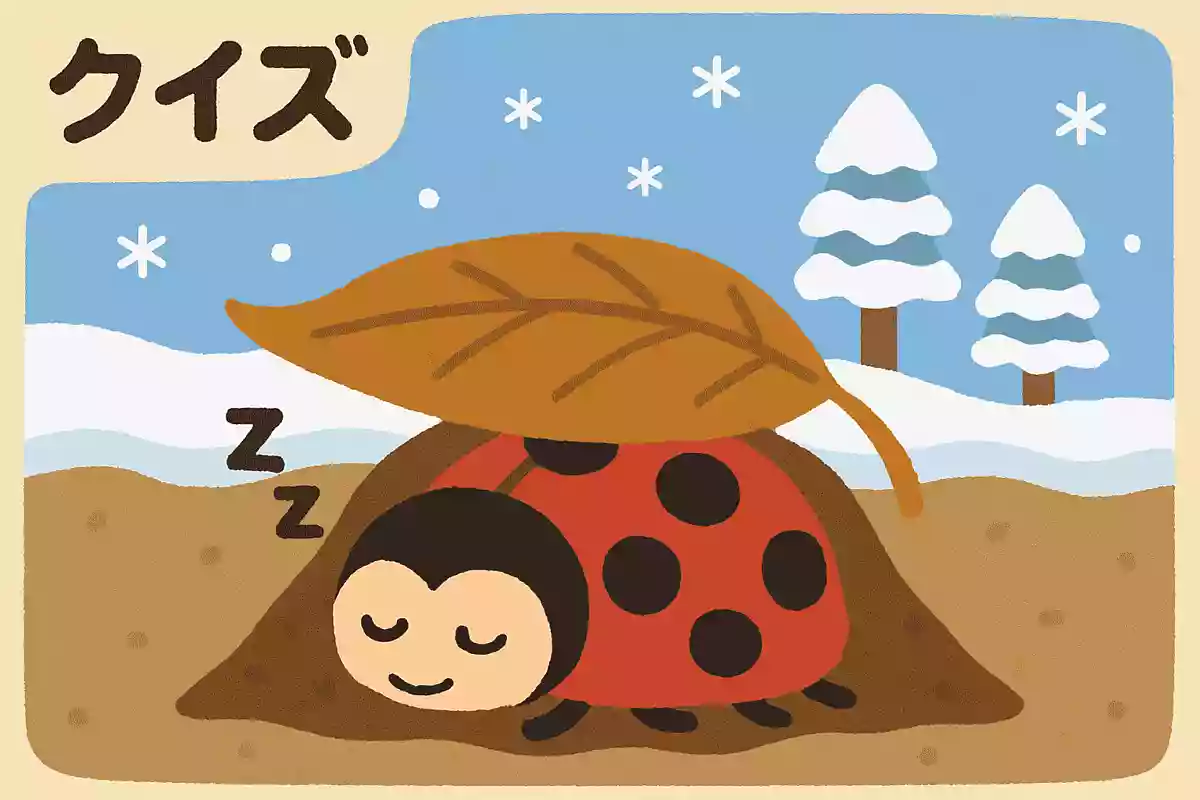
How do ladybugs that we often see in summer make it through the winter?
- Surviving the winter by darting about energetically just as in summer.
- Many ladybugs huddle together to get through the winter.
- Each and every one spends the winter in its favorite spot.
See the answer
Many ladybugs huddle together to get through the winter.
When observing cucumbers and other plants grown in summer, you may have noticed ladybugs. These ladybugs actually spend the cold winter huddled together in large groups. They cluster in sunlit spots or under fallen leaves where they can keep warm, waiting for spring to arrive.