


A collection of easy-to-sing Kobukuro songs: tracks that even those who aren’t confident singers can try

Kobukuro is a male vocal duo that has long remained at the forefront of the J-POP scene.
Their beautiful harmonies and melodies that resonate with the heart are truly captivating.
Many of their songs are extremely well-known, with several staples in karaoke as well.
In this article, we’ll introduce some of Kobukuro’s songs that are relatively easy to sing.
There are options that are approachable even for those who aren’t confident singers, so find a song that suits you and give it a try at your next karaoke session!
A roundup of easy-to-sing songs by Kobukuro. Tracks that even those who aren’t confident in singing can try (1–10)
the red threadKobukuro

“Akai Ito” is a track from Kobukuro’s indie days, included on their 2000 independent album “Root of my mind.” It’s characterized by its crystal-clear vocals and the duo’s intertwined harmonies.
The song has a relaxed feel, so you can sing it without worrying about the tempo.
However, if high keys are challenging for you, lowering the key by about two semitones makes it easier to sing and is recommended.
In 2008, Yui Aragaki—who appears in the music video—covered the song, so women should definitely give it a try too!

cherry blossomKobukuro

One of Kobukuro’s signature numbers, “Sakura,” is hugely popular as a cherry blossom song and is often sung at karaoke.
After their major-label debut, it was released as a single in 2005 and was also chosen as the theme song for the drama “Ns’ Aoi,” but it had already been included on their 2000 indie album “Root of my mind.” The melody is simple and easy to remember, and the tempo is relaxed, making it approachable even for those not used to singing.
The harmony line isn’t very difficult either, so it’s also recommended for two people to give harmonizing a try together!
budKobukuro
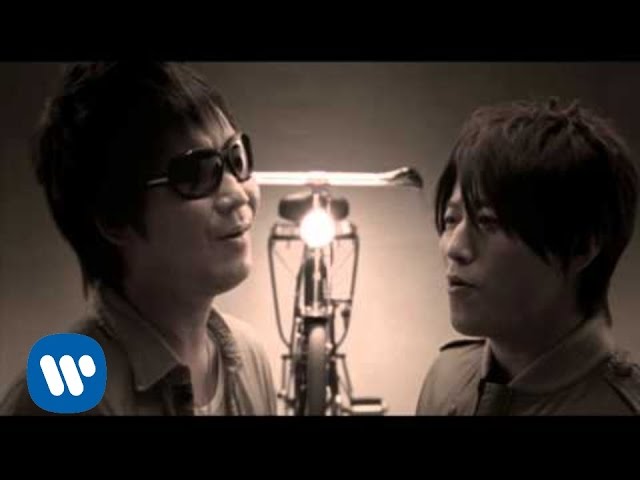
One of Kobukuro’s signature songs, Tsubomi, was written by Kentarō Obuchi in memory of his late mother.
Released in 2007, the song was used as the theme for the drama Tokyo Tower: Mom and Me, and Sometimes Dad.
Not only is it well-known and easy to remember, but its gentle, flowing pace also makes it comfortable to sing.
Because the melody has a fairly wide range, you should pay some attention to the key.
If your voice is on the lower side, try lowering the key a bit; if you’re good with higher keys, singing in the original key might be best.
Sing it with your heart, thinking of someone dear to you.
Ruts (Wadachi)Kobukuro

“Rut/Wadachi,” an up-tempo song that fills listeners with excitement, was released in 2001 and is also included on the indie-era album “Root of my mind.” Its lyrics encourage you when times are tough and give you strength to move forward toward tomorrow, offering real courage.
One reason it’s easy to sing is its catchy, easy-to-remember melody.
It also has a great groove and is fun to belt out together with people around you, so even those not used to karaoke can enjoy singing it with everyone!
O flowers now in full bloom,Kobukuro

Now, Blooming Flowers encourages the resolve to face your dreams and goals.
After being included on the 2013 album One Song From Two Hearts, it was also released as a single in 2014.
The song was used as NHK’s theme for the 2014 Sochi Olympics and Paralympics.
Although it’s in 6/8 time, which can be a bit tricky rhythmically, if you listen closely and lock into the groove, the flowing rhythm becomes easier to sing.
The key isn’t very high either, so it’s a great choice when you want to sing a Kobukuro song in the original key with a cool vibe.
Footsteps of TimeKobukuro

“Footsteps of Time” is a song that makes you feel the happiness of walking through each day with someone special.
Released in 2008, it was used as the theme song for the dramas “Oh! My Girl!!” and “Natsu Uta Drama SP: A Gift of Happiness.” Even those not accustomed to karaoke will find it easy to sing, as you can take your time and savor each word of the lyrics.
If the key feels a bit high, lowering it slightly will let you sing more comfortably while staying immersed in the song’s world.
Some parts of the rhythm may be a little tricky, but don’t worry—if you listen closely to the original track and practice without rushing, you’ll be fine!
YELL ~Yell~Kobukuro

The song “YELL ~Eru~” is a number that gently gives you a supportive push on the back when you’re taking an important first step.
Released in 2001 as a double A-side single together with “Bell,” it is Kobukuro’s major-label debut single.
Compared to other Kobukuro songs, the key isn’t that high, which makes it easier to sing.
The melody is easy to remember, and the calm tempo also contributes to its singability.
There are harmonies, but singing the main melody in unison adds extra power, so that’s recommended too!