

A classic song about Kumamoto. The enduring spirit of our hometown passed down through song.

Kumamoto, blessed with rich nature—the majestic mountains of Aso and the beautiful seas of Amakusa.
In this article, we introduce a selection of famous songs that convey its charm through music.
From the nostalgic “Antagata Dokosa,” to the adorable “Kumamoto Surprise!” by the local mascot Kumamon, and even “Aso no Koika,” imbued with hopes for recovery.
Why not lend an ear to these songs filled with the warmth of the Kumamoto dialect and a deep love for the homeland?
- Folk songs, children’s songs, and nursery rhymes of Kumamoto: the enduring spirit of our hometown passed down through song.
- [Songs of Kagoshima] The heart of our hometown carried on in song | A curated selection of classic tracks that embody Kagoshima
- [Local Songs] Recommended tracks packed with Japan’s nationwide classics and hometown pride
- A classic song about Miyazaki. A song filled with feelings for one’s hometown [2026]
- A famous song about Fukuoka. The heart of the hometown passed down through song.
- Bands, artists, and singers from Kumamoto Prefecture
- Songs in Hakata Dialect That Resonate With the Heart | A Complete Introduction to Local Hakata Songs and Fukuoka-Related Tunes
- Famous songs and local tunes that sing of Wakayama: melodies that carry on the spirit of our hometown.
- A classic song celebrating Oita. The enduring spirit of our hometown [2026]
- [2026] Masterpieces themed on Ehime: from local songs to municipal anthems
- Classic songs about Saga. A number of tracks related to Saga Prefecture.
- [Yamagata Songs] Beloved local tunes and classic tracks celebrating majestic nature and hometown pride
- [Deeply Moving] A Tear-Jerking Cheer Song: Popular Inspirational Anthems That Resonate with the Heart
A classic song about Kumamoto. The enduring spirit of our hometown, passed down through generations (41–50)
Unyielding FlowerSakura Iori
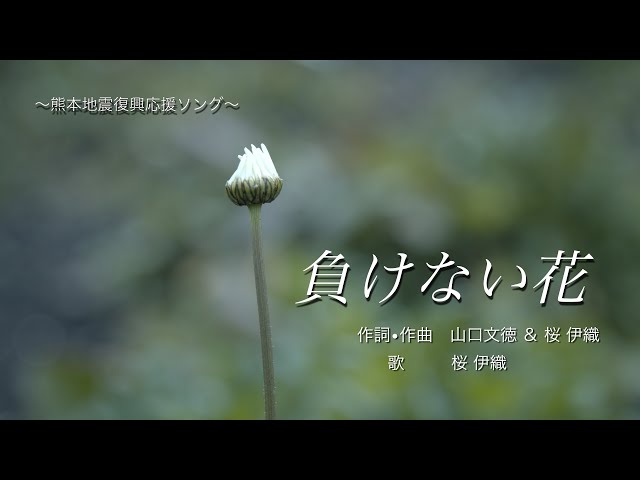
Blending the gentle tones of piano and acoustic guitar with Iori Sakura’s powerful yet warm vocals, this is an encouraging song that quietly supports the listener’s heart.
Words woven from Sakura’s own experiences sink deeply into the listener’s soul.
Created around 2016 with hopes for recovery from the Kumamoto earthquakes, the piece continues to uplift the people of Kumamoto, even being featured in the local radio program “RKK Radio Lift Me UP! Vol.9” in May 2023.
It’s a song that offers quiet encouragement when your heart feels close to breaking.
futureMoritaka Chisato

This is a song written and composed by Chisato Moritaka, imbued with a gentle gaze toward her hometown of Kumamoto.
Sung over a mellow melody are the bittersweet feelings that overlap with scenes of rain, and the hope for the future that lies beyond them.
Included as the B-side to the single “SWEET CANDY,” released in June 1997, the song was later chosen as the image song for the 1999 ‘Kumamoto Future National Sports Festival,’ becoming beloved by many.
When you reach a turning point in life and want to pause for a moment, or when you need the courage to take a new step forward, this song will give you a gentle push.
It resonates deeply, echoing the feelings you hold for your hometown.
Higo Bon SongIshikawa Sayuri

This is a passionate enka number sung by Sayuri Ishikawa, who was born in Kumamoto City, pouring her burning feelings for her hometown into every note.
Her overwhelming vocal prowess seizes listeners’ hearts and draws them instantly into the world of the song.
With lyrics by Hiroo Takada and music by Takashi Miki, it was released as a single in April 2008.
The coupling track features “Yanesen Kouta.” Whether you want to reflect on the spirit of Kumamoto’s landscape or experience a soul-stirring voice, this song is sure to sink deeply into your heart.
Kinyamonya

A cheerful children’s song that has been passed down in Kumamoto since long ago.
Its charm lies in the rhythmic, playful sounds that make speaking it aloud feel like a game in itself.
This piece has been lovingly handed down from generation to generation across the prefecture, starting with Kumamoto City.
In places where children gather and at local festivals, it has likely taken root in people’s hearts as a lively call that brightens the atmosphere.
Don’t overthink it—just surrender to the joy of the sounds and hum along, and a smile will naturally appear.
It’s a song that lets you feel the warm spirit of Kumamoto and the cheerful hearts of the people who live there.
Chiyu-chiyuke (Earth-stamping Song)

This piece makes you feel as if you’re parading through Kumamoto’s castle town—lively and full of fun.
The lyrics skillfully weave in the Kumamoto dialect, vividly depicting scenes from the region.
Accompanied by the timbre of the shamisen, you can sense the warmth and spirit of the local people and the vibrancy of their daily lives.
Cherished as a teaching piece for Nihon buyo (Japanese dance), it’s perfect for moments when you want to reflect on Kumamoto’s history and culture or when you’re in the mood for bright, uplifting traditional music.
Performed at a Japanese dance recital, it would surely envelop the entire venue in a festive atmosphere and bring smiles to the audience.