

Piano Pieces by Lully: Masterworks by a Composer Favored by the King of France

Jean-Baptiste Lully was a Baroque-era composer who wielded immense influence as the court musician to Louis XIV in the Kingdom of France, which once existed in Europe.
Though often described as lacking in humanity and notorious for his capricious behavior that earned him many enemies, he nevertheless left behind works across every genre—ballet, comédie-ballet, opera, and sacred music—making full use of his musical genius.
In this article, we have carefully selected and introduced works by Lully that are still beloved today in performances on the piano—a instrument that did not exist at the time they were composed.
- Chabrier’s Piano Pieces: Gemlike Masterworks Forged by the Esprit of French Music
- [Couperin’s Piano Works] Introducing Masterpieces Left by a Renowned Keyboard Virtuoso of the Baroque Era
- Baroque Music on the Piano: A Curated Selection of Masterpieces Perfect for Recitals and Concerts
- [Respighi’s Piano Works] A Curated Selection of Masterpieces by a Modern Italian Composer
- [Piano Variations] A comprehensive showcase of gem-like masterpieces crafted by great composers!
- [Contemporary Pieces] A curated selection of classical works that captivate with the piano’s mysterious resonance!
- Durand’s Piano Pieces: Masterworks by the Composer Behind Classic Recital Favorites
- [Mompou’s Piano Pieces] Introducing soothing masterpieces by a shy composer
- [Rameau’s Piano Pieces] A curated selection of harpsichord works by a Baroque master
- [Handel's Piano Pieces] A selection of famous works by the Baroque master
- [Fauré] Lower Difficulty! Recommended Piano Pieces by a Master of French Music
- Beginner to Intermediate: Recommended Bach Pieces You’ll Want to Play on Piano
- A comprehensive introduction to the piano works left by the ‘King of Music Drama,’ Richard Wagner!
[Lully’s Piano Pieces] Masterworks by a Royally Favored French Musician (1–10)
Passacaglia from the opera ‘Armide’Jean-Baptiste Lully

Armide, an opera by the French Baroque master Jean-Baptiste Lully, is one of his signature works.
Favored by the king and wielding great influence, Lully left behind compositions in a wide range of genres.
The Pasacaille from the opera is a magnificent piece in which music and dance harmonize beautifully around the themes of nature and love.
Despite its complex structure, its memorable, graceful melody showcases the allure of Baroque music.
Whether or not you have musical experience, you will likely be captivated by the work’s elegance.
Passacaglia from the opera ‘Persée’Jean-Baptiste Lully

Jean-Baptiste Lully, the court musician beloved by King Louis XIV of France.
Among the tragédies lyriques he composed, Perseus (Persée) is one of his finest masterpieces.
In this work, Lully’s innovative style is on full display, and through arias, choruses, and ballet music, the emotions of the characters and the scenes are depicted with great finesse.
The figure of Perseus battling Medusa to protect his beloved, and the dramatic plot where despair and hope intertwine—these elements shine throughout.
The many pieces steeped in the French Baroque style still captivate us today.
It is a work that every classical music lover should hear at least once.
Minuet in D minorJean-Baptiste Lully

Jean-Baptiste Lully, favored at court and hugely influential in French Baroque music, achieved great success with his comédie-ballets with the playwright Molière—known for works like Le Bourgeois gentilhomme—and with his operas in collaboration with Quinault.
This work, Minuet in D minor, exudes an elegant atmosphere and is a masterpiece that distills his allure.
Its gentle, refined rhythm conveys the dignity that is the very essence of Baroque music.
It’s a piece I especially recommend not only to classical music enthusiasts but also to anyone wishing to experience the world of the Baroque.
[Lully’s Piano Pieces] Masterworks by a Musician Favored by the King of France (11–20)
Minuet from the comic ballet ‘The Bourgeois Gentleman’Jean-Baptiste Lully

Jean-Baptiste Lully, who left a brilliant legacy in the Kingdom of France.
His life was full of upheaval, but his talent as a musician was universally acknowledged.
Among the works that fully showcase the splendor of Baroque music, the “Minuet” from the incidental music to the comédie-ballet Le Bourgeois gentilhomme is a particularly striking piece whose character vividly evokes the social dances of the time.
Through this piece, encountering Lully’s music will allow you to once again appreciate the beauty of Baroque music.
Te DeumJean-Baptiste Lully
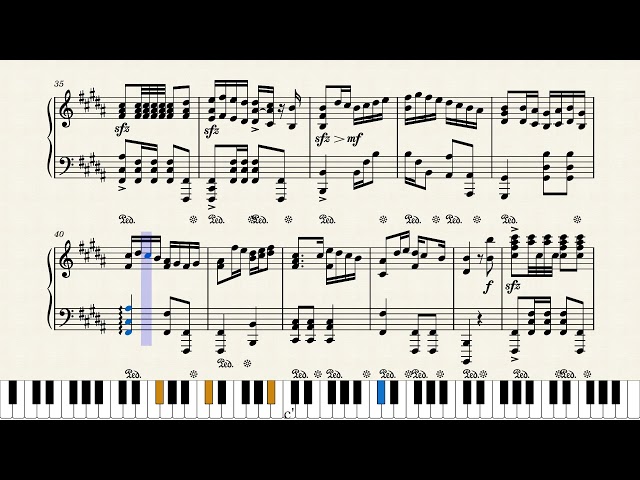
Jean-Baptiste Lully is a great composer who epitomizes the Baroque music scene of 17th-century France.
Although born in Italy, he was highly favored by Louis XIV as a court musician and left a wide range of works, including operas and ballet music.
His Te Deum is a masterpiece among masterpieces, frequently performed at royal celebrations.
Set to Latin lyrics praising and thanking God, the music—woven by a majestic chorus and orchestra—is nothing short of breathtaking.
Why not enjoy this work, which fully showcases the allure of Baroque music, in a piano performance as well?
Chaconne from the opera ‘Psyche’Jean-Baptiste Lully
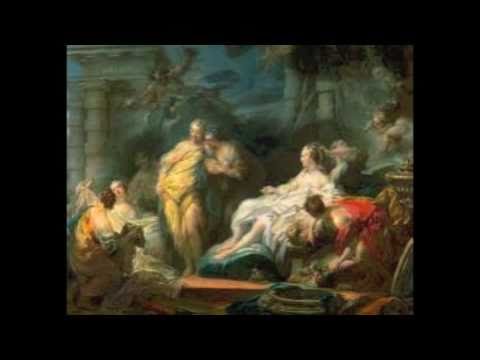
The Chaconne performed within the opera Psyché, created by Jean-Baptiste Lully—one of the leading composers of French Baroque music—is a piece that adorns an opera based on a tale from ancient Greek mythology.
Its elegant chaconne melodies intertwine with the epic story that depicts the trials endured before lovers are united.
Riding over a repeating bass line, the successive developments of Baroque style are overwhelming in their impact.
It is a captivating masterpiece that invites listeners into the world of myth—highly recommended for those who wish to revel in music that is as divine as it is beautiful.
In conclusion
Jean-Baptiste Lully, the Baroque master favored by Louis XIV who lived with great freedom. Piano arrangements of his works are not very widespread, but their noble and refined music has a purifying effect on both performer and listener. If you’re interested, why not try performing them yourself, using videos and organ scores as references?