

Durand’s Piano Pieces: Masterworks by the Composer Behind Classic Recital Favorites

Auguste Durand was born in Paris, France, in 1830 and was active as an organist and composer.
He is the founder of the publishing house Durand, which produced the sheet music editions known as the “Durand Edition,” beloved by musicians around the world.
More people may know him as “Mr.
Durand of the Durand Edition” than as a composer.
In this article, we’ll highlight two piano pieces composed by Durand himself.
We will introduce these pieces—well-loved staples of student recitals—along with the background of their composition and their distinctive features.
Durand’s Piano Pieces: Masterworks by the Composer Behind Classic Recital Favorites
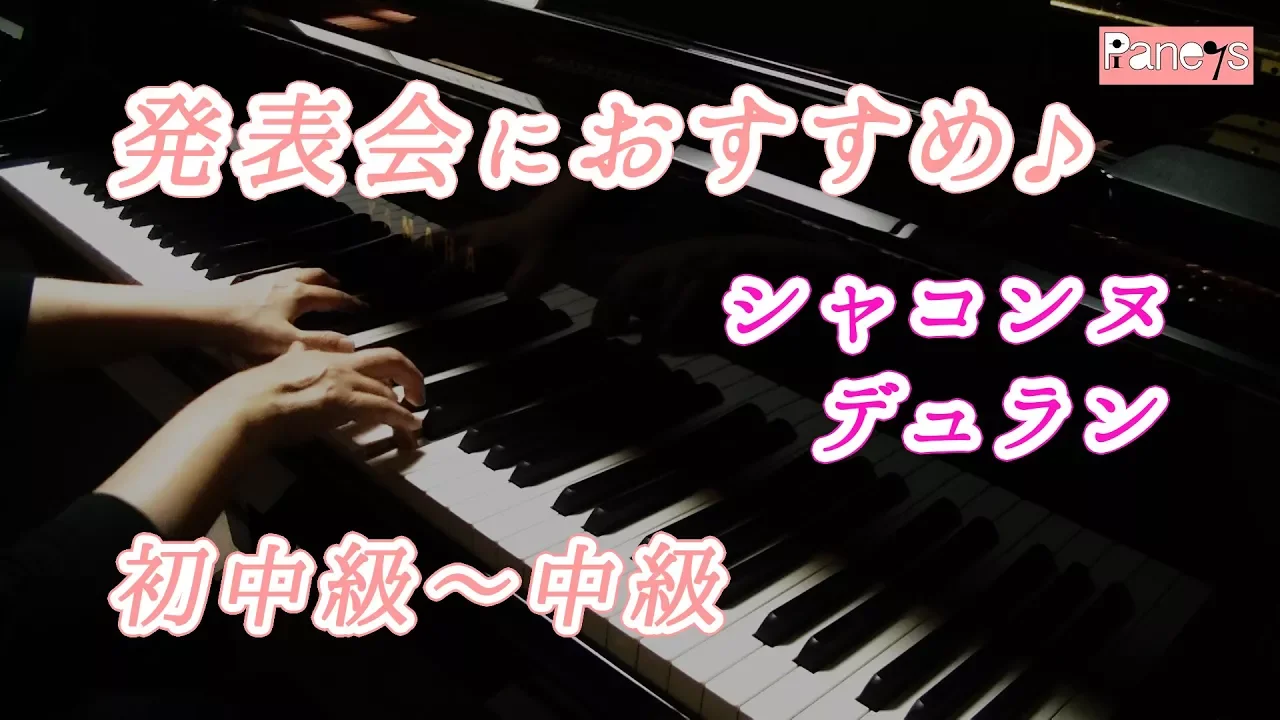
Chaconne in A minor, Op. 62Auguste Durand

A piece featuring a melancholy yet powerful melody by the French composer Durand.
It is said to be a type of dance in triple meter, but this particular piece is in duple time.
The overall finger movement is fairly limited, so I think even beginners can handle it well—making it a great choice for a child’s recital.
The main melody hinges on the left hand’s staccato, so try to play it lightly! In the minor key, the beautiful swelling of the melody will naturally set your fingers in motion when you play with feeling.

Waltz No. 1 in E-flat major, Op. 83Auguste Durand

This dazzling waltz by the French composer Durand is also very popular as a recital piece! After the opening, with a flurry of fine notes that seem to depict shimmering light, the mood shifts from an elegant yet powerful atmosphere to a suddenly melancholic air, before the bright music returns.
In the sumptuous finale, play through to the end with a brilliant, penetrating tone without letting the tension slacken.
Although the piece contains many repetitions, it lends itself well to contrasts of tempo and character, so it keeps listeners engaged and makes for a highly effective, stage-ready showpiece.

In conclusion
Although Auguste Durand left relatively few works as a composer, his pieces have transcended time and are cherished as staples of piano recitals. When you hear his two beautiful piano pieces, you can’t help but wish there were more of Durand’s piano works to listen to. If you haven’t yet explored his music, why not take this opportunity to try performing one of his pieces?