

Spring Event Quiz for Seniors to Enjoy in March

March is full of events like Hinamatsuri (Girls’ Day), White Day, and the equinoctial week, making it a season that excites us as we eagerly await the arrival of spring.
In this article, we introduce quizzes for seniors to enjoy in March!
We’ve gathered topics such as customs of Hinamatsuri and types of flowers and plants unique to spring.
These quizzes let you delve deeper into familiar things you thought you already knew, making them perfect for group fun.
Try enjoying these quizzes at nursing care facilities like day service centers or at home.
- [For Seniors] Introducing March Trivia!
- [For Seniors] Fun and Lively! Recommended Quiz Questions
- [For Seniors] Hina Matsuri (Girls’ Day) Trivia Quiz & Fun Facts. Recommended for Dementia Prevention Activities
- [For Seniors] Challenging but Exciting! Kanji Quiz
- [For Seniors] Haiku for March: Enjoying a Spring Moment with Famous Verses
- [For Seniors] Fun for Everyone! A Quiz about Hinamatsuri (Girls' Day)
- [For Seniors] Spring-themed quizzes: Fun trivia questions that help prevent dementia while you solve them
- [March Health Topic] Introducing Recreational Activities for Seniors!
- [For Seniors] Lively Wordplay Game: Fun Recreation for Elderly Care
- [For Seniors] Making a March Calendar: Introducing Spring-Themed Motifs and Arrangements
- [For Seniors] Spring Haiku. Spring Activity
- [For Seniors] March-Themed Event Activities
- [For Seniors] Never Run Out of Conversation Starters! A Collection of Fun Facts About April and Spring
[For Seniors] Spring Event Quiz to Enjoy in March (21–30)
Sakura Quiz

When it comes to flowers that symbolize spring, cherry blossoms are the first that come to mind—their beauty evokes a sense of Japanese tradition.
This content invites you to take on a quiz about cherry blossoms, which are strongly associated with the image of spring in Japan, to deepen your interest in the season even further.
In Japan, cherry blossoms are used as motifs in many places, so a wide range of quiz genres seems possible.
By deepening your knowledge about cherry blossoms, you’ll also feel more inspired to go outside and see them in bloom.

Quiz in a spring field

Because plants grow differently depending on the season, there are of course vegetables that thrive in spring.
This is a quiz where we show photos of such springtime vegetables and have participants guess the name of each vegetable.
As more and more types of produce are available in supermarkets year-round, this can also prompt the realization that certain vegetables are actually in season in spring.
If the answer becomes too obvious just by seeing the vegetable itself, another recommended approach is to use photos of the flowers before the vegetables have formed and have participants guess from those.
Fill-in-the-blank karaoke

Fill-in-the-blank karaoke sounds like a wonderful recreation to enjoy in spring.
Using images of cherry blossom petals and spring flowers will create a strong seasonal feel.
It also seems like a fun way for seniors to train their brains.
If you choose nostalgic popular songs, people can sing while reminiscing about the past.
For example, how about Hibari Misora’s “Like the Flow of the River”? Since you sing while looking at the images, it’s okay even if you forget the lyrics.
If everyone raises their voices together, it will surely become a springtime moment full of smiles.
Hina-arare is made by crushing hishi-mochi.
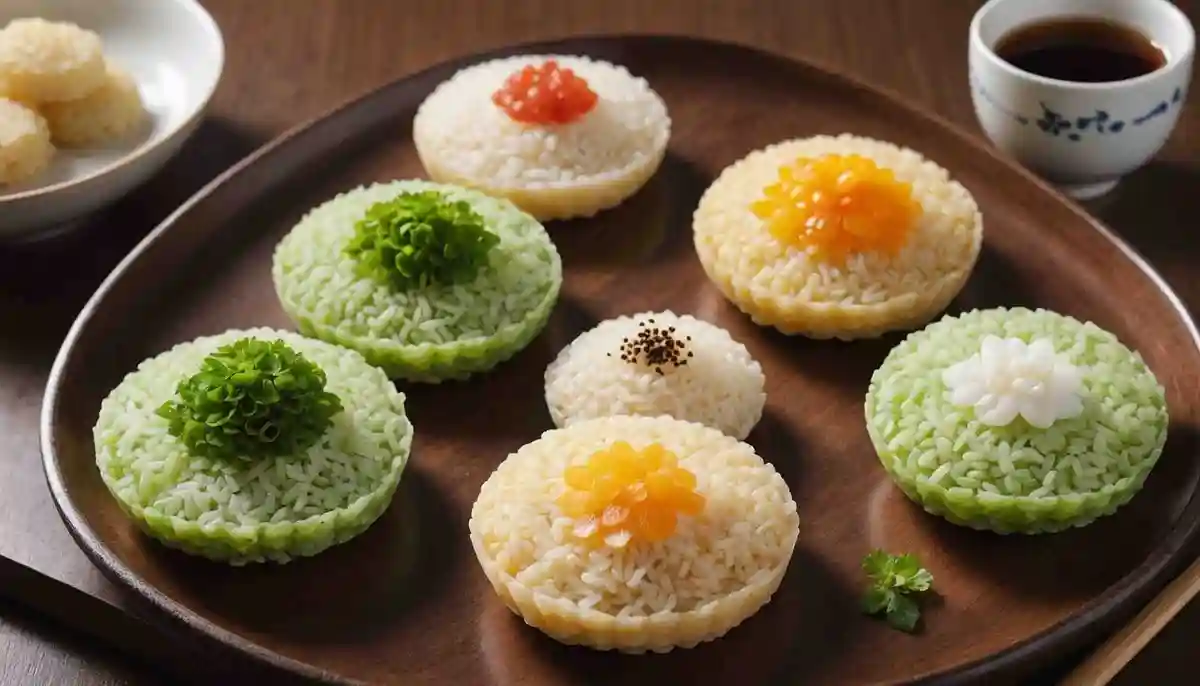
In March, during the Peach Festival (Hinamatsuri), many places likely display Hina dolls and hold events.
For Hinamatsuri, the dolls are sometimes displayed together with hina-arare (sweet rice puffs) and hishi-mochi (diamond-shaped rice cakes).
There are various reasons for displaying them together, but a prominent theory says that hina-arare originated from crushing hishi-mochi.
This is closely connected to an Edo-period custom called hina no kunimise.
In hina no kunimise, people would take the Hina dolls outdoors—to fields, hills, or riverbanks—and enjoy the spring scenery with them.
They are said to have brought along crushed hishi-mochi at that time, which became the origin of hina-arare.
Indeed, the colors of hishi-mochi and hina-arare are similar, aren’t they?

Spring cabbage refers to cabbage that was sown in autumn.
Neoruby SP, Suzusora, Ayari, Okina SP—do you know what they refer to? The answer is cabbage.
If you’ve always thought “Aren’t all cabbages the same?”, try looking them up and check out their colors and shapes.
What we commonly call “spring cabbage” actually refers to cabbage sown in autumn and grown over the winter.
Instead of a vivid green, it tends to be more yellowish-green, and its leaves are tender.
Stir-fry it with ham and cheese and it becomes a main-worthy side dish.
It’s also delicious raw with dressing!
Not only the first spring storm exists, but there are also the second and third.

Personally, I have the impression that strong gusts often blow in spring—how about you? The so-called “haru-ichiban” is something I vaguely think of as “a strong wind that blows in spring,” but borrowing the Japan Meteorological Agency’s wording, it’s defined as “a warm, somewhat strong southerly wind observed over a wide area between the beginning of spring (Risshun) and the spring equinox.” In fact, this haru-ichiban is sometimes followed by what people call haru-niban, haru-sanban, and so on.
However, these aren’t official JMA terms; they’re more at the level of expressions used on news programs.
I mean, if someone said “haru-gojuuban (spring number 50),” you’d be like… really?
Tokyo’s cherry blossom opening is declared based on the blossoms at Yasukuni Shrine.
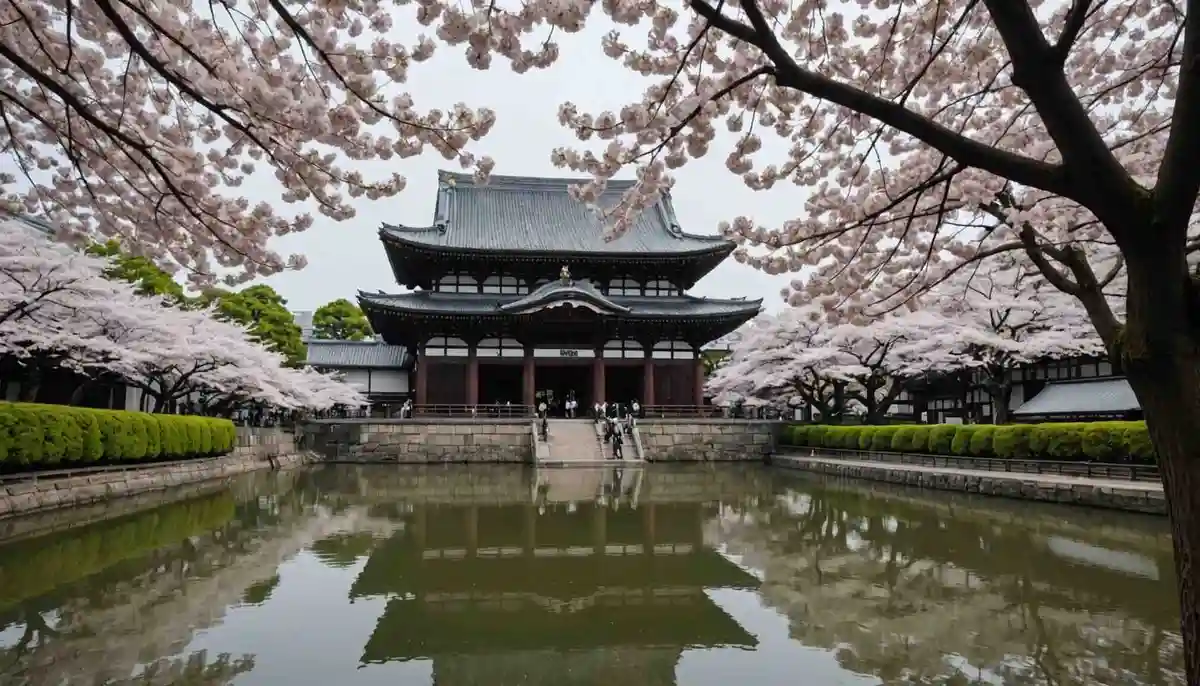
When you think of spring, what’s the first thing that comes to mind? Graduation ceremonies, company entrance ceremonies, the Doll Festival, Golden Week—but isn’t cherry-blossom viewing the number one event? In Japan, where there are fewer parties compared to the West, it’s a precious party occasion.
But how is the official cherry blossom “blooming declaration” decided? In fact, Tokyo’s declaration is based on a specific cherry tree at Yasukuni Shrine.
Each prefecture has a designated “standard tree,” and officials judge the bloom status by visually inspecting these trees.
Apparently, if about five or six blossoms open, it’s considered to have bloomed.
Surprisingly few, right?