

[Kayo Legend] Seiko Matsuda’s Ever-Shining Masterpieces: Songs That Move the Heart

When it comes to Seiko Matsuda’s songs, there are countless timeless melodies that have been loved across eras and generations.
Not only as a defining idol of the 1980s but also as a true songstress, her vocals possess a wonderful charm that soothes the heart.
Even in the Reiwa era, alongside the renewed attention to Showa-era pop, her work has only gained greater recognition.
Here’s a special feature on Seiko’s classic hits that have colored Japan’s music scene! Why not give them a listen and enjoy both nostalgic memories and new-found appeal?
- Seiko Matsuda Karaoke Popular Song Ranking [2026]
- Seiko Matsuda’s Popular Songs Ranking [2026]
- Seiko Matsuda’s Moving Songs and Popular Hits Ranking [2026]
- Seiko Matsuda Love Songs: Popular Song Rankings [2026]
- [Eternal Idol] A roundup of Seiko Matsuda’s easy-to-sing songs
- Seiko Matsuda Ballad Songs: Popular Songs Ranking [2026]
- Seiko Matsuda Heartbreak Songs: Popular Track Rankings [2026]
- Classic and hit songs by nostalgic Japanese pop idols of the 80s
- [For People in Their 60s] Karaoke Songs That Get the Crowd Going: Ranking [2026]
- A classic from the good old days! A famous birthday song born in the Showa era.
- Seiko Matsuda Commercial Song and Popular Song Rankings [2026]
- Nostalgic Yet Everlasting: Classic Hits by 1990s Idol Singers
- Karaoke songs that are easy to sing even if you’re not confident in your pitch (for women in their 50s)
[Kayo Legend] Seiko Matsuda’s timeless classics that keep shining: moving songs that resonate in the heart (11–20)
uniformMatsuda Seiko
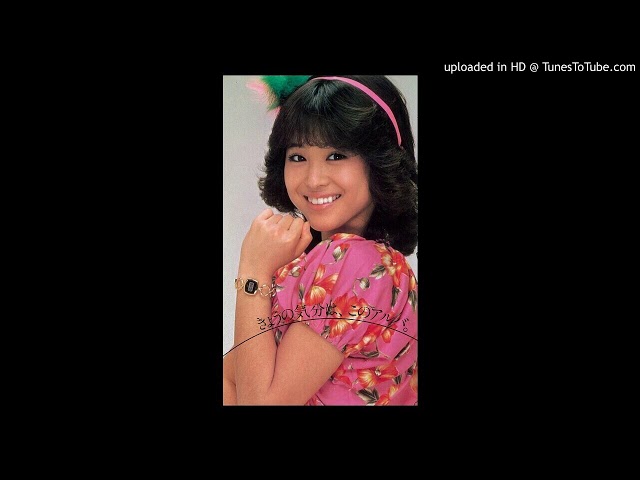
Despite being the B-side of ‘Akai Sweet Pea,’ this song is also used as a graduation song and is a work from Seiko Matsuda’s early debut period.
Like the A-side track, it features lyrics by Takashi Matsumoto and composition by Kureta Keiko (actually Yumi Matsutoya).
Eyes Are DiamondMatsuda Seiko

Hitomi wa Diamond is Seiko Matsuda’s 15th single.
It was used as the theme song for the TBS drama “Ao ga Chiru.” Around this time, Seiko Matsuda still had a youthful, cute vibe.
But as expected, her singing is outstanding—far better than other idols♪
The season of bare feetMatsuda Seiko

This song was Seiko Matsuda’s debut single.
There’s a story that, although she failed the audition to be the commercial model for Shiseido’s “Ekubo Facial Wash,” she was instead chosen to sing the commercial jingle.
The Wind RisesMatsuda Seiko

This song is one of Seiko Matsuda’s early works and the first track provided by the late Eiichi Ohtaki.
It was used as the commercial song for Glico Pocky, in which Seiko Matsuda herself appeared.
It’s said that she initially found the song difficult to sing.
The wind is autumn-colored.Matsuda Seiko

Kaze wa Akairo (The Wind Is Autumn-Colored) is Seiko Matsuda’s third single.
From this song onward, it feels like there were more song titles that used colors.
It was used as the commercial song for Shiseido’s “Ekubo Milky Fresh.” Seiko Matsuda, who wasn’t yet very used to being on TV, is so cute in it!
Tanned MermaidMatsuda Seiko

This song was a big hit too, wasn’t it? I personally think “Shiosai no Memory,” which Kyoko Koizumi sang in the NHK morning drama Amachan, is a complete rip-off of this song.
Accusations of imitation are all the rage now, but it seems Seiko Matsuda’s side chose to watch quietly from the sidelines♪
[Kayo Legend] Seiko Matsuda’s Ever-Shining Masterpieces: Moving Songs That Resonate in the Heart (21–30)
Hold OnMatsuda Seiko

This piece is a cover of Wilson Phillips’s classic that became a global hit in 1990, placed as the opening track on the album “Eternal,” released the following year in 1991.
It’s known as an ambitious work in which Seiko Matsuda, with an eye toward a serious international debut at the time, deliberately took on the challenge in the original English lyrics.
Without diminishing the original song’s powerful message and uplifting spirit, Matsuda’s characteristically rounded vocals infuse the track with a new gentleness.
The way the emotion builds toward the chorus brims with a warmth that feels like a gentle push for anyone facing a challenge.
It’s a superb fusion of the polished sound of Western pop and Matsuda’s resolute vocals, making it a perfect listen when you need a boost of energy or are ready to take a new step forward!