

[Kayo Legend] Seiko Matsuda’s Ever-Shining Masterpieces: Songs That Move the Heart

When it comes to Seiko Matsuda’s songs, there are countless timeless melodies that have been loved across eras and generations.
Not only as a defining idol of the 1980s but also as a true songstress, her vocals possess a wonderful charm that soothes the heart.
Even in the Reiwa era, alongside the renewed attention to Showa-era pop, her work has only gained greater recognition.
Here’s a special feature on Seiko’s classic hits that have colored Japan’s music scene! Why not give them a listen and enjoy both nostalgic memories and new-found appeal?
- Seiko Matsuda Karaoke Popular Song Ranking [2026]
- Seiko Matsuda’s Popular Songs Ranking [2026]
- Seiko Matsuda’s Moving Songs and Popular Hits Ranking [2026]
- Seiko Matsuda Love Songs: Popular Song Rankings [2026]
- [Eternal Idol] A roundup of Seiko Matsuda’s easy-to-sing songs
- Seiko Matsuda Ballad Songs: Popular Songs Ranking [2026]
- Seiko Matsuda Heartbreak Songs: Popular Track Rankings [2026]
- Classic and hit songs by nostalgic Japanese pop idols of the 80s
- [For People in Their 60s] Karaoke Songs That Get the Crowd Going: Ranking [2026]
- A classic from the good old days! A famous birthday song born in the Showa era.
- Seiko Matsuda Commercial Song and Popular Song Rankings [2026]
- Nostalgic Yet Everlasting: Classic Hits by 1990s Idol Singers
- Karaoke songs that are easy to sing even if you’re not confident in your pitch (for women in their 50s)
[Kayo Legend] Seiko Matsuda’s Ever-Shining Masterpieces: Moving Songs That Touch the Heart (41–50)
Seychelles sunsetMatsuda Seiko

A summer ballad included on the classic album Utopia, released in June 1983.
Many listeners were surely captivated by its bittersweet yet romantic scene: at dusk in a far-off land, entrusting a letter—written in sunset-colored ink while thinking of a loved one—to the sea.
Masao Ōmura’s luxurious, delicate production blends beautifully with Seiko’s crystal-clear vocals.
The album featuring this song won the Best Album Award at the Japan Record Awards that same year.
And the fact that it continues to be selected for many best-of compilations despite not being a single shows just how beloved it is.
It’s the perfect track for twilight on a journey, or for a quiet night spent thinking of someone dear.
Heart earringsMatsuda Seiko

A heartbreaking breakup song that shines with Seiko’s mature charm: in the relentless snowfall, she removes her cherished earrings as if to hide her memories.
You can keenly feel the protagonist’s wavering heart as she suspects her lover’s change of feelings and, out of jealousy, puts on a brave front.
This work is said to mark a turning point in her career—stepping beyond her previously sweet, innocent image to sing about the subtle emotions of an adult woman.
Released in November 1984 and included on the album “Windy Shadow,” the song reached number one on the charts despite having no special tie-in.
Anyone who has experienced the emptiness that comes with the end of love will surely find deep resonance in it.
Miami 5 a.m.Matsuda Seiko
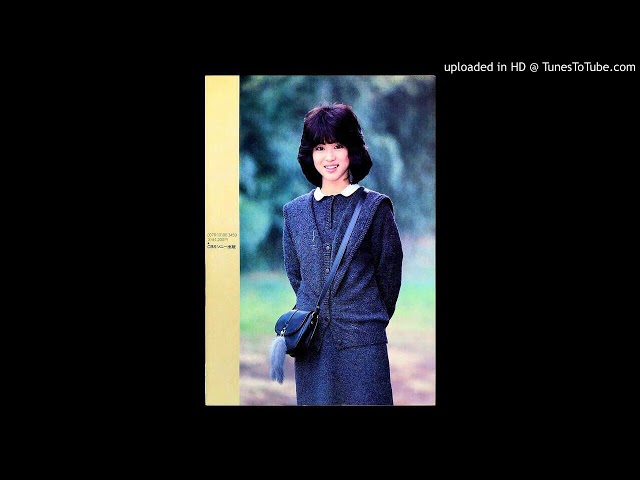
This is a quintessential city pop track that captures the languor and poignancy of late summer.
Seiko Matsuda’s slightly cool, translucent vocals pair beautifully with the scenes of a city at dawn.
Many listeners can probably picture the protagonist returning to reality after their time together ends, brushing sand from their shoes.
The song appears on the classic album Utopia, released in June 1983, and there’s even a production anecdote that the original lyrics were different.
Perfect for an early-summer-morning drive or when you want to sink into a slightly sentimental mood, this piece wraps you in a refined, grown-up atmosphere—and if you listen when you’re in that headspace, you may find yourself drawn deeply into its story.
One Thousand and One Seconds StoriesMatsuda Seiko
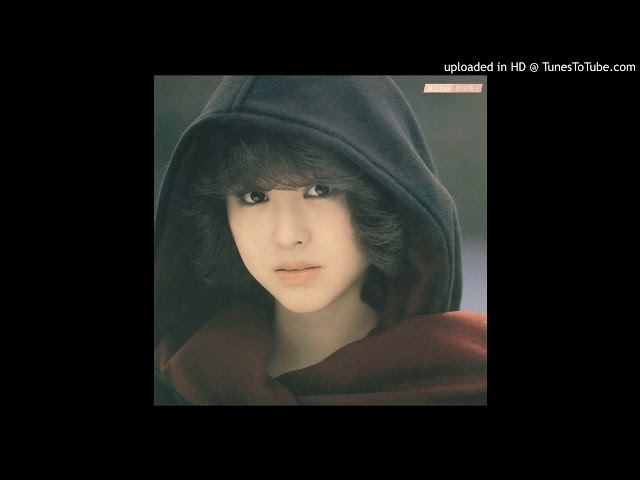
A song crafted by the golden duo of Takashi Matsumoto and Eiichi Ohtaki, celebrated for its enchanting, otherworldly atmosphere.
Set against the backdrop of the night sky, the story is exquisitely brought to life by Seiko Matsuda’s crystal-clear vocals.
Many listeners have surely been captivated by its shimmering yet bittersweet melody that whisks you into a dreamlike world in an instant.
Featured on the album “Kaze Tachinu,” released in October 1981, this track has been lovingly cherished by fans over the years.
On a quiet night, when you wish to forget the clamor of everyday life and encounter something beautiful, its sophisticated sound will gently soothe your weary heart.
I want to become a planet.Matsuda Seiko

This track marks the first reunion in 31 years of the duo of Takashi Matsumoto and Yumi Matsutoya, also known as Kureta Keiko.
With Yasutaka Nakata brought in for the arrangement, it’s an ambitious work that likely surprised many with its sound that feels both nostalgic and new.
Seiko’s crystal-clear vocals blend with sparkling electronic tones, guiding us toward a future brimming with boundless possibilities.
The double A-side single containing this song was released in October 2015, and the other track was used as a JR East campaign song.
With a mood where past and future intersect, this piece is sure to become the perfect anthem for moments when you want to meet a new version of yourself.
Blue PhotographMatsuda Seiko

Although it was originally a B-side single, this celebrated ballad won overwhelming support as a TV drama theme song.
The poignant melody blends beautifully with the world of the TBS drama “Ao ga Chiru,” and it likely remains deeply etched in many hearts.
When it was first released in October 1983, it was a B-side, but due to its strong reception it was reissued as a double A-side, and it held the No.
1 spot on TBS’s “The Best Ten” for eight consecutive weeks.
Seiko’s crystal-clear vocals express pure feelings for friends who part ways upon graduation.
It’s a gem of a song to revisit at life’s crossroads, as you look back on a radiant youth.
A single flower facing the windMatsuda Seiko
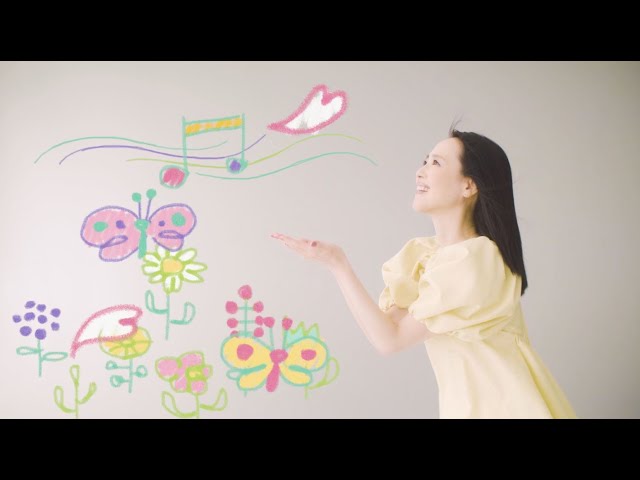
This song depicts a flower blooming gracefully in full glory, undaunted by adversity.
It is included on the 40th-anniversary album “SEIKO MATSUDA 2020,” released in September 2020.
With lyrics written by Seiko Matsuda herself, it conveys deep gratitude to those who have supported her over the years, along with a sincere resolve to keep moving forward with strength.
The composition is her first co-write in 37 years with Kazuo Zaitsu, and its warm yet resilient melody intertwines with Seiko’s voice to gently envelop the listener’s heart.
This work is sure to softly encourage you when you’re taking a new step at a turning point in life or need courage to face difficulties.
It’s a warmly crafted piece that stays close to everyone who wishes to shine in their own way.