

![[For Seniors] Prevent Dementia with Brain Training! A May-Themed Quiz Collection](https://media.ragnet.co.jp/img/1200__png__https://www.ragnet.co.jp/files/2025/05/fb42b95e44397b3b989f5a39fc197661.webp)
[For Seniors] Prevent Dementia with Brain Training! A May-Themed Quiz Collection


May is warm, refreshing, and full of beautiful fresh greenery.
Some of you may find your hearts dancing in this invigorating season.
However, there are also seniors who, with age, find it harder to sense the changing seasons.
So this time, we’d like to introduce quizzes suitable for seniors in May.
By working through the questions and answers, they can recall images of May and spend each day feeling the season.
Using their minds also serves as brain training, which can stimulate the brain and help prevent dementia.
Let’s help seniors enjoy the season through fun quizzes!
[For Seniors] Prevent Dementia with Brain Training! May-Themed Quiz Collection (1–10)
What do people collect during the popular shellfish gathering in May?
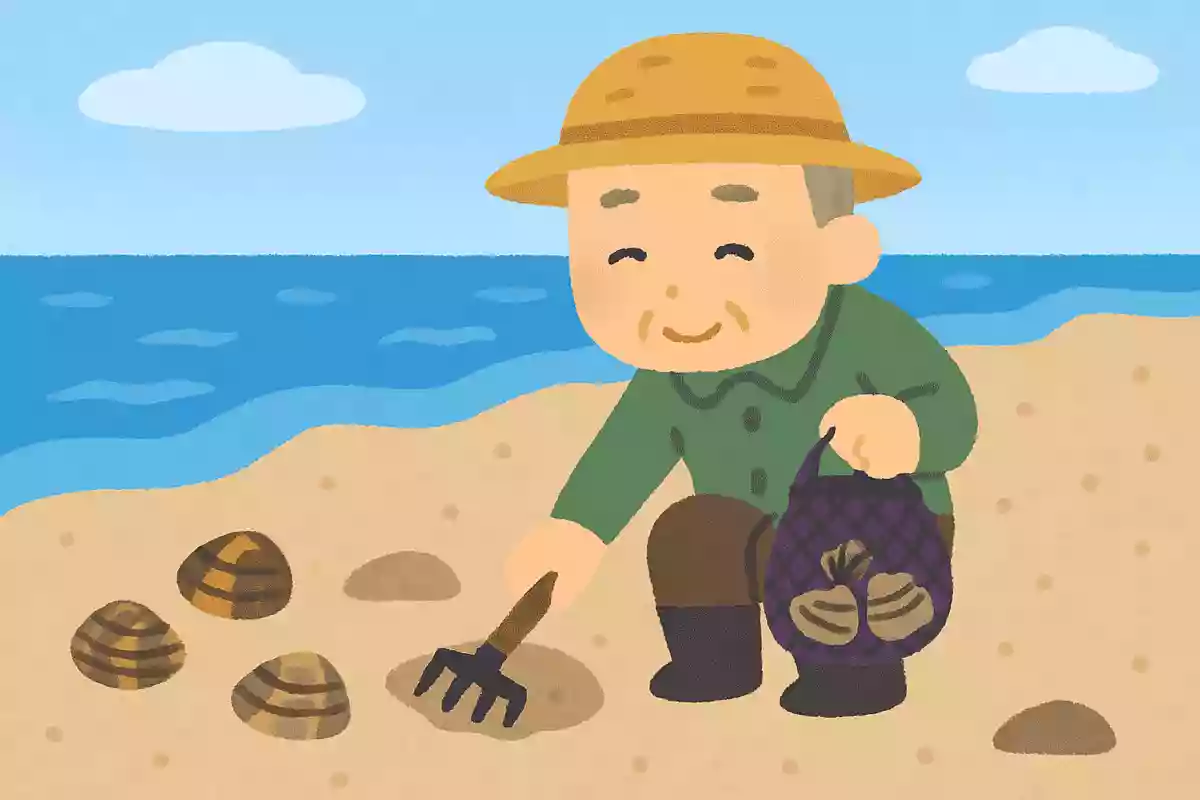
May is the time of year when temperatures climb toward summer and all kinds of leisure activities get going, right? One such activity enjoyed in May is shiohigari—but what exactly do you collect during it? The hint lies in the kanji: if you think about places related to “tide” (潮) and “ebb/dry” (干), you can figure out the location, and from there, what’s gathered there.
The answer is shellfish: it’s a pastime where you dig up shellfish buried in the sand at low tide.
It feels a bit like a treasure hunt and can be enjoyed by people of all ages.

What do you call the decline in motivation that occurs after the long holiday in May?
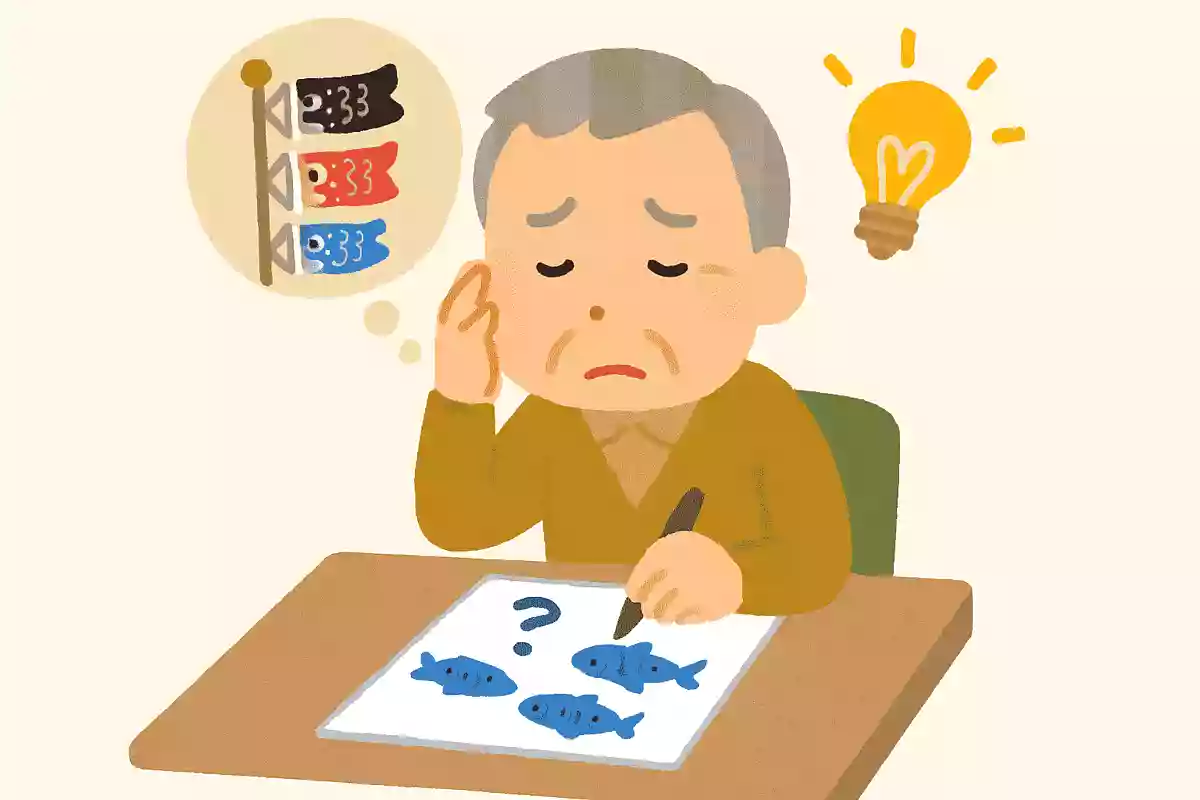
Although the long holiday period known as Golden Week arrives in May and is fun in itself, many of us feel a sense of hardship when returning to everyday life afterward.
What is the common term for this drop in motivation after such a long holiday? The timing of the holiday is a big hint—you might figure it out just by thinking about the month.
The answer is “May blues” (gogatsu-byo).
To avoid falling into this state, it may be helpful to prepare for returning to your routine toward the end of the holiday.
One tricky thing about long breaks is that the more you enjoy them to the fullest, the bigger the rebound can be afterward.
China is the birthplace of tea, but for what purpose was it originally consumed?
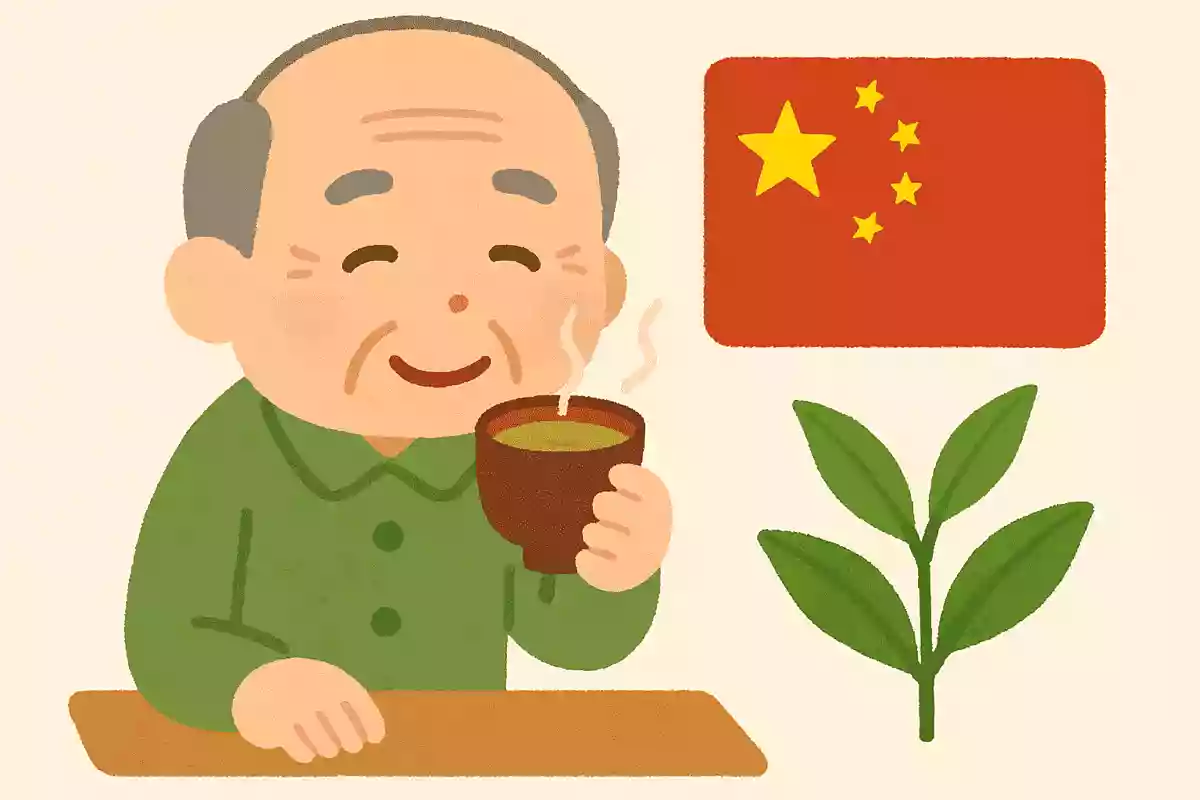
Many people may know that tea, which we strongly associate with an essential drink in daily life, originated in China.
However, when tea was first discovered and consumed in China, it was used differently than it is today.
The idea came from extracting the components of dried plants with hot water, and if you think of it as something that uses that method but is not tea, it becomes easier to understand.
The answer is “medicine.” In traditional Chinese medicine, there are preparations that extract components in much the same way as tea.
There is also a well-known anecdote that tea was discovered while people were searching for medicinal herbs and trees.
Who is the protagonist of the old folktale that became the motif for the May dolls?
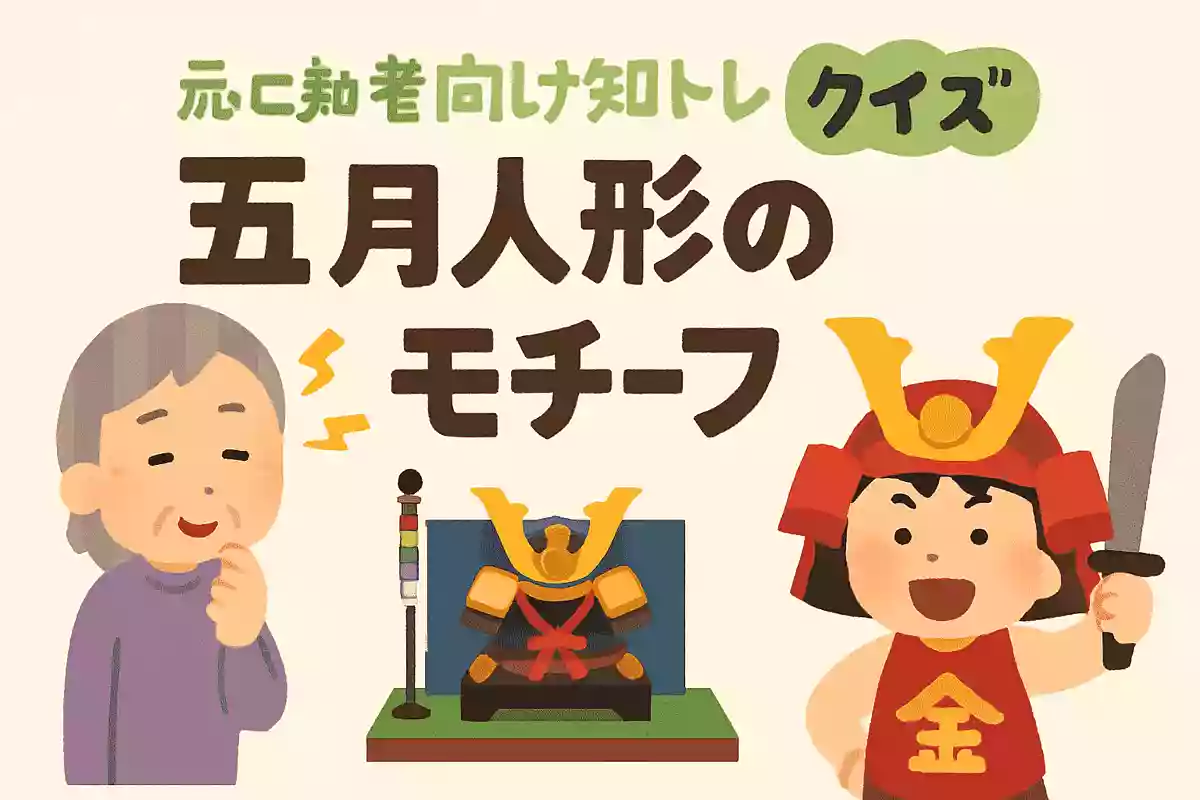
Children’s Day is one of the holidays that arrives in May; we display carp streamers and samurai dolls while wishing for children’s growth.
So, what are the motifs behind those samurai dolls, the iconic decorations of Children’s Day? Here’s a big hint: it comes from a folktale.
Let’s think of something that fits the strong, powerful image of these dolls.
The answer is Kintaro.
His story—living energetically alongside animals—made him a symbol of health, and from there, the dolls came to be used as a way to pray for children’s well-being.
The second Sunday in May is Mother’s Day. Which country is the origin of Mother’s Day?
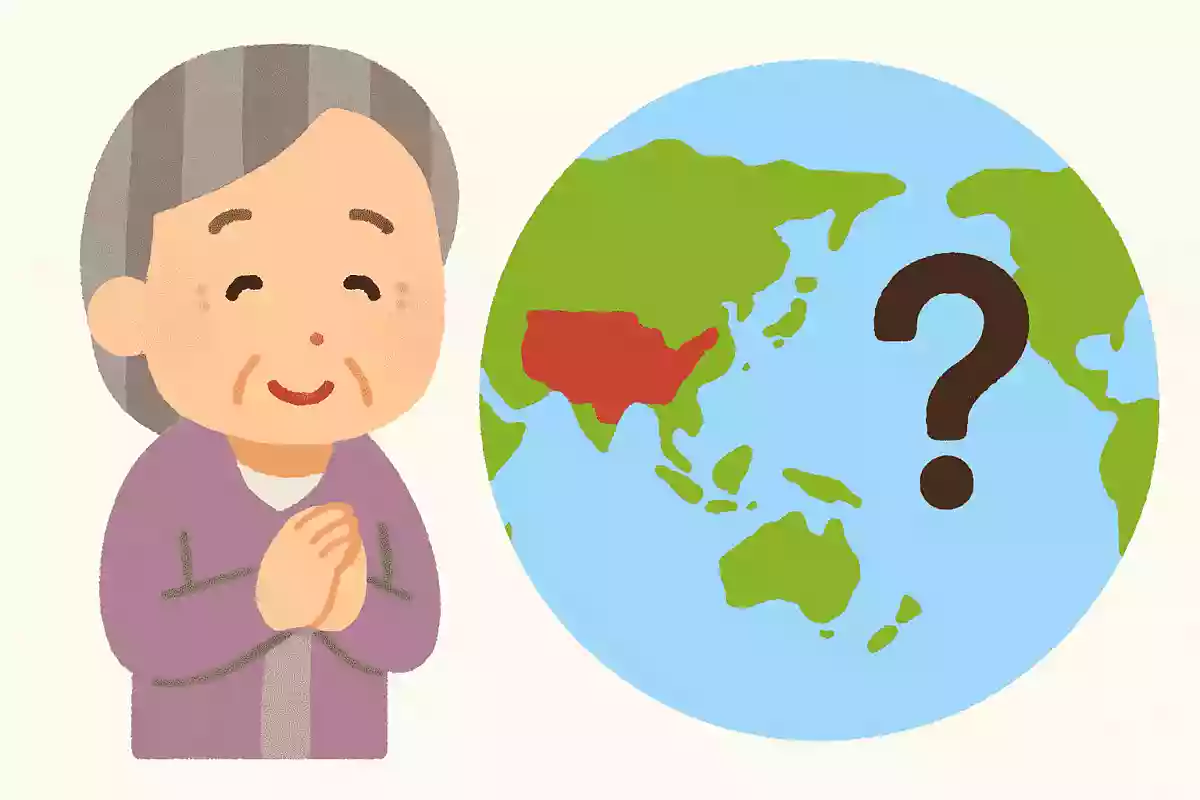
The second Sunday of May is Mother’s Day—a day to acknowledge mothers’ daily efforts and express our gratitude.
It has become customary to give gifts like carnations to show appreciation, but few people may know the detailed history behind it.
How about a quiz that delves into the origins and history of Mother’s Day? It’s said that the tradition of giving carnations began as a tribute to American social activist Ann Jarvis.
Behind it lies a mother’s strong love and the desire not to send husbands and children off to war.
What color is at the very top of the koinobori?
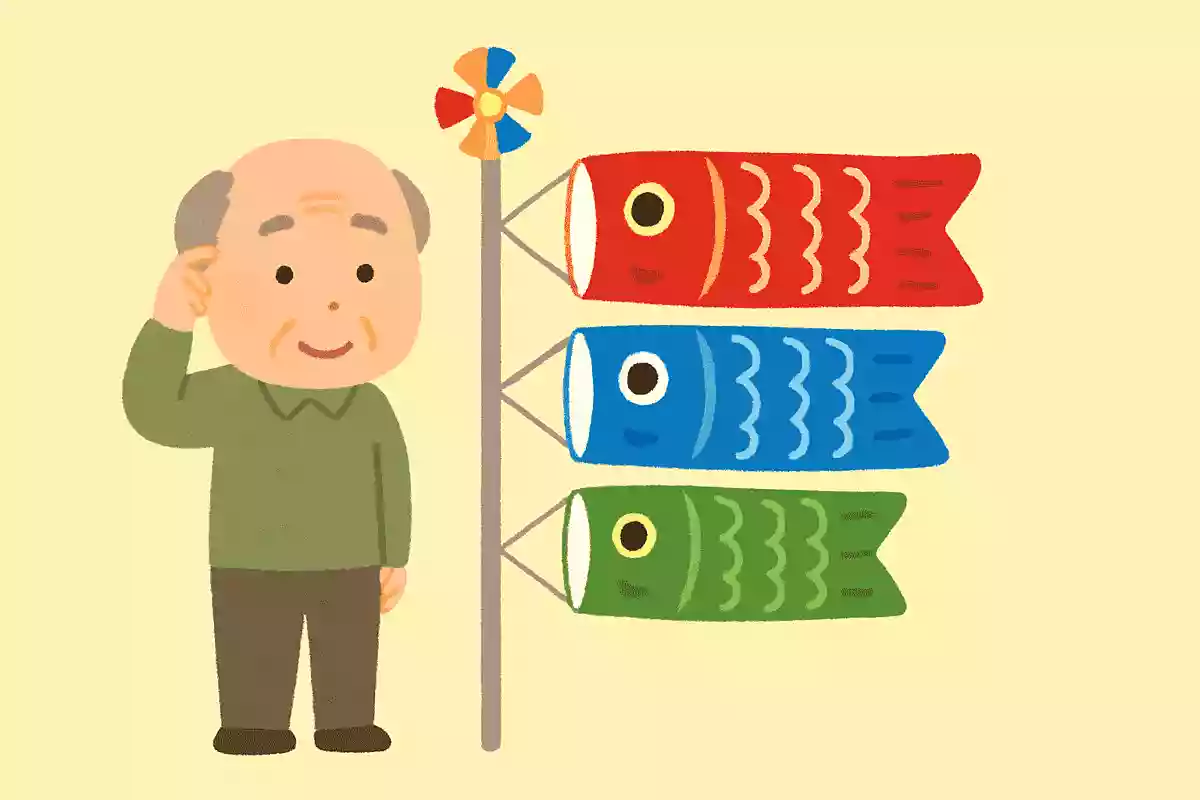
Koinobori are raised high toward the sky with the wish for children to grow up healthy.
As decorations symbolizing Children’s Day, they are arranged so that carp of various colors and shapes look as if they are swimming in the sky.
How about turning the order in which these koinobori are lined up—and the meanings behind that order—into a quiz? The standard arrangement is a black carp (magoi), a red carp (higoi), and a smaller carp for the child, in that order.
The black magoi at the very top is said to represent the father in the family.
May is when the first tea of the season is harvested. What is the highest-grade Japanese tea called?
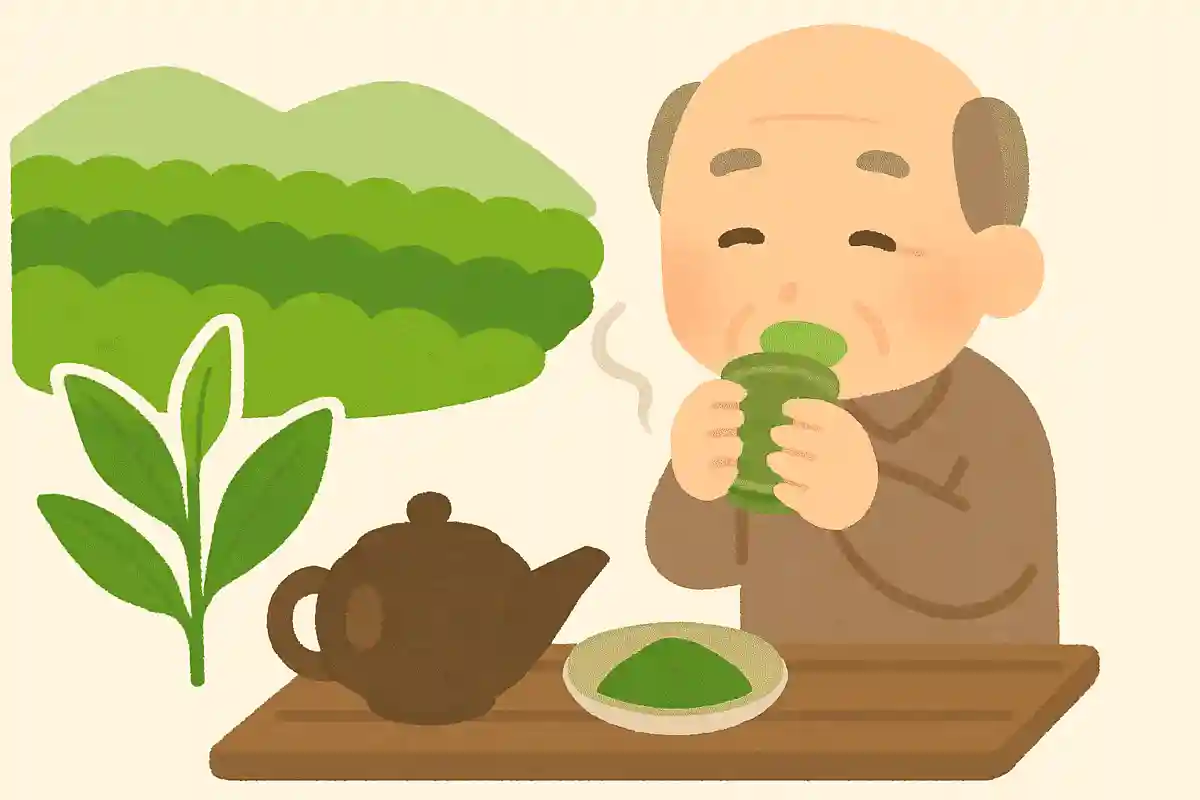
It is said that the period when shincha (new tea) is harvested is around eighty-eight days after Risshun (the first day of spring), and this is even mentioned in a children’s song.
In keeping with the season when shincha is picked, how about creating a quiz to deepen your knowledge about tea? Tea has ranks, and among them there is a highest grade—let’s think about what it’s called.
The term itself is well-known, so even people who haven’t tried it may have heard of it.
Among the many types of tea, “gyokuro” is particularly famous, known for its rich, intense umami flavor.