

A collection of songs with titles that start with “Mi.” Useful for shiritori and karaoke.

There are many words that start with “mi,” like mirai (future) and michi (road), right?
So, what songs have titles that start with “mi”?
In this article, we’ll introduce songs whose titles begin with “mi”!
It also includes songs with titles like the ones mentioned above—“mirai” and “michi.”
We’ve gathered a variety of tracks, old and new, across different genres, so if you find something you like, be sure to add it to your playlist!
You can also use them for word games like shiritori that use song titles.
- Compilation of Vocaloid songs with titles starting with “Mi”
- A compilation of Vocaloid songs with titles starting with 'Mu'
- A compilation of song titles that start with “Ma”
- Moving masterpieces and popular songs you’ll want to sing at karaoke
- Songs with titles that start with “Su.” A collection of tracks useful for shiritori.
- Songs with titles starting with “Ki” [Great for karaoke & shiritori!]
- A compilation of Vocaloid songs with titles that start with “Me”
- Songs with titles that start with “Pi.” Useful for word-chain games or karaoke hints!
- Songs whose titles start with “Do” – Solo Karaoke / Song-Title Shiritori
- [Karaoke] A collection of Japanese songs that start with “Mu”
- [Karaoke] A Collection of Songs Whose Titles Start with 'Mo'
- A roundup of songs with titles that start with “Me” (Melody, Merikuri, and more)
- A compilation of Vocaloid songs with titles that start with 'Mo'
Collection of songs whose titles start with “Mi.” Useful for shiritori and karaoke (71–80)
mixed juiceshaitoopu

In a romantic relationship, anyone can feel inexpressible anxieties or a sense of being out of sync.
This song captures those complex, interwoven emotions with Shytoop’s delicate band sound.
Included on the single “pink/mixed juice,” released in February 2023, the track was created by So Sasaki, inspired by a café menu.
It honestly portrays the real feelings where love is mixed with helplessness and regret.
Perhaps this song, which affirms those blended emotions, will gently nudge you toward reconciling with your partner.
MirageCreepy Nuts

You’ll be drawn in by the contrast between the ephemeral soundscape and the weighty rhythms.
This track, crafted by the hip-hop duo Creepy Nuts, who continue to rack up hits at home and abroad, was released in July 2025 and selected as the opening theme for the TV anime Call of the Night Season 2.
The lyrics by R-Shitei, depicting lingering attachments and regrets that cling to the night, meld beautifully with the meticulously constructed track by DJ Matsunaga.
The music captures emotions that waver like a mirage, reflecting a deep understanding of the world established since the first season of the anime.
It’s perfect as BGM for late-night work when you want quiet focus.
Immerse yourself in the introspective nighttime atmosphere.
futureMr.Children

Mr.Children has continued to color Japan’s music scene with numerous classic songs.
Among their catalog, this enduring fan favorite appears as the first track on the single “Yon-jigen Four Dimensions,” released in June 2005.
Many people may remember it from the Pocari Sweat commercial featuring Haruka Ayase, where the imagery evoked the sparkle of youth.
With its refreshing chorus melody and lyrics about moving forward despite inner conflict with the present, it’s a perfect fit for the milestone of graduation.
Songs with titles starting with 'Mi': a roundup for shiritori or karaoke (81–90)
Future ProjectionRyukku to soine gohan

Ryoku to Soinene Gohan have been winning over listeners with lyrics that affirm everyday, subtle feelings and a warm sound.
This track, driven by a sense of speed and a solid, grounded vocal, stays close to a heart where anxiety and hope intertwine, giving you a powerful push forward.
It affirms all the effort you’ve put in so far and gives you the courage to step into a new season—perfect for anyone facing a make-or-break moment.
Released ahead of its inclusion on the March 2024 album “Terminal,” the song was written as a tie-in for Otsuka Pharmaceutical’s Calorie Mate campaign supporting exam-takers, “Dear Us on the Day Before the Exam.” Listen to it on the anxious night before your test, and it’s sure to give you the strength to look ahead.
allyGReeeeN
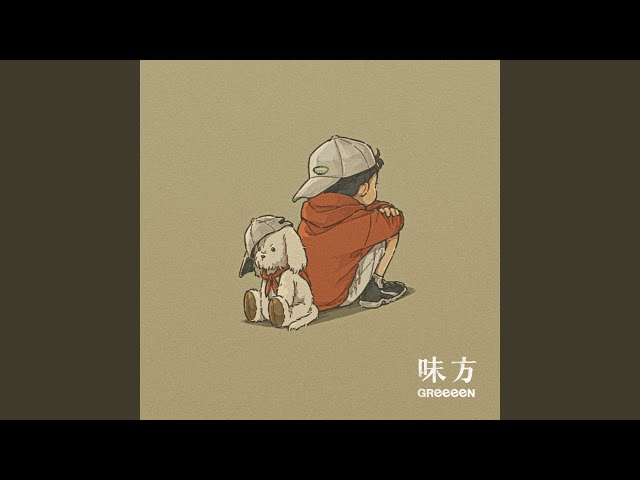
This work expresses gratitude for those who are always by our side and support us.
It was created by GReeeeN, a vocal group known for all its members holding dental licenses.
Written as the theme song for the 2022 film “Haw,” it’s included on the album “Rockin’ Beats.” Set to a warm, acoustic sound, it sings about the everyday moments and bonds shared with loved ones.
The lyrics, which portray the value of standing by someone’s side, make for a moving accompaniment to scenes reflecting on school memories before graduation.
Consider using it as BGM when creating a memory video that celebrates the bonds between friends and teammates.
Midnight ReflectionNOMELON NOLEMON

Created by NOMELON NOLEMON, this piece was written as an insert song for the theatrical advance version Mobile Suit Gundam GQuuuuuuX -Beginning-, premiering in January 2025.
With spaceflight as its concept, the lyrics strikingly depict the vast cosmos and feelings for a cherished person.
Rooted in electropop, the sound conveys a sense of speed while leaving a gently nostalgic afterglow.
Miki Maria’s soft vocals enticingly draw the epic scale of the track into a more intimate, human warmth.
It’s a song that will resonate deeply when you’re alone at night, lost in thought, or holding someone in your heart.
Glimmering in incompletionoishikuru meronpan

A song by Oisicle Melonpan that paints the hidden sparkle of those laid-back after-school hours with a breezy, country-tinged sound.
Released in June 2025, it was written as the opening theme for the TV anime “See You Tomorrow at the Food Court.” It marks the band’s first anime tie-in and celebrates the milestone of their 10th anniversary.
The lyrics strikingly feature the word “moratorium,” allowing the languor of a time when you’re not yet anyone to coexist with a glimmer that exists only in that moment.
Its message—embracing unfinished days in a positive light—may resonate with graduates stepping into a new world.
It’s a song that gently nudges you forward in a season where the anxiety and excitement of leaving school mingle together.