

A collection of songs with titles that start with “Mi.” Useful for shiritori and karaoke.

There are many words that start with “mi,” like mirai (future) and michi (road), right?
So, what songs have titles that start with “mi”?
In this article, we’ll introduce songs whose titles begin with “mi”!
It also includes songs with titles like the ones mentioned above—“mirai” and “michi.”
We’ve gathered a variety of tracks, old and new, across different genres, so if you find something you like, be sure to add it to your playlist!
You can also use them for word games like shiritori that use song titles.
- Compilation of Vocaloid songs with titles starting with “Mi”
- A compilation of Vocaloid songs with titles starting with 'Mu'
- A compilation of song titles that start with “Ma”
- Moving masterpieces and popular songs you’ll want to sing at karaoke
- Songs with titles that start with “Su.” A collection of tracks useful for shiritori.
- Songs with titles starting with “Ki” [Great for karaoke & shiritori!]
- A compilation of Vocaloid songs with titles that start with “Me”
- Songs with titles that start with “Pi.” Useful for word-chain games or karaoke hints!
- Songs whose titles start with “Do” – Solo Karaoke / Song-Title Shiritori
- [Karaoke] A collection of Japanese songs that start with “Mu”
- [Karaoke] A Collection of Songs Whose Titles Start with 'Mo'
- A roundup of songs with titles that start with “Me” (Melody, Merikuri, and more)
- A compilation of Vocaloid songs with titles that start with 'Mo'
Songs with titles starting with 'Mi': a roundup for shiritori or karaoke (81–90)
Three Songs, Op. 7-1: Après un rêveGabriel Faure

Gabriel Fauré, the great French composer renowned for his fantastical works, was a master who left numerous unparalleled masterpieces in the French music scene from the late 19th to the early 20th century.
This piece was composed in 1877 and premiered in Paris in January 1879.
With long-breathed melodies, it delicately portrays the sweetness of dreams and the poignancy of waking.
Beloved as a masterpiece for cello, it is often used as background music for flashback scenes in films and dramas.
At graduation ceremonies, playing it while current students see off the graduates, or during a quiet moment accompanying a slideshow of memories, will gently envelop the atmosphere of the venue.
MissingKubota Toshinobu

Actually, “Missing” is a track from his first album, and even though it wasn’t released as a single, it became one of Toshinobu Kubota’s signature songs with overwhelming popularity! The melody line is simple: sing the verse as if you’re speaking, and slightly increase your volume in the chorus to add expressiveness and make it feel good to sing.
In general, you’ll want to be careful not to belt too much, but be especially mindful in the latter part where the melody changes and the range jumps up—avoid straining your throat.
Aim to connect everything smoothly, place accents farther out toward the high notes, and stay conscious of the pitch bar!

Why am I the only one still alive in a world where everyone else has died?daniwell

This is a track that sets the heavy question, “In a world where everyone has died, why am I the only one still alive?” to sprightly electronic beats.
It’s a piece by daniwell, released in December 2025.
The contrast between its rhythmic sound and hopeless lyrics is striking.
Despite the bright, bouncy vibe, you’re left with a hollow feeling in your heart when it’s over.
Perfect for nights when you’re holding onto questions that have no answers.
The Future Vanishing Diaryharuna.

An emotional piano rock song that portrays the anxiety of youth coming to an end.
“Future Vanishing Diary” is a track released in December 2025.
Its arrangement blends lightness with wistfulness, perfectly complementing Miku’s slightly husky vocals.
I can’t help but see myself in the protagonist’s mindset.
If you’re a teenager, you probably know this feeling well.
If you like this song, be sure to check out “Future Creation Diary,” which is thematically connected by its title.

MIRRORAdo
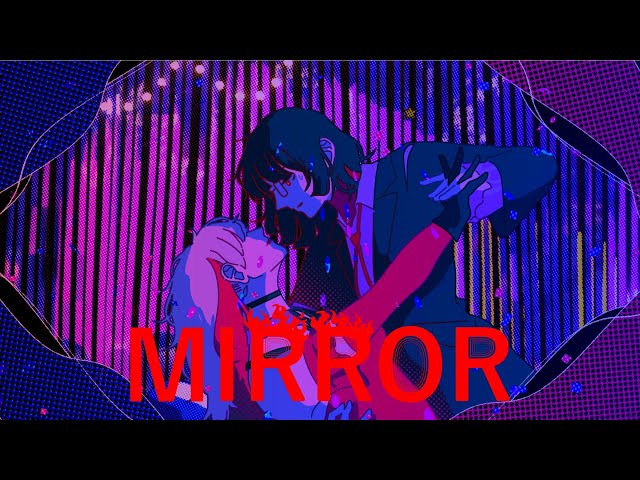
A track that evokes a nighttime dance floor, with a groovy bassline reverberating throughout.
Released by Ado in May 2024, this song is an urban, cool dance number crafted by Natori, a creator the same age as her.
It carries a message that makes you want to face the version of yourself reflected in the mirror, accept both the good days and the bad, and start dancing.
The song is included on the album “Zanmu” and has attracted attention both in Japan and abroad.
Its bouncing rhythm and Ado’s powerful yet sultry vocals are a perfect match, and singing it at karaoke is sure to make hearts skip a beat with its sophisticated vibe.
It’s the perfect track when you want to project confidence.
Future airplaneakairo no gurittā

A beloved graduation song that gently weaves together memories of high school—school routes, chimes, hallways, and the everyday moments with friends—this is the title track of Akairo no Glitter’s debut single.
Released in March 2015, the song was written based on vocalist Ryosuke Sato’s own experiences, and its lyrics, which hold both the ache of not being able to return to the past and the resolve to step forward into the future, resonate deeply.
Its catchy, solid melody powerfully propels the emotions, making it unforgettable after just one listen.
The fact that the music video and performance scenes were filmed at the members’ alma mater also lends a vivid sense of lived-in youth.
It’s a guitar rock number that warmly brightens any graduation live performance—recommended not only for students facing graduation, but for anyone experiencing a farewell with cherished friends.
A compilation of songs with titles that start with “Mi.” Useful for word-chain games and karaoke (91–100)
MiyabiSuehirogarizu

Suehirogarizu, known for their unique style that elevates the narrative cadence of kyogen and Noh into contemporary comedy, released this track in August 2021 as their debut single, reconstructing their comedic art in musical form.
Over a laid-back, ’90s-inspired beat, rapping interwoven with tsuzumi drum tones and archaic Japanese phrasing creates a one-of-a-kind groove.
The collision of kyogen-style expressions with hip-hop call-and-response strikes a perfect balance where coolness and humor coexist.
Upon release, it reached No.
1 on the iTunes Store Hip-Hop daily chart, showing that a project track born from comedians can also earn recognition in the music scene.
It’s also available for karaoke, making it an ideal pick to liven up parties and events.