

Recommended for upper elementary school students! True-or-false quizzes that make you think

It’s fun to watch upper-elementary kids’ eyes sparkle as they exclaim, “Wait, really?!” isn’t it? So here, we’ve gathered a set of true-or-false quizzes about the wonders of familiar animals and nature—like cats’ hearing ability, how fast hearts beat, and why chameleons change color.
Each answer comes with a “Oh, I get it!” explanation, so kids can learn while they play.
Try it during recess or at home and have a great time with friends and family!
- For upper elementary school students! A lively and educational true-or-false quiz
- [For Lower Elementary Students] Play Right Away! Learn with Fun True-or-False Quizzes
- [Common Sense & Trivia] True-or-False Quiz with Knowledge for Elementary School Students
- Get the Crowd Going at the Kids’ Club! A Collection of True-or-False Quizzes Everyone Can Enjoy
- Recommended for upper elementary grades! A fun quiz for elementary school students where you can learn while enjoying yourself
- A multiple-choice quiz with three options for upper elementary students. Questions you can enjoy between classes or at home.
- Recommended for upper grades! A fun, educational quiz for elementary school students
- For elementary school kids! Fun riddles recommended for the middle grades
- Recommended for elementary school students! Trivia quiz you'll want to share once you know it
- Fun quizzes for elementary school kids: a collection of questions everyone can enjoy together
- True-or-false quiz for adults: a full roundup from common-sense questions to surprising trivia!
- Fun Quiz Collection Guaranteed to Stump and Delight Elementary School Kids
- [For Elementary School Students] Animal Quiz to Learn Knowledge and Fun Facts
Recommended for upper elementary students! True-or-false quizzes that make you think (1–10)
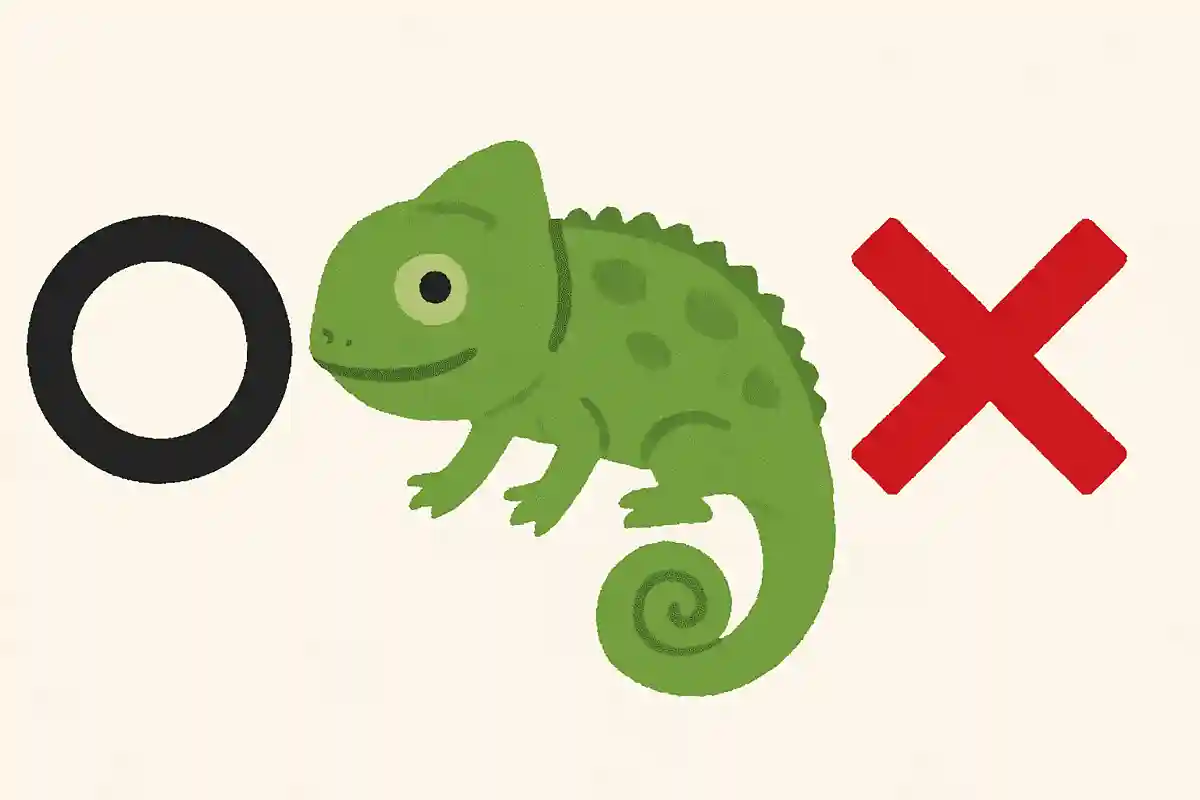
True or false: Chameleons can freely change the color of their bodies.
- ○
- ×
See the answer
○
Chameleons change the color of their bodies depending on the surrounding brightness, their mood, and temperature. Their colors change not only to blend in with their surroundings but also to express their feelings or signal to others. For example, when they are angry, they may turn reddish.

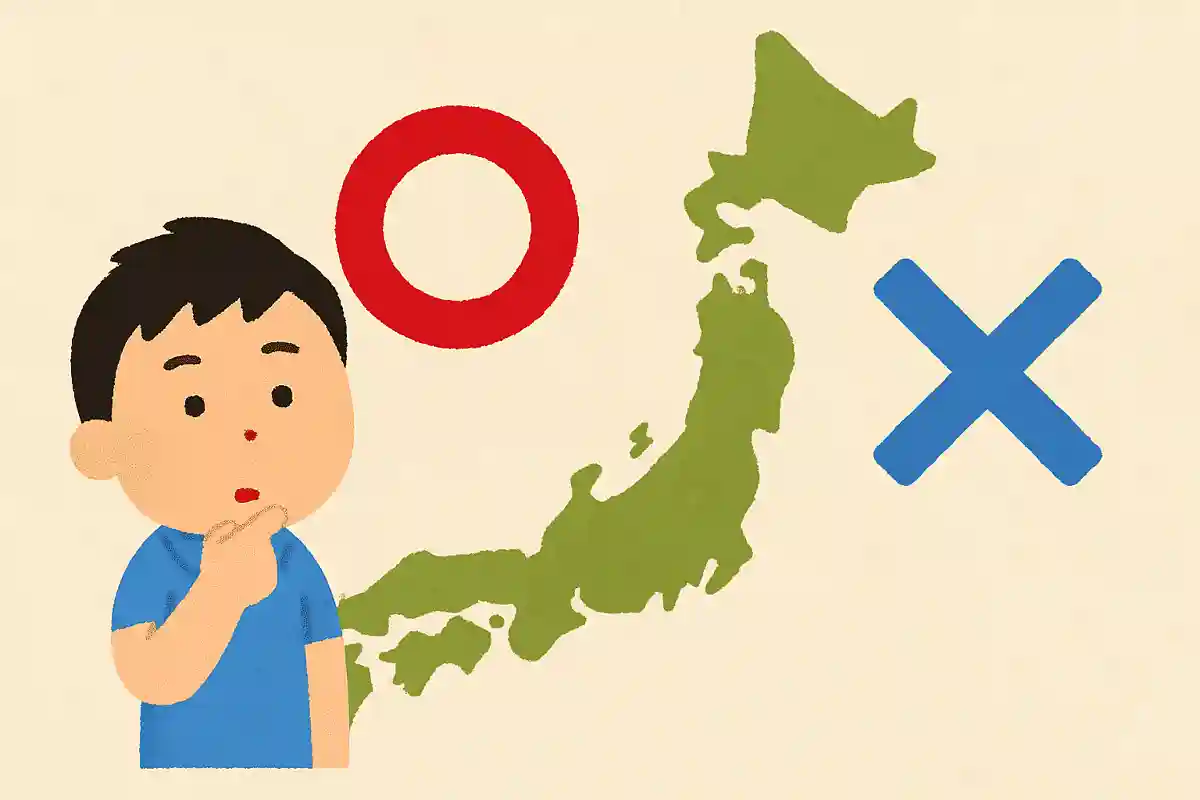
Is Hokkaido the northernmost prefecture in Japan: true or false?
- ○
- ×
See the answer
○
The northernmost prefecture in Japan is Hokkaido. It is very large—about six times the size of Shikoku. Winters bring a lot of snow and are very cold, but summers are cool and rich in nature. It’s also famous for its lavender fields, delicious milk, and seafood.
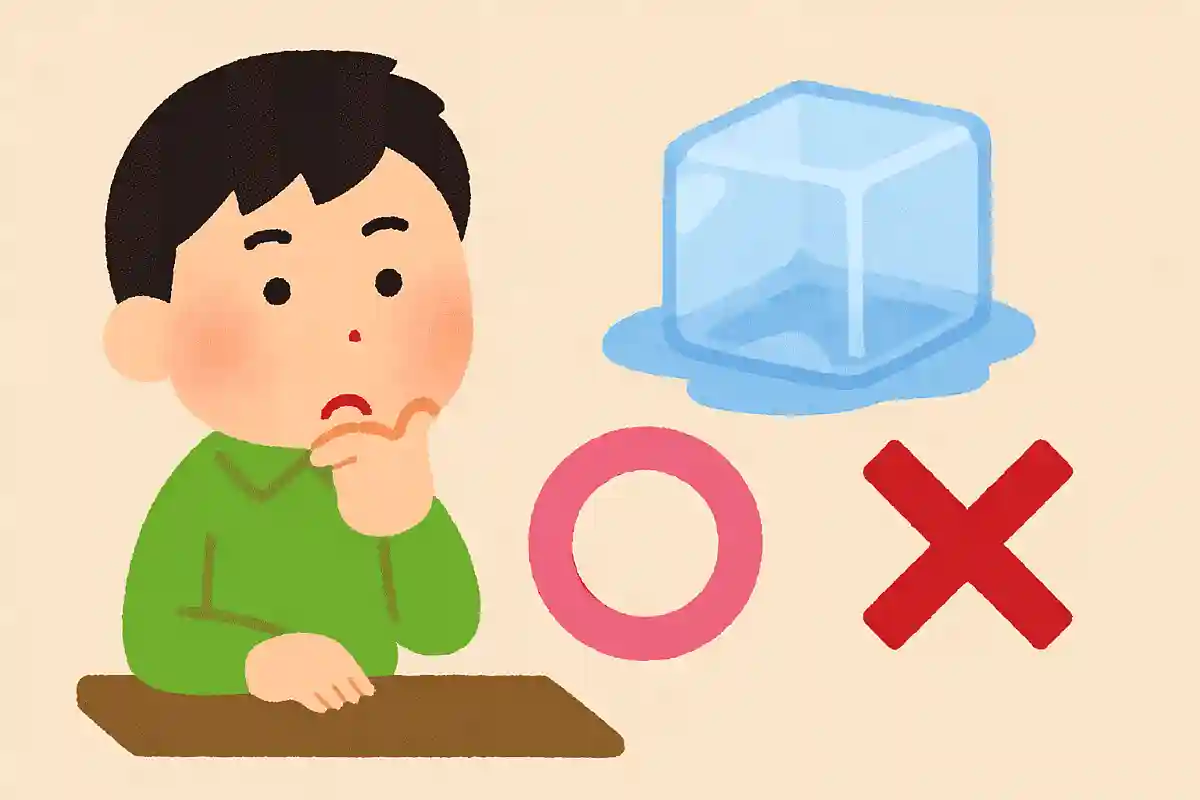
Does water freeze at 0°C, true or false?
- ○
- ×
See the answer
○
Water turns into ice at 0°C. This is because the water molecules slow down, stick together, and solidify. However, if salt or sugar is mixed in, the freezing temperature drops a little. Snow and ice are 'transformations of water' that can be seen in nature during winter.
Recommended for upper elementary students! True-or-False Quizzes That Make You Think (11–20)
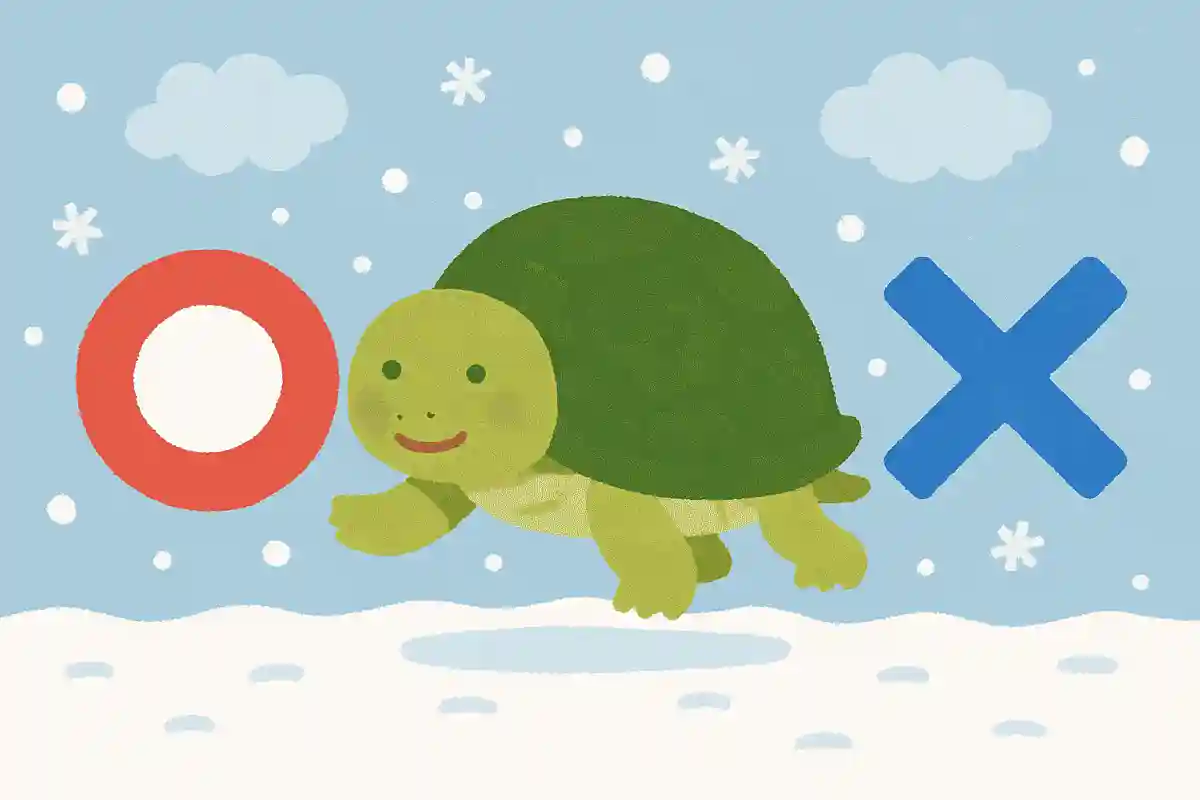
True or false: Turtles move around actively even during the cold winter?
- ○
- ×
See the answer
×
Turtles are what’s called cold-blooded animals, meaning their body temperature changes with the outside temperature. When winter comes, their bodies cool down, they become sluggish, and they go into hibernation to rest quietly. When spring arrives and it gets warmer, they become active again. They have a period of rest to survive in nature.
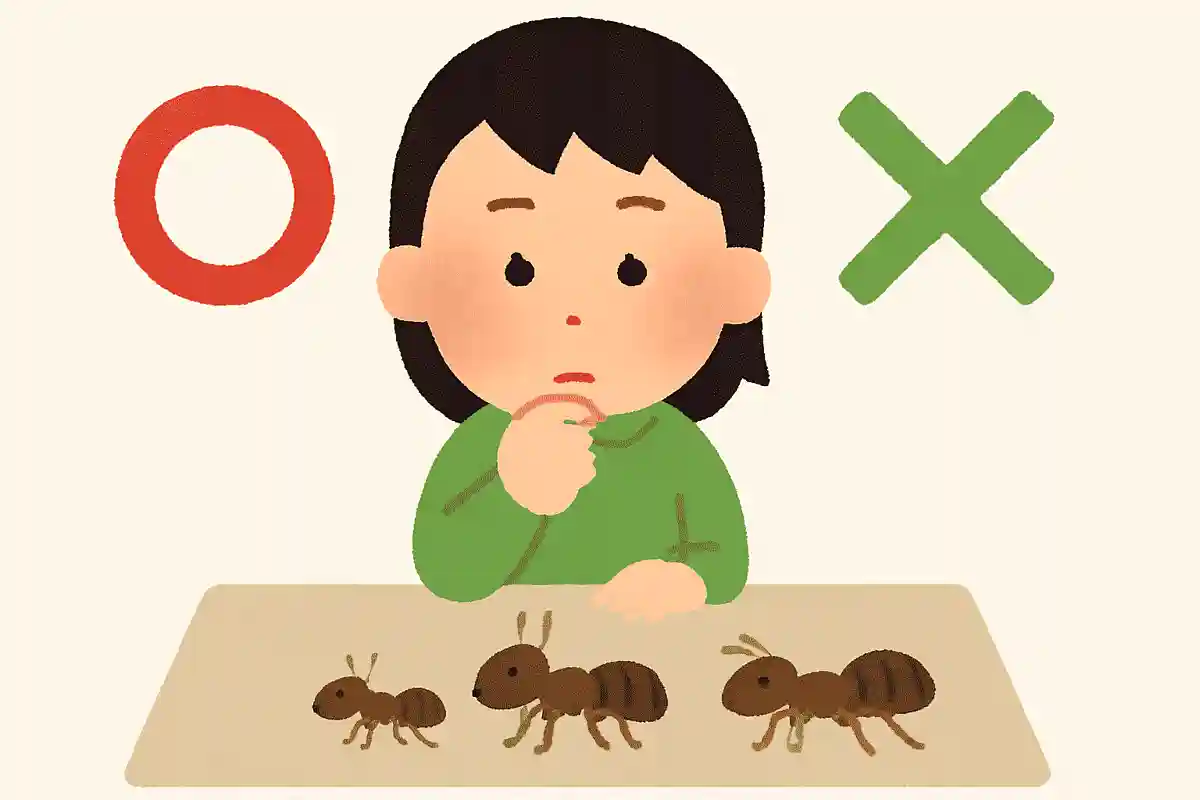
True or false: All ants have bodies of the same size?
- ○
- ×
See the answer
×
The size of an ant’s body varies depending on its role. The queen ant is very large and lays many eggs. Worker ants are medium-sized; they clean the nest and gather food. Soldier ants are strong and somewhat larger, and they protect the nest.
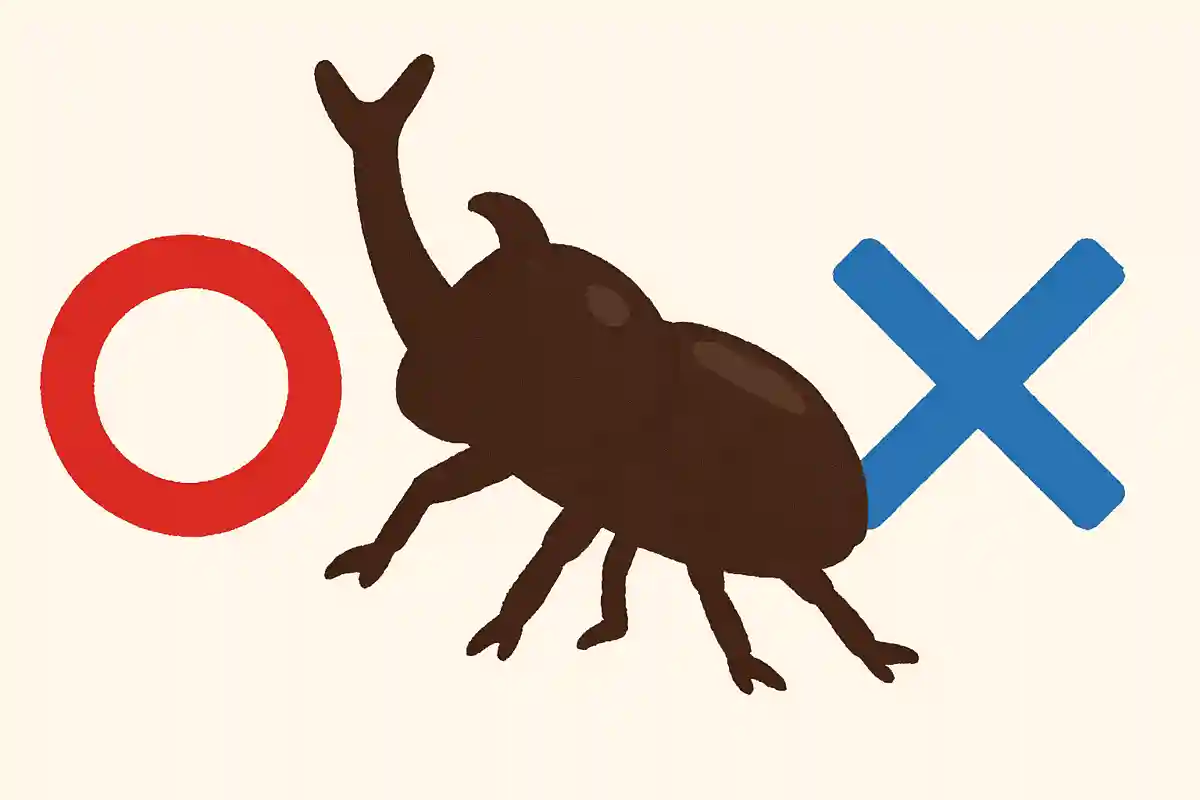
Do male rhinoceros beetles have horns: true or false?
- ○
- ×
See the answer
○
Male rhinoceros beetles have large horns. These serve as weapons for fighting other males over females. The size of the horn also serves as an indicator of strength. Females do not have horns; they feed on tree sap and lay eggs.
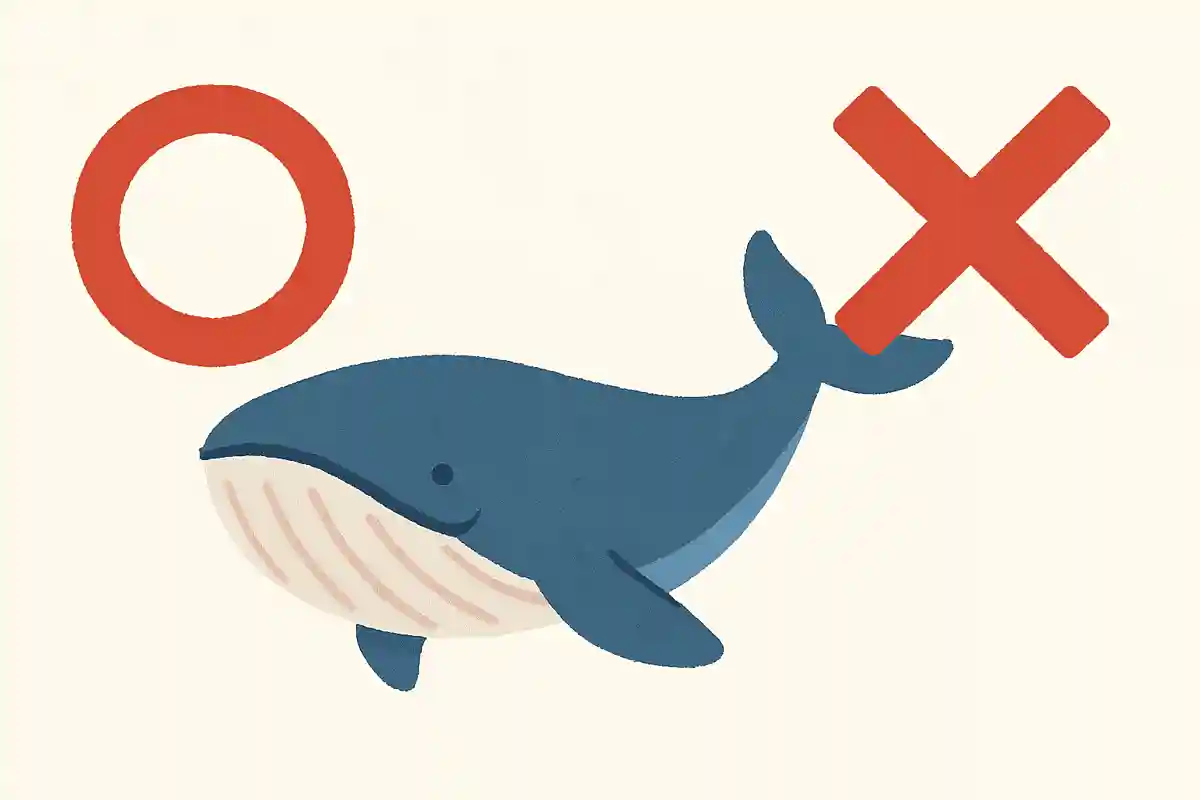
Are whales fish: true or false?
- ○
- ×
See the answer
×
Whales are not fish; they are mammals. They breathe with lungs, give birth to live young, and nurse them with milk. Unlike fish, they do not breathe through gills. Their bodies are adapted to swimming in water like fish, but their biology and the way they are born place them with mammals, just like humans and elephants.