

Millennial Generation: Iconic Heisei-Era Songs That Defined Our Youth

Do you still find yourself humming songs from the Heisei era? When you think back on your youth, don’t you remember the moments you encountered songs that resonated with your heart? For those of the “Yutori” generation in particular, the classic hits of the Heisei period may hold a special place.
Those songs are now spoken of alongside fond memories.
Here, we introduce melodies and lyrics that have been loved across generations.
You’re sure to find one that’s tied to your own cherished memories.
- Relive those feelings from back in the day! Youth anthems recommended for the Yutori generation
- [Yutori Generation] Looking back at the cute songs that colored our youth
- [Yutori Generation] Songs That Feel Emoi: Youthful Anthems That Stir Up Nostalgia
- Songs that were hits in the Heisei era are so nostalgic. We've carefully selected timeless classics you'll find yourself humming.
- [Yutori Generation] Stylish, Youthful Anthems You'll Want to Listen To
- Cool songs of the Heisei era. Hit tracks that energized the times.
- Songs from the Heisei retro era that will get any generation excited! Timeless tracks you’ll want to listen to now.
- Heisei-era masterpieces. Hit songs that represent the Heisei period.
- A Must-See for the Heisei Generation: Nostalgic Songs That Were Popular in the Heisei Era
- Memories come flooding back! Graduation songs recommended for the Yutori generation
- Heisei Song Collection: Iconic Hits That Colored the ’90s and 2000s
- From emotional tracks to exhilarating tunes! Heisei-era youth songs
- A collection of nostalgic hits from the Heisei era: Let’s look back at iconic songs from the 1990s and 2000s.
[Yutori Generation] Iconic Heisei-Era Songs That Marked Our Youth (21–30)
Spring, Summer, Autumn, WinterHilcrhyme

Released in September 2009, this single catapulted Hilcrhyme to nationwide fame.
It became one of their signature songs, securing numerous tie-ins, including TBS’s CDTV and commercials for RecoChoku.
With lyrics that weave a vow to walk alongside a loved one through the changing seasons, it has long been cherished as a staple for weddings and anniversaries.
The pleasing blend of hip-hop rhythms and piano melodies is likely etched deeply in the memories of the generation who were students at the time.
Baby, I love youTEE

Woven with straightforward words of love, this piece is a love ballad carried by the warm tones of an acoustic guitar.
The feelings a clumsy man wants to convey to someone precious reach the heart alongside a smoky, soothing vocal.
Reconstructed in a major-label style from its indie-era version, it was released in October 2010 as the second single.
Chosen as the ending theme for TBS’s COUNT DOWN TV and as a theme song for a Yomiuri TV program, it has become a long-loved track, covered by many artists.
It’s a song you’ll want to listen to when you want to honestly express your feelings to a partner, choose a wedding BGM, or savor time with someone important.
Blue BenchSasuke

The single released in 2004 is imbued with a wistfulness that lingers like standing on a station platform at dusk.
Created by Sasuke—who at the time gained word-of-mouth popularity with acoustic guitar and two-part harmonies—this work is a heartbreak tale of someone clutching a class reunion invitation and tasting regret.
Despite its simple, street-bred arrangement, the emotions that rise from the pauses in the lyrics and the swell of the chorus resonate across generations.
Though it peaked at only No.
8 on the Oricon Weekly chart, it remained charted for 64 weeks and was later included in school textbooks as a choral piece.
It’s a classic that gently stays by your side when you’ve grown up still holding faint memories of first love, or when you want to revisit old feelings during graduation season.
March 9Remioromen
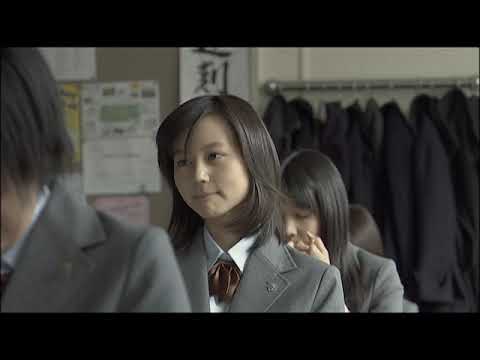
Known as a classic graduation song that has continued to accompany the youth of the yutori generation, this piece originally began as a wedding song, inspired by the fact that a member’s friend was getting married on the same date.
Its warm lyrics matched perfectly with the graduation season, turning it into a song that has colored the new beginnings of many students.
The lyrics, filled with gratitude for someone dear and a desire to keep supporting each other, resonate with the emotions felt before parting with friends and companions.
Released in 2004 and used as an insert song in the drama “1 Litre of Tears,” it left an even deeper impression on many people.
Highly recommended for those approaching graduation or anyone who wants to reminisce about their school days.
Close your eyesHirai Ken

This work sings of the grief of suddenly losing a loved one and the love that still refuses to fade.
Released in 2004, the song was written as the theme for the film “Crying Out Love, in the Center of the World” and topped the Oricon year-end singles chart.
Close your eyes and the smile, tears, and warmth of that precious person surface.
The bittersweet feelings—sensing loss in everyday life and cherishing even that pain—are delicately expressed through Ken Hirai’s rich vocals.
Singing of the resolve to live while holding onto feelings that never fade with time, this piece is sure to resonate with anyone who has experienced parting from someone dear.
Heavy rotationAKB48

Released as their 17th single in 2010, this song became a national hit as one of AKB48’s signature tracks, something you’d hear almost daily on karaoke and TV.
Its cute lyrics, set to a brisk rock tempo, sing honestly about a straightforward crush, capturing the fluttery excitement of love that everyone experiences at least once.
The way it surges from the chorus is irresistibly catchy, making you want to sing along, and it’s designed so friends and groups can enjoy the chorus and dance together.
It was heavily aired as the CM song for UHA Mikakutou’s “Puccho,” and in karaoke it set a record by ranking No.
1 for a total of 81 weeks in 2012.
It’s the perfect number for sharing that love-struck feeling with everyone or getting the whole room hyped at karaoke.
Good-bye daysYUI for Amaoto Kaoru

Released under the name Kaoru Amane, the character played by YUI in the 2006 film “A Song to the Sun” (Taiyō no Uta), this song is a classic of youth that portrays a fleeting, heartrending farewell.
Through the love of a girl who cannot be exposed to sunlight, it gently sings of feelings exchanged within limited time and the resolve to face an inevitable parting.
The acoustic guitar and YUI’s clear, transparent vocals vividly revive unforgettable summer memories.
It reached No.
3 on the Oricon Weekly Chart and was later included on the album “CAN’T BUY MY LOVE.” It’s a song that offers comfort to anyone who has experienced parting with someone dear.