

Millennial Generation: Iconic Heisei-Era Songs That Defined Our Youth

Do you still find yourself humming songs from the Heisei era? When you think back on your youth, don’t you remember the moments you encountered songs that resonated with your heart? For those of the “Yutori” generation in particular, the classic hits of the Heisei period may hold a special place.
Those songs are now spoken of alongside fond memories.
Here, we introduce melodies and lyrics that have been loved across generations.
You’re sure to find one that’s tied to your own cherished memories.
- Relive those feelings from back in the day! Youth anthems recommended for the Yutori generation
- [Yutori Generation] Looking back at the cute songs that colored our youth
- [Yutori Generation] Songs That Feel Emoi: Youthful Anthems That Stir Up Nostalgia
- Songs that were hits in the Heisei era are so nostalgic. We've carefully selected timeless classics you'll find yourself humming.
- [Yutori Generation] Stylish, Youthful Anthems You'll Want to Listen To
- Cool songs of the Heisei era. Hit tracks that energized the times.
- Songs from the Heisei retro era that will get any generation excited! Timeless tracks you’ll want to listen to now.
- Heisei-era masterpieces. Hit songs that represent the Heisei period.
- A Must-See for the Heisei Generation: Nostalgic Songs That Were Popular in the Heisei Era
- Memories come flooding back! Graduation songs recommended for the Yutori generation
- Heisei Song Collection: Iconic Hits That Colored the ’90s and 2000s
- From emotional tracks to exhilarating tunes! Heisei-era youth songs
- A collection of nostalgic hits from the Heisei era: Let’s look back at iconic songs from the 1990s and 2000s.
[Yutori Generation] Iconic Heisei-Era Songs That Marked Our Youth (21–30)
cotton candyback number
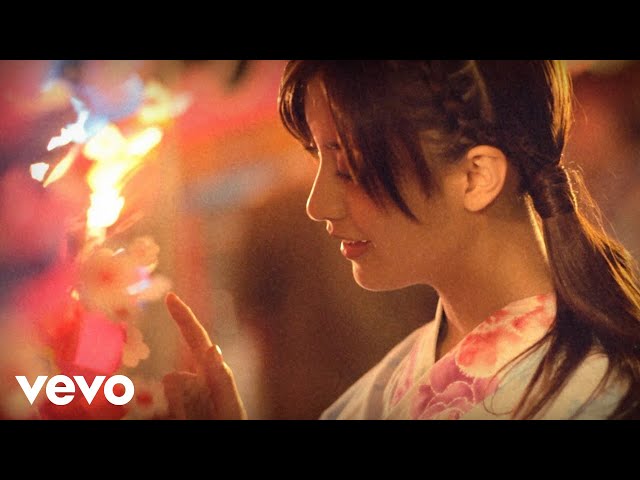
Set against the backdrop of a summer festival, this bittersweet love song portrays the feelings of a man who can’t bring himself to confess his love.
Released in 2012 as the sixth single, it was also included on the third album “blues” and the best-of collection “Encore.” Chosen as the opening theme for TBS’s COUNT DOWN TV in July 2012, it reached many listeners.
Wanting to hold hands but hesitating, wanting to say “I like you” but unable to put it into words—the song is filled with that poignant frustration, evoking the faint, youthful crushes many experienced in their school days.
Amid the lively bustle of the festival, quiet emotions surface; this is a track that resonates with the sweet, fleeting moments of love.
Night of Osmanthuskinoko teikoku

For those who find themselves feeling inexplicably wistful in autumn, I highly recommend this song by Kinoko Teikoku.
It’s a track from their album “Time Lapse,” released in September 2018, and it stands out as one of the most popular numbers on the record.
Chiaki Sato’s soft, translucent vocals and the sparkling guitar arpeggios resonate beautifully.
It’s a bittersweet yet soothing piece that can make you recall past loves on an autumn night.
Perfect for those solitary evenings when you want to fully sink into an emo mood.
[Yutori Generation] Iconic Heisei-Era Songs That Shaped Our Youth (31–40)
budKobukuro
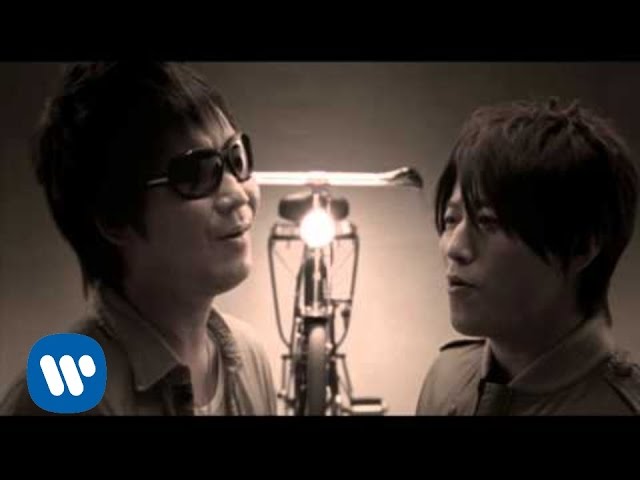
It’s a masterpiece overflowing with feelings for a beloved person you can no longer meet.
Written by Kentaro Kobuchi of Kobukuro in memory of his mother, whom he lost in his teens, the song was specially composed in 2007 as the theme for the drama “Tokyo Tower: Mom and Me, and Sometimes Dad.” It begins with gentle acoustic guitar and then swells into a dramatic development in the chorus that truly moves the heart.
The lyrics portray hope for a future that will bloom like a bud not yet in full flower, along with the belief that the person you can no longer see is still watching over and cheering you on from somewhere.
When you recall the kindness of someone dear who is now far away, you may find tears spilling out before you know it.
Song of LoveKōda Kumi
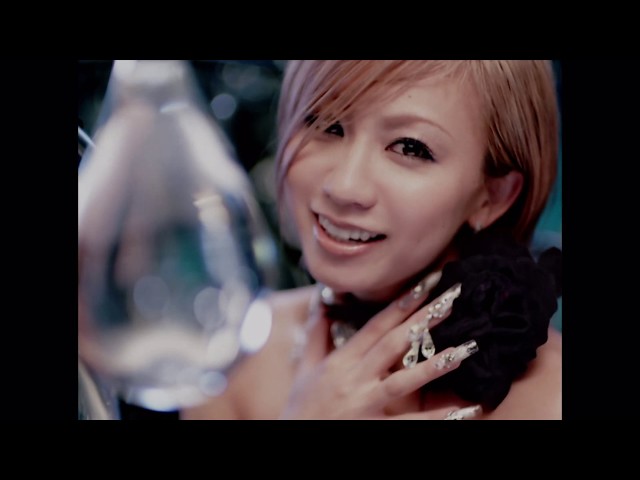
Released in September 2007 as her 37th single, this work is a deeply resonant ballad in which Kumi Koda sings from a new perspective she realized through giving love advice to friends and fans: “love is something you give.” She found inspiration while driving along the coast on a getaway to a hot spring inn, and wrote the lyrics immediately upon arrival.
They delicately portray a young woman’s aching heart as she senses a breakup approaching yet tries to convey unwavering love.
The song was featured in the MTI “music.jp” commercial and served as a support song for Fuji TV’s World Judo 2007.
Composed entirely of Kumi Koda’s vocals without any backing chorus, it centers on mid-to-low registers, making it easy to sing even for those who struggle with high notes, and it’s a track anyone who has experienced the end of a romance can relate to.
User ManualNishino Kana

Kana Nishino’s 27th single, used as the theme song for the film “No Longer Heroine,” released in September 2015.
Its unique lyrics, which liken a woman’s delicate emotions to an instruction manual, became a hot topic and won the Grand Prize at the 57th Japan Record Awards.
The lyrics, where she introduces herself through the metaphor of a user manual, are both chuckle-worthy and heart-fluttering just by listening.
The song is included on her 6th album, “Just LOVE,” and has become a wedding staple.
It’s a perfect love song not only for those with a crush or in a relationship, but also for when you want to convey your feelings to your partner.
In conclusion
When we listen to the great songs of the Heisei era, memories and emotions from that time vividly come back to life. Including the yutori generation, there are many songs that leave a deep imprint on the heart across eras and generations. Music may be an irreplaceable treasure that makes the important moments in our lives shine even brighter.