

[Karaoke] A Collection of Songs Whose Titles Start with 'Mo'
At karaoke, people sometimes set various rules, like singing songs by the same artist or choosing based on song titles.
One fun idea is to pick a letter from the Japanese syllabary and sing “songs that start with ___.”
In this article, we’ll introduce a selection of songs that start with “mo,” so feel free to use this as a reference for your next karaoke session.
Many of these tracks feature sentimental words like “moshi” (if) and “mou” (already/no longer), so it can be nice to think about the lyrics’ meaning or imagine the story as you sing.
Be sure to check out these “mo”-starting songs by artists who’ve been active from the Showa era through Heisei and into Reiwa.
- A compilation of Vocaloid songs with titles that start with 'Mo'
- Compilation of Vocaloid songs with titles starting with “Mi”
- Songs Women Want Men to Sing: Popular Karaoke Picks Chosen by Girls
- A compilation of Vocaloid songs with titles starting with 'Mu'
- A roundup of songs with titles that start with “Me” (Melody, Merikuri, and more)
- [For People in Their 40s] Karaoke Songs That Are Easy to Sing: 2026 Ranking
- [Karaoke] A collection of Japanese songs that start with “Mu”
- A collection of songs with titles that start with “Mi.” Useful for shiritori and karaoke.
- A compilation of song titles that start with “Ma”
- Songs with titles that start with “wo.” Useful as hints for karaoke and shiritori!
- Songs Men Want Women to Sing at Karaoke: Irresistible Tracks [2026]
- Songs with titles starting with 'O' [Great for karaoke and shiritori!]
- A compilation of Vocaloid songs with titles that start with “Me”
[Karaoke] Collection of songs with titles starting with “Mo” (481–490)
More One NightChito (Minase Inori), Yuuri (Kubo Yurika)

This is the ending theme of the anime Girls’ Last Tour, which tells the story of two girls traveling through a desolate world.
It’s sung by Inori Minase and Yurika Kubo, the voice actresses for the protagonists.
The pop sound and catchy melody really stick in your head.

Monsterpinku redii

This song is the eighth single by Pink Lady, released in 1978.
It’s said that the eerie laughter in the intro is composer Shunichi Tokura’s voice, processed.
For men of that generation, it might be one of the songs that brings back memories of that time around Halloween.
It’s impressive that this song existed even before Halloween became popular.

moratoriumRemioromen

Set to gentle vocals and a soothing melody, this heartwarming song expresses the confusions and uncertainties of life.
Released in January 2005, it reached No.
8 on the Oricon weekly chart.
It was also chosen as the ending theme for TV Tokyo’s “Ganso! Debuya,” resonating with many listeners.
A work that epitomizes Remioromen’s musicality, it carries a message exploring the complexities of human relationships and the meaning of life.
Sing it at karaoke, and it’s sure to deeply move those who listen.
It’s the perfect song for anyone feeling lost in life or wanting to feel a stronger bond with someone important.
Princess Mononoke (Instrumental Version)Hisaishi Joe
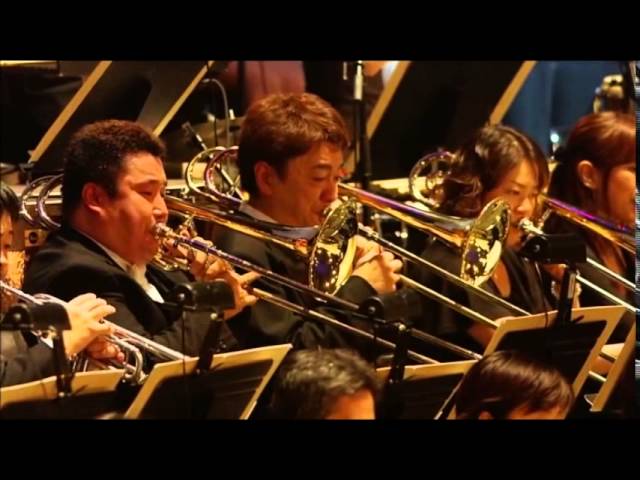
This song made the biggest impact when it was released as the ending theme of Princess Mononoke.
Yoshikazu Mera’s beautiful high-tone vocals moved listeners around the world.
Its familiar melody enhances the film’s world and sense of presence, and after the emotional experience of the movie, it carries us further into its lingering afterglow.
Since its 1998 release, it has remained a timeless classic no matter how many times we listen.

Waltz of the MagicianHisaishi Joe
As you’d expect from a waltz, its triple meter feels wonderfully comfortable.
But this is no ordinary waltz! It’s the “Witch’s Waltz,” so an air of mystery lingers throughout.
The middle section, with its unstable bass rumbling away, is a must-hear.
The tempo sweeps you along at times, then settles into a relaxed, steady pulse—making this a busy but highly recommended piece.
True to its name, the Witch’s Waltz is anything but straightforward.
I want to protect youItō Yuna

It starts with synth strings, then moves into an R&B-style kick, flowing through the A and B sections and building up to the chorus.
Someday, when an image like hers becomes a song, it will surely invite everyone to go to karaoke.
Karaoke these days covers a wide range, doesn’t it?
Little Witch Megu-chanMaekawa Yōko

This is the theme song from the TV anime “Majokko Megu-chan,” which aired starting in 1974.
If you’re a woman in your 40s, you definitely watched it, right? Everyone knows this song and those magic spell words, too.
Now that we’re older, it might be fun to transform into a sexy, grown-up Megu-chan and enjoy it.
It’s perfect as BGM for Halloween parties or for karaoke during the Halloween season.