
Enthralling mood kayō: A collection of classic Showa-era songs
Suddenly, but what kind of image do you all have of “mood kayō” (mood ballads)?
If you’re from a younger generation, you may not have even heard of the genre “mood kayō” in the first place.
Born in the postwar era, mood kayō is, as the name suggests, a form of kayōkyoku (Japanese popular song), but its definition is actually quite ambiguous.
You could say it’s a genre that values sentiment—indeed, the very “mood”—more than strictly musical elements.
This time, we’re focusing on this uniquely alluring, adult music born of the Shōwa era—mood kayō—and have gathered some representative classics.
Whether you’re a young music fan curious about Shōwa-era kayōkyoku or someone who lived through those times, please enjoy!
Playlist
| Enthralling mood kayō: A collection of classic Showa-era songs | |||
|---|---|---|---|
| show_chart | Title | Playlist | Review |
| 1 | Night Fog Bluesdikku mine |  play_arrow play_arrow | An inspiring classic that symbolizes postwar Japan |
| 2 | Farewell BluesAwaya Noriko |  play_arrow play_arrow | A Noriko Awaya classic that sings of love in a port town |
| 3 | Shianbashi BluesNakai Akira, Takahashi Masaru to Kororatīno | 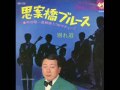 play_arrow play_arrow | A classic tune with exotic flair that colors Nagasaki |
| 4 | You shouldn’t, but you do.Satoi Ito to Happī & Burū |  play_arrow play_arrow | A masterpiece that sings of the pain of heartbreak and the obsession of love |
| 5 | Ecstasy BluesAoe Mina |  play_arrow play_arrow | Mina Aoe’s debut song, a classic of the Showa era |
| 6 | Tokyo NightclubFuranku Nagai, Matsuo Kazuko | 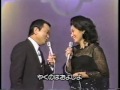 play_arrow play_arrow | A kayōkyoku song brimming with mature allure |
| 7 | Love You, TokyoKurosawa Akira & Rosu Purimosu |  play_arrow play_arrow | The bittersweet emotion of heartbreak, the charm of classic Showa-era songs |
| 8 | A Love Story in GinzaYūjirō Ishihara · Junko Makimura | 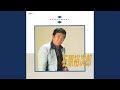 play_arrow play_arrow | Yujiro Ishihara’s classic song, a bittersweet love story |
| 9 | Una Sera di TokyoZa Pīnattsu |  play_arrow play_arrow | A masterpiece with an Italian title, exuding adult allure |
| 10 | Let’s meet in Yurakucho.Furanku Nagai |  play_arrow play_arrow | A wistful love heart getting drenched in the rain in Yurakucho |
| 11 | Don’t cry.Wada Hiroshi to Mahina Sutāzu | 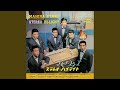 play_arrow play_arrow | A classic of Hiroshi Wada’s mood kayō (mood ballad) music |
| 12 | Such is a woman’s soliloquyMasuiyama Tashirō |  play_arrow play_arrow | A Showa-era masterpiece, a work of melancholy, Masuiyama Daishiro |
| 13 | Red and Black BluesTsuruta Koji |  play_arrow play_arrow | Koji Tsuruta’s signature songs, timeless masterpieces that colored the Showa era |
| 14 | Thank you, night fog, again tonight.Ishihara Yūjirō | 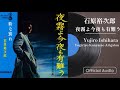 play_arrow play_arrow | Yujiro Ishihara’s heartrending classic, expressing romance in the Showa era |
| 15 | Akasaka in the RainBurū Komettosu |  play_arrow play_arrow | A chic track sets an urban vibe. |
| 16 | Longing for RainYashiro Aki |  play_arrow play_arrow | A signature song of Aki Yashiro, a masterpiece with lyrics by Yū Aku. |
| 17 | And, KobeUchiyamada Hiroshi to Cool Five |  play_arrow play_arrow | The famous song “Kobe” by Hiroshi Uchiyamada and Itsuki. |
| 18 | Woman of ShinjukuFuji Keiko |  play_arrow play_arrow | A fresh breeze in enka with Keiko Fuji’s debut song |
| 19 | The third-year affairHiroshi & Kībō |  play_arrow play_arrow | The classic hit by Hiroshi & Kībō depicting a married couple’s struggles |
| 20 | I’m appearing under my former name.Kobayashi Akira |  play_arrow play_arrow | Akira Kobayashi of the Shōwa era, hugely popular for the Wataridori (Wandering Bird) series. |
| 21 | Until we meet againOzaki Kiyohiko | 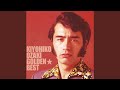 play_arrow play_arrow | Kiyohiko Ozaki’s classic from 1971—his deep voice and its charm. |
| 22 | Touch of loveSawa Hiroshi to TOKYO99 |  play_arrow play_arrow | A kayōkyoku song with a undulating rhythm and beautiful vocals |
| 23 | Wakkanai BluesHara Mitsuru to Shaneru Faibu | 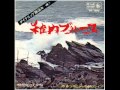 play_arrow play_arrow | The distinctive singing of Wakkanai Sabi is captivating. |
| 24 | bus stepTaira Koji |  play_arrow play_arrow | Kohji Taira’s smash hit song “Bus Stop” |
| 25 | At the tavernEri Chiemi |  play_arrow play_arrow | A long-selling song that reflects Ken Takakura’s life |
| 26 | Love You, TokyoKurosawa Akira & Rosu Purimosu |  play_arrow play_arrow | A representative mood-kayō group of the Showa era |
| 27 | to youFuranku Nagai | 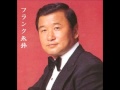 play_arrow play_arrow | Nagai’s love song, words of gratitude to his wife |
| 28 | It was rainy again in Nagasaki today.Uchiyamada Hiroshi to Cool Five |  play_arrow play_arrow | A major hit as Hiroshi Uchiyamada’s major-label debut song |
| 29 | applausechiaki naomi |  play_arrow play_arrow | A singer on par with Hibari Misora: the appeal of Naomi Chiaki |
| 30 | America BridgeYamakawa Yutaka |  play_arrow play_arrow | A bittersweet love story of the Ebisu Minami Bridge |
| 31 | Isezakicho BluesAoe Mina |  play_arrow play_arrow | The untold story behind the success of Mina Aoe’s smash hit “Isezakicho.” |
| 32 | Otaru no hito yoTsuruoka Masayoshi to Tokyo Romanchika |  play_arrow play_arrow | A song set in Otaru that depicts the romance between a man who left and a local woman. |
| 33 | Twilight Ginzarosu purimosu |  play_arrow play_arrow | Love on the Ginza stage, scenes from a charming city |
| 34 | Flying to IstanbulShōno Mayoyo |  | Istanbul, Mayoyo Shono’s signature song |
| 35 | You are my very lifeMizuhara Hiroshi |  play_arrow play_arrow | Hiroshi Mizuhara’s classic song attracts nationwide attention. |
| 36 | Such is a woman’s soliloquyMasuiyama Tashirō |  play_arrow play_arrow | The captivating singing voice and emotions of a singer who used to be a sumo wrestler |
| 37 | White StraitŌtsuki Miyako |  play_arrow play_arrow | Miyako Ōtsuki’s popular TV drama theme songs |
| 38 | Sōemonchō Bluesheiwa katsuji to daakuhosu |  play_arrow play_arrow | A singing voice echoing through the night city of a love that's ended |
| 39 | Your BluesYabuki Ken |  play_arrow play_arrow | A woman's madness where love sings like a curse |
| 40 | Nakanoshima BluesAkiniba Yutaka & Aronaitsu |  play_arrow play_arrow | Sapporo Blues of the Showa Era, Deep Melancholy |
| 41 | Love VacationZa Pīnattsu | 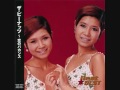 play_arrow play_arrow | A classic hit by a female duo representing the Showa era |
| 42 | lieNakaijō Kiyoshi |  play_arrow play_arrow | Kiyoshi Nakajo’s love songs resonate with women’s hearts. |
| 43 | I love you more than anyone.Wada Hiroshi to Mahina Sutāzu |  play_arrow play_arrow | Kazuko Matsuo’s famous song won the Japan Record Award. |
| 44 | Love me to the bone.Jō Takuya |  play_arrow play_arrow | Takuya Shiro's signature song, inspired by an All Nippon Airways accident |
| 45 | Silver Fox of the NightSaijō Shirō |  play_arrow play_arrow | Song depicting a nightlife hostess as a silver fox of the night |
| 46 | Osaka RhapsodyUminara Senri · Mari |  play_arrow play_arrow | Emiko Kaminuma: sister manzai comedy duet kayō (歌謡) |
| 47 | Miracle of LoveHide to Rozanna |  play_arrow play_arrow | Debut of a popular singer with an unconventional duet |
| 48 | atonementTeresa Ten |  play_arrow play_arrow | Teresa Teng’s signature song, double winner of the Cable Music Awards |
| 49 | Port Town BluesMori Shinichi |  play_arrow play_arrow | Masterpieces about port towns, legendary kayō songs that conquered the nation |
| 50 | Yanagase BluesMikawa Ken’ichi |  play_arrow play_arrow | Kenichi Mikawa, the hit song that made Yanagase famous |
| 51 | North AirportKatsura Ginshuku, Hama Keisuke |  | A love duet that begins at the northern airport |
| 52 | Tokyoyashiki takajin |  play_arrow play_arrow | A Kansai-dialect “Tokyo” makes a smash debut in Kanto |
| 53 | SachikoNikku Nyūsa |  play_arrow play_arrow | Expressing a man's melancholy with a husky singing voice |
| 54 | Don’t look back.hanī naitsu |  play_arrow play_arrow | Showa-era commercial song, hair commercial featuring regional names |
| 55 | The one I still love even after we’ve broken upRosu Indiosu & Shiruvia |  play_arrow play_arrow | A classic song that portrays the heartrending reunion of a man and woman who once parted ways. |
| 56 | rainMiyoshi Eiji |  play_arrow play_arrow | An inspiring Showa-era kayōkyoku song by Eiji Miyoshi |
| 57 | Yokohama TwilightItsuki Hiroshi |  play_arrow play_arrow | Hiroshi Itsuki’s first hit song, the piece that marks his origin |
| 58 | Fortune-telling for womenMinami Yuji to Furuseiruzu |  play_arrow play_arrow | A classic crowd-pleaser with fun lyrics |
| 59 | I’m praying for you.Satoi Ito to Happī & Burū |  play_arrow play_arrow | Toshi Itō's hit song 'Be Happy' |
| 60 | dream womanKatsura Ginshuku |  play_arrow play_arrow | Katsura Ginshuku’s big hit song wins the Wired Grand Prize |
| 61 | burden; hindrance; deadweightMori Yuji to Sazan Kurosu |  play_arrow play_arrow | Love of self-sacrifice, a song of deep compassion |
| 62 | I like Sapporo.Mori Yuji to Sazan Kurosu |  play_arrow play_arrow | A popular song from Hokkaido, a piece that represents Sapporo |
| 63 | Gardenia blossomWatanabe Tetsuya | 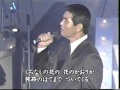 play_arrow play_arrow | The pure love song of a clumsy man |
| 64 | Keiko’s Dream Opens at NightFuji Keiko | 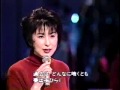 play_arrow play_arrow | Keiko Fuji’s smash hit song, No. 1 on the Oricon charts |
| 65 | A Woman’s PrideNishida Sachiko |  play_arrow play_arrow | The life of a woman who transitioned from singer to full-time housewife |
| 66 | Blue Light Yokohamaishida ayumi |  play_arrow play_arrow | A classic hit that sings of Yokohama, a million-seller |
| 67 | Let’s meet in Yurakucho.Furanku Nagai | play_arrow | A classic song that celebrates Ginza’s urban vibe |
| 68 | When I turn around, it’s YokohamaMarushia |  play_arrow play_arrow | A Japan Record Award-winning song themed around the Port of Yokohama |
| 69 | A Million RosesKatō Tokiko |  play_arrow play_arrow | A signature song of Tokiko Kato, originally based on a Latvian folk song. |
| 70 | I loved you, loved you, I ended up falling so in love.Wada Hiroshi to Mahina Sutāzu, Tashiro Miyoko |  play_arrow play_arrow | Singing about the happiness of a woman who is madly in love |
| 71 | I fell in love with Yuko like that.Masuiyama Tashirō |  play_arrow play_arrow | The classic song by sumo wrestler-turned-singer Taishiro Masuiyama |
| 72 | Woman’s PathMiya Shirō to Pinkara Torio |  play_arrow play_arrow | The allure of a smash hit, intoxicating in its vocals |
| 73 | When the rain stopsAsaoka Yukiji |  play_arrow play_arrow | Yukiji Asaoka’s famous song wins the Japan Record Award. |
| 74 | Raised in ShinjukuTsuyama Yōko, Ōki Hideo |  play_arrow play_arrow | Despite the tough conditions in Shinjuku, delivered an overwhelming vocal performance. |
| 75 | This is goodbye today.Sugawara Yoichi |  | A farewell song released in 1967 became a major hit thanks to its outstanding vocals. |
| 76 | SubaruTanimura Shinji |  play_arrow play_arrow | Shinji Tanimura's signature song and his debut performance piece at the Kōhaku Uta Gassen. |
| 77 | Freeze my heartTakayama Iwao |  | Theme song of Iwao Takayama’s smash hit “Jewel of a Woman” |
| 78 | Loving is scary.jun & nene |  play_arrow play_arrow | A classic pure-love song that sings of love and loneliness |
| 79 | Love is overŌyō Fifi |  play_arrow play_arrow | A classic farewell song from the Showa era, singing about the end of love. |
| 80 | embraceHakozaki Shinichiro | 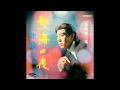 play_arrow play_arrow | The Showa-era classic song “Hōyō” (“Embrace”) sings of a woman's heart. |
| 81 | Tangled HairMisora Hibari |  play_arrow play_arrow | Hibari Misora, composing a song about a lighthouse |
| 82 | I miss you so muchSono Mari |  play_arrow play_arrow | Mari Sono’s hit song, a masterpiece with lyrics by Tokiko Iwatani |
| 83 | brandy glassIshihara Yūjirō |  | Yujiro Ishihara’s classic song “Dareka ga Matteru” becomes a big hit. |