

Suddenly, but what kind of image do you all have of “mood kayō” (mood ballads)?
If you’re from a younger generation, you may not have even heard of the genre “mood kayō” in the first place.
Born in the postwar era, mood kayō is, as the name suggests, a form of kayōkyoku (Japanese popular song), but its definition is actually quite ambiguous.
You could say it’s a genre that values sentiment—indeed, the very “mood”—more than strictly musical elements.
This time, we’re focusing on this uniquely alluring, adult music born of the Shōwa era—mood kayō—and have gathered some representative classics.
Whether you’re a young music fan curious about Shōwa-era kayōkyoku or someone who lived through those times, please enjoy!
- Cool songs from the Showa era. Masterpieces from Showa that shine with sensuality, passion, and rugged charm.
- [2026] A Collection of Masterpieces of Enka and Mood Kayō
- [Recommended for people in their 70s] Songs that really move you. Beloved classic Japanese hits of the past.
- [Classic Showa Kayō Hits] The captivating Showa-era pop songs beloved even by younger generations
- Showa-era nostalgic songs: Popular ranking
- A roundup of classic Showa-era kayō songs: a comprehensive introduction to timeless tracks loved across generations.
- Just listening to it purifies the heart... A healing song born in the Showa era.
- Heart-touching, tear-jerking masterpieces from the Showa era
- Recommended love songs for people in their 80s: A collection of classic love songs that colored the Showa era
- Tear-jerking songs recommended for men in their 60s: classic and popular Japanese hits
- So nostalgic it feels new? Showa retro classics that colored Japan’s period of rapid economic growth
- The nostalgic atmosphere tugs at your heartstrings. Tear-jerker songs from the Showa era.
- [Tearjerker] Songs that make your heart tremble with tears & moving tracks with lyrics that touch the soul
Enchanting Mood Kayō: A Collection of Showa-Era Classics (1–10)
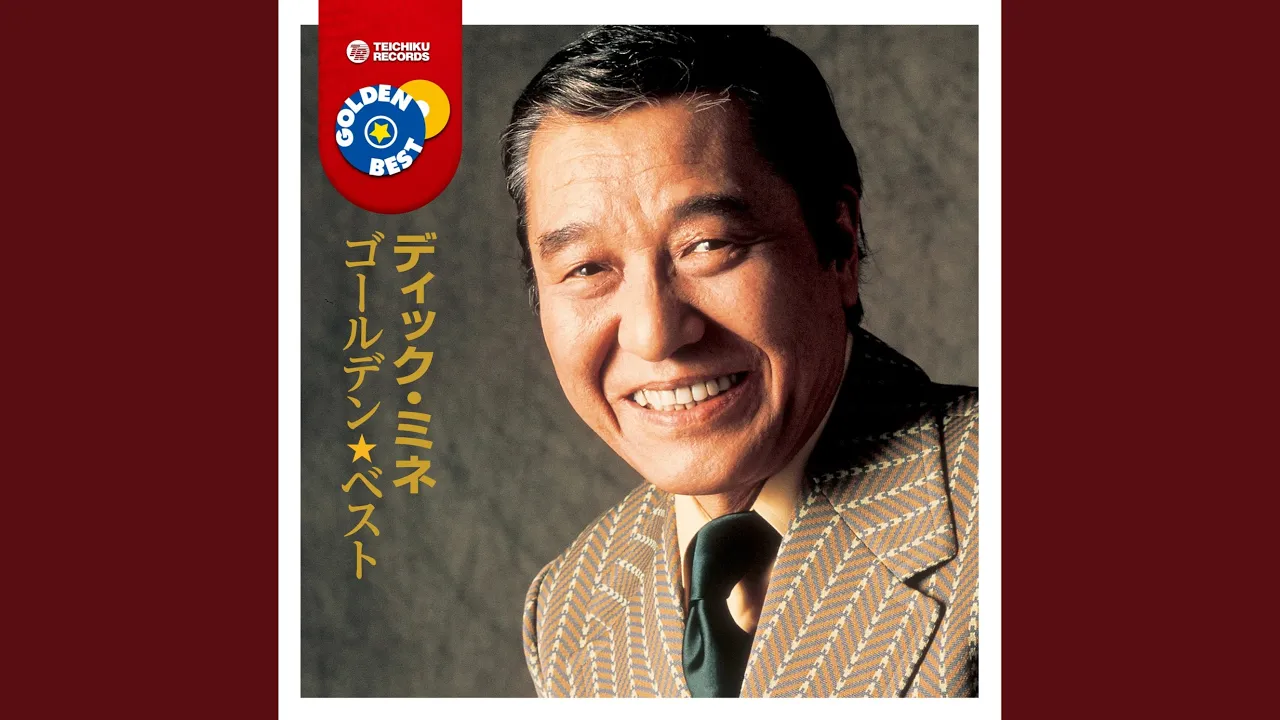
Night Fog Bluesdikku mine

Known as a classic from the Showa era, this piece continues to resonate in the hearts of many as a song that symbolizes postwar Japan.
Released in 1947, it is distinguished by Dick Mine’s warm vocals and deeply emotive melody.
It was also used as the theme song for the film “Face of Hell,” skillfully expressing male friendship and a sense of loneliness set against the backdrop of Shanghai.
The human dramas unfolding in the blue night fog vividly reflect the social climate and emotions of the time, leaving a profound impression on listeners.
Covered by numerous artists, including Yujiro Ishihara, the song has been cherished for many years.
It’s a recommended track for those who wish to contemplate the subtleties of life in the quiet of the night.
Farewell BluesAwaya Noriko

Released in 1937, this work is Noriko Awaya’s signature song and a piece that brought a fresh breeze to the Japanese blues scene.
Composed by Ryoichi Hattori with lyrics by Koh Fujiura, the song depicts a port town’s scenery and a poignant romance.
Set against the backdrop of a departing ship, it evocatively portrays a fleeting love, carried by the rhythm of the blues.
It’s said that Awaya smoked all night to roughen her voice and went into the recording to achieve a lower register.
That anecdote alone conveys her high level of professionalism.
It’s a song I’d recommend to adults wrestling with matters of the heart.
Shianbashi BluesNakai Akira, Takahashi Masaru to Kororatīno

This song, which I used to sing during my days with a cabaret’s house band, is a bona fide mood kayō that leapt out of the nighttime bars and even led to my major-label debut.
Among the many songs themed around Nagasaki, it’s a masterpiece that superbly captures the city’s exotic atmosphere.
You shouldn’t, but you do.Satoi Ito to Happī & Burū

This masterpiece sings of sweet, heartrending love and is packed with the full charm of mood kayō (Japanese mood pop).
Toshii Itō’s gentle vocals wonderfully convey both the pain of heartbreak and an unwavering attachment to love.
Released in June 1979, it became a massive hit into the following year, even ranking in the Top 10 of The Best Ten for 11 consecutive weeks, dominating the music scene of the time.
It’s recommended for those troubled by love or anyone who wants to hear songs about mature romance.
Give this work a listen, and you’re sure to experience a moving sensation that resonates deep in your heart.
Ecstasy BluesAoe Mina

As a quintessential song of the Showa era, Mina Aoe’s debut work stands out.
With her husky voice, she richly expressed the emotions of a woman consumed by love, stirring listeners’ hearts.
Released in June 1966, the song became a massive hit, selling about 800,000 copies.
Thanks to this track, Aoe was dubbed the “Queen of Showa Blues” and made her first appearance on NHK’s Kohaku Uta Gassen that same year.
The lyrics, woven from the joys and sorrows of love, continue to resonate with many to this day.
It’s a recommended piece for those grappling with adult romance or drawn to Aoe’s captivating vocals.
Tokyo NightclubFuranku Nagai, Matsuo Kazuko

Packed to the brim with the mature allure and elegance of grown men and women—something you’d never find on today’s hit charts—this song also became a karaoke staple among middle-aged men hoping to use its charm to get closer to younger women.
Love You, TokyoKurosawa Akira & Rosu Purimosu

Still beloved today as a classic from the Shōwa era, this song is a captivating blend of urban sophistication and distinctly Japanese sentiment.
While it portrays the sorrow of heartbreak, the protagonist’s determination to look ahead leaves a strong impression.
Although it was released in April 1966 as a debut single, it originally appeared as the B-side.
Half a year later, it began gaining popularity among hostesses in Kofu, Yamanashi Prefecture, and was reissued as the A-side.
It subsequently captured many hearts, achieving a staggering total of 2.5 million sales and reaching No.
1 on the Oricon chart in January 1968.
Symbolizing the mood of Tokyo nights, this song is recommended not only for those troubled by love but also for anyone interested in adult, alluring kayōkyoku.