
Enthralling mood kayō: A collection of classic Showa-era songs

Suddenly, but what kind of image do you all have of “mood kayō” (mood ballads)?
If you’re from a younger generation, you may not have even heard of the genre “mood kayō” in the first place.
Born in the postwar era, mood kayō is, as the name suggests, a form of kayōkyoku (Japanese popular song), but its definition is actually quite ambiguous.
You could say it’s a genre that values sentiment—indeed, the very “mood”—more than strictly musical elements.
This time, we’re focusing on this uniquely alluring, adult music born of the Shōwa era—mood kayō—and have gathered some representative classics.
Whether you’re a young music fan curious about Shōwa-era kayōkyoku or someone who lived through those times, please enjoy!
- Cool songs from the Showa era. Masterpieces from Showa that shine with sensuality, passion, and rugged charm.
- [2026] A Collection of Masterpieces of Enka and Mood Kayō
- [Recommended for people in their 70s] Songs that really move you. Beloved classic Japanese hits of the past.
- [Classic Showa Kayō Hits] The captivating Showa-era pop songs beloved even by younger generations
- Showa-era nostalgic songs: Popular ranking
- A roundup of classic Showa-era kayō songs: a comprehensive introduction to timeless tracks loved across generations.
- Just listening to it purifies the heart... A healing song born in the Showa era.
- Heart-touching, tear-jerking masterpieces from the Showa era
- Recommended love songs for people in their 80s: A collection of classic love songs that colored the Showa era
- Tear-jerking songs recommended for men in their 60s: classic and popular Japanese hits
- So nostalgic it feels new? Showa retro classics that colored Japan’s period of rapid economic growth
- The nostalgic atmosphere tugs at your heartstrings. Tear-jerker songs from the Showa era.
- [Tearjerker] Songs that make your heart tremble with tears & moving tracks with lyrics that touch the soul
Enthralling mood kayō: A collection of Showa-era classics (21–30)
Touch of loveSawa Hiroshi to TOKYO99

Starting with a lively, undulating rhythm and a light touch, this quintessential mood kayō piece brings together a well-defined mixed chorus that envelops a richly moisturized, beautiful voice.
Branded as an “ecstasy voice” that touches your heart, the vocals are truly electrifying.
Wakkanai BluesHara Mitsuru to Shaneru Faibu

This nasal, distinctive singing style and phrasing, along with the chorus’s rhythm that rhymes with “Wakkanai,” have a uniquely catchy quality you won’t forget once you hear it.
It’s a song that grows on you the more you listen—sure to hook anyone who’s opened the door to mood kayō (Japanese mood ballads).
bus stepTaira Koji

It was released in 1972 as Koji Taira’s seventh single.
For Taira, in his third year since debut, it became his first major hit, and the bus stop featured in the song was the bus terminal at Shibuya Station’s east exit.
In 1982, it was used in a Meiji Chocolate commercial and became one of Taira’s signature songs.
At the tavernEri Chiemi

It wasn’t an explosive hit when it was released in 1974, but it gradually started selling and became a long-running bestseller.
When I listen to this song, although I only know what the media has reported, I can’t help but think of Ken Takakura, who divorced due to circumstances.
I wonder if he felt the same way—how he didn’t attend the funeral of his ex-wife, who passed away at a young age, but went near the funeral hall and prayed for her soul from afar.
Love You, TokyoKurosawa Akira & Rosu Purimosu

Released in 1966 (Showa 41), this group represents the mood kayō genre in the Japanese pop scene.
The chorus was used in a commercial jingle, so even younger people might know it.
Although this song originally appeared as the B-side of a record, its accessible lyrics and memorable melody aligned perfectly, turning it into a long-running hit.
to youFuranku Nagai

This is a song released by Frank Nagai in 1972.
It is said to have been composed by Masaru Yoshida as an expression of gratitude to his wife, who supported him behind the scenes throughout his life.
Originally, it was included as the B-side of Frank’s 1966 single “Osaka Roman.” It is also regarded as a masterpiece that represents the culmination of Frank Nagai’s career.
It was rainy again in Nagasaki today.Uchiyamada Hiroshi to Cool Five
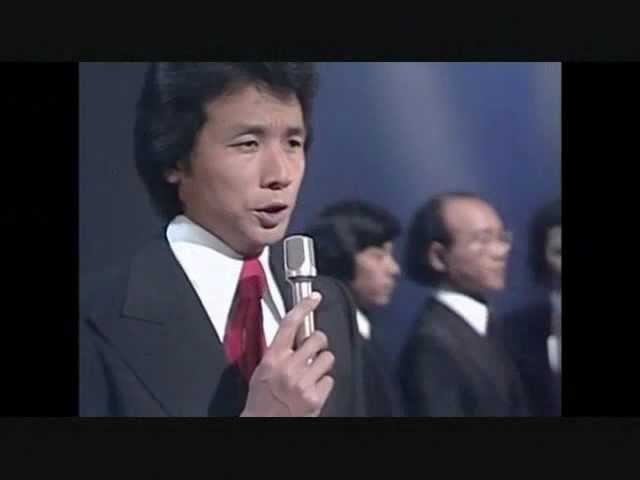
Released in 1969 as the major debut single of Hiroshi Uchiyamada and Cool Five, this song is also one of Kiyoshi Maekawa’s signature numbers from his solo career after leaving the group.
It became a massive hit, selling over 1.5 million copies, won the Best New Artist Award at the 11th Japan Record Awards, and marked their first appearance on the 20th NHK Kōhaku Uta Gassen.
The song served as the catalyst that propelled Cool Five to nationwide fame.