
Enthralling mood kayō: A collection of classic Showa-era songs

Suddenly, but what kind of image do you all have of “mood kayō” (mood ballads)?
If you’re from a younger generation, you may not have even heard of the genre “mood kayō” in the first place.
Born in the postwar era, mood kayō is, as the name suggests, a form of kayōkyoku (Japanese popular song), but its definition is actually quite ambiguous.
You could say it’s a genre that values sentiment—indeed, the very “mood”—more than strictly musical elements.
This time, we’re focusing on this uniquely alluring, adult music born of the Shōwa era—mood kayō—and have gathered some representative classics.
Whether you’re a young music fan curious about Shōwa-era kayōkyoku or someone who lived through those times, please enjoy!
- Cool songs from the Showa era. Masterpieces from Showa that shine with sensuality, passion, and rugged charm.
- [2026] A Collection of Masterpieces of Enka and Mood Kayō
- [Recommended for people in their 70s] Songs that really move you. Beloved classic Japanese hits of the past.
- [Classic Showa Kayō Hits] The captivating Showa-era pop songs beloved even by younger generations
- Showa-era nostalgic songs: Popular ranking
- A roundup of classic Showa-era kayō songs: a comprehensive introduction to timeless tracks loved across generations.
- Just listening to it purifies the heart... A healing song born in the Showa era.
- Heart-touching, tear-jerking masterpieces from the Showa era
- Recommended love songs for people in their 80s: A collection of classic love songs that colored the Showa era
- Tear-jerking songs recommended for men in their 60s: classic and popular Japanese hits
- So nostalgic it feels new? Showa retro classics that colored Japan’s period of rapid economic growth
- The nostalgic atmosphere tugs at your heartstrings. Tear-jerker songs from the Showa era.
- [Tearjerker] Songs that make your heart tremble with tears & moving tracks with lyrics that touch the soul
Enthralling mood kayō: A collection of Showa-era classics (21–30)
applausechiaki naomi

Released in 1972 (Showa 47).
Younger people may know her from Korokke’s impressions, but her actual singing ability was said to be on par with the legendary Hibari Misora—or some even claimed Naomi Chiaki surpassed her.
After her husband, who was also the older brother of Jo Shishido, passed away in 1992, she effectively retired, which is truly a shame.
KASSAI (Applause) won the 14th Japan Record Award, and it’s one of those songs where winning felt only natural—it’s really that good.
America BridgeYamakawa Yutaka

Released in 1998 as Yutaka Yamakawa’s 19th single.
The song depicts the scenery of the real Ebisu Minami Bridge (commonly known as the American Bridge) and tells of the reunion of former lovers and their bittersweet parting.
It was used as the theme song for the MBS-produced TBS drama series “From the Scene of Life” (Drama 30) Season 5, and it won the 31st Japan Lyricist Award.
Enthralling mood kayō: A collection of Showa-era classics (31–40)
Isezakicho BluesAoe Mina

It was released in 1968 as Mina Aoe’s seventh single.
Isezakicho refers to a downtown entertainment district in Yokohama.
After her debut, she had struggled to produce hits, so lyricist Kawanaka Kōhan instructed her to include a sigh—“Haan”—within the song.
The idea worked brilliantly, and the single became a major hit.
With this song, she received the Singing Award at the 10th Japan Record Awards and the Excellent Star Award at the 1st All Japan Cable Broadcasting Awards.
Otaru no hito yoTsuruoka Masayoshi to Tokyo Romanchika

You can’t help but be captivated by the pleasant tone of Masayoshi Tsuruoka’s requinto guitar in this song, which portrays the romance between a man who set off with Otaru as its stage and the woman he left behind in his hometown.
The singer masterfully switches between a sweet chest voice and falsetto, expressing it beautifully with a heartfelt, tightening delivery.
Twilight Ginzarosu purimosu

Set against the streets of Ginza, this song portrays a love story between a mature man and woman.
By using memories from each block—First through Eighth Chome—as the refrain lyrics, it achieves a fresh resonance that makes the piece memorable, rather than just another typical Ginza song.
Flying to IstanbulShōno Mayoyo

It was released in 1978 as Mayo Shono’s fifth single.
With its exotic sound, the song became a major hit and greatly boosted Istanbul’s recognition in Japan.
It has also been covered by many female artists and continues to be sung as one of Mayo Shono’s signature songs.
You are my very lifeMizuhara Hiroshi
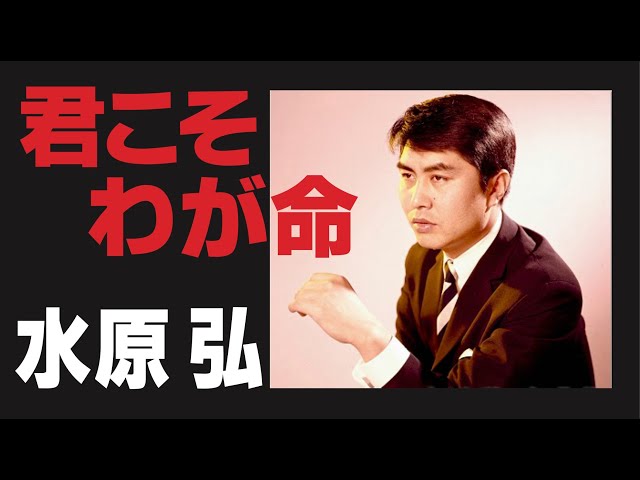
With powerful backing—lyrics by Yasunori Kawauchi and composition by Kosho Inomata—this song propelled Hiroshi Mizuhara, who had been affectionately known as “O-mizu” yet was struggling, into nationwide fame.
His vocals, which seem to reveal the sincere romantic feelings of a clumsy man, moved many listeners.