

How many can you solve? An Otsukimi trivia quiz from general knowledge to surprising fun facts

Why do we feel the full moon is especially beautiful in autumn? In fact, the moon’s appearance and the position where it’s seen each season have their own distinct characteristics.
The Harvest Moon in particular has been cherished by the Japanese since ancient times and has been celebrated in countless waka poems and haiku.
In this article, we present a trivia quiz about moon viewing! You’ll enjoy learning general fun facts, such as the origins of the tradition and how full moons differ by season.
On the next moon-viewing night, why not gaze at the moon and make some new discoveries?
- Fun facts about the Moon. A rapid-fire quiz!
- September Trivia Quiz & Fun Facts! A Fun Autumn Quiz for Kids
- How many can you solve? A surprising trivia and fun facts quiz about total lunar eclipses
- Get the party started at your autumn food gathering! A collection of surprising trivia quizzes and fun facts you might not know
- Get kids excited at the autumn food party! Trivia quiz and fun facts
- A collection of trivia and fun facts about September as we await autumn
- Fun October Trivia Quiz & Facts! Exciting Questions for Kids
- How many can you solve? Test your spring knowledge with a trivia quiz about March!
- [For Kids] December Trivia Quiz & Fun Facts! Learn about seasonal events and traditions!
- Trivia you think you know but surprisingly don’t? August trivia and fun facts quiz!
- Fun facts you’ll want to share! A roundup of October trivia and tidbits
- [For Kids] January Trivia Quiz & Fun Facts: Learn About the New Year in a Fun Way
- [Tanabata Quiz] Three-choice questions to enjoy trivia and fun facts
How many can you answer? A Moon-Viewing Trivia Quiz from General Knowledge to Surprising Facts (1–10)
Which plant is often displayed during the moon-viewing festival?
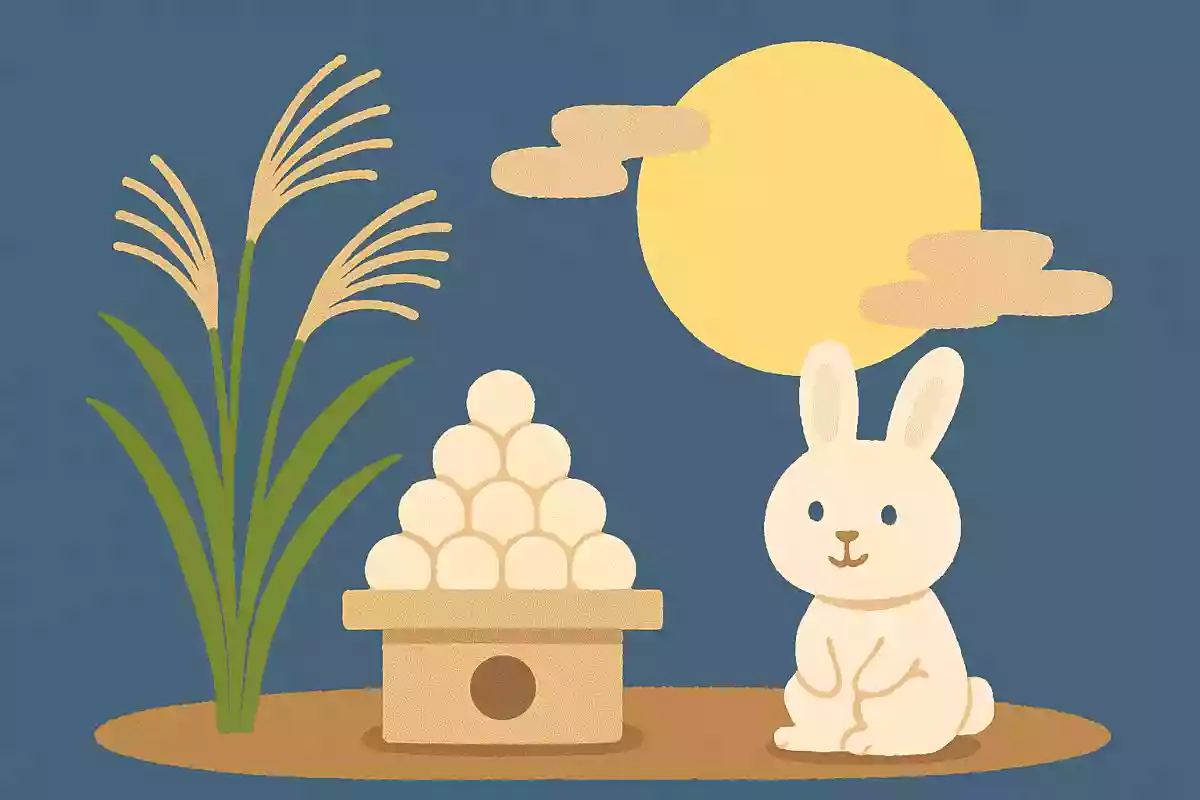
- Japanese pampas grass
- maple (Japanese maple)
- Gentian
See the answer
Japanese pampas grass
During Tsukimi, pampas grass (susuki) is displayed to pray for a good harvest. Because susuki is likened to rice ears, it has long been used in moon-viewing events such as the fifteenth-night celebration and is also considered to have protective, talismanic qualities. Another key point is that at events praying for a bountiful harvest, rice has not yet been gathered, so pampas grass is displayed instead.

From which country was the tradition of the Fifteenth Night (Jugo-ya) moon-viewing custom introduced to Japan?
- India
- South Korea
- China
See the answer
China
The custom of tsukimi, gazing at the moon and celebrating on the night of the harvest moon, originally came from China. In China, it has long been cherished as the Mid-Autumn Festival, and it is said to have been introduced to Japan during the Heian period. Thereafter, it developed into uniquely Japanese customs and events.
Since when has the moon-viewing festival (Otsukimi) been held?
- Heian period
- Nara period
- Edo period
See the answer
Heian period
The custom of moon viewing became widespread in Japan during the Heian period. At that time, the practice of appreciating the moon, which had been introduced from China, developed among the aristocracy, and moon-viewing banquets were held. Scenes of people setting boats afloat to enjoy the moon reflected on the water’s surface are depicted in works like The Tale of Genji. Eventually, the custom spread to the common people and evolved into an event that continues to this day.
How many can you answer? From common knowledge to surprising trivia in the Moon-Viewing Quiz (11–20)
What month and day in the old lunar calendar does the Juugoya (the night of the full moon) refer to?

- January 15
- May 15
- August 15
See the answer
August 15
The fifteenth night refers to the 15th day of the 8th month in the old lunar calendar, also known as the Mid-Autumn Moon. This day falls in the middle of autumn and is considered a time when the moon appears especially beautiful. In the current Gregorian calendar, the date changes every year, but the term “fifteenth night” originates from the lunar calendar.
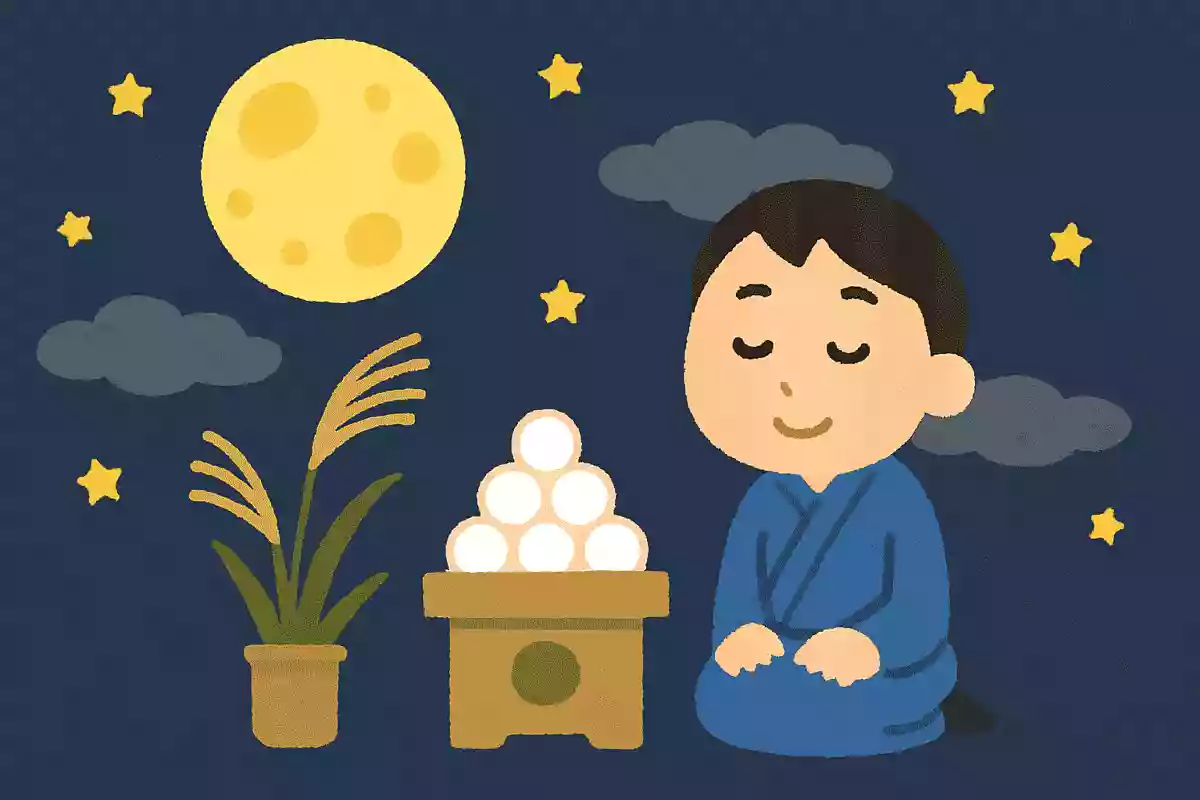
What is the reason for offering dango during the moon-viewing (Otsukimi)?
- To dedicate to the moon rabbit
- To eat during the moon-viewing festival
- to express gratitude for the harvest
See the answer
to express gratitude for the harvest
Since ancient times in Japan, there has been a custom of offering dumplings during the harvest moon (Jugoya) viewing. This practice is meant to express gratitude to the moon for a safe autumn harvest. The dumplings symbolize crops such as rice and carry the meanings of praying for a bountiful harvest and giving thanks for nature’s blessings.
How many dumplings are typically offered for the Harvest Moon (Mid-Autumn Moon)?
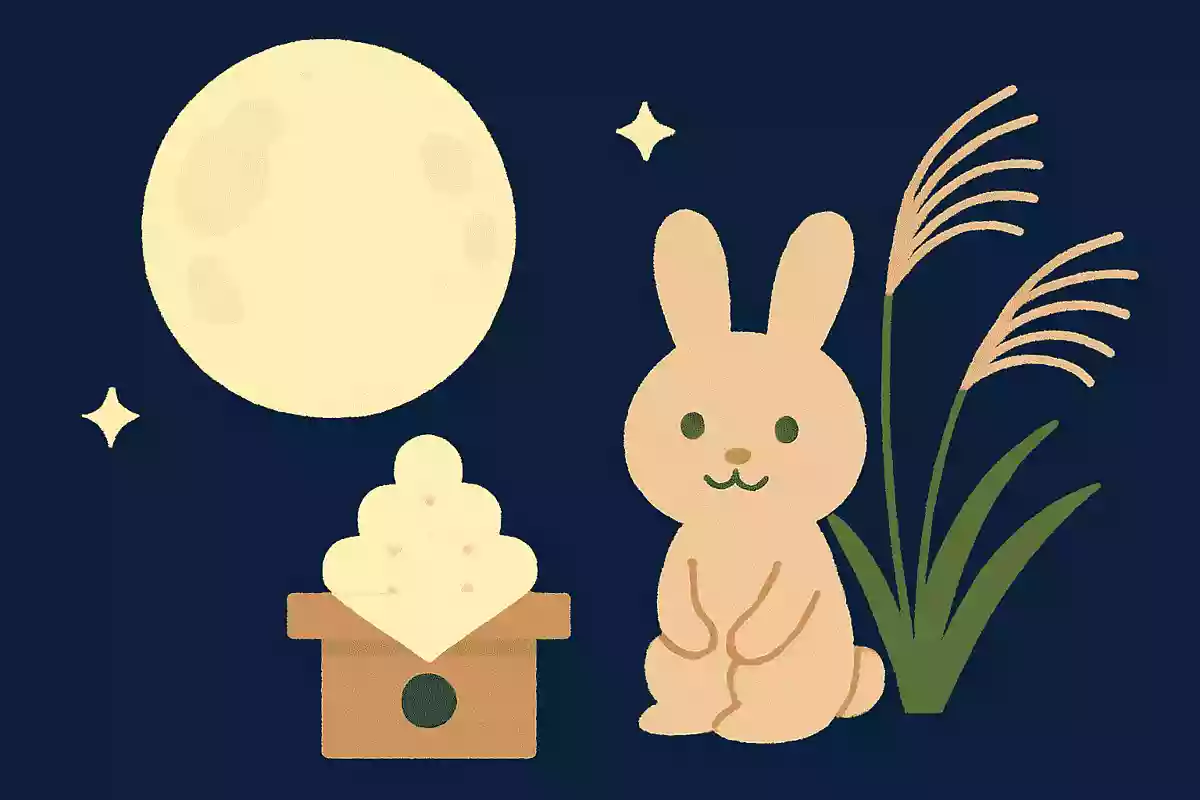
- 10 pieces
- 15 pieces
- 20 pieces
See the answer
15 pieces
It is traditionally said that fifteen dumplings are offered for the Harvest Moon (Chushu no Meigetsu). This custom is linked to the fifteenth night of the eighth month in the lunar calendar, and on that night people stack fifteen dumplings in a mound as an offering while appreciating the full moon and giving thanks for the harvest. The number may vary by region, but fifteen is the most widely known.
What is the reason pampas grass (susuki) is displayed during the moon-viewing festival?
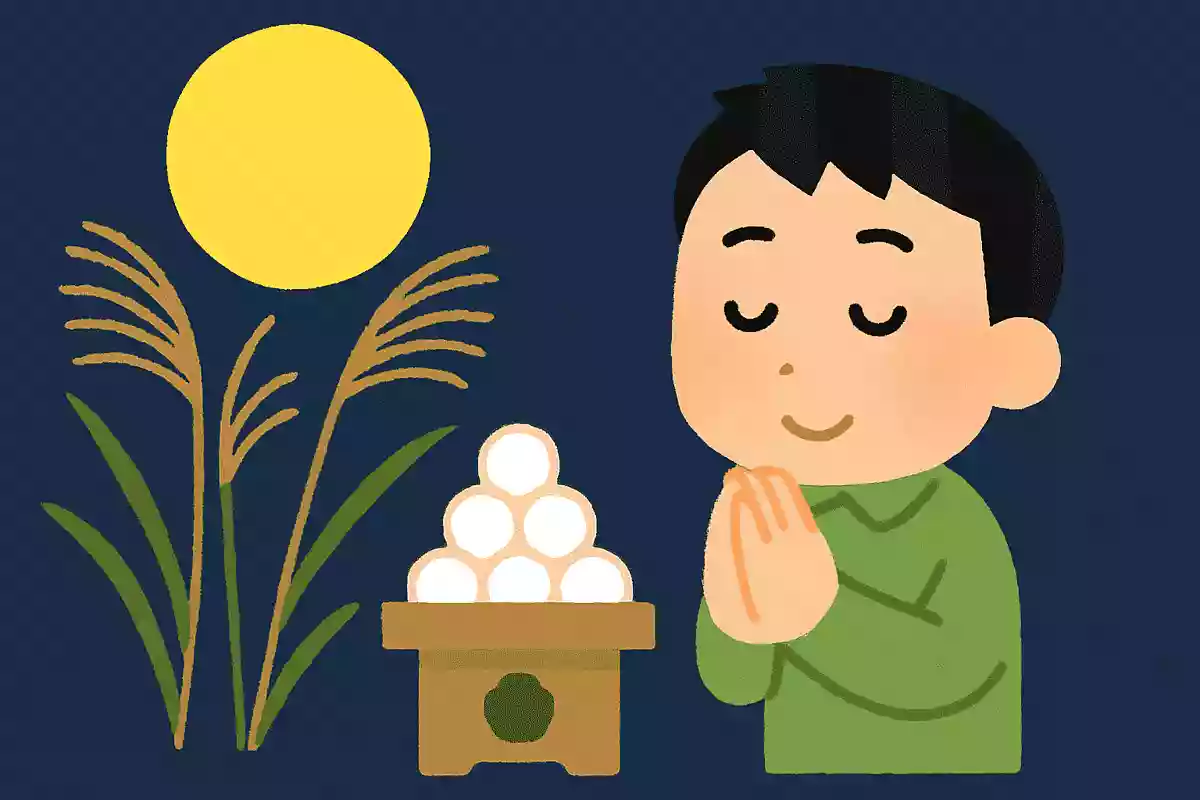
- For protection against evil and for prayers for a good harvest
- Because its appearance resembles the moon
- To repel insects with the scent of pampas grass
See the answer
For protection against evil and for prayers for a good harvest
We decorate with pampas grass for moon-viewing because it resembles ears of rice and symbolizes prayers for a good harvest, and its sharp leaves have long been thought to ward off evil. In the past, people would display pampas grass under the eaves of their homes to keep misfortune away, give thanks for the autumn harvest, and pray for a bountiful crop the following year. For these reasons, the custom of decorating with pampas grass during the moon-viewing festival has been passed down over generations.