

![[For Kids] January Trivia Quiz & Fun Facts: Learn About the New Year in a Fun Way](https://media.ragnet.co.jp/img/1200__png__https://www.ragnet.co.jp/files/2025/05/cc33b9e575f64922f7870bf601116279.webp)
[For Kids] January Trivia Quiz & Fun Facts: Learn About the New Year in a Fun Way

January, when the New Year begins, is a month packed with Japanese traditional events and customs, isn’t it? In this article, we’ve prepared kid-friendly trivia quizzes and fun facts about the New Year and January that children can enjoy while naturally learning more and more.
It’s full of little-known January tidbits—like the secrets of osechi cuisine and New Year’s games, as well as New Year’s traditions across Japan and around the world! How about kicking off the new year with smiles by trying quizzes that will spark lively family conversations?
[For Kids] January Trivia Quiz & Fun Facts: Learn About New Year’s in a Fun Way (1–10)
In the past, what did people give as New Year’s gifts instead of money?
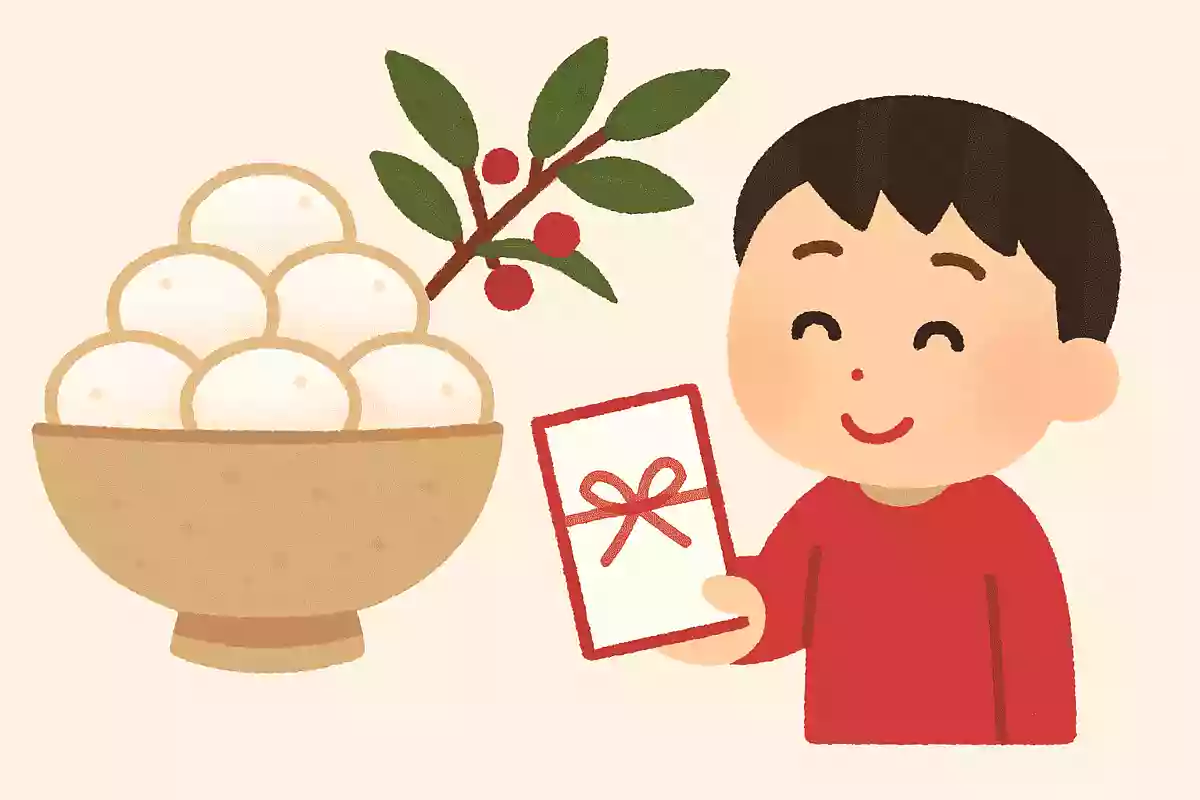
- rice cake (mochi)
- Osechi ryori (traditional Japanese New Year’s dishes)
- battledore (a traditional Japanese decorative paddle used for New Year, also used in the game hanetsuki)
See the answer
rice cake (mochi)
Otoshidama: these days it’s common to give money in a small decorative envelope, but did you know it wasn’t money in the past? The origin of otoshidama comes from the term “toshidama” (literally, ‘New Year’s spirit’), which originally referred to the rice cakes offered for the New Year. Receiving those offerings as a gift is said to be the origin of otoshidama.

What does “pochi” in “pochi-bukuro” mean?
- this little; only this much; just a tiny bit
- Dog's name
- to click to buy something online
See the answer
this little; only this much; just a tiny bit
The “pochi” in pochibukuro is said to come from a Kansai dialect word meaning a dot, something small, or just a little. It conveys the idea of giving a small token of appreciation. Originally, in the Meiji era, it was used by gentlemen to give gratuities to geisha or shop staff, and its unobtrusive, quickly pocketable size is quite chic, isn’t it?
Which is the birthstone for January?
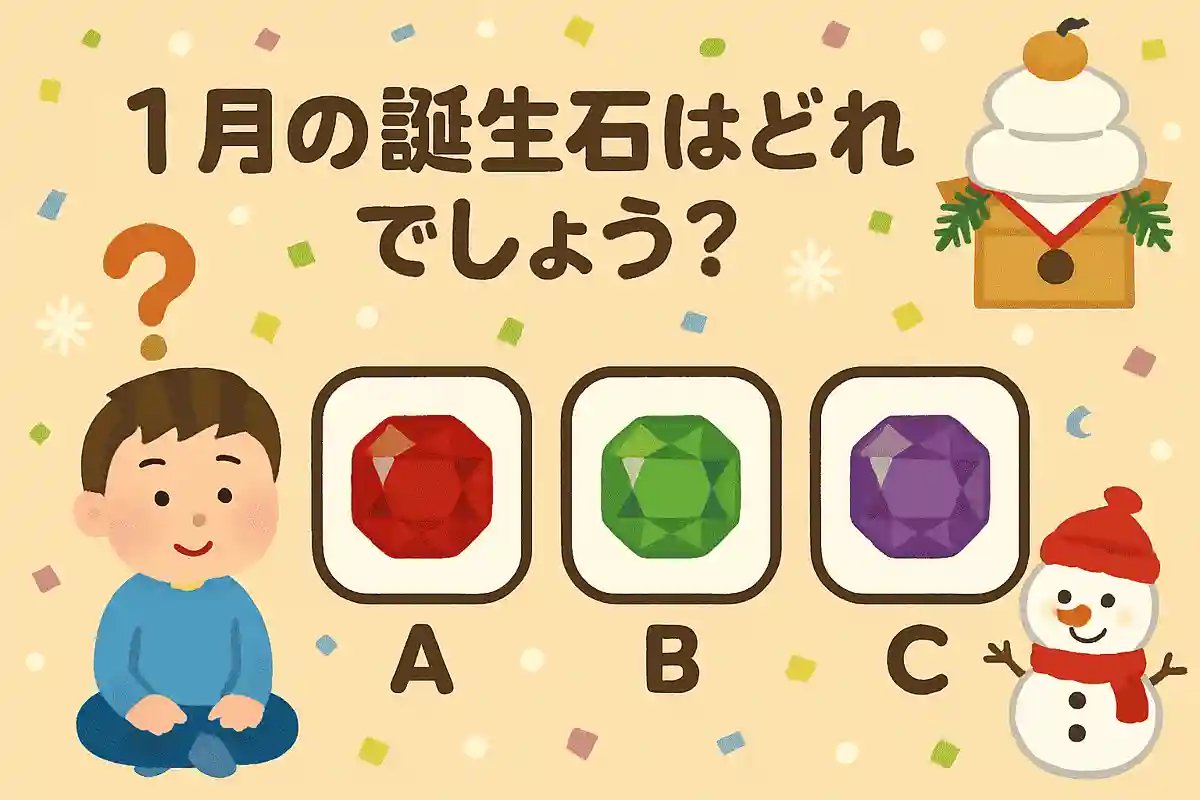
- Garnet
- Ruby
- Tourmaline
See the answer
Garnet
Garnet is called the “pomegranate stone” in Japanese because it resembles pomegranate seeds. It’s also considered a lucky gemstone that symbolizes “abundance.” Do you know your birthstone for your month? It’s kind of cool if you do, right? By the way, just like there are “flower meanings,” there are also “gemstone meanings.” One of garnet’s gemstone meanings is “passion.”
When is the Coming-of-Age Ceremony held?
- the first Sunday of January
- the second Monday in January
- the fourth Sunday of January
See the answer
the second Monday in January
Until 1999, it was set on January 15 every year. After that, due to the national “Happy Monday” system, it was moved to the second Monday of January. In 2022, the age of adulthood was lowered from 20 to 18. Thinking about that, the coming-of-age ceremony has really taken various forms. For all of you, it’s still a little way off, isn’t it?
In the saying about lucky things to see in the first dream of the year, it goes: first, Mount Fuji; second, a hawk; what is the third?
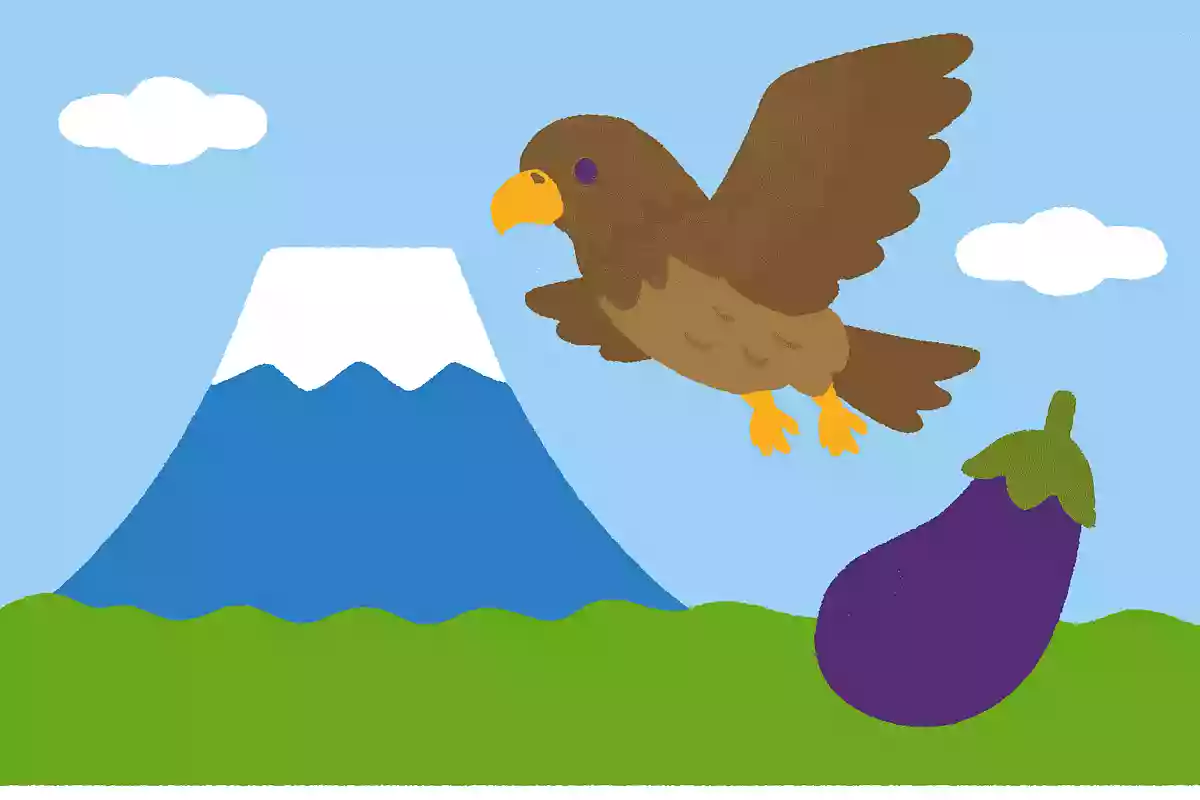
- chestnut
- kelp
- eggplant
See the answer
eggplant
As auspicious things to see in your first dream of the year, it goes: Mount Fuji, then a hawk, and an eggplant. Mount Fuji signifies immortality (fushi), the hawk signifies height (takai), and the eggplant signifies accomplishment (nasu). It’s not widely known, but did you know the list continues? They say: fourth, a folding fan; fifth, tobacco; sixth, a blind monk. The fan and tobacco are items used where people gather, and the blind monk (zato) is associated with having no hair, which by wordplay shifts to mean “no injury.”
What should you not do during the New Year?
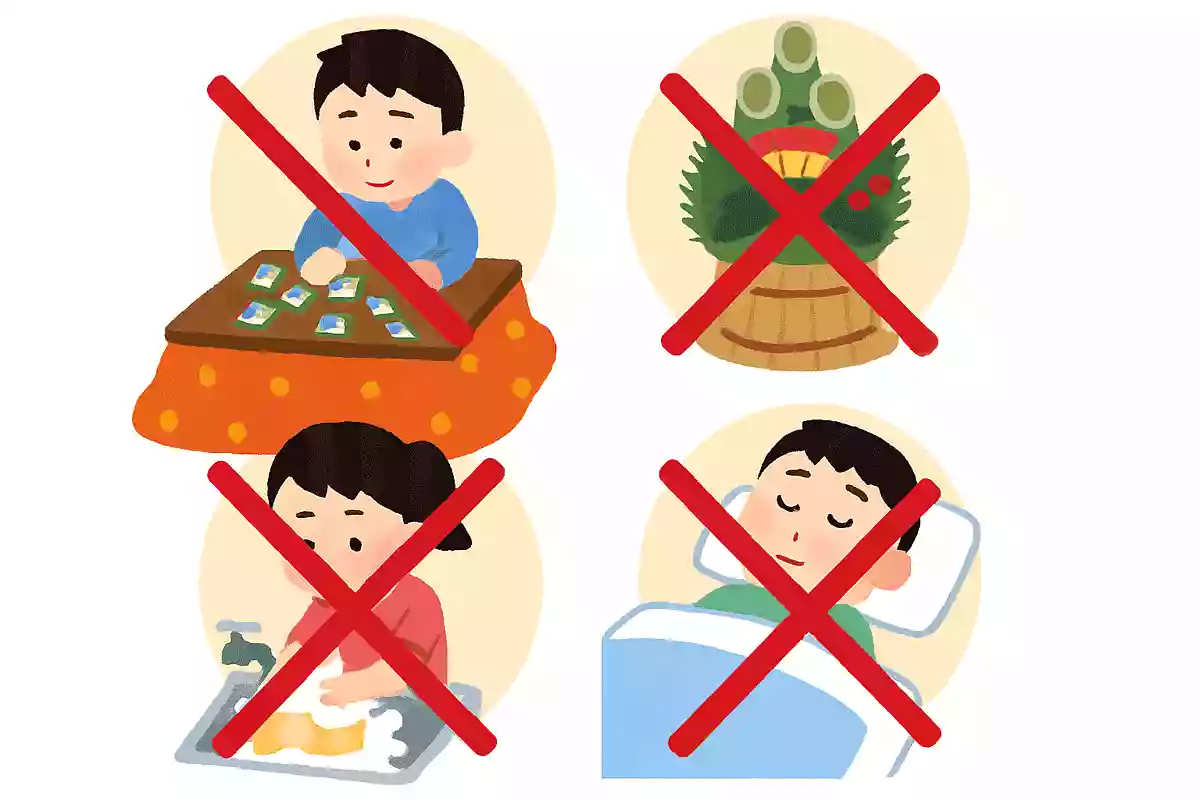
- staying up late
- Cleaning
- Game
See the answer
Cleaning
There are various things you shouldn’t do during the New Year period, and among them, cleaning is disliked because it’s said to sweep away the year’s good fortune and luck. Even without that reasoning, you probably don’t want to clean during the New Year when you’d rather spend the time quietly and at ease. Finish your cleaning thoroughly by New Year’s Eve and welcome the New Year with a refreshed feeling.
What do people typically eat on January 7?
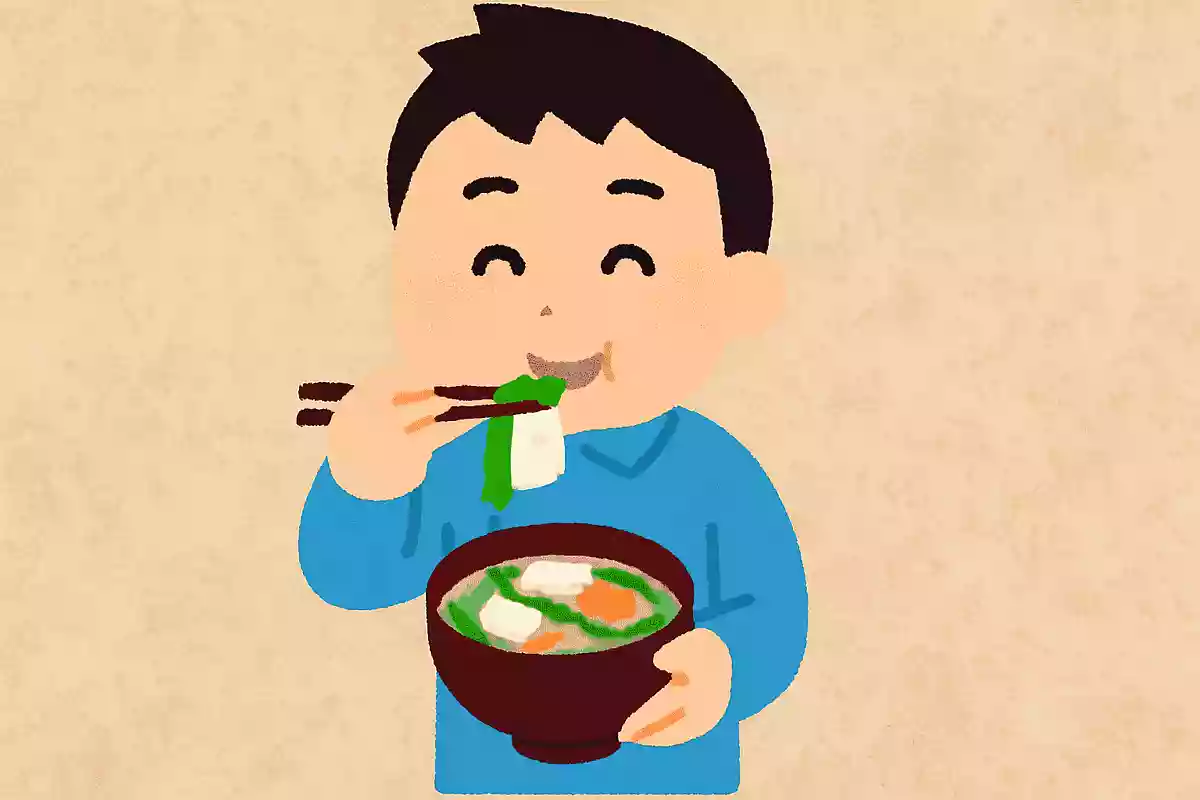
- Seven-herb rice porridge
- Kagami mochi
- curry
See the answer
Seven-herb rice porridge
On January 7th, the Festival of Seven Herbs (Jinjitsu), people eat seven-herb rice porridge, a custom said to have begun in the Edo period. Each of the seven herbs carries its own meaning and is imbued with wishes. In addition to praying to spend the year in good health and free from illness by eating it, there is also the aim of soothing stomachs tired from New Year’s overindulgence and getting vitamins that tend to be lacking in winter.