

[For Kids] January Trivia Quiz & Fun Facts: Learn About the New Year in a Fun Way

January, when the New Year begins, is a month packed with Japanese traditional events and customs, isn’t it? In this article, we’ve prepared kid-friendly trivia quizzes and fun facts about the New Year and January that children can enjoy while naturally learning more and more.
It’s full of little-known January tidbits—like the secrets of osechi cuisine and New Year’s games, as well as New Year’s traditions across Japan and around the world! How about kicking off the new year with smiles by trying quizzes that will spark lively family conversations?
- Fun facts you’ll want to share! January trivia and tidbits special
- [For Elementary School Kids] A New Year’s Quiz Everyone Can Enjoy! Learn surprising fun facts with multiple-choice questions
- So interesting you’ll want to tell someone! December Trivia & Fun Facts Special
- New Year party games that get everyone excited: a fun collection of ideas from classics to DIY
- [For Kids] December Trivia Quiz & Fun Facts! Learn about seasonal events and traditions!
- Trivia quiz with useful tips to know: fun facts that come in handy at school or at home [for kids]
- [For Kids] Today’s Quiz Roundup: Let’s play quizzes about today! [March 2026]
- Let's get excited with a New Year quiz! General questions about the Japanese New Year
- New Year’s Games: Traditional Play and Fun Activities That Excite Everyone from Kids to Adults
- [For Elementary School Students] Trivia About April
- [For Elementary School Students] Animal Quiz to Learn Knowledge and Fun Facts
- [For Kids] November Trivia Quiz & Fun Facts: Let’s Learn While Having Fun!
- Recommended in March! A collection of surprising, little-known trivia that elementary school students will want to share
[For Kids] January Trivia Quiz & Fun Facts: Learn About the New Year the Fun Way (21–30)
What kind of eggs are the kazunoko in osechi made from?
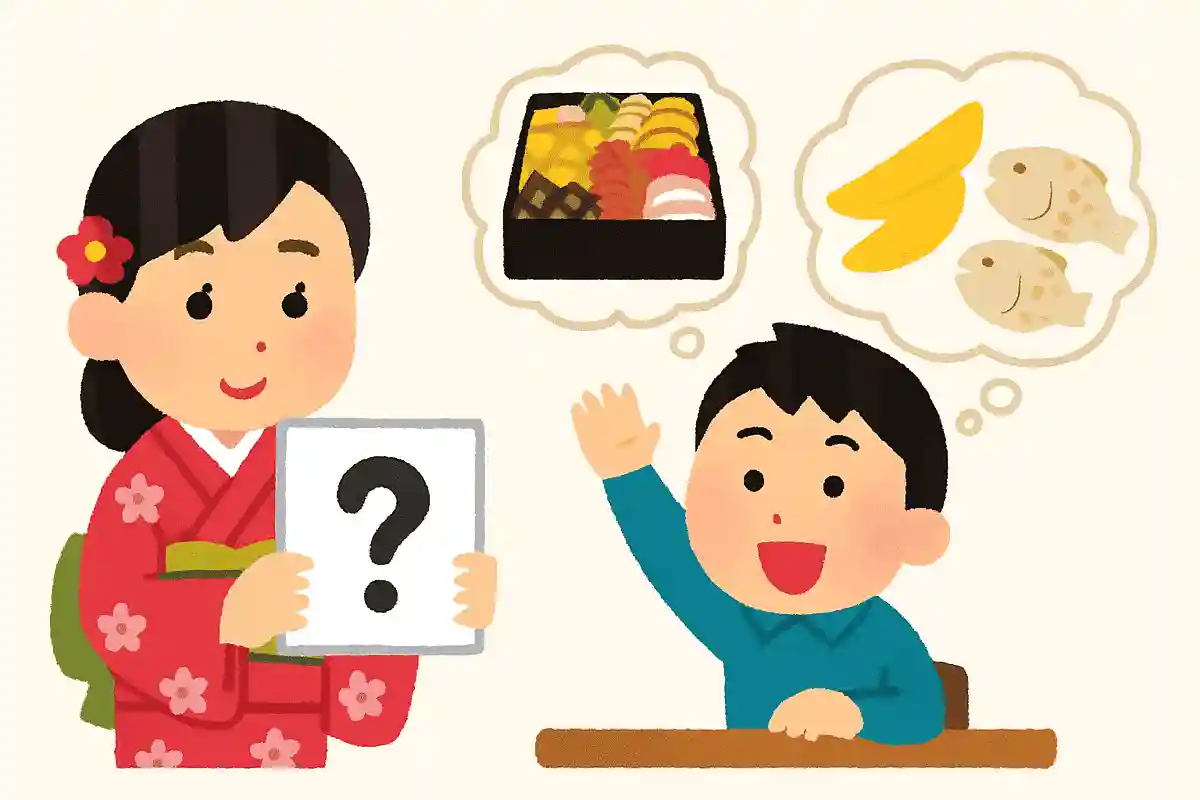
- salmon
- herring
- flying fish
See the answer
herring
Kazunoko is herring roe. The kazunoko used in osechi cuisine is considered an auspicious food that symbolizes wishes for fertility and family prosperity, making it an essential ingredient for the Japanese New Year. Because herrings lay a large number of eggs, their roe, kazunoko, is eaten with the hope of being blessed with many children. Its popping texture is also distinctive, and it has long been cherished as a traditional New Year’s dish in Japan.

How many times is it okay to draw a fortune slip?
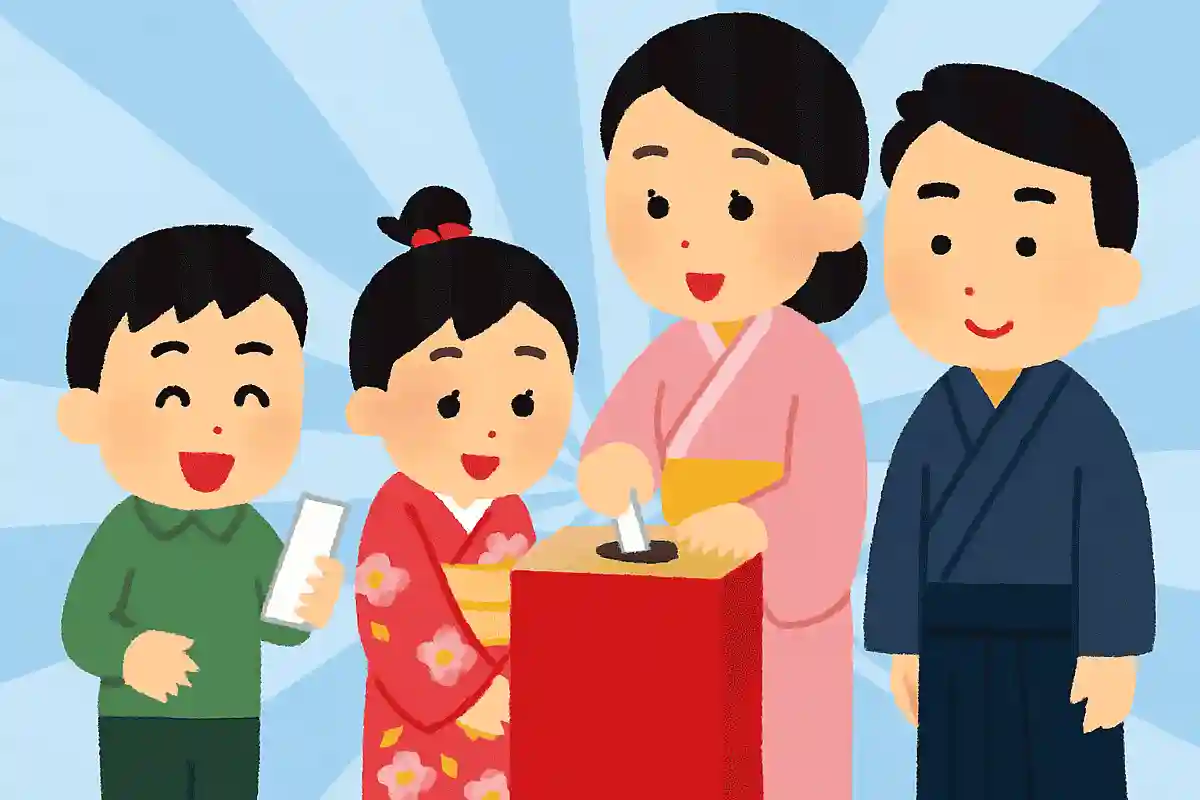
- one time
- three times
- As many times as you like
See the answer
As many times as you like
Omikuji are fortune-telling slips drawn at shrines and temples, and there’s basically no set limit on how many times you can draw one. Even if you don’t like the result you got the first time, drawing again isn’t considered rude. However, it’s generally recommended to avoid drawing repeatedly in quick succession for the sake of good manners. The idea that “you can draw omikuji as many times as you like” exists because there’s no official rule. What’s important is not to get too carried away by the result and to welcome the New Year with a positive mindset.
Why do we pack osechi dishes into tiered jubako boxes?
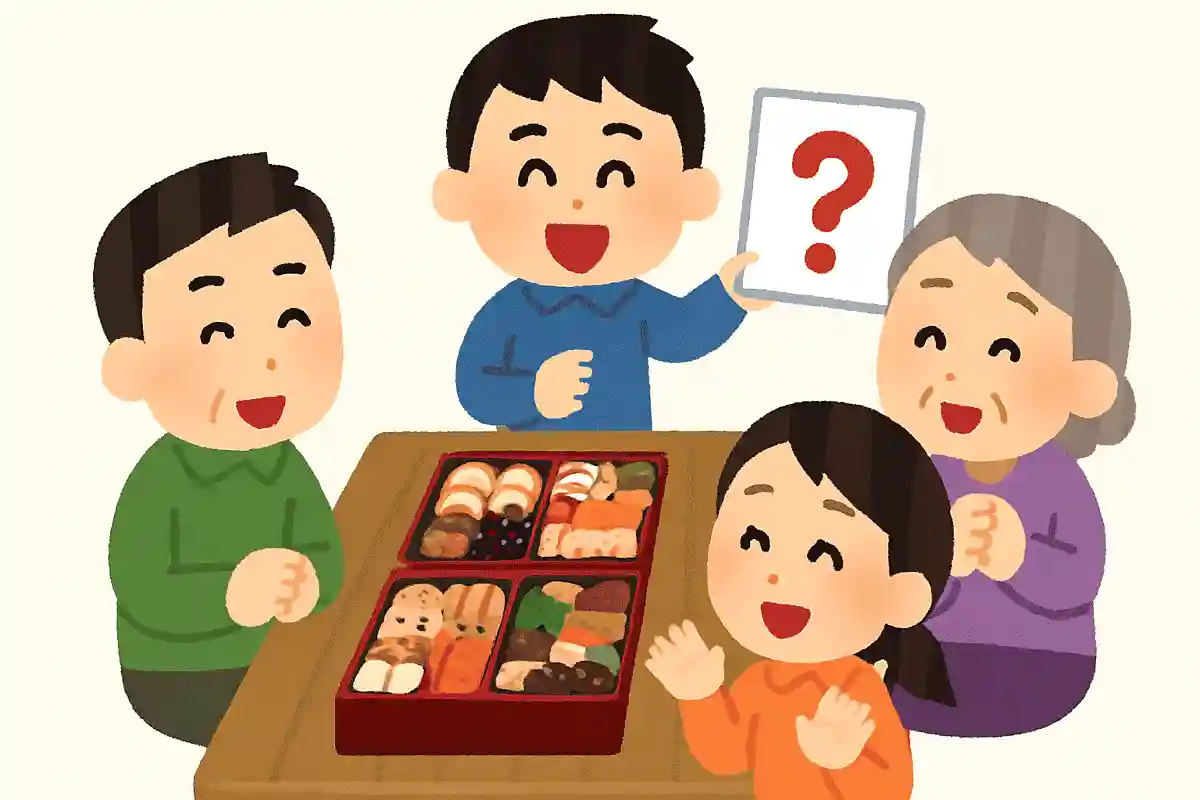
- To reduce the burden of doing the dishes
- To share (with others)
- A wish for layers of good fortune and auspiciousness to overlap
See the answer
A wish for layers of good fortune and auspiciousness to overlap
Stacking osechi dishes in layered jubako boxes carries the wish that good fortune and auspiciousness will come in many layers. In traditional Japanese culture, “layering” itself holds meaning, embodying the hope that a family’s happiness and prosperity will continue in multiple layers. For this reason, the practice has been passed down not only for visual beauty and preservation, but as a distinctly Japanese custom that values auspiciousness.
What was traditionally given as New Year’s gifts instead of money in the past?
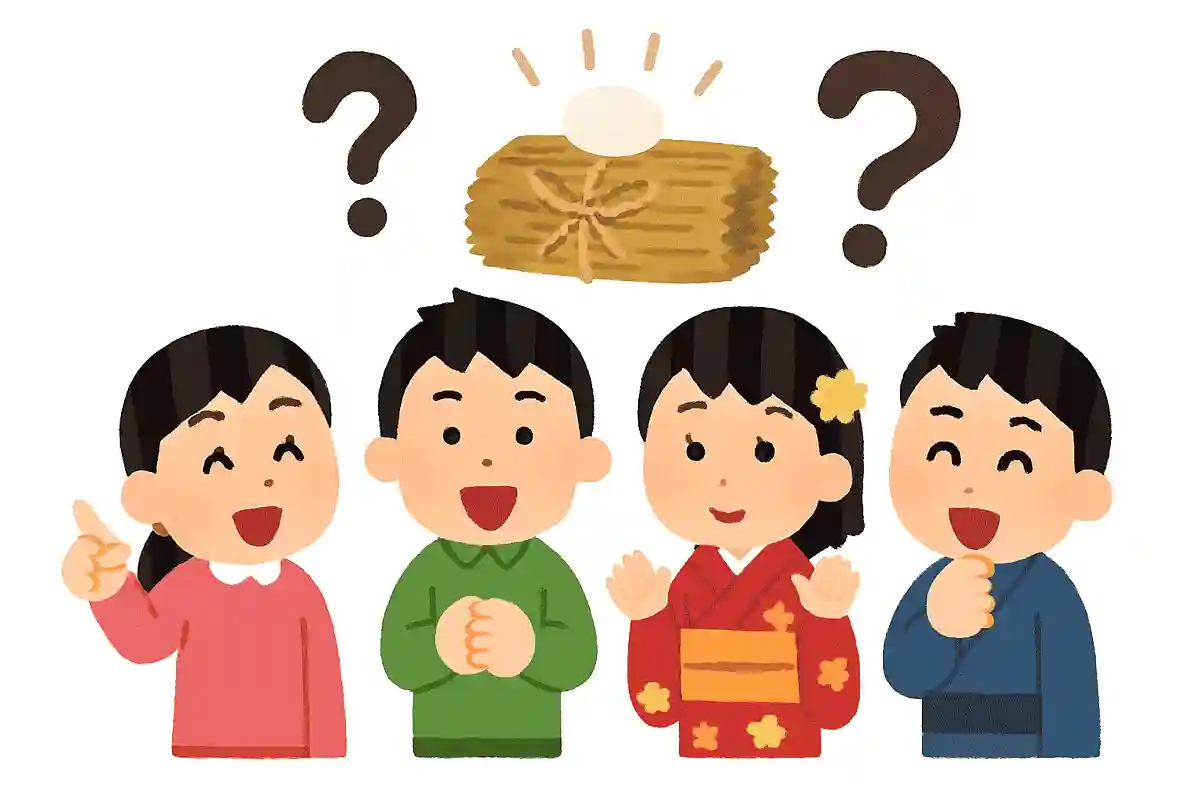
- mandarin orange
- rice cake (mochi)
- amulet
See the answer
rice cake (mochi)
Otoshidama is said to have originated from the custom of sharing with family members and children, at the start of the year, rice cakes that were originally offerings to the Toshigami (the New Year deity). By dividing and sharing the mochi, which was believed to be imbued with the deity’s spirit, people expressed wishes for a year of health and happiness. Over time, the custom shifted from giving mochi to giving money, becoming the modern otoshidama.
What do you call going around to various homes to offer New Year’s greetings?
- New Year’s courtesy visits
- New Year rounds
- New Year’s rounds
See the answer
New Year’s courtesy visits
“New Year’s visits” (toshikoshi/nen-shi mawari) is a traditional Japanese custom of going from house to house during the New Year to greet relatives, acquaintances, and colleagues. It is an important practice for expressing gratitude to those who have helped you and conveying your hopes for continued goodwill in the coming year, and it has been observed across Japan since long ago. This custom also plays a role in strengthening personal connections.
Which New Year’s game was banned during the Edo period?
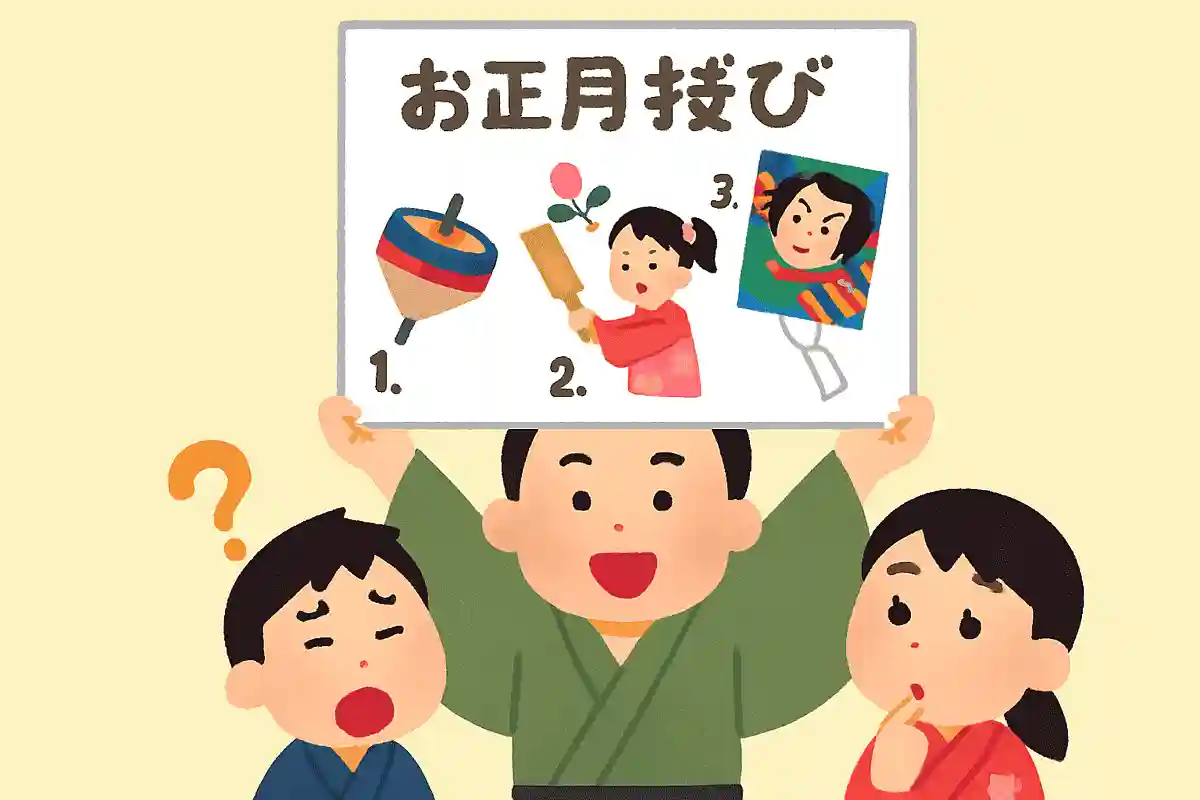
- kite flying
- karuta (traditional Japanese card game)
- Battledore and shuttlecock
See the answer
kite flying
During the Edo period, there was a time when kite flying was banned. This was because the growing number of people flying kites led to frequent accidents, such as injuries to passersby caused by kite strings and kites getting entangled with houses or power lines. Social issues were also noted, including people becoming so absorbed in play that they neglected work or study, and kite flying becoming a form of gambling. For these reasons, especially in the densely populated city of Edo, the shogunate prohibited kite flying.
What do you paint on the face as a penalty in hanetsuki?
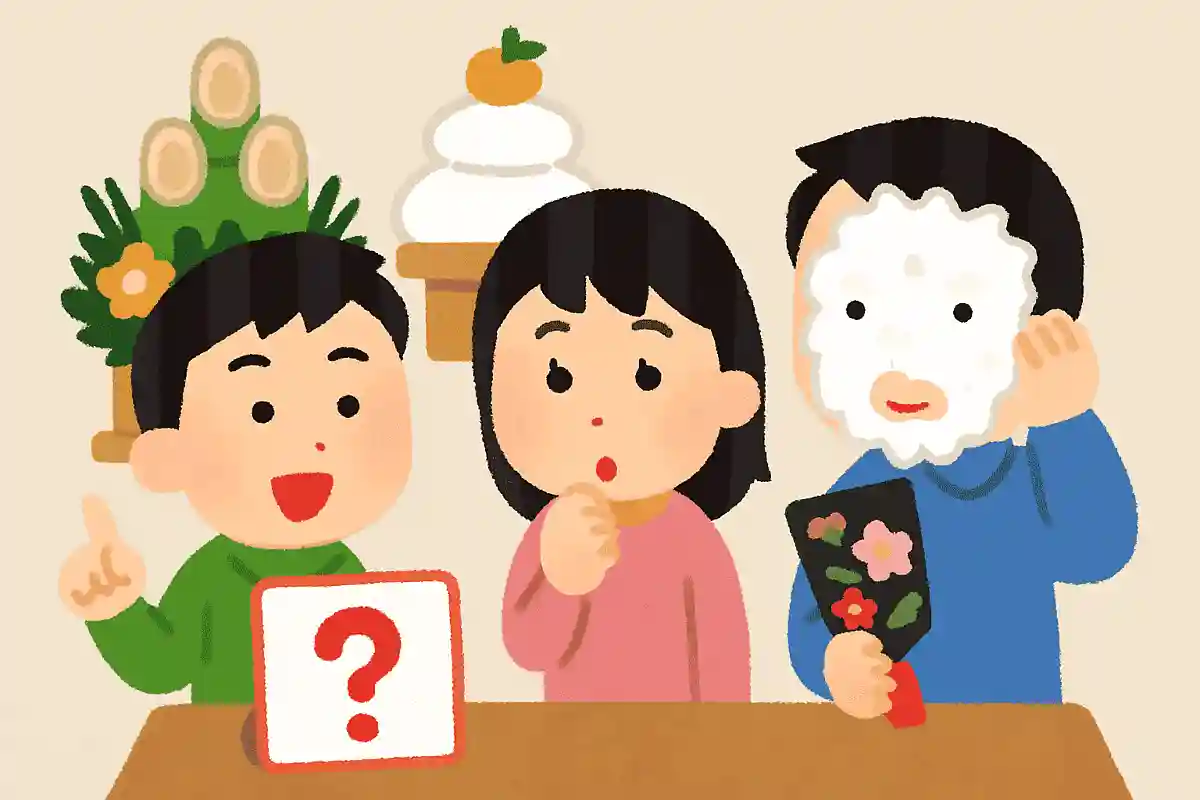
- fresh cream
- paint
- ink
See the answer
ink
Hanetsuki is one of Japan’s traditional New Year’s games. There has also long been a custom that, as a penalty for losing at hanetsuki, you paint the loser’s face with ink. Black is considered a color that demons dislike, and this practice arose with the meaning of warding off evil. Painting ink on the face creates laughter and lets people enjoy the uniquely relaxed atmosphere of the New Year. It’s a fun custom that has been loved by both children and adults since long ago.
What is the name of the stand that the kagami mochi is placed on?
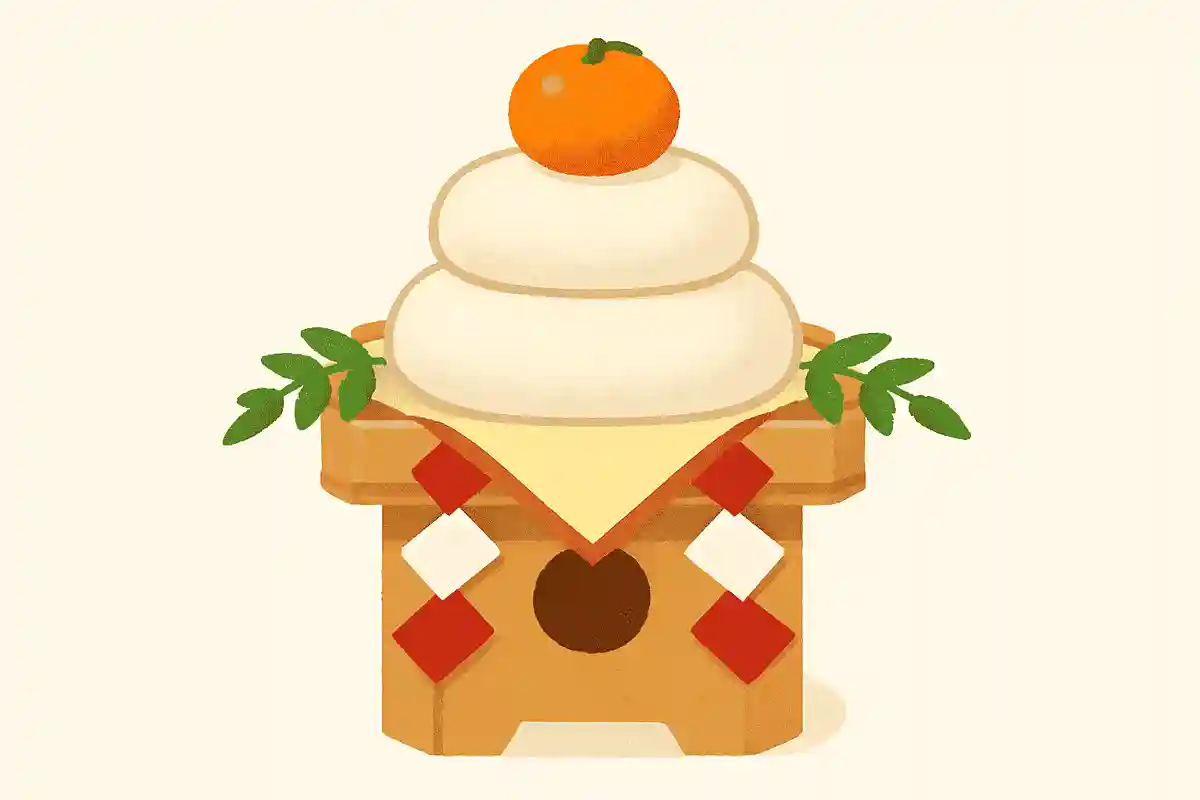
- tray table for serving a meal; individual dining tray (ozen)
- sanpō (a Japanese term meaning “three sides/directions”; also a traditional wooden offering stand used in Shinto/Buddhist rituals)
- household Shinto altar
See the answer
sanpō (a Japanese term meaning “three sides/directions”; also a traditional wooden offering stand used in Shinto/Buddhist rituals)
A sanpō is a stand used in traditional Japanese ceremonies and Shinto rituals, and during the New Year it is used to hold kagami mochi. It is a wooden, square-shaped stand characterized by openings on three of its sides, with the remaining side facing the altar. Offering kagami mochi on a sanpō to the deities expresses gratitude and wishes. It is an essential New Year decoration and an important item that conveys Japanese culture and customs.
Which of the vegetables in nanakusa-gayu is daikon?
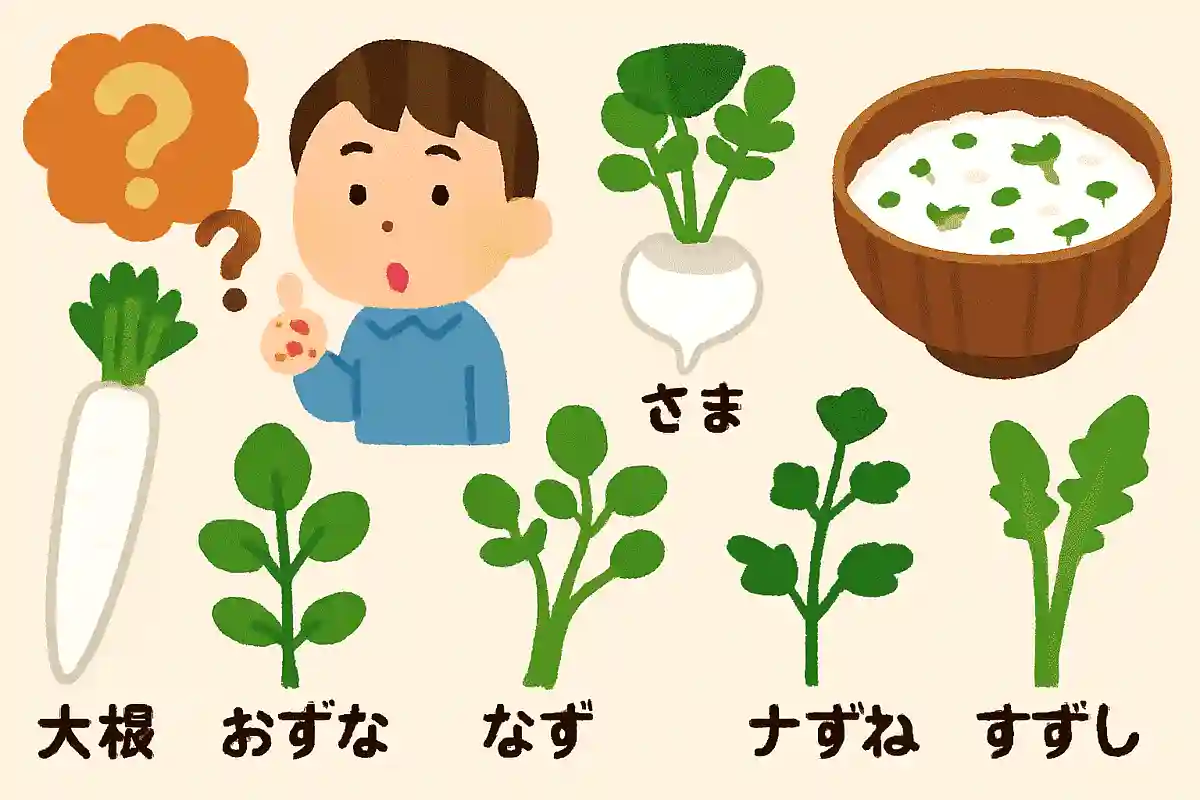
- Chickweed
- Turnip
- daikon (Japanese white radish)
See the answer
daikon (Japanese white radish)
Nanakusagayu is imbued with the wish for a year of good health, free from illness. It’s also said to give your stomach a rest after the lavish New Year’s dishes. Suzushiro is an old name for daikon. Daikon is white, and because white symbolizes purity and is considered auspicious, the name “suzushiro” was applied by extension.
What kind of mochi is included in Kagawa Prefecture’s ozoni?
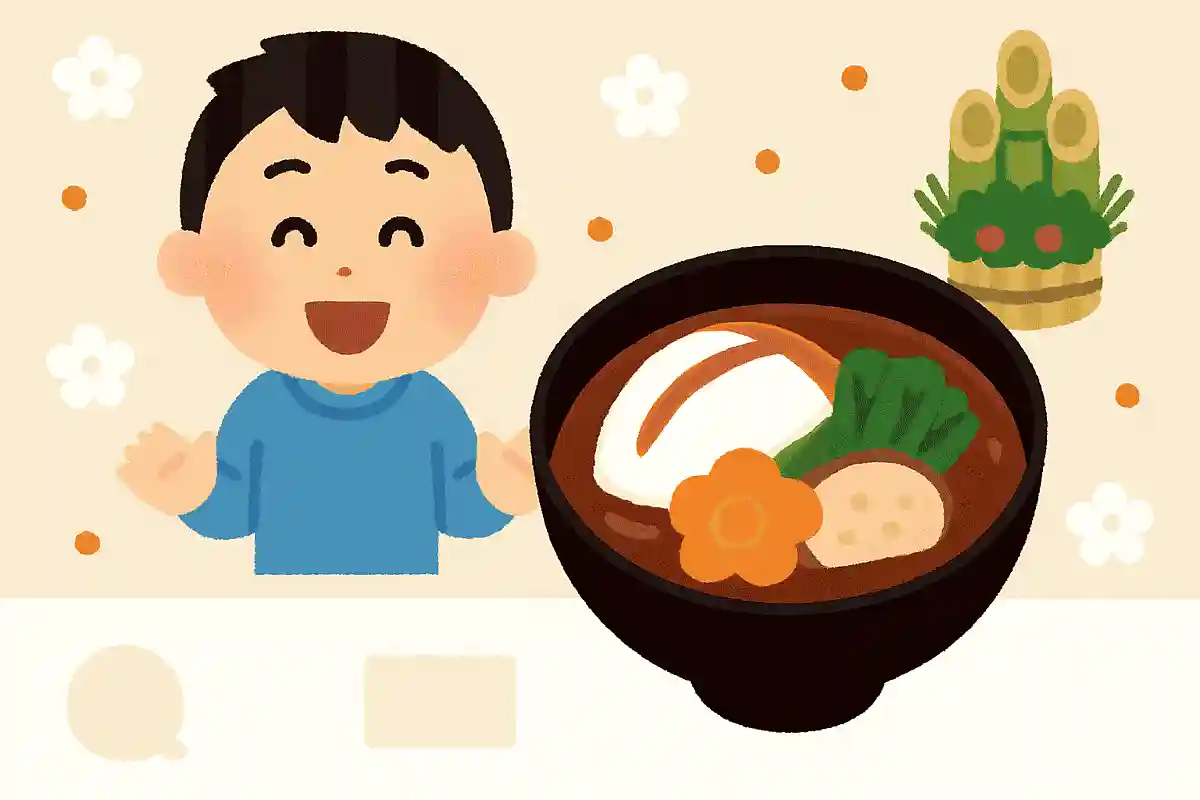
- rice cake filled with sweet red bean paste
- kinako mochi
- Gohei-mochi
See the answer
rice cake filled with sweet red bean paste
Ozoni is a special dish imbued with wishes for a year of happiness and health. It also reflects regional character: people often say the Kanto area favors a soy-sauce-based broth, while the Kansai area uses white miso. Mochi is always included—square mochi is common in the Tohoku region, and round mochi in Kyushu. But mochi filled with sweet red bean paste is a bit unexpected, isn’t it? What is the ozoni like in your region?