

Let's get excited with a New Year quiz! General questions about the Japanese New Year


How much do you know about New Year’s in Japan? Even customs we repeat every year without much thought can be surprising once you learn their background—you’ll find yourself thinking, “So that’s what it means!” In this article, we present general knowledge and trivia about the New Year in a quiz format! It’s packed with facts you might think you know but don’t, such as the meaning of otoshidama envelopes, the sentiments behind osechi cuisine and traditional New Year’s games, and things you shouldn’t do during the New Year period.
Try it out and have fun with family and relatives when you gather together!
Let's get excited with a New Year quiz! General questions about Japanese New Year (1–10)
Where is it generally considered good to go for the first shrine visit of the New Year (hatsumode)?
- Famous shrines and temples in the area
- The closest shrine to my home
- Shrines and temples near my parents' home
See the answer
The closest shrine to my home
In general, it is customary for Hatsumode—the first shrine visit of the New Year—to go to the Shinto shrine closest to where you live. This is because the ujigami, the guardian deity of your area including your home, is enshrined there, so it is considered best to visit the nearest shrine first. Hatsumode is known as a traditional event to celebrate the New Year while praying for things like household safety and good health.

What is the origin of otoshidama?
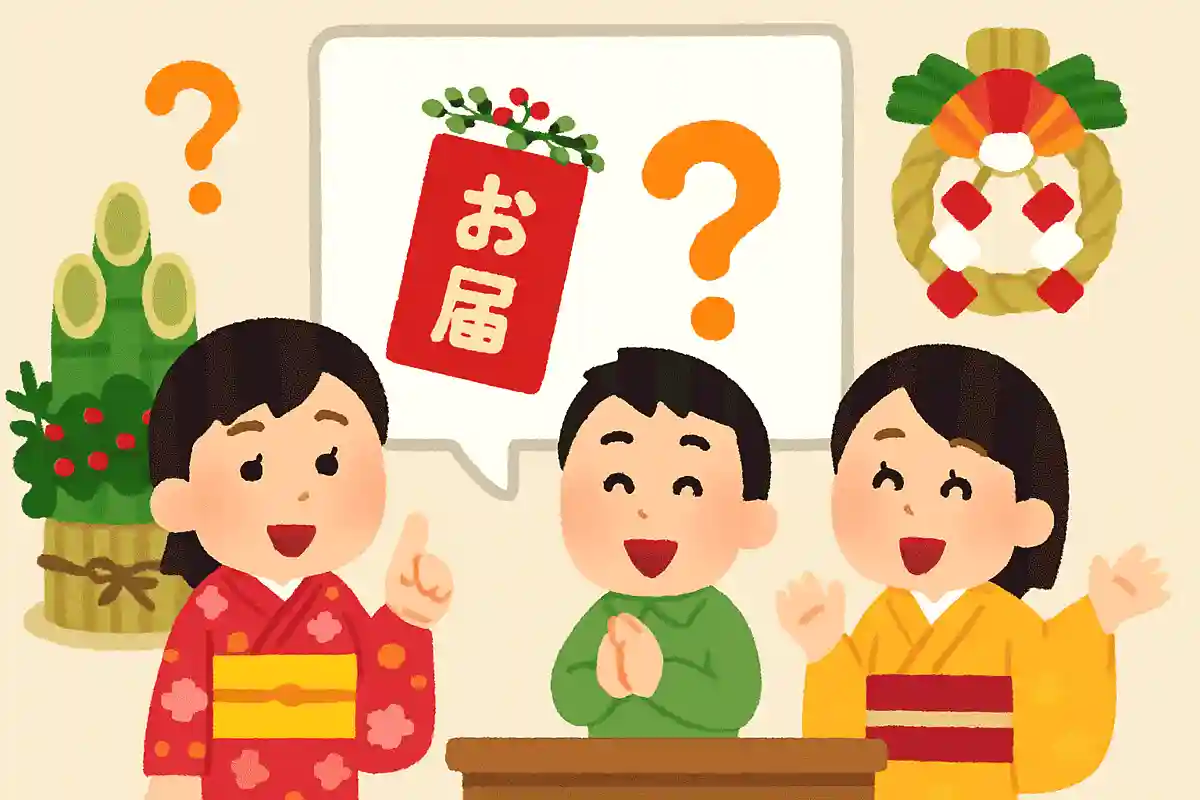
- A round ball that children play with at New Year
- The New Year deity’s gift, the soul
- Amulet for prosperity
See the answer
The New Year deity’s gift, the soul
Otoshidama, New Year’s gifts imbued with the meaning of the spirit and blessings bestowed by the Toshigami deity. As we welcome the Toshigami who arrives for the New Year, it is said that the deity’s spirit dwells in the kagamimochi offered in worship. The origin lies in reading this kagamimochi as “otoshidama,” and it was believed that breaking the kagamimochi would bring good fortune.
What is the origin of the New Year (Oshogatsu)?
- Welcome and celebrate the New Year deity (Toshigami-sama).
- Spend the New Year without working
- Eat mochi together with my family
See the answer
Welcome and celebrate the New Year deity (Toshigami-sama).
The reason January is called “Shōgatsu” (New Year) is that the character for “shō” contains the meaning of the beginning of the year and renewing the year. The New Year is a traditional event in which families and relatives welcome the Toshigami deity and offer hospitality, praying for the household’s happiness and prosperity. Its origins lie in Japanese customs and ceremonies of offering prayers to the gods.
Why is the envelope used for New Year’s gift money called a “pochi-bukuro”?
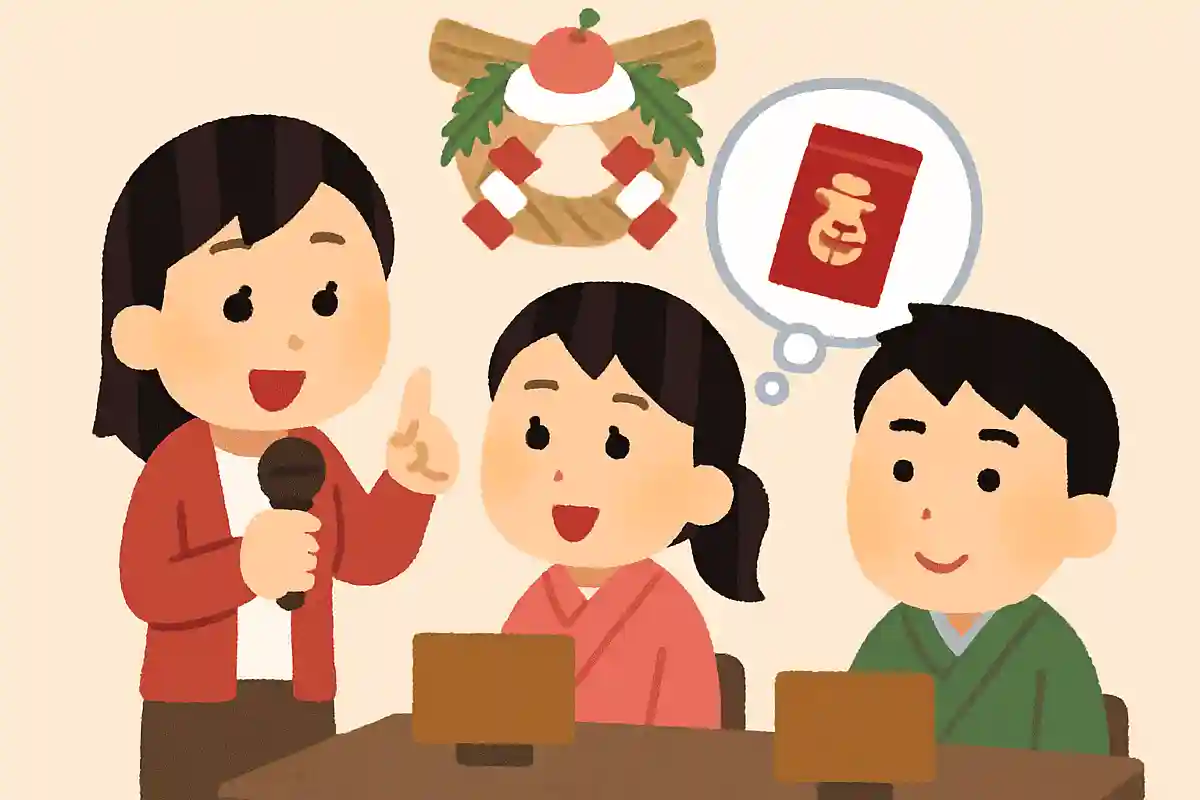
- Because we call a small bag 'Pochi'.
- Because we call the gift we receive from God “Pochi.”
- From the 'pocchi' in 'kore pocchi' (meaning 'this tiny bit').
See the answer
From the 'pocchi' in 'kore pocchi' (meaning 'this tiny bit').
It’s said that the “pochi” in pochi-bukuro comes from words meaning “just a little,” such as the Kansai dialect bochi-bochi or the Kanto expression koreppocchi. The small envelopes used to give children New Year’s money are often called pochi-bukuro. Unlike formal gift envelopes or those with mizuhiki cords, the name reflects the thoughtfulness of giving someone just a small token.
What is the meaning behind the black soybeans in osechi ryori?
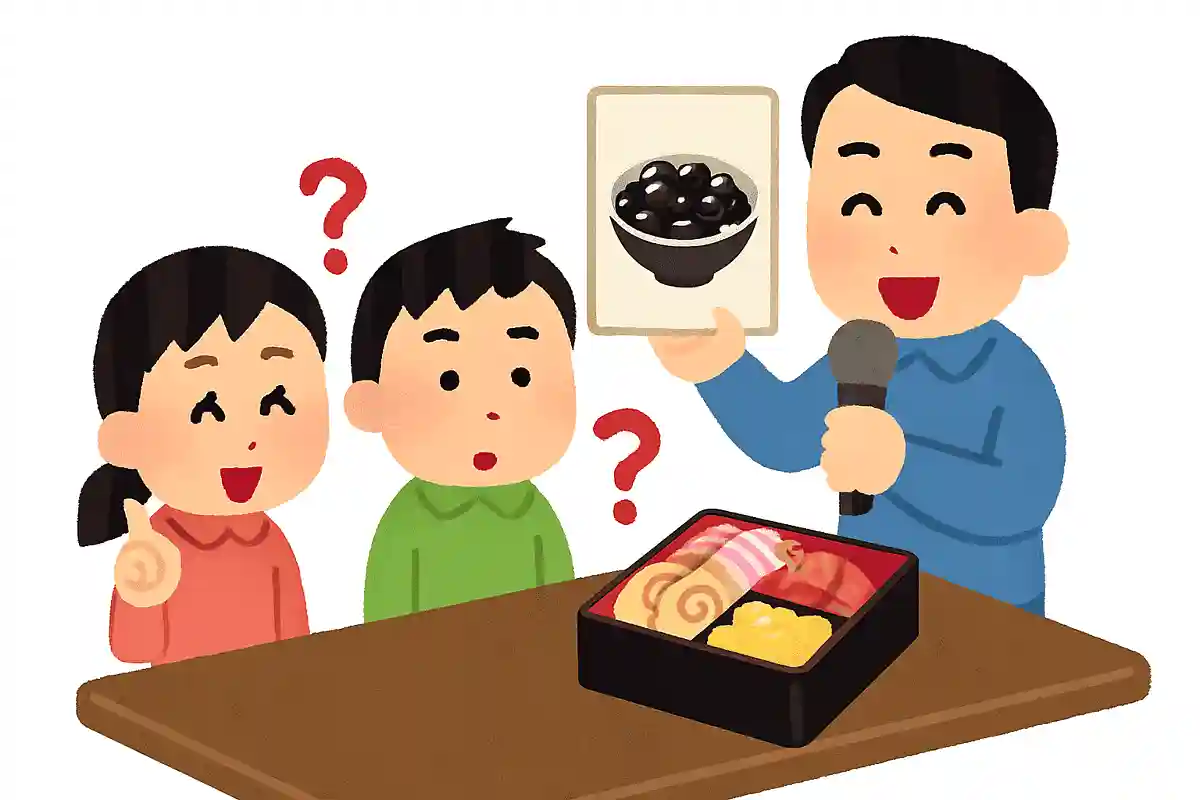
- Becoming rich by gathering lots of tiny beans
- To be able to work diligently
- To have radiant skin and stay healthy
See the answer
To be able to work diligently
Black soybeans, a staple ingredient in osechi (traditional New Year’s dishes), are foods imbued with the wish for vitality and a healthy life. They also carry the meanings of working diligently and living diligently, suggesting that being able to work industriously was considered especially important.
What household chores should you avoid doing during the New Year holidays?
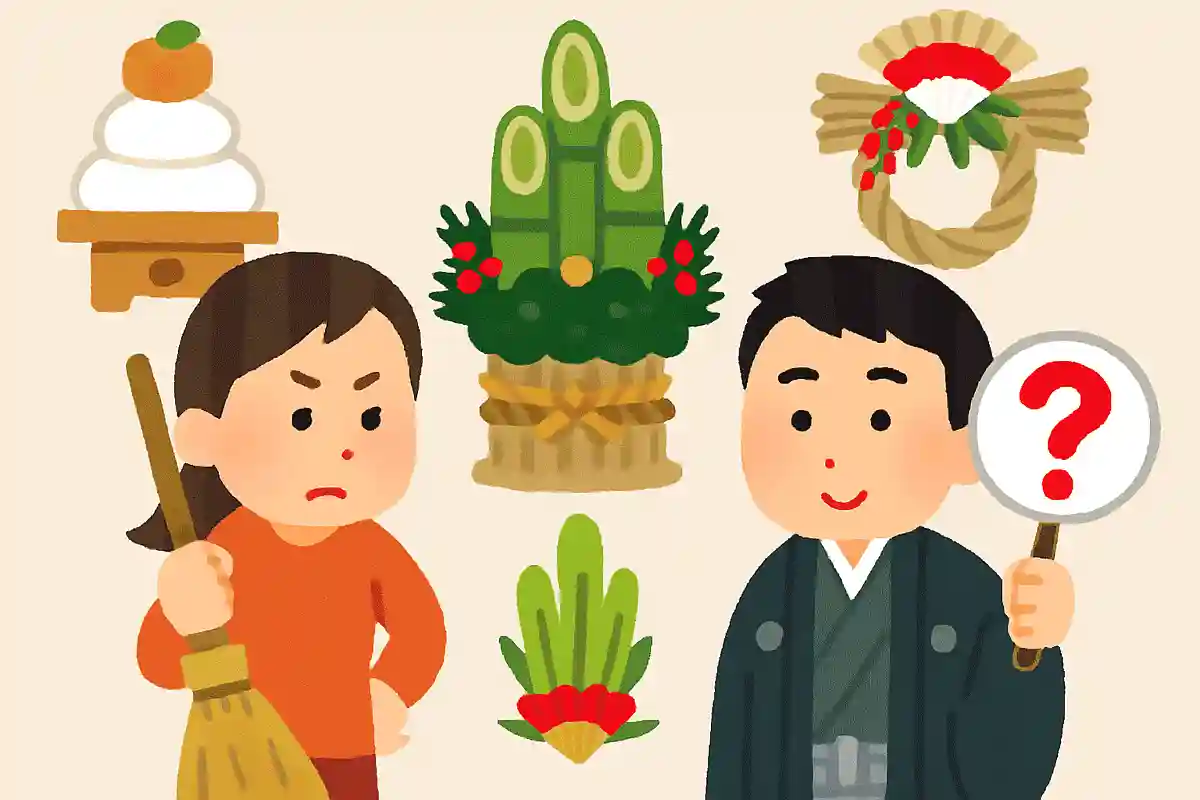
- weeding
- Organization and tidiness
- Cleaning
See the answer
Cleaning
It is believed that cleaning during the New Year will sweep away the good fortune brought by the Toshigami, the deity of the year welcomed by family and relatives. It’s best to avoid not only cleaning but also water-related chores like doing laundry and tasks that use fire. This custom conveys the importance of spending the New Year quietly and at ease.
Until when should I go for the first shrine visit of the year?
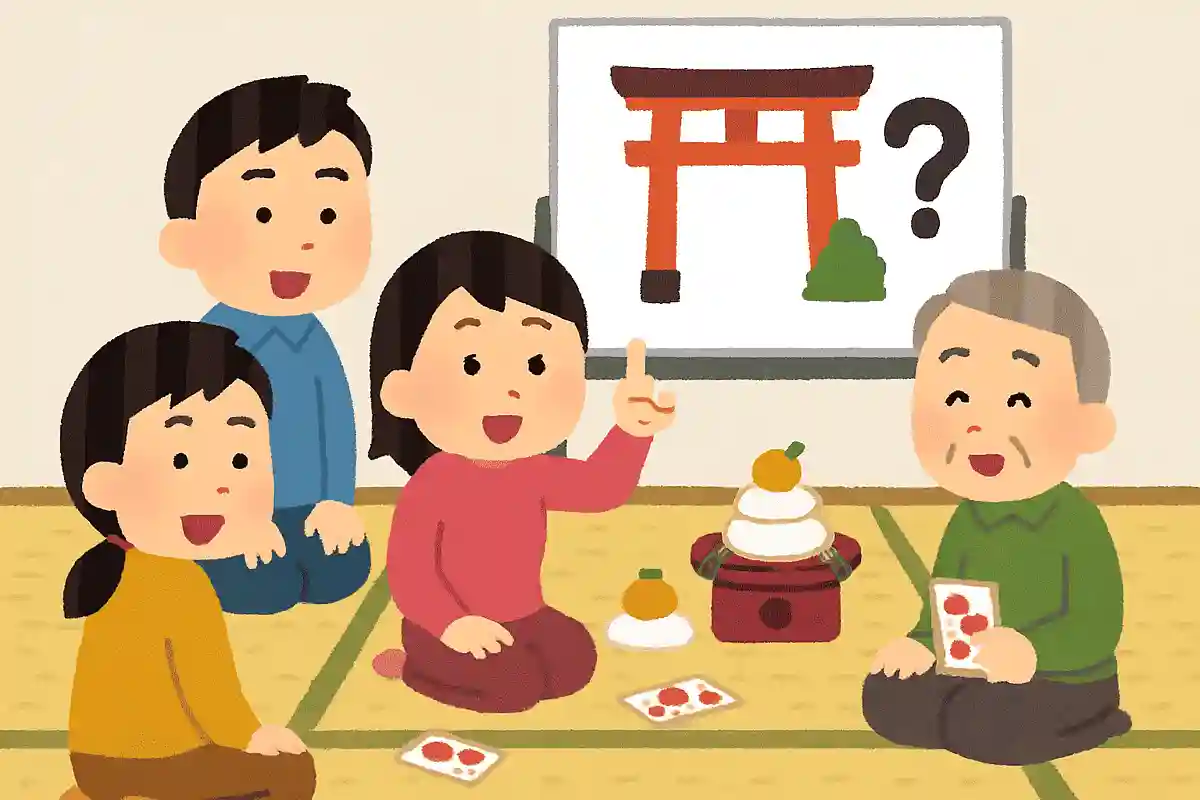
- until January 3
- January 7 or 15
- January 20
See the answer
January 7 or 15
Generally, it’s considered best to go during the period when New Year’s decorations are displayed. This period varies by region: until January 7 in the Kanto region and until January 15 in the Kansai region. It’s helpful to remember that hatsumode is meant to be done during the “Matsu-no-uchi” period, when the Toshigami (New Year deity) is believed to be present.