

Let's get excited with a New Year quiz! General questions about the Japanese New Year


How much do you know about New Year’s in Japan? Even customs we repeat every year without much thought can be surprising once you learn their background—you’ll find yourself thinking, “So that’s what it means!” In this article, we present general knowledge and trivia about the New Year in a quiz format! It’s packed with facts you might think you know but don’t, such as the meaning of otoshidama envelopes, the sentiments behind osechi cuisine and traditional New Year’s games, and things you shouldn’t do during the New Year period.
Try it out and have fun with family and relatives when you gather together!
- [For Elementary School Kids] A New Year’s Quiz Everyone Can Enjoy! Learn surprising fun facts with multiple-choice questions
- Fun facts you’ll want to share! January trivia and tidbits special
- [For Kids] January Trivia Quiz & Fun Facts: Learn About the New Year in a Fun Way
- So interesting you’ll want to tell someone! December Trivia & Fun Facts Special
- Fun quizzes to liven up New Year’s parties: a collection of questions everyone can enjoy
- [Year-end and New Year Parties] A look back at this year and a psychology test for the New Year
- [For Kids] December Trivia Quiz & Fun Facts! Learn about seasonal events and traditions!
- [For Seniors] Brain-training quizzes for January: Let’s have fun with New Year and winter trivia
- [Perfect for New Year Parties] Recommended Psychology Test for January
- [Battle of Wits] Stimulate your intellectual curiosity! Quiz questions that get adults excited
- Let's take on a four-choice quiz that everyone can enjoy together!
- New Year party games that get everyone excited: a fun collection of ideas from classics to DIY
- [For Kids] Today’s Quiz Roundup. Let’s play quizzes about today! [May 2026]
Let's get excited with a New Year quiz! General questions about the Japanese New Year (11–20)
Which New Year’s game was banned during the Edo period?
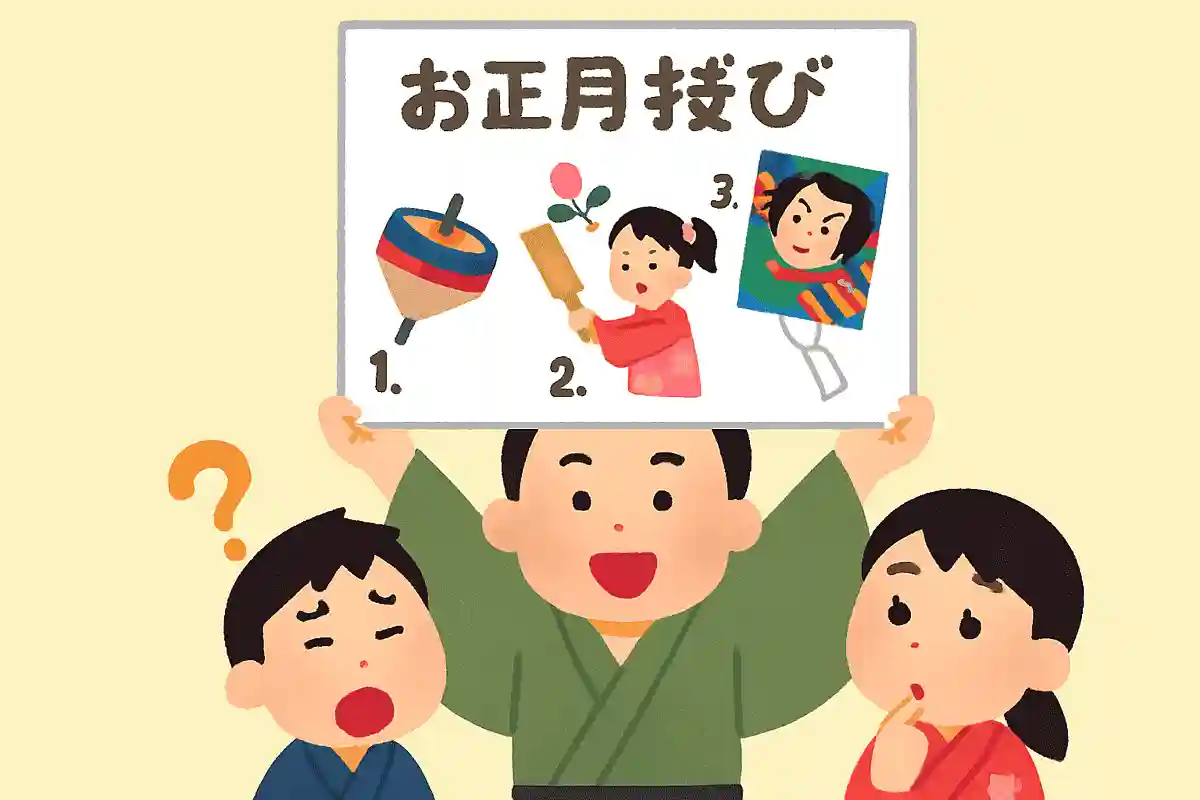
- kite flying
- karuta (traditional Japanese card game)
- Battledore and shuttlecock
See the answer
kite flying
During the Edo period, there was a time when kite flying was banned. This was because the growing number of people flying kites led to frequent accidents, such as injuries to passersby caused by kite strings and kites getting entangled with houses or power lines. Social issues were also noted, including people becoming so absorbed in play that they neglected work or study, and kite flying becoming a form of gambling. For these reasons, especially in the densely populated city of Edo, the shogunate prohibited kite flying.

What era is considered to be when New Year’s greeting cards began?
- Heian period
- Kamakura period
- Edo period
See the answer
Heian period
New Year’s greeting cards have a very long history. Although their origins are not entirely clear, they are said to have begun mainly in the Heian period, when people in aristocratic society exchanged letters to offer New Year’s greetings. Later, during the Edo period, the practice spread among the general populace.

It’s said that the auspicious “First Mt. Fuji, second hawk, third eggplant” seen in the year’s first dream has a continuation. Which of the following is the fourth?
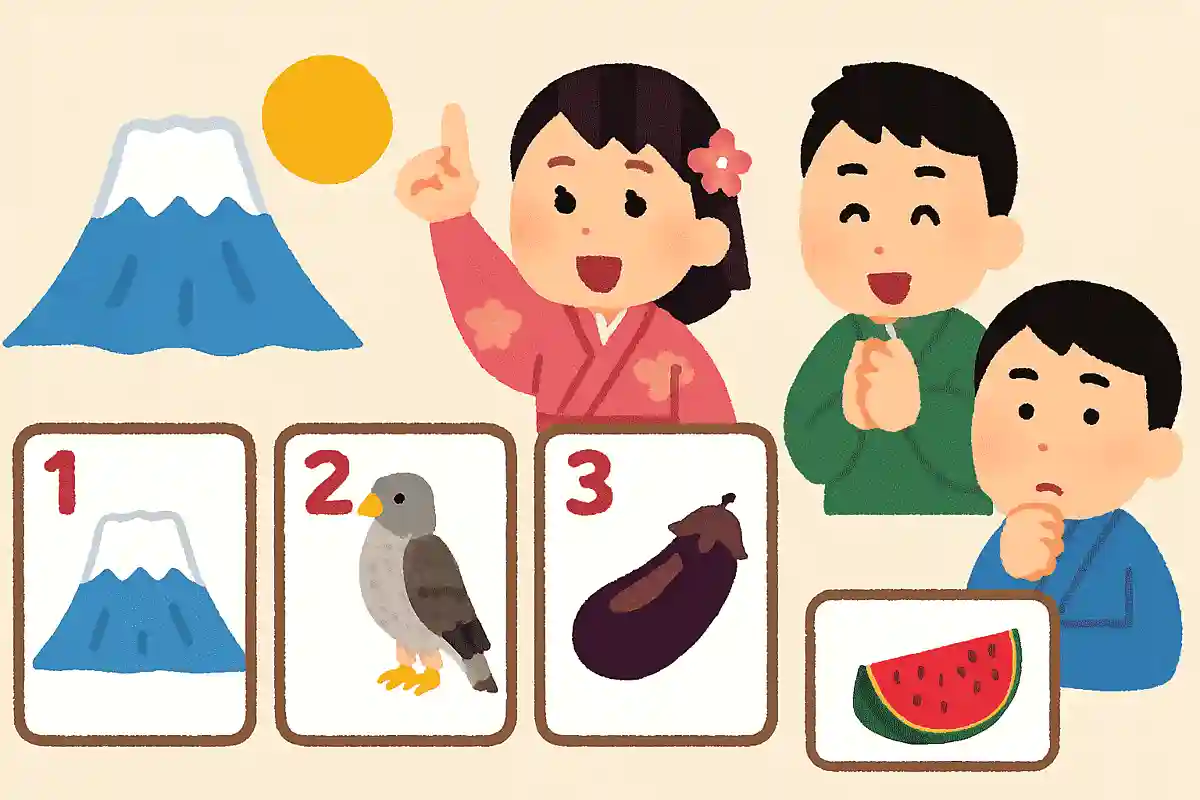
- fan
- boat
- horse
See the answer
fan
Following “First Mount Fuji, second hawk, third eggplant,” there is a saying that continues with “four folding fans, five tobacco, six blind biwa players.” The fan is said to symbolize prosperity of descendants and thriving business because its shape spreads out toward the end.
From what era does the origin of ‘Fukuwarai,’ a game everyone can enjoy, date?
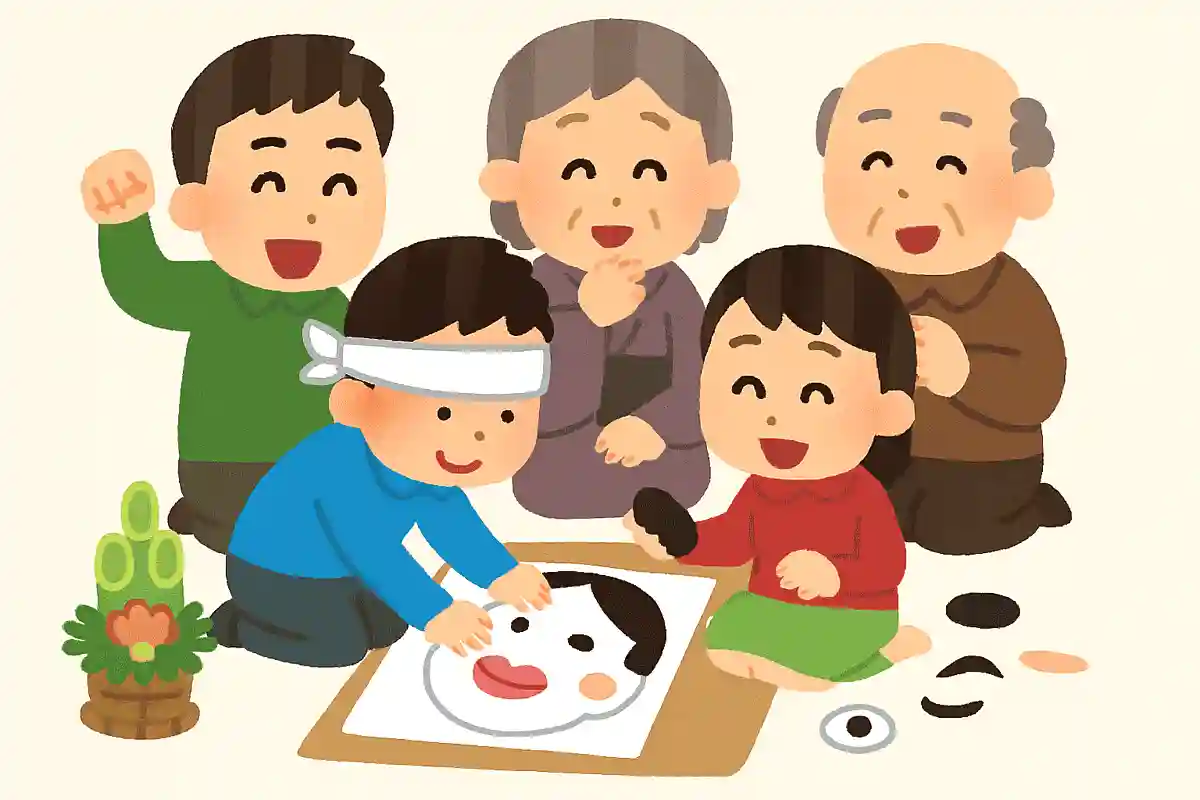
- Nara period
- Heian period
- Edo period
See the answer
Edo period
It’s said that the origins of fukuwarai as a game date back to the Edo period. That said, it didn’t really become established as a New Year’s pastime until the mid-Meiji period and later.
When were New Year’s lottery postcards (otoshidama-tsuki nengajō) first introduced?
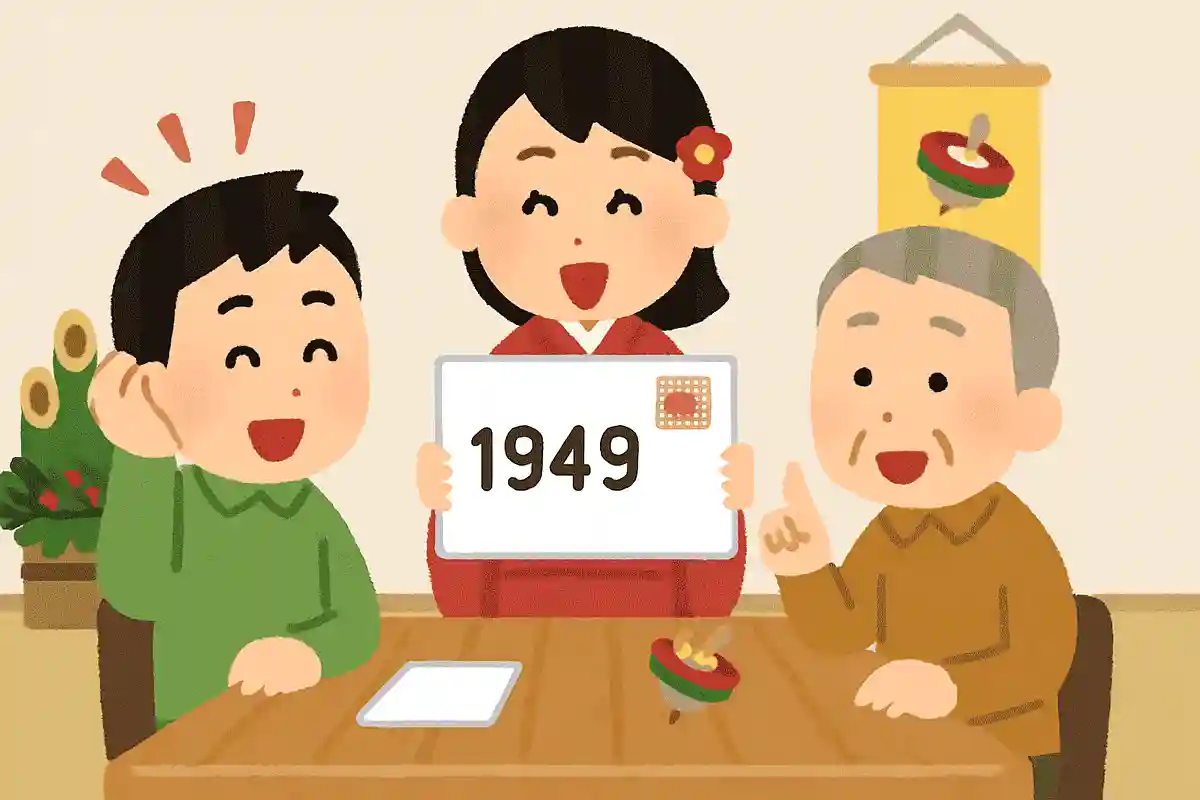
- the year 1949
- the year 1951
- the year 1954
See the answer
the year 1949
New Year’s lottery postcards were first issued in Japan in 1949. Incidentally, it’s interesting that the idea was conceived by a private individual.
What tea is considered auspicious to drink on New Year’s Day?
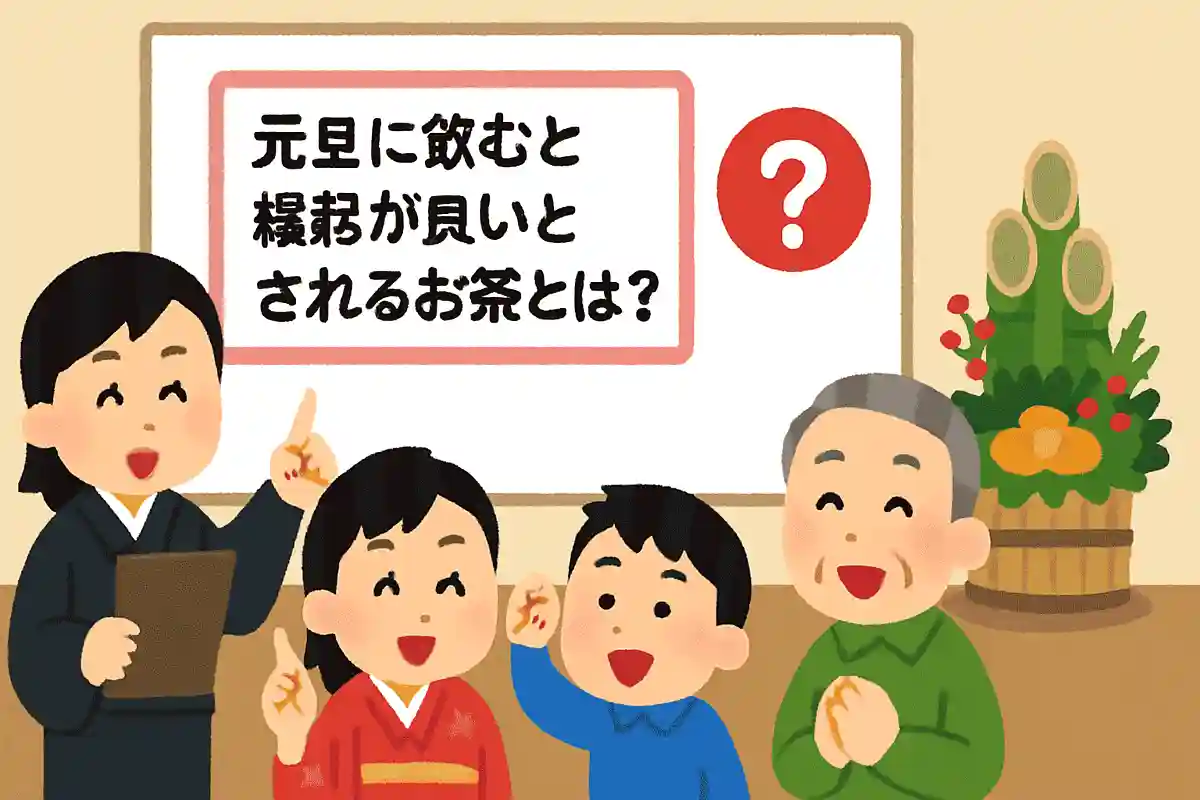
- sencha
- matcha
- Good Fortune Tea
See the answer
Good Fortune Tea
Daifuku-cha is a tea made with tea leaves, pickled plum (umeboshi), and tied kelp (musubi-kombu). It is a traditional New Year’s drink meant to pray for health and happiness throughout the year. This custom began in the Heian period and is said to have been drunk to quell epidemics.
Get excited with a New Year’s quiz! General questions about Japan’s New Year (21–30)
When is “Gantan” (New Year’s Day)?

- all day on January 1
- January 1–3
- the morning of January 1
See the answer
the morning of January 1
The word “Gantan” refers to the morning of New Year’s Day and, strictly speaking, means the morning of January 1. It is often confused with “Ganjitsu” (New Year’s Day), but because the character “旦” in “Gantan” denotes morning, it originally refers not just to the date but to the morning hours. This reflects a Japanese custom that cherishes the special time of the morning on the first day of the new year, welcomed after staying up through New Year’s Eve.