

Let's get excited with a New Year quiz! General questions about the Japanese New Year


How much do you know about New Year’s in Japan? Even customs we repeat every year without much thought can be surprising once you learn their background—you’ll find yourself thinking, “So that’s what it means!” In this article, we present general knowledge and trivia about the New Year in a quiz format! It’s packed with facts you might think you know but don’t, such as the meaning of otoshidama envelopes, the sentiments behind osechi cuisine and traditional New Year’s games, and things you shouldn’t do during the New Year period.
Try it out and have fun with family and relatives when you gather together!
- [For Elementary School Kids] A New Year’s Quiz Everyone Can Enjoy! Learn surprising fun facts with multiple-choice questions
- Fun facts you’ll want to share! January trivia and tidbits special
- [For Kids] January Trivia Quiz & Fun Facts: Learn About the New Year in a Fun Way
- So interesting you’ll want to tell someone! December Trivia & Fun Facts Special
- Fun quizzes to liven up New Year’s parties: a collection of questions everyone can enjoy
- [Year-end and New Year Parties] A look back at this year and a psychology test for the New Year
- [For Kids] December Trivia Quiz & Fun Facts! Learn about seasonal events and traditions!
- [For Seniors] Brain-training quizzes for January: Let’s have fun with New Year and winter trivia
- [Perfect for New Year Parties] Recommended Psychology Test for January
- [Battle of Wits] Stimulate your intellectual curiosity! Quiz questions that get adults excited
- Let's take on a four-choice quiz that everyone can enjoy together!
- New Year party games that get everyone excited: a fun collection of ideas from classics to DIY
- [For Kids] Today’s Quiz Roundup. Let’s play quizzes about today! [May 2026]
Let's get excited with a New Year quiz! General questions about Japanese New Year (1–10)
What day’s dream is considered the first dream of the year?
- From the night of December 31 to January 1
- From the night of January 1 to January 2
- From the night of January 2 to January 3
See the answer
From the night of January 1 to January 2
The first dream you have after welcoming the New Year is called hatsuyume. Generally, it refers to the dream you see on the night of January 1st into the morning of January 2nd, and it’s said to be related to the custom of staying up through New Year’s Eve until the morning of January 1st. It’s considered auspicious to dream of “ichi Fuji, ni taka, san nasu” — first Mount Fuji, second a hawk, and third an eggplant.

What creature served as the motif for the feathered wings?
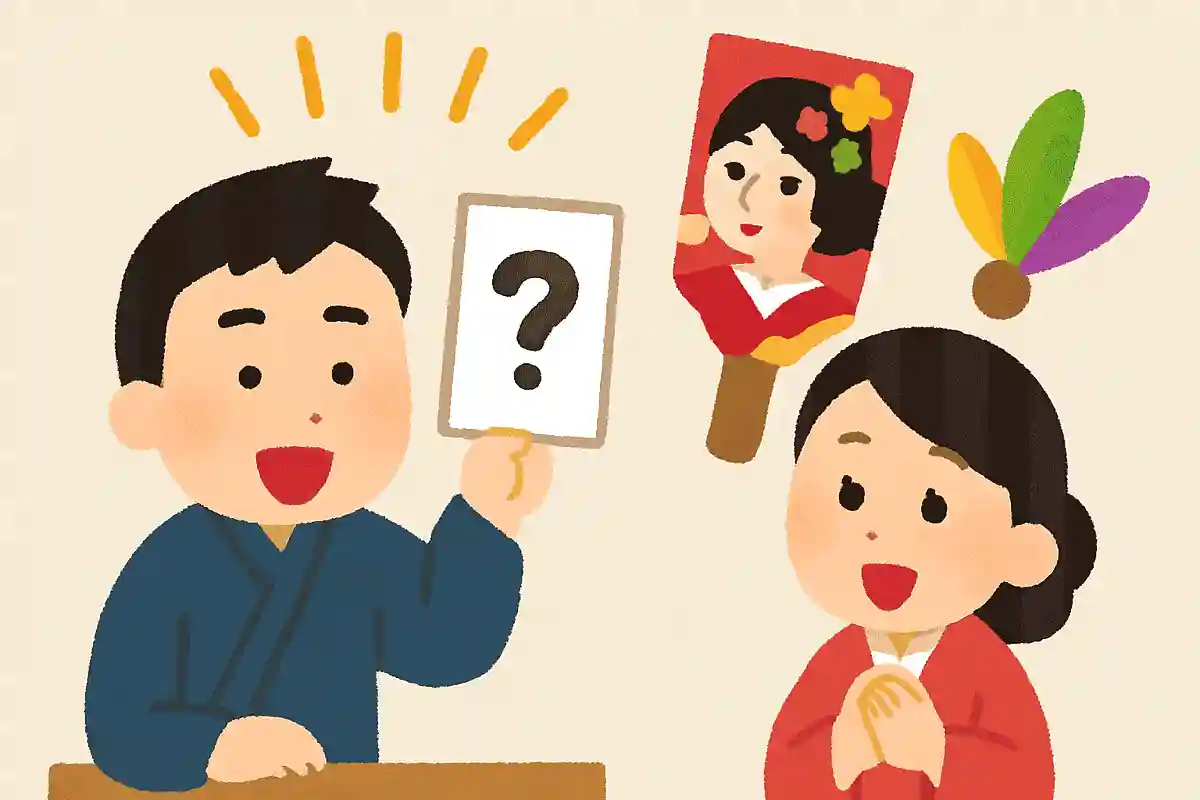
- dragonfly
- crane
- crested ibis
See the answer
dragonfly
The winged shuttlecock motif represents a dragonfly. Dragonflies are beneficial insects that eat pests like mosquitoes, which carry various diseases. It’s said that the custom of playing hanetsuki during the New Year began because the sight of the shuttlecock flying was likened to a dragonfly.
What do you call the alcohol you drink on New Year’s Day morning?
- New Year’s spiced sake (otoso)
- Divine Blessing Sake
- celebratory sake
See the answer
New Year’s spiced sake (otoso)
The correct answer is otoso, a drink consumed at New Year’s to pray for health and longevity. The character 屠 (also read hofuru) means to drive away evil, and 蘇 carries the sense of awakening the soul; together they are said to signify repelling evil and reviving vitality. It is a type of medicinal herb wine made from sake, mirin, and medicinal herbs.
Let's get excited with a New Year quiz! General questions about the Japanese New Year (11–20)
What is the meaning behind kite flying played during the New Year?
- Deliver prayers to the gods by flying a kite toward the sky.
- Wishing for the healthy growth of children
- Make it a year where you soar and flutter like a kite rising high into the sky.
See the answer
Wishing for the healthy growth of children
There was a time when the beginning of spring was considered the New Year, and it was believed that looking up at the sky during this season would bring good health. Flying kites at New Year came to be seen as a way to pray for children’s healthy growth. It is a traditional event in which many kinds of kites are flown, from those with ornate decorations to simple ones.
Why do we put a mandarin orange on kagami mochi?
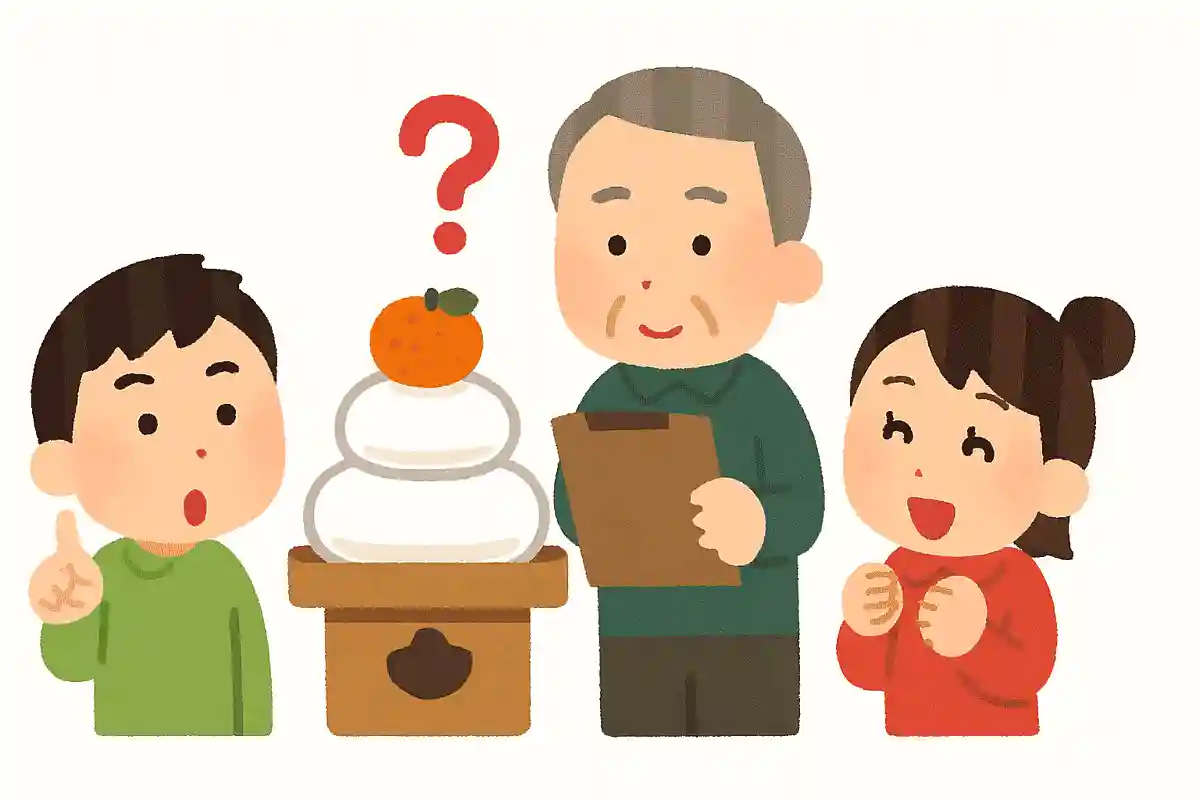
- exorcising bad luck
- prosperity of descendants
- Prayer for longevity
See the answer
prosperity of descendants
The fruit placed on top of kagami mochi is actually not a mandarin orange but a type of citrus called daidai. Because daidai can grow larger without falling from the tree, it is displayed as a good-luck fruit, carrying the wish for prosperity to continue for generations.
Why is bamboo used in kadomatsu?
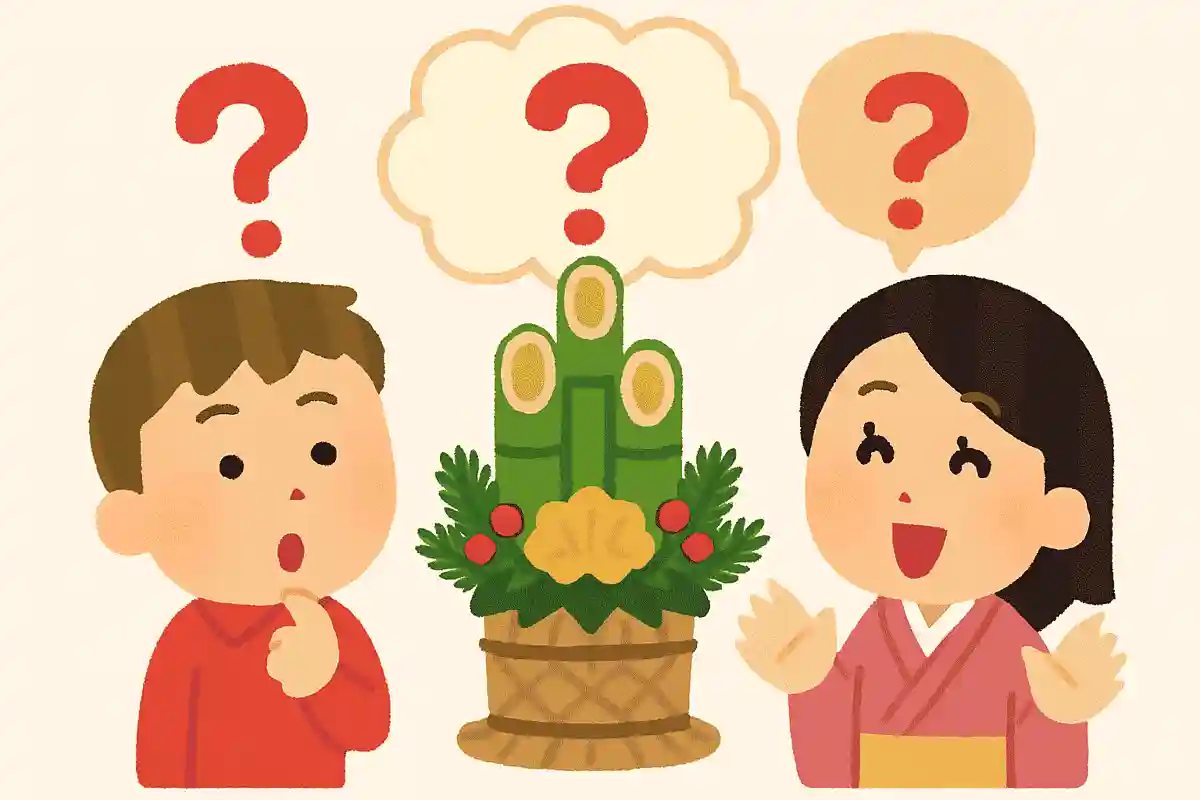
- To invite good fortune
- A Wish for Longevity
- warding off evil
See the answer
A Wish for Longevity
Bamboo grows quickly and straight upward, so it is said to symbolize family prosperity and longevity. The reason for displaying three stalks is that three is an auspicious, indivisible number. This New Year’s decoration is placed at entrances as a sign to welcome the Toshigami (New Year deity) into the home.
What was traditionally given as New Year’s gifts instead of money in the past?
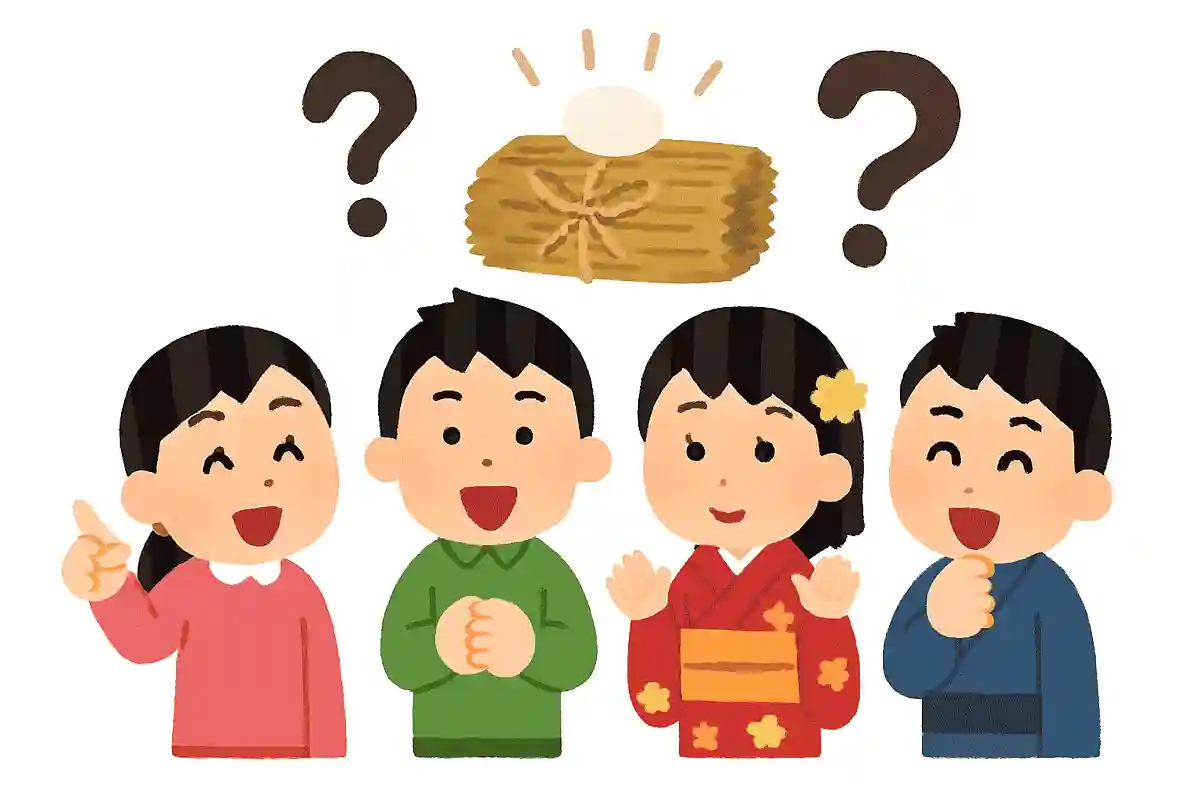
- mandarin orange
- rice cake (mochi)
- amulet
See the answer
rice cake (mochi)
Otoshidama is said to have originated from the custom of sharing with family members and children, at the start of the year, rice cakes that were originally offerings to the Toshigami (the New Year deity). By dividing and sharing the mochi, which was believed to be imbued with the deity’s spirit, people expressed wishes for a year of health and happiness. Over time, the custom shifted from giving mochi to giving money, becoming the modern otoshidama.
