

Let's get excited with a New Year quiz! General questions about the Japanese New Year


How much do you know about New Year’s in Japan? Even customs we repeat every year without much thought can be surprising once you learn their background—you’ll find yourself thinking, “So that’s what it means!” In this article, we present general knowledge and trivia about the New Year in a quiz format! It’s packed with facts you might think you know but don’t, such as the meaning of otoshidama envelopes, the sentiments behind osechi cuisine and traditional New Year’s games, and things you shouldn’t do during the New Year period.
Try it out and have fun with family and relatives when you gather together!
- [For Elementary School Kids] A New Year’s Quiz Everyone Can Enjoy! Learn surprising fun facts with multiple-choice questions
- Fun facts you’ll want to share! January trivia and tidbits special
- [For Kids] January Trivia Quiz & Fun Facts: Learn About the New Year in a Fun Way
- So interesting you’ll want to tell someone! December Trivia & Fun Facts Special
- Fun quizzes to liven up New Year’s parties: a collection of questions everyone can enjoy
- [Year-end and New Year Parties] A look back at this year and a psychology test for the New Year
- [For Kids] December Trivia Quiz & Fun Facts! Learn about seasonal events and traditions!
- [For Seniors] Brain-training quizzes for January: Let’s have fun with New Year and winter trivia
- [Perfect for New Year Parties] Recommended Psychology Test for January
- [Battle of Wits] Stimulate your intellectual curiosity! Quiz questions that get adults excited
- Let's take on a four-choice quiz that everyone can enjoy together!
- New Year party games that get everyone excited: a fun collection of ideas from classics to DIY
- [For Kids] Today’s Quiz Roundup. Let’s play quizzes about today! [May 2026]
Let’s get excited with a New Year’s quiz! General questions about the Japanese New Year (31–40)
What do you call “visiting a Shinto shrine or Buddhist temple for the first time of the New Year”?
- visiting a shrine/temple (to pray)
- first shrine visit of the New Year
- First shrine visit
See the answer
first shrine visit of the New Year
The custom of visiting a Shinto shrine or Buddhist temple for the first time in the new year is called Hatsumode. Its purpose is to give thanks for having safely made it through the previous year and to pray for peace in the year ahead. Although it is a uniquely Japanese event, the sheer number of worshippers has led it to be called one of the largest religious events in the world. However, it’s not considered Hatsumode if you go at just any time as long as it’s your first visit of the year; as a rule, you should visit during the first three days of the year, or at the latest within the “Matsu-no-uchi” period, so keep that in mind.

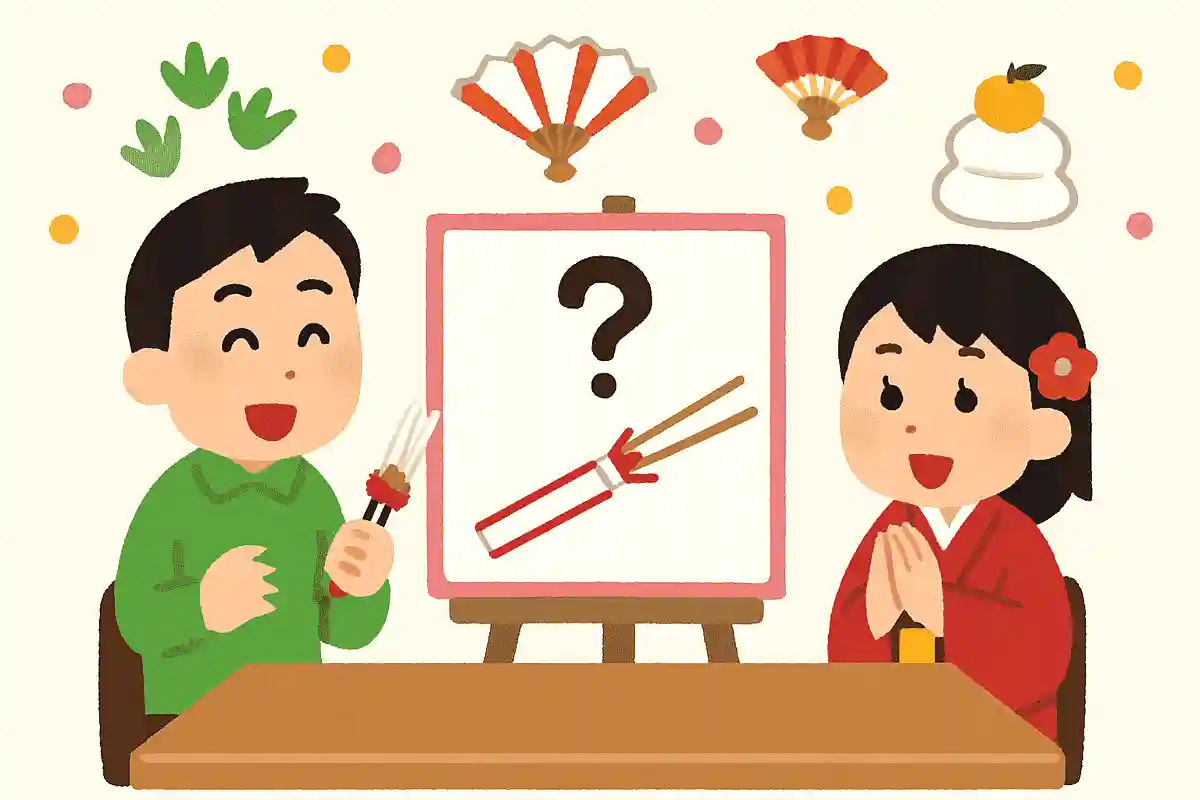
Why are ceremonial chopsticks designed to be usable at both ends?
- It’s divided into dishes for osechi and for other types of cuisine.
- They are separated for rice and clear soup.
- It’s divided into one for myself and one for the gods.
See the answer
It’s divided into one for myself and one for the gods.
Celebratory chopsticks used when eating New Year’s osechi dishes and mochi. The reason both ends can be used is that one end is for the person and the other is for the gods. It is customary to start using them on New Year’s Day and continue using the same pair through the first three days, or up to January 7 during the New Year’s festivities.

What is the origin of the word “karuta,” a classic New Year’s game?
- Chinese
- Portuguese
- Japanese
See the answer
Portuguese
The word “karuta” comes from the Portuguese carta, meaning “card.” Playing cards introduced from Portugal in the 16th century became the basis for karuta, which took root as a traditional Japanese game.

What do you call the period from January 1 to January 7?
- the seventh day of mourning (Matsunoka)
- New Monday
- Day of Seven Herbs
See the answer
the seventh day of mourning (Matsunoka)
The period from January 1 to January 7 is called Matsunoka or Matsunouchi. It varies by region, but this refers to the time when New Year’s decorations are displayed and New Year’s events are held, during which the Toshigami deity—who is enshrined in the kagami mochi as a sacred vessel—visits the home and remains until departing.
Which of the following is the reason for displaying the familiar kagami mochi during the New Year?
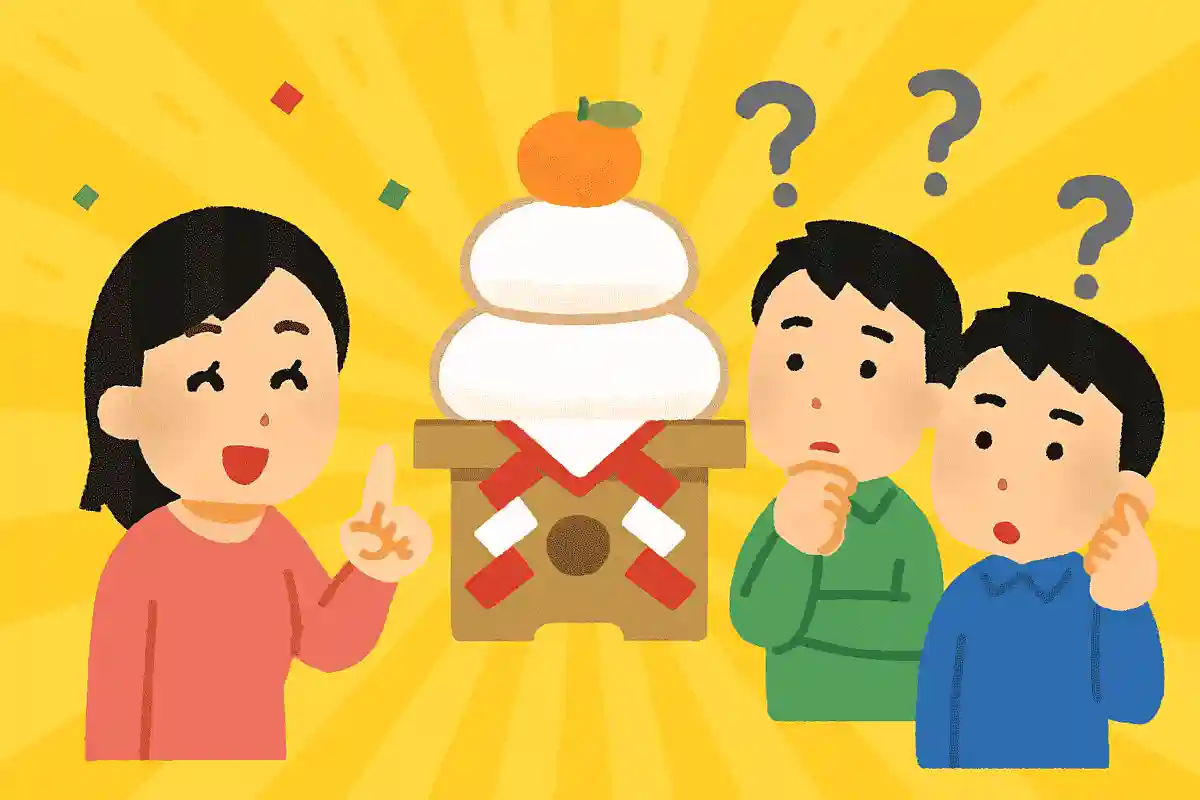
- As an offering to welcome the New Year deity
- as a charm to pray for a bountiful harvest next year
- As a symbol to pray for the health and longevity of one's family
See the answer
As an offering to welcome the New Year deity
Kagami mochi is an offering displayed during the New Year to welcome Toshigami, the deity of the new year. Toshigami is regarded as the god who presides over the harvest, and is believed to play an important role in ensuring the safe arrival of the new year.
Let's get excited with a New Year's quiz! General questions about Japanese New Year (41–50)
When did the Hakone Ekiden, a New Year’s tradition, first begin?
- the year 1920
- the year 1924
- the year 1930
See the answer
the year 1920
The Hakone Ekiden was first held in 1920. It is one of the most historic relay races in Japan and a New Year’s tradition in which many universities participate.
What is the name of the first water drawn early on New Year’s Day?
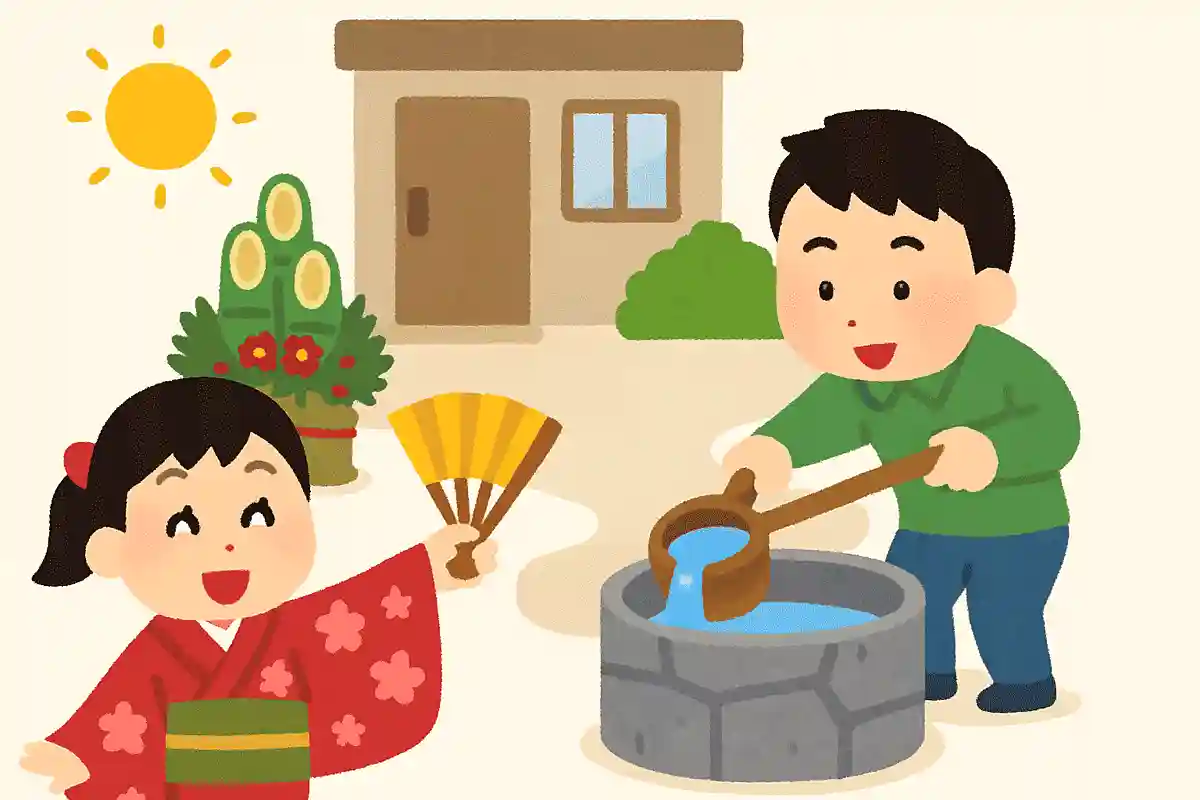
- first water drawn on New Year’s Day
- Fukumizu
- First Spring
See the answer
first water drawn on New Year’s Day
The water drawn for the first time in the early morning of New Year’s Day is called “wakamizu.” Since ancient times, there has been a custom of drawing wakamizu at the start of the new year to pray for safety and good health throughout the year. Incidentally, depending on the region, it is also called “hatsumizu,” “fukumizu,” or “ichiban-mizu.”