

Let's get excited with a New Year quiz! General questions about the Japanese New Year


How much do you know about New Year’s in Japan? Even customs we repeat every year without much thought can be surprising once you learn their background—you’ll find yourself thinking, “So that’s what it means!” In this article, we present general knowledge and trivia about the New Year in a quiz format! It’s packed with facts you might think you know but don’t, such as the meaning of otoshidama envelopes, the sentiments behind osechi cuisine and traditional New Year’s games, and things you shouldn’t do during the New Year period.
Try it out and have fun with family and relatives when you gather together!
- [For Elementary School Kids] A New Year’s Quiz Everyone Can Enjoy! Learn surprising fun facts with multiple-choice questions
- Fun facts you’ll want to share! January trivia and tidbits special
- [For Kids] January Trivia Quiz & Fun Facts: Learn About the New Year in a Fun Way
- So interesting you’ll want to tell someone! December Trivia & Fun Facts Special
- Fun quizzes to liven up New Year’s parties: a collection of questions everyone can enjoy
- [Year-end and New Year Parties] A look back at this year and a psychology test for the New Year
- [For Kids] December Trivia Quiz & Fun Facts! Learn about seasonal events and traditions!
- [For Seniors] Brain-training quizzes for January: Let’s have fun with New Year and winter trivia
- [Perfect for New Year Parties] Recommended Psychology Test for January
- [Battle of Wits] Stimulate your intellectual curiosity! Quiz questions that get adults excited
- Let's take on a four-choice quiz that everyone can enjoy together!
- New Year party games that get everyone excited: a fun collection of ideas from classics to DIY
- [For Kids] Today’s Quiz Roundup. Let’s play quizzes about today! [May 2026]
Get excited with a New Year’s quiz! General questions about Japan’s New Year (21–30)
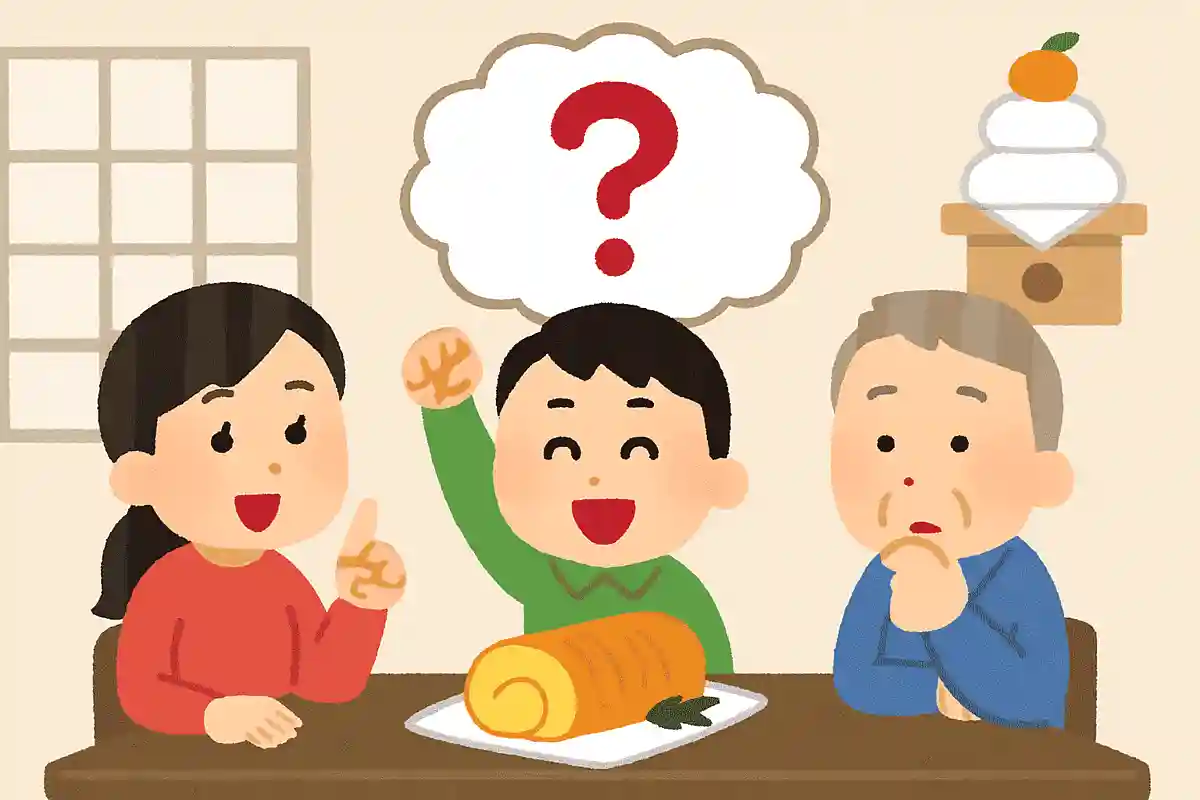
What is the meaning behind the datemaki included in osechi cuisine?
- Academic achievement
- Prosperous business
- Fulfillment of love
See the answer
Academic achievement
Datemaki, which resembles a scroll in appearance, is associated with old books and scrolls and thus carries wishes for academic success and increased knowledge. It is especially eaten at the start of the year with hopes for improving studies and learning new things. For that reason, it is a particularly valued dish in households with children or students.

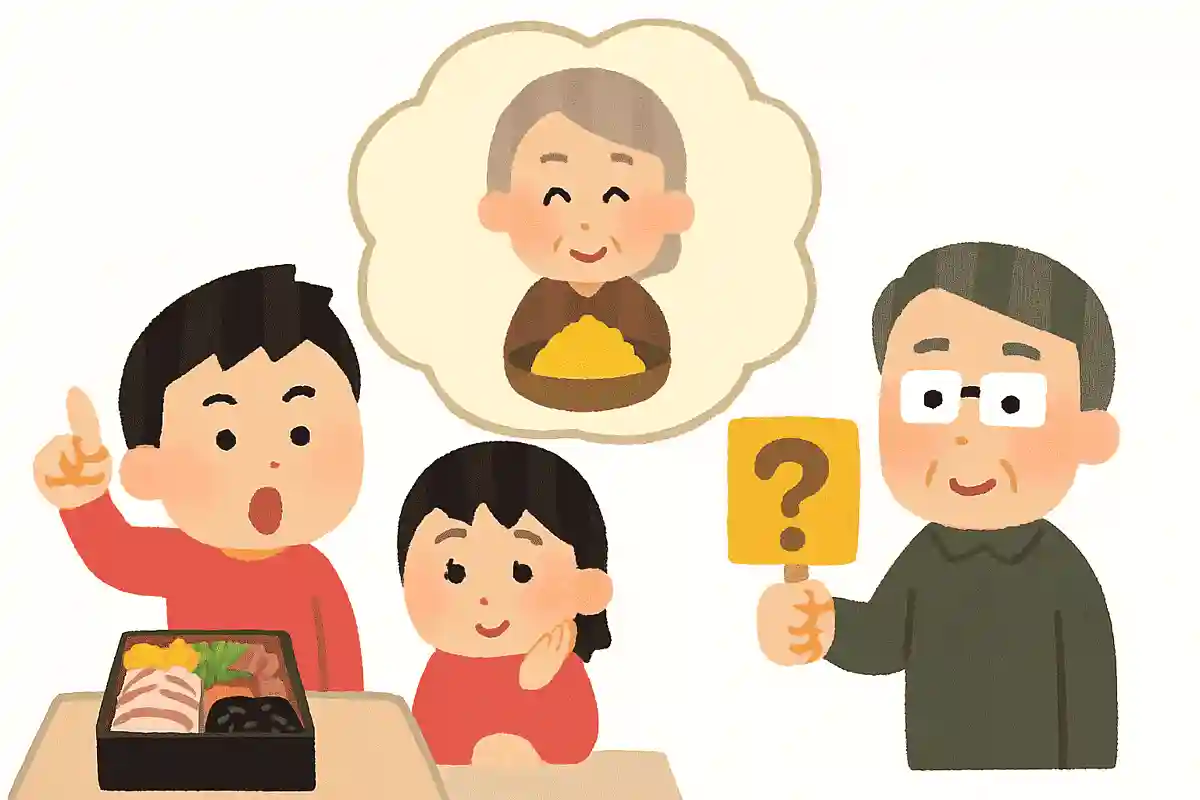
What is the meaning behind the chestnut kinton included in osechi cuisine?
- health luck
- financial luck
- Love fortune
See the answer
financial luck
Kurikinton is one of the most popular dishes in osechi cuisine, and its vivid golden color evokes gold bars and treasure, making it a symbol of good fortune and increased wealth. Eating kurikinton at the start of the new year carries the hope that abundant prosperity will come to one’s household and oneself. Its bright hue also adds a festive touch to celebratory gatherings.
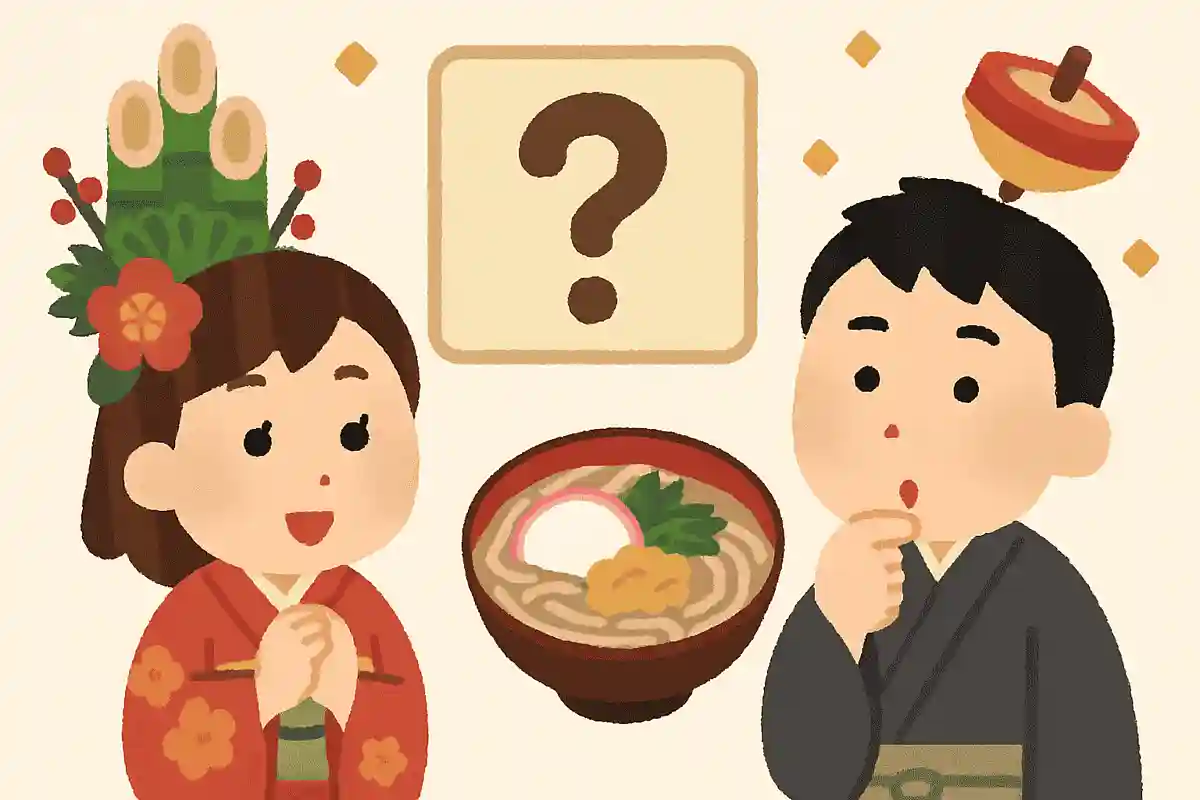
What kind of noodles are good to eat for New Year’s?
- udon
- soba
- ramen
See the answer
udon
The noodles considered good to eat during the New Year are udon. In some regions, there is a custom of eating udon for good luck alongside ozoni and osechi dishes. In places like Kagawa Prefecture, there is a tradition called “Toshiake Udon” (New Year’s Udon), where people eat white udon at the start of the year to pray for good fortune and longevity. It carries the meaning of wishing for a year free of illness and for the health of one’s family, making it a festive addition to the New Year’s table.
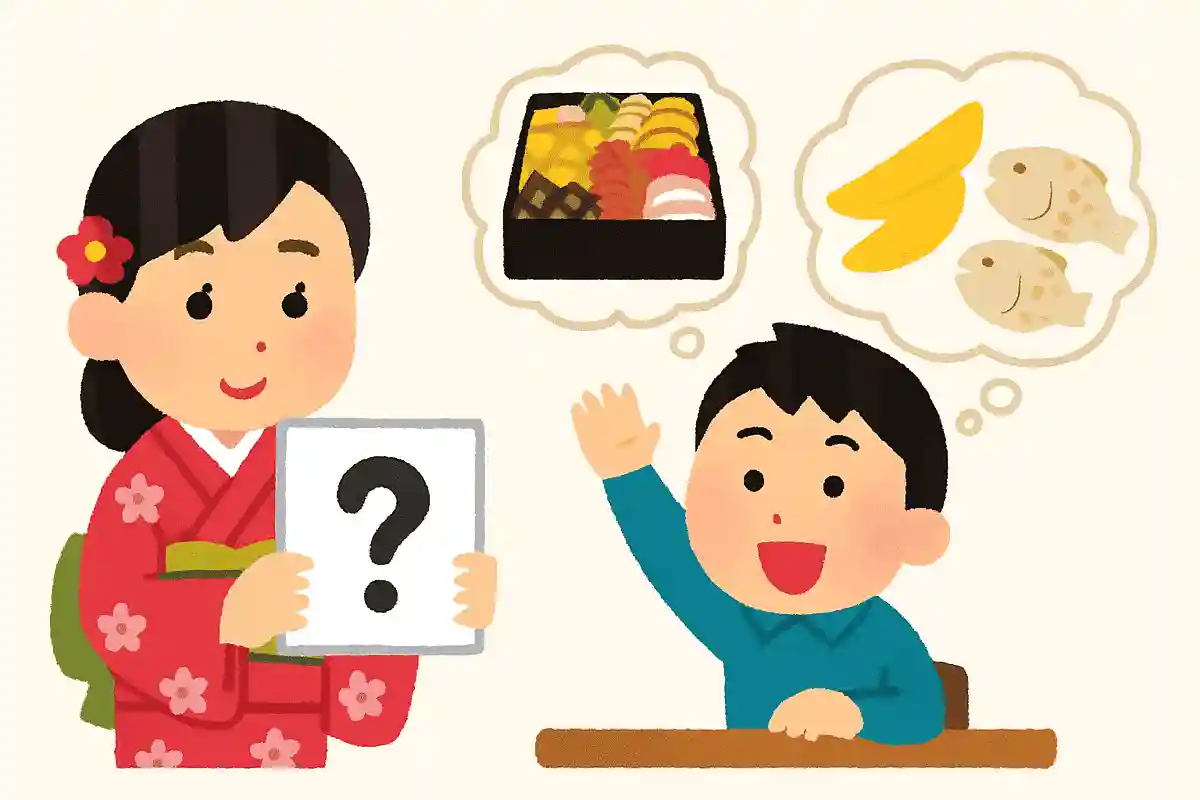
What kind of eggs are the kazunoko in osechi made from?
- salmon
- herring
- flying fish
See the answer
herring
Kazunoko is herring roe. The kazunoko used in osechi cuisine is considered an auspicious food that symbolizes wishes for fertility and family prosperity, making it an essential ingredient for the Japanese New Year. Because herrings lay a large number of eggs, their roe, kazunoko, is eaten with the hope of being blessed with many children. Its popping texture is also distinctive, and it has long been cherished as a traditional New Year’s dish in Japan.
Why do we pack osechi dishes into tiered jubako boxes?
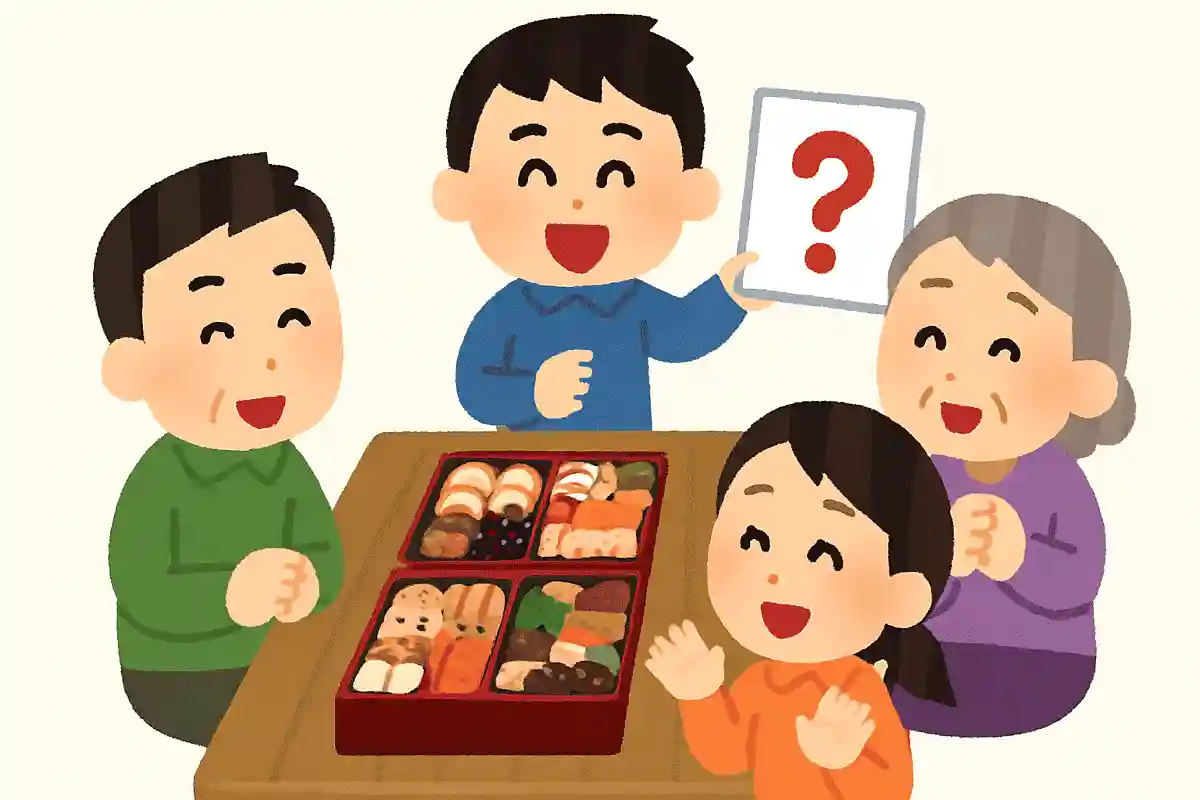
- To reduce the burden of doing the dishes
- To share (with others)
- A wish for layers of good fortune and auspiciousness to overlap
See the answer
A wish for layers of good fortune and auspiciousness to overlap
Stacking osechi dishes in layered jubako boxes carries the wish that good fortune and auspiciousness will come in many layers. In traditional Japanese culture, “layering” itself holds meaning, embodying the hope that a family’s happiness and prosperity will continue in multiple layers. For this reason, the practice has been passed down not only for visual beauty and preservation, but as a distinctly Japanese custom that values auspiciousness.
How many times is it okay to draw a fortune slip?
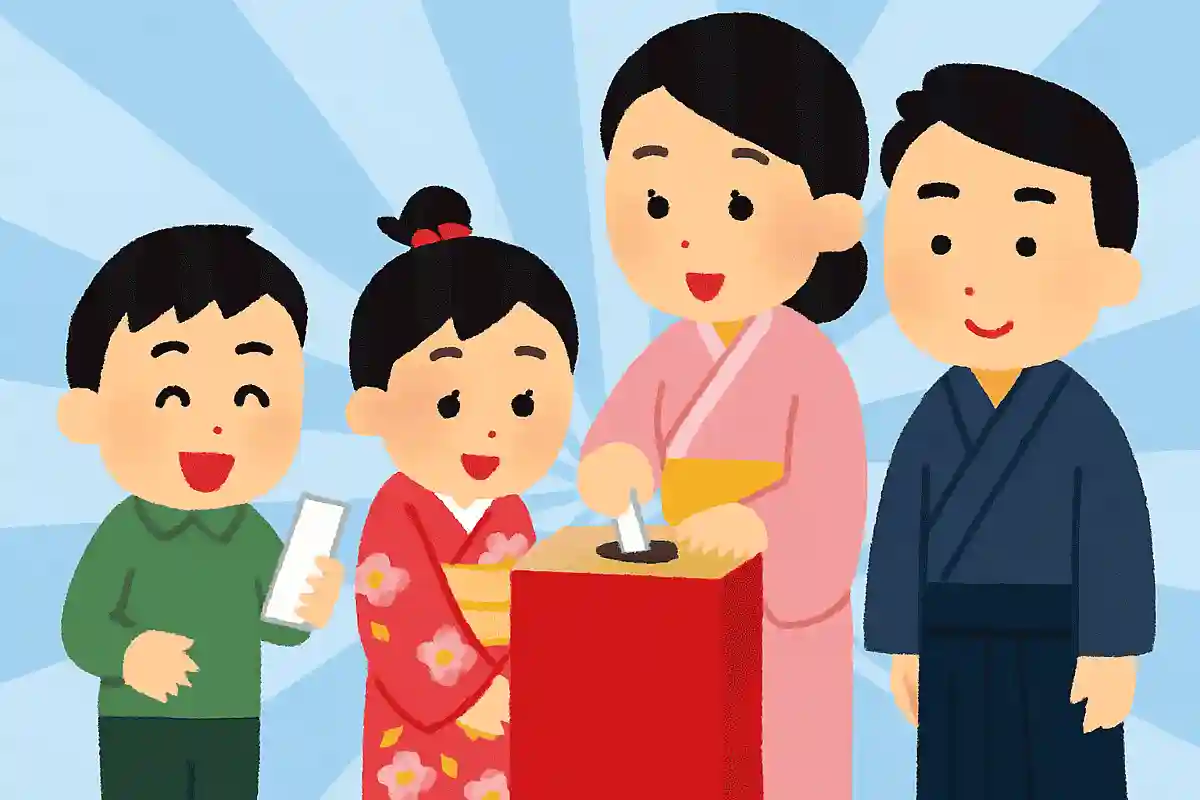
- one time
- three times
- As many times as you like
See the answer
As many times as you like
Omikuji are fortune-telling slips drawn at shrines and temples, and there’s basically no set limit on how many times you can draw one. Even if you don’t like the result you got the first time, drawing again isn’t considered rude. However, it’s generally recommended to avoid drawing repeatedly in quick succession for the sake of good manners. The idea that “you can draw omikuji as many times as you like” exists because there’s no official rule. What’s important is not to get too carried away by the result and to welcome the New Year with a positive mindset.
What do you call going around to various homes to offer New Year’s greetings?
- New Year’s courtesy visits
- New Year rounds
- New Year’s rounds
See the answer
New Year’s courtesy visits
“New Year’s visits” (toshikoshi/nen-shi mawari) is a traditional Japanese custom of going from house to house during the New Year to greet relatives, acquaintances, and colleagues. It is an important practice for expressing gratitude to those who have helped you and conveying your hopes for continued goodwill in the coming year, and it has been observed across Japan since long ago. This custom also plays a role in strengthening personal connections.