

[For Kids] January Trivia Quiz & Fun Facts: Learn About the New Year in a Fun Way

January, when the New Year begins, is a month packed with Japanese traditional events and customs, isn’t it? In this article, we’ve prepared kid-friendly trivia quizzes and fun facts about the New Year and January that children can enjoy while naturally learning more and more.
It’s full of little-known January tidbits—like the secrets of osechi cuisine and New Year’s games, as well as New Year’s traditions across Japan and around the world! How about kicking off the new year with smiles by trying quizzes that will spark lively family conversations?
- Fun facts you’ll want to share! January trivia and tidbits special
- [For Elementary School Kids] A New Year’s Quiz Everyone Can Enjoy! Learn surprising fun facts with multiple-choice questions
- So interesting you’ll want to tell someone! December Trivia & Fun Facts Special
- New Year party games that get everyone excited: a fun collection of ideas from classics to DIY
- [For Kids] December Trivia Quiz & Fun Facts! Learn about seasonal events and traditions!
- Trivia quiz with useful tips to know: fun facts that come in handy at school or at home [for kids]
- [For Kids] Today’s Quiz Roundup. Let’s play quizzes about today! [May 2026]
- Let's get excited with a New Year quiz! General questions about the Japanese New Year
- New Year’s Games: Traditional Play and Fun Activities That Excite Everyone from Kids to Adults
- [For Elementary School Students] Trivia About April
- [For Elementary School Students] Animal Quiz to Learn Knowledge and Fun Facts
- [For Kids] November Trivia Quiz & Fun Facts: Let’s Learn While Having Fun!
- Recommended in March! A collection of surprising, little-known trivia that elementary school students will want to share
[For Kids] January Trivia Quiz & Fun Facts: Learn About New Year’s in a Fun Way (1–10)
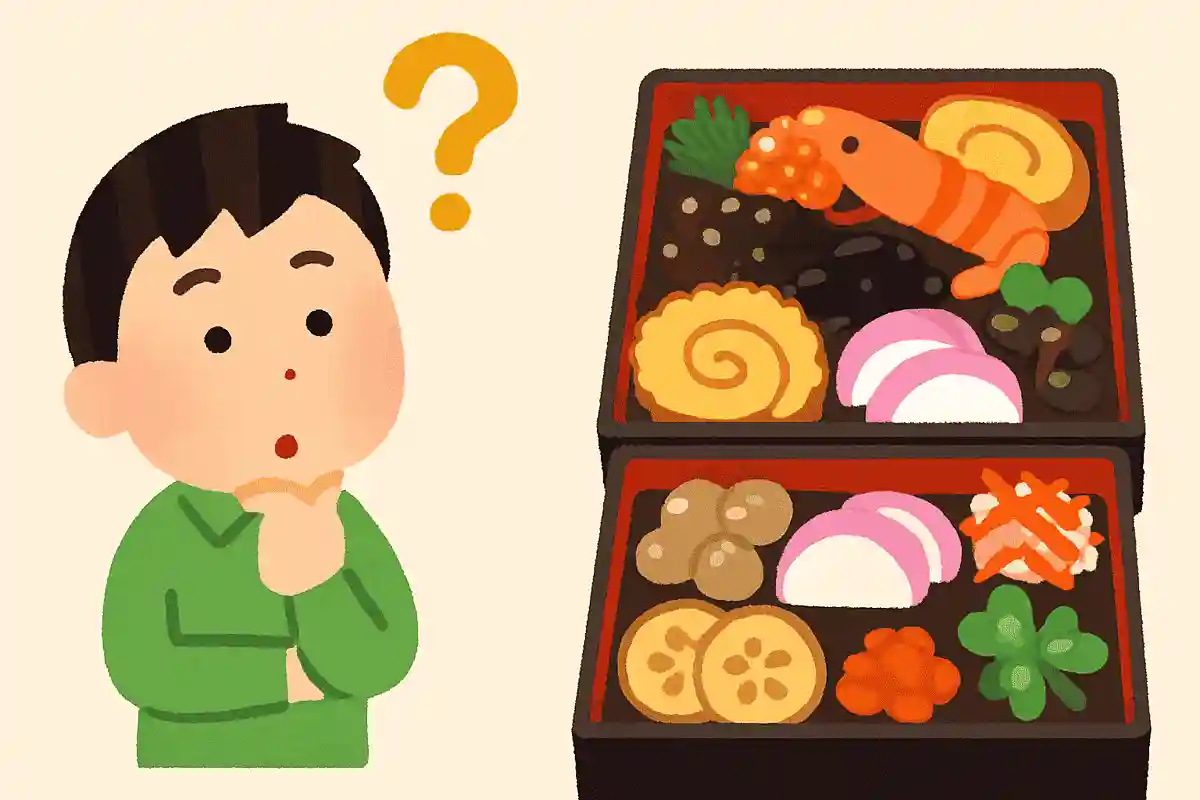
Why do we pack osechi dishes into tiered lacquered boxes?
- So as not to create a lot of dishes from the New Year
- A wish to layer blessings and good fortune
- Expressing the joy of welcoming the New Year
See the answer
A wish to layer blessings and good fortune
An o-jū is also called a jūbako. Jūbako are something you only see on special days like the Doll’s Festival or Boys’ Festival. In Japanese class we also learned the expression “to pick at the corners of a jūbako” (to nitpick). A jūbako carries the meaning of “piling up auspicious events,” which seems to be a concept unique to the East Asian region. Come to think of it, I’ve never seen an American version of a jūbako.
What is January called in the lunar calendar?

- Mutsuki (the first month of the traditional Japanese calendar)
- Kisaragi (the traditional Japanese name for the second month; February)
- Yayoi
See the answer
Mutsuki (the first month of the traditional Japanese calendar)
In the traditional lunar calendar, January is called “Mutsuki.” It is said to derive from expressions such as “mutsubi-tsuki” (written with characters meaning “affection” or “harmonious relations”), reflecting the affectionate atmosphere of relatives gathering for the New Year, and “mutsuki” (written with the character for “fruit” or “grain”), referring to the month when rice grains are first soaked in water.

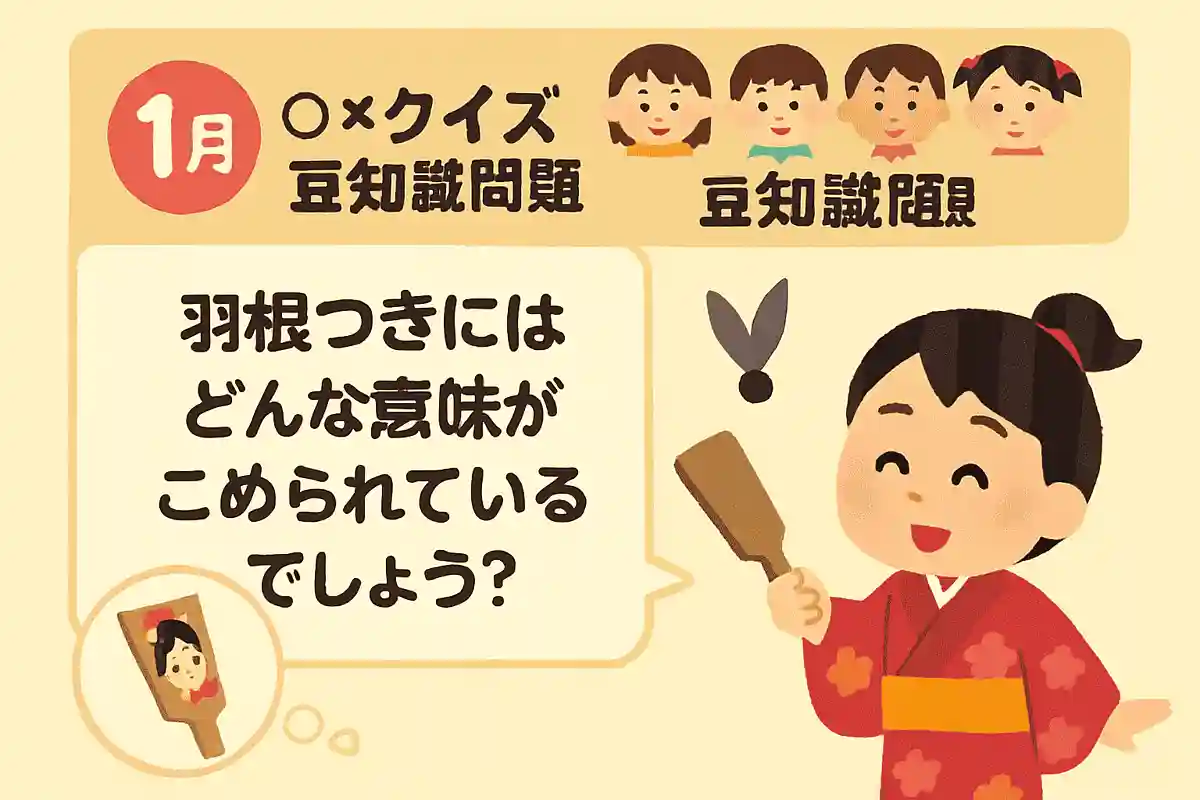
What kind of meaning is contained in hanetsuki?
- Ward off a child's misfortune
- New Year’s weight-loss plan
- So that your luck soars
See the answer
Ward off a child's misfortune
The shuttlecocks used in hanetsuki are made with soapberry seeds. Soapberry is written with characters meaning “child without illness,” expressing the wish for children to stay healthy. There are two types of hanetsuki: agehane, played solo, and oibane, played by two people.
[For Kids] January Trivia Quiz & Fun Facts. Let’s Enjoy Learning About New Year (11–20)
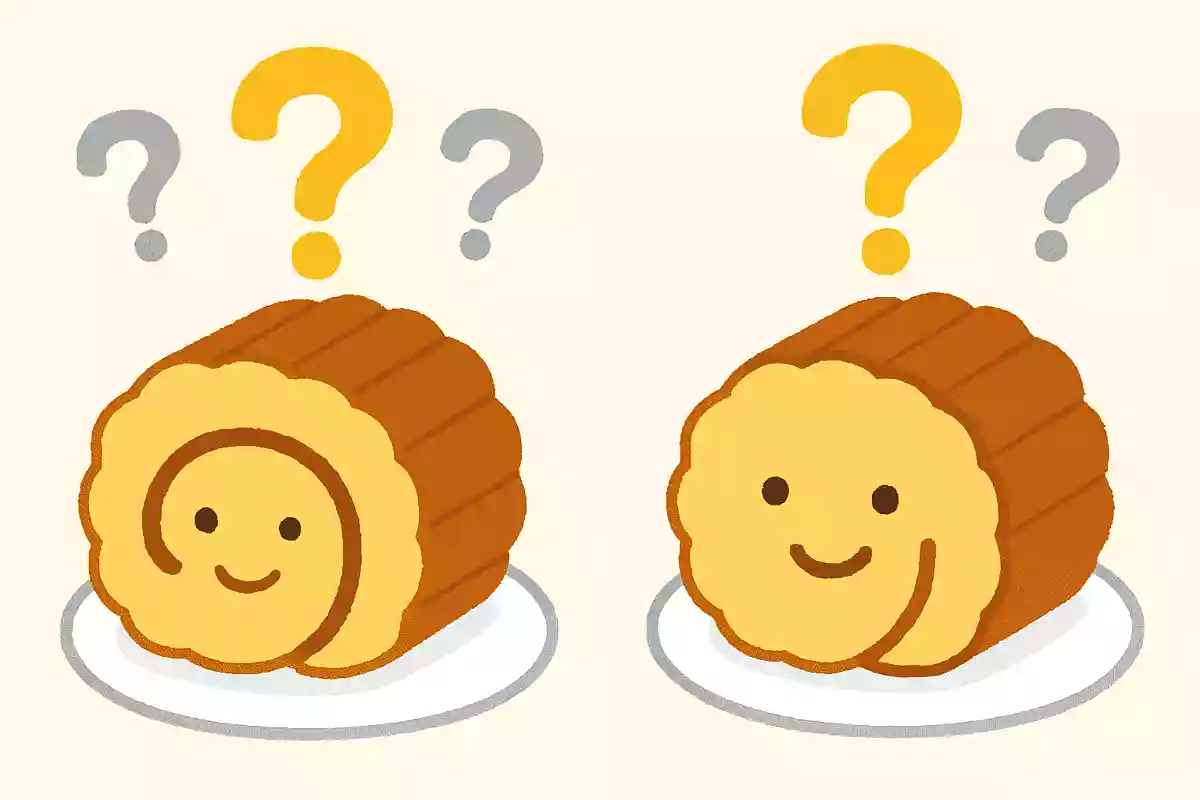
Which way of rolling datemaki for osechi is considered more auspicious?
- right-winding
- left-handed
- Either is fine.
See the answer
right-winding
Datemaki (sweet rolled omelet) included in New Year’s osechi is considered more auspicious when rolled to the right. The right-rolling shape is said to represent yang energy, and following the yin-yang concept, it should be rolled to the right and arranged in the jubako (stacked boxes) in a way that forms the shape of the hiragana character “の.”
What New Year’s Day is January 15 called?
- Lunar New Year
- Little New Year
- First Month of the Lunar Calendar (Shōgatsu)
See the answer
Little New Year
We now use a calendar based on the sun, but in the past people counted months and days based on the moon. That’s why the first full moon of the year was considered very auspicious, and the Little New Year was established. By the way, New Year’s Day is called the “Great New Year,” but do you know anyone around you who actually says that?
Until when is it appropriate to say “Happy New Year”?
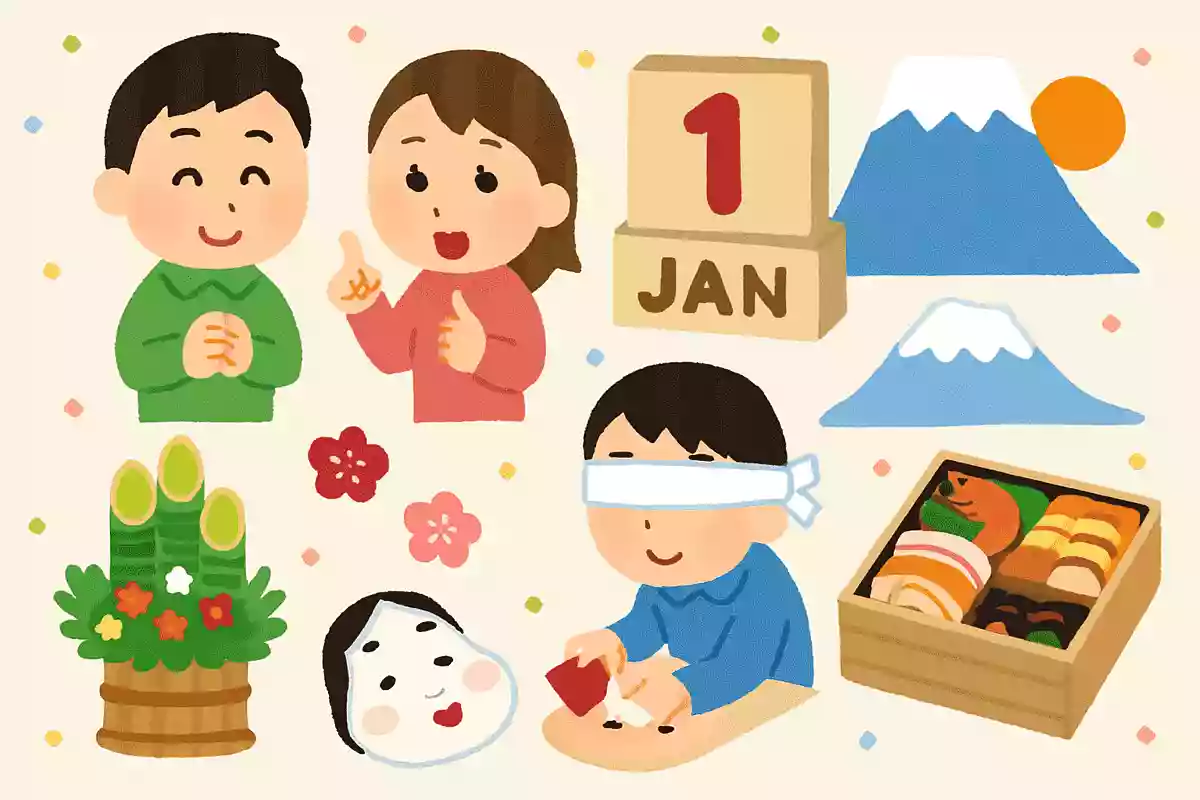
- January 3
- January 15
- January 31
See the answer
January 15
It’s said that this New Year’s greeting is used during the period called “Matsu-no-uchi,” when kadomatsu and pine decorations are displayed to welcome the local tutelary deity. The timing can vary by region, but since Kansai observes it through the 15th, many people seem to follow that schedule.
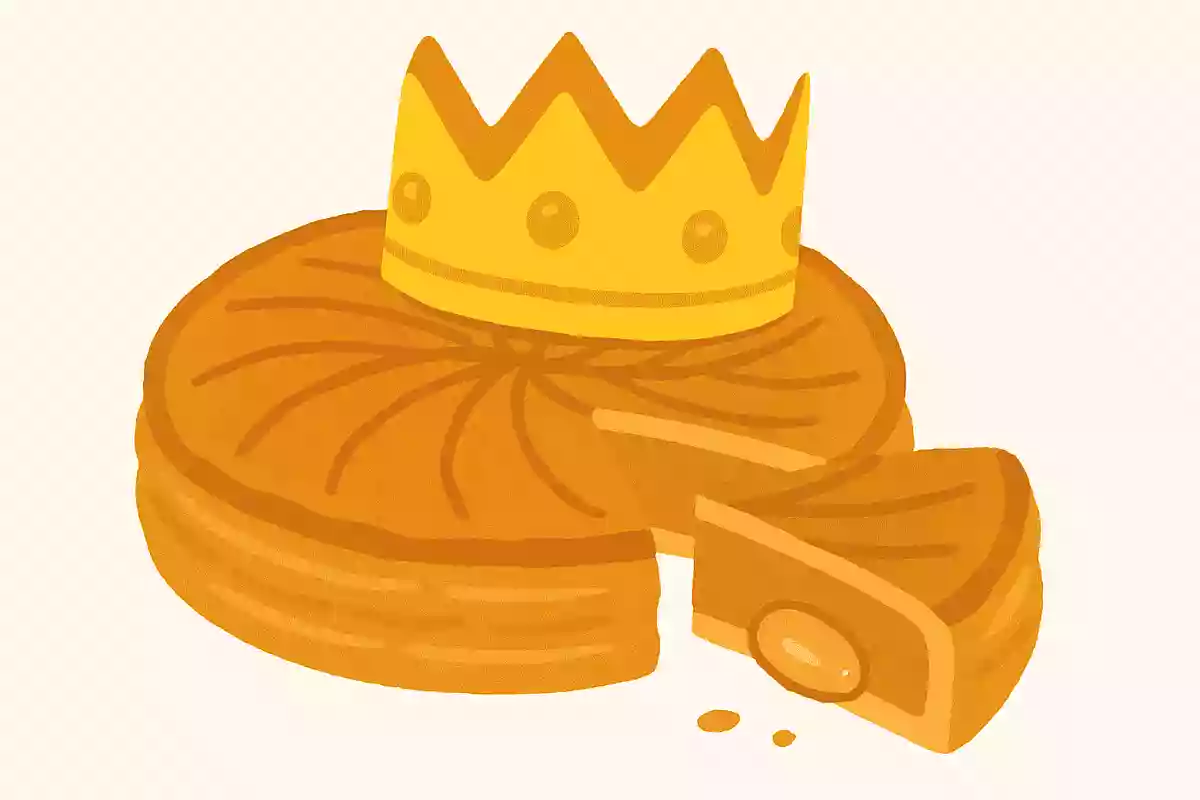
What is inside the Galette des Rois that is eaten in France at New Year?
- omikuji (a Japanese fortune slip typically drawn at Shinto shrines or Buddhist temples)
- small doll
- ring
See the answer
small doll
In France, Galette des Rois is considered an essential New Year’s pastry. It consists of puff pastry filled with almond cream, and if the slice you eat contains a small figurine, you get to be king for the day—making it a delicious and fun treat.
