

[For Kids] January Trivia Quiz & Fun Facts: Learn About the New Year in a Fun Way

January, when the New Year begins, is a month packed with Japanese traditional events and customs, isn’t it? In this article, we’ve prepared kid-friendly trivia quizzes and fun facts about the New Year and January that children can enjoy while naturally learning more and more.
It’s full of little-known January tidbits—like the secrets of osechi cuisine and New Year’s games, as well as New Year’s traditions across Japan and around the world! How about kicking off the new year with smiles by trying quizzes that will spark lively family conversations?
- Fun facts you’ll want to share! January trivia and tidbits special
- [For Elementary School Kids] A New Year’s Quiz Everyone Can Enjoy! Learn surprising fun facts with multiple-choice questions
- So interesting you’ll want to tell someone! December Trivia & Fun Facts Special
- New Year party games that get everyone excited: a fun collection of ideas from classics to DIY
- [For Kids] December Trivia Quiz & Fun Facts! Learn about seasonal events and traditions!
- Trivia quiz with useful tips to know: fun facts that come in handy at school or at home [for kids]
- [For Kids] Today’s Quiz Roundup. Let’s play quizzes about today! [May 2026]
- Let's get excited with a New Year quiz! General questions about the Japanese New Year
- New Year’s Games: Traditional Play and Fun Activities That Excite Everyone from Kids to Adults
- [For Elementary School Students] Trivia About April
- [For Elementary School Students] Animal Quiz to Learn Knowledge and Fun Facts
- [For Kids] November Trivia Quiz & Fun Facts: Let’s Learn While Having Fun!
- Recommended in March! A collection of surprising, little-known trivia that elementary school students will want to share
[For Kids] January Trivia Quiz & Fun Facts: Learn About New Year’s in a Fun Way (31–40)
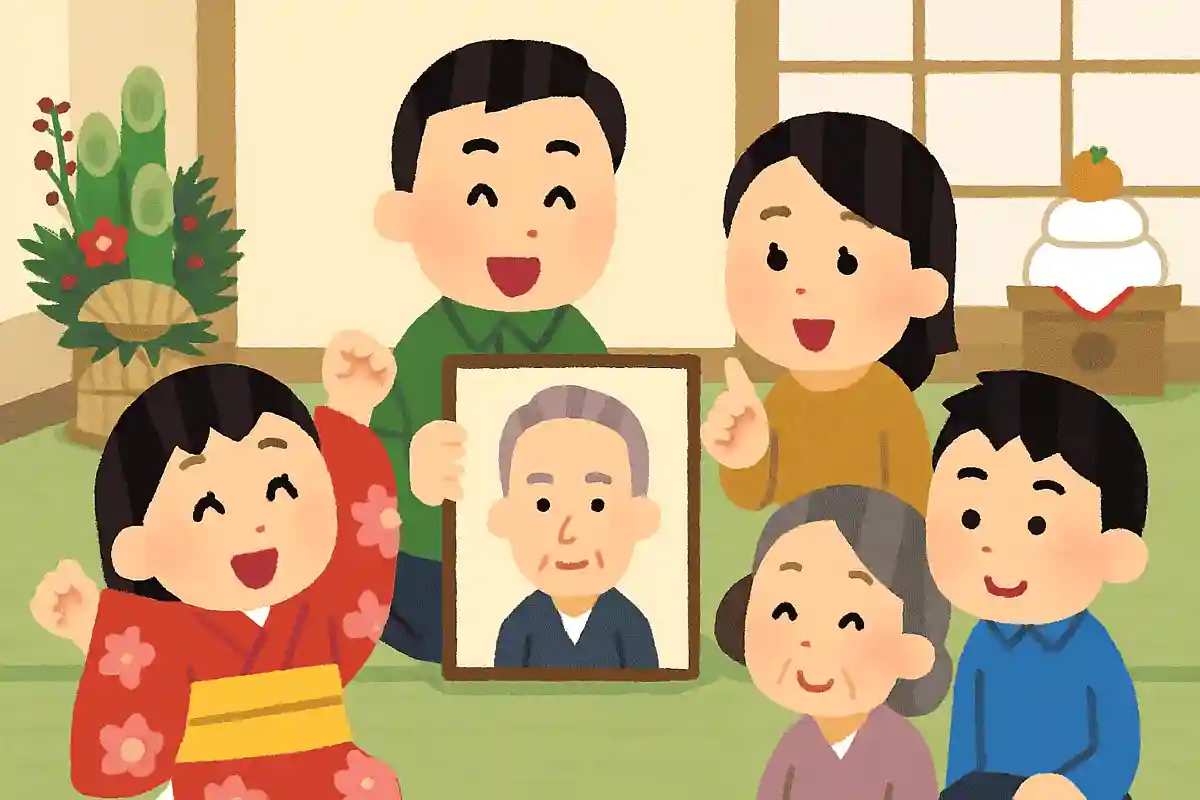
Who composed the children’s song “Oshogatsu”?
- Yuji Koseki
- Rentarō Taki
- Takashi Miki
See the answer
Rentarō Taki
The children’s song “Oshōgatsu” is a famous nursery rhyme that depicts traditional Japanese New Year scenes. It was composed by Rentarō Taki, a composer active from the Meiji to Taishō periods. Taki also created masterpieces such as “Kōjō no Tsuki” and “Hana,” and he had a significant impact on the history of Japanese music. “Oshōgatsu” is loved by people of all ages, from children to adults, and is often sung at schools and at home during the New Year season.

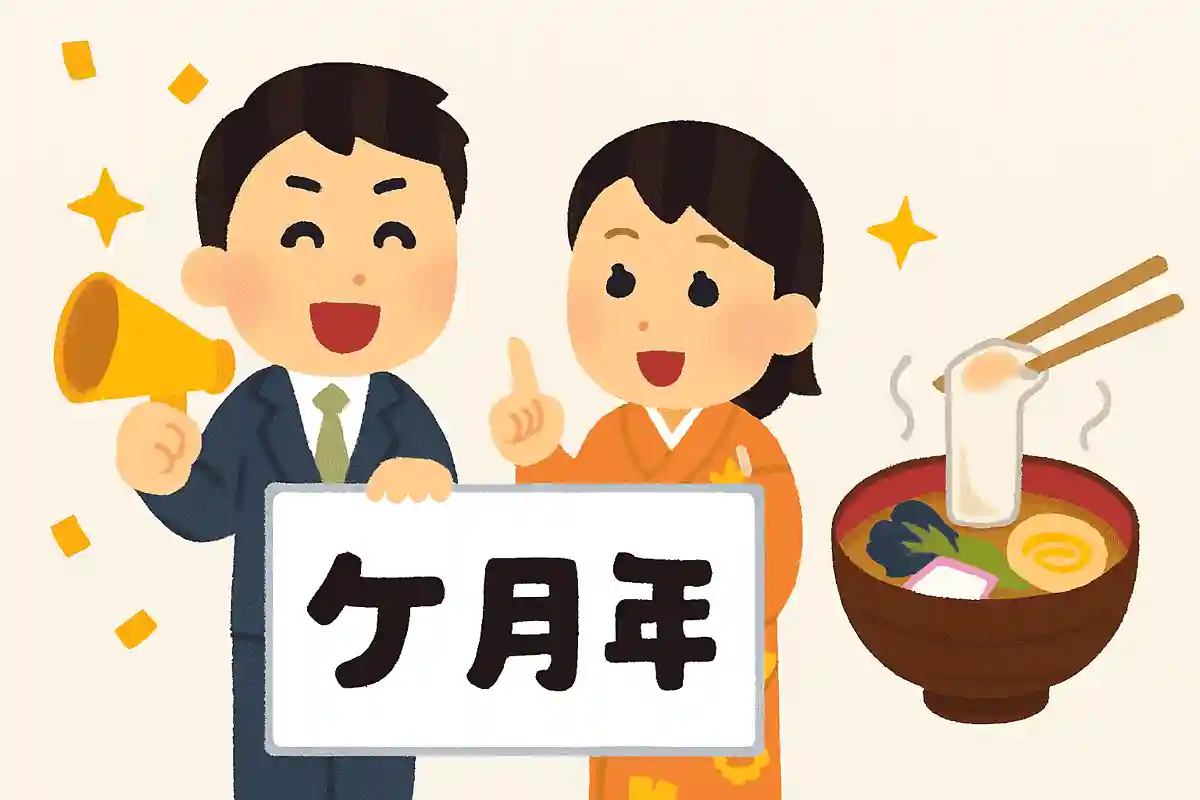
What kind of mochi do people put in ozoni in Kagawa Prefecture?
- Rice cake filled with sweet red bean paste
- Kusa mochi (mugwort rice cake)
- kinako mochi
See the answer
Rice cake filled with sweet red bean paste
A distinctive feature of Kagawa Prefecture’s ozoni (New Year’s soup) is that it uses a white miso broth with mochi filled with sweet red bean paste. This unusual combination is famous as a unique part of Kagawa’s culture, and many residents eat ozoni in this style during the New Year. The gentle flavor of white miso pairs exquisitely with the sweetness of the red bean paste, which is why it has been loved for many years. Also, since ozoni varies by region in ingredients as well as the shape and seasoning of the mochi, it’s fun to compare the differences found across Japan.
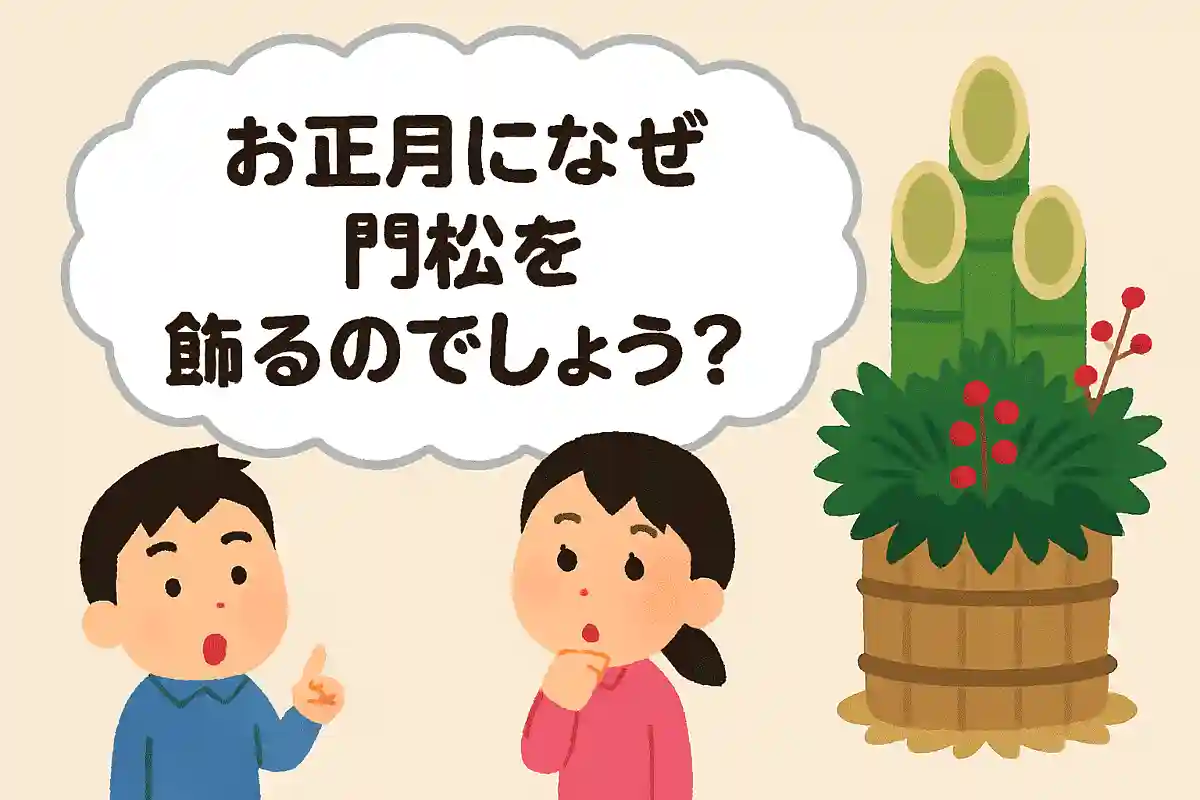
Why do we decorate with kadomatsu for New Year’s?
- warding off evil
- The sign of God
- To celebrate the New Year in a festive way
See the answer
The sign of God
Kadomatsu are displayed as a sign directed toward the gods, saying, “Please come properly to this house.” As for the pine trees used to make these kadomatsu, in the old days people would head toward that year’s lucky direction—the auspicious eho—and cut pine from there to use. It seems the ritual aspect was much stronger than it is now. Even so, the big kadomatsu in front of the department store seem to get bigger every year...
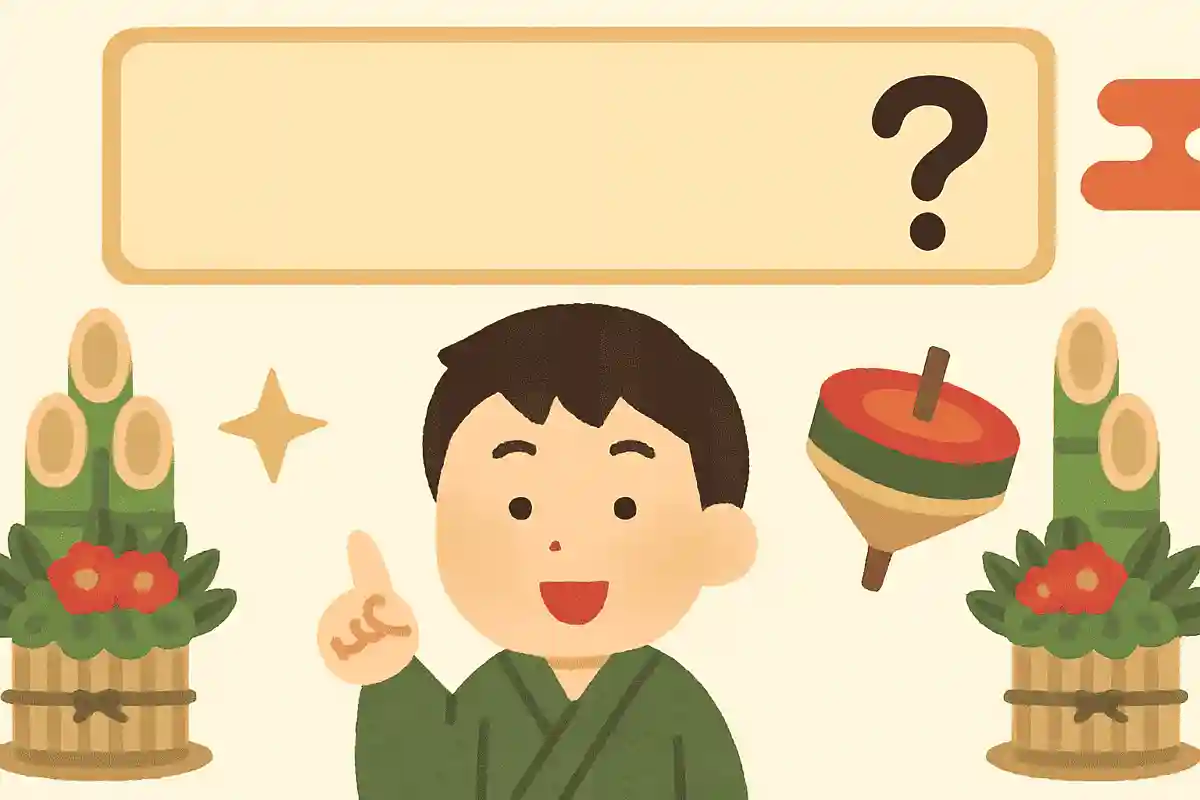
Where was the top born?
- Japan
- Egypt
- United Kingdom
See the answer
Egypt
The oldest spinning top was discovered in ancient Egyptian ruins. Its shape is a bit different from the tops everyone knows; it is said to look like an enlarged nut or seed. There’s even a theory that it wasn’t a children’s toy. Some suggest it was used in various rituals, while others think it served as teaching material for exploring science or mathematics. What do you think?
What used to be dedicated instead of ema in the past?
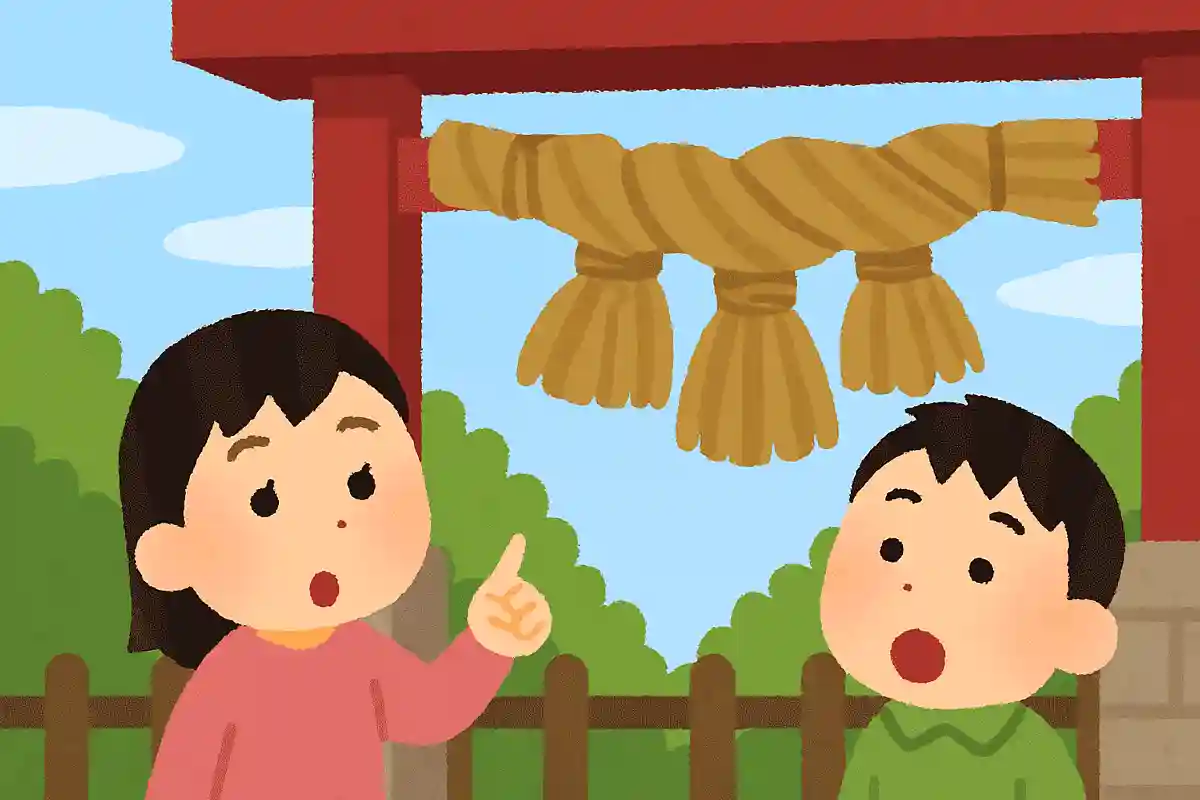
- a lock of horsehair
- a living horse
- horseshoe
See the answer
a living horse
An ema is a wooden plaque that people offer at a shrine when they make a wish or as thanks when a wish is granted. You may have seen many ema hanging at shrines. Records show that in the Nara period, people even dedicated real horses. However, it’s said that even back then, those who couldn’t offer a horse would present a wooden plaque instead. If dozens of horses showed up, the shrine would have a hard time handling them, wouldn’t it?
[For Kids] January Trivia Quiz & Fun Facts: Learn About the New Year in a Fun Way (41–50)
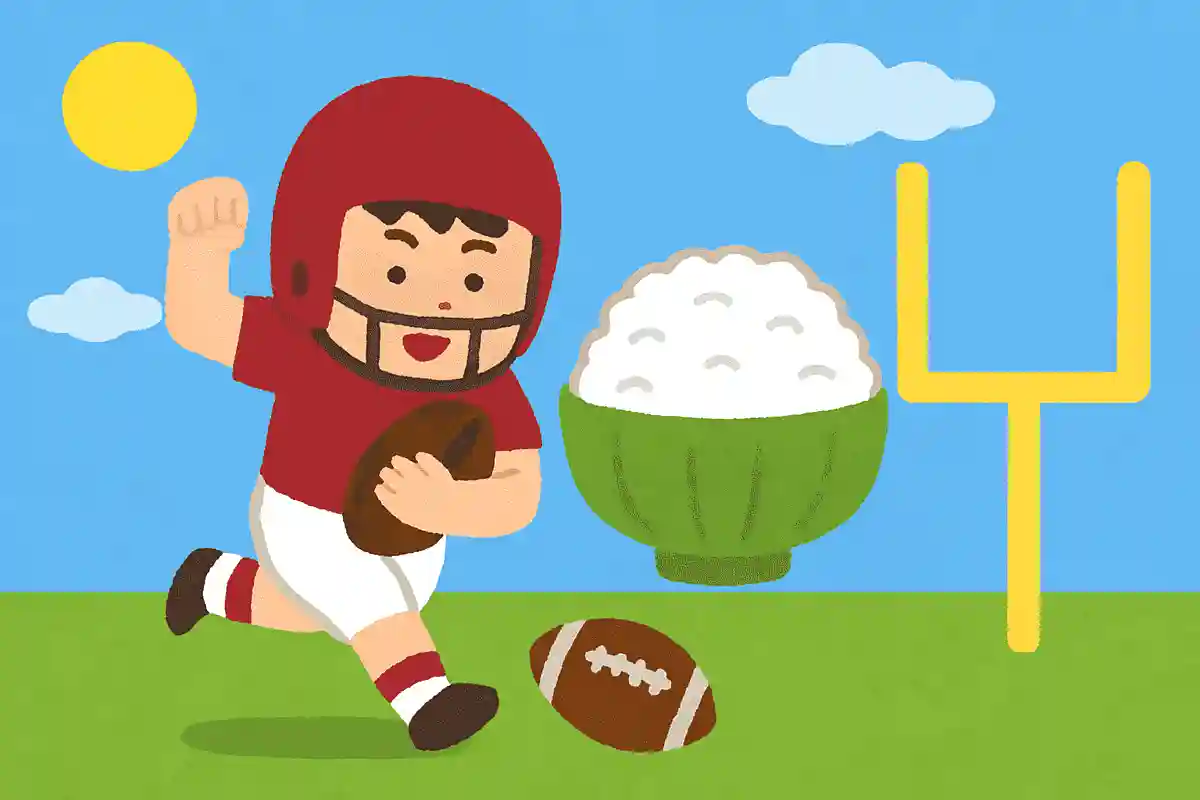
What sport is the “Rice Bowl,” held every January, a tournament for?
- hockey
- baseball
- American football
See the answer
American football
The game where the top team from the corporate league faces the No. 1 college team is called the Rice Bowl. You could say it’s the true national championship of Japan. From 2009 to 2023, corporate teams have won 15 straight times, but college teams—like Kyoto University and Nihon University—have also notched plenty of victories. I’m excited for this year’s Rice Bowl, too! By the way, the championship game in the United States is called the Super Bowl.
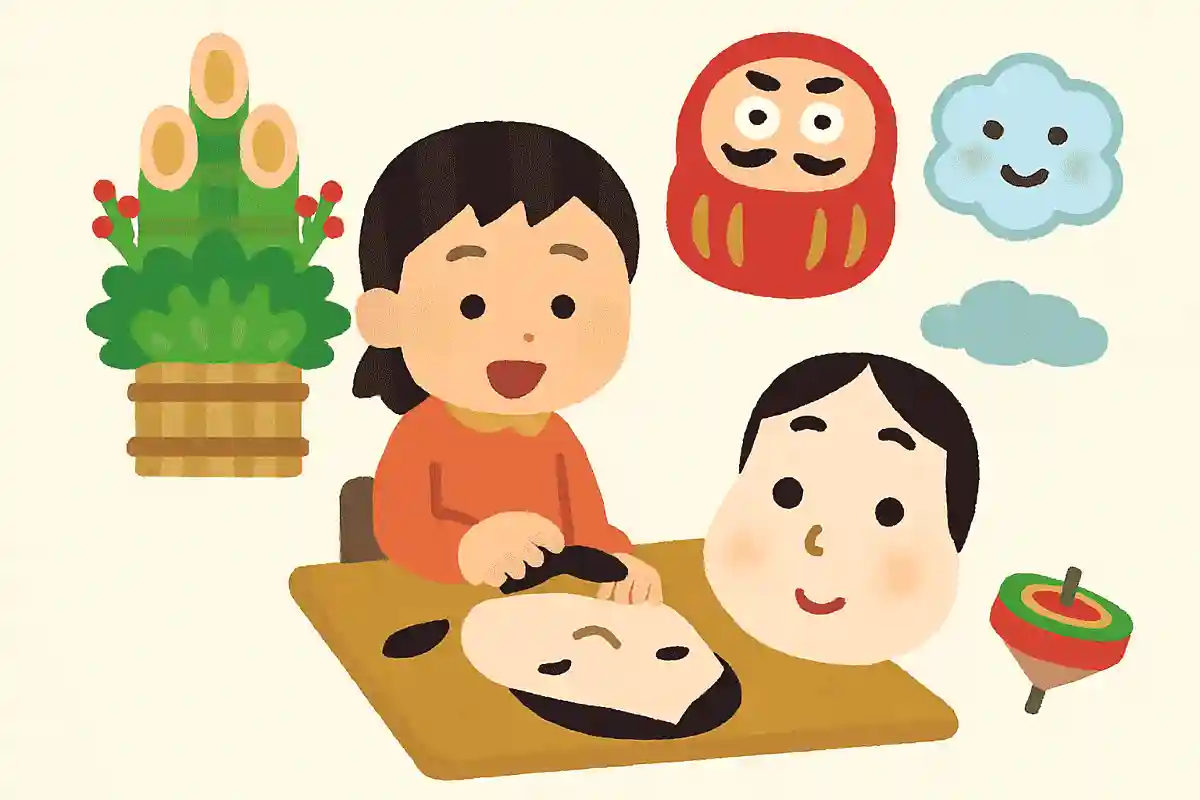
Since what era has Fukuwarai been played?
- Heian period
- Edo period
- Showa era
See the answer
Edo period
Taking advantage of being blindfolded, some people probably make funny faces on purpose. It isn’t entirely clear why such fukuwarai became established as a New Year’s custom. Like the proverb “Good fortune comes to a laughing household,” perhaps laughter is considered auspicious, which is why it took root during the New Year.