

[For Kids] January Trivia Quiz & Fun Facts: Learn About the New Year in a Fun Way

January, when the New Year begins, is a month packed with Japanese traditional events and customs, isn’t it? In this article, we’ve prepared kid-friendly trivia quizzes and fun facts about the New Year and January that children can enjoy while naturally learning more and more.
It’s full of little-known January tidbits—like the secrets of osechi cuisine and New Year’s games, as well as New Year’s traditions across Japan and around the world! How about kicking off the new year with smiles by trying quizzes that will spark lively family conversations?
- Fun facts you’ll want to share! January trivia and tidbits special
- [For Elementary School Kids] A New Year’s Quiz Everyone Can Enjoy! Learn surprising fun facts with multiple-choice questions
- So interesting you’ll want to tell someone! December Trivia & Fun Facts Special
- New Year party games that get everyone excited: a fun collection of ideas from classics to DIY
- [For Kids] December Trivia Quiz & Fun Facts! Learn about seasonal events and traditions!
- Trivia quiz with useful tips to know: fun facts that come in handy at school or at home [for kids]
- [For Kids] Today’s Quiz Roundup. Let’s play quizzes about today! [May 2026]
- Let's get excited with a New Year quiz! General questions about the Japanese New Year
- New Year’s Games: Traditional Play and Fun Activities That Excite Everyone from Kids to Adults
- [For Elementary School Students] Trivia About April
- [For Elementary School Students] Animal Quiz to Learn Knowledge and Fun Facts
- [For Kids] November Trivia Quiz & Fun Facts: Let’s Learn While Having Fun!
- Recommended in March! A collection of surprising, little-known trivia that elementary school students will want to share
[For Kids] January Trivia Quiz & Fun Facts: Learn About the New Year the Fun Way (21–30)
Which of the vegetables in nanakusa-gayu is daikon?
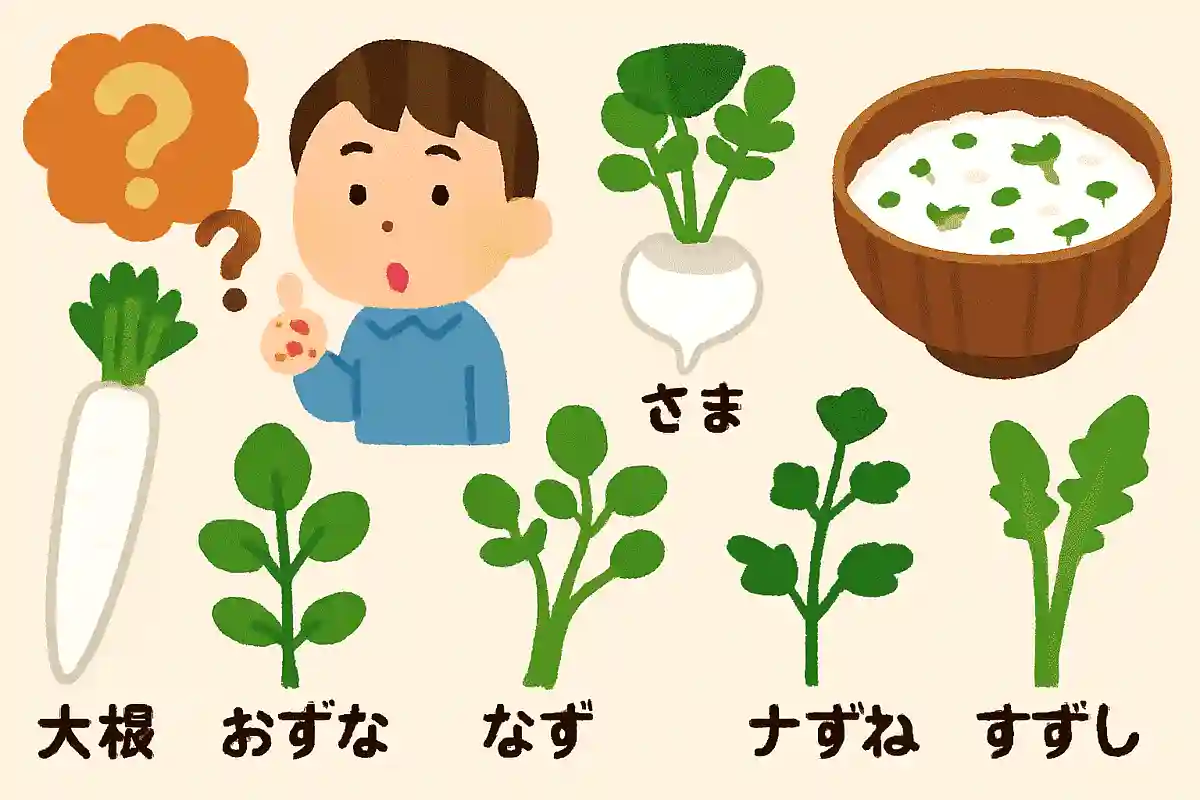
- Chickweed
- Turnip
- daikon (Japanese white radish)
See the answer
daikon (Japanese white radish)
Nanakusagayu is imbued with the wish for a year of good health, free from illness. It’s also said to give your stomach a rest after the lavish New Year’s dishes. Suzushiro is an old name for daikon. Daikon is white, and because white symbolizes purity and is considered auspicious, the name “suzushiro” was applied by extension.
What kind of mochi is included in Kagawa Prefecture’s ozoni?
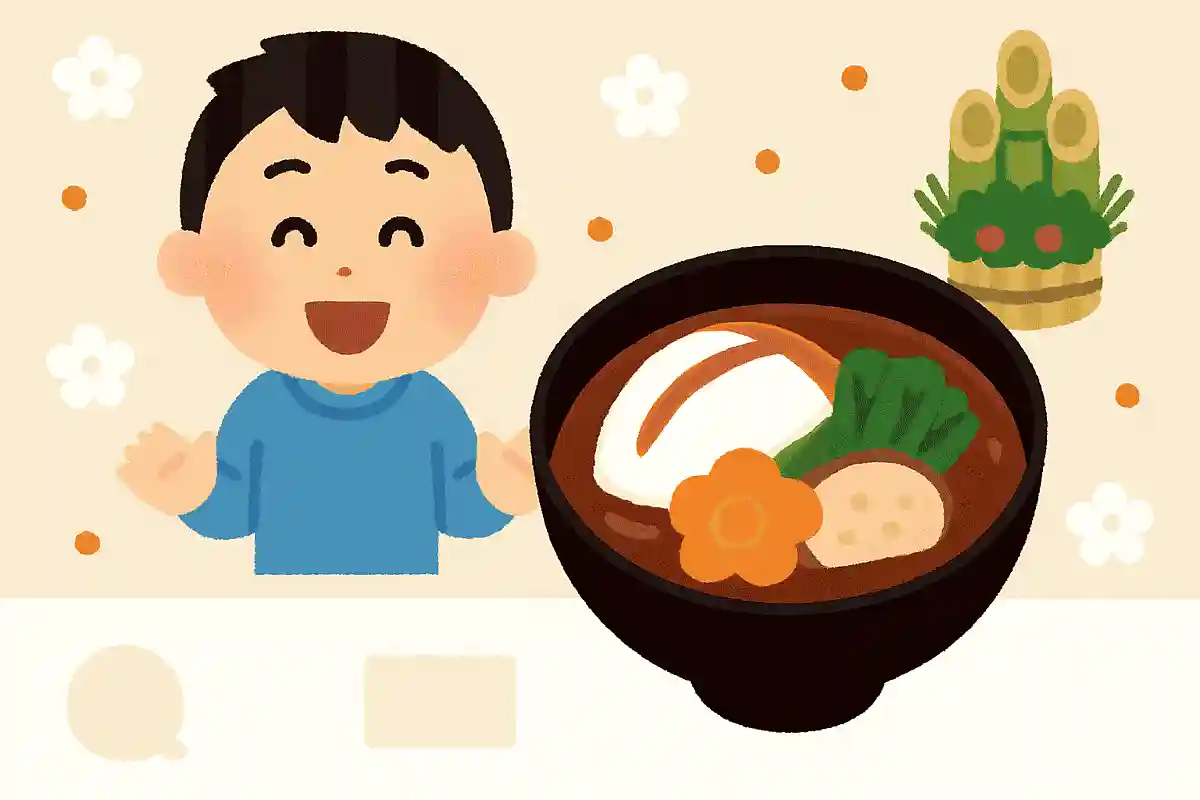
- rice cake filled with sweet red bean paste
- kinako mochi
- Gohei-mochi
See the answer
rice cake filled with sweet red bean paste
Ozoni is a special dish imbued with wishes for a year of happiness and health. It also reflects regional character: people often say the Kanto area favors a soy-sauce-based broth, while the Kansai area uses white miso. Mochi is always included—square mochi is common in the Tohoku region, and round mochi in Kyushu. But mochi filled with sweet red bean paste is a bit unexpected, isn’t it? What is the ozoni like in your region?
[For Kids] January Trivia Quiz & Fun Facts: Learn About New Year’s in a Fun Way (31–40)
When is “Gantan” (New Year’s Day)?

- all day on January 1
- January 1–3
- the morning of January 1
See the answer
the morning of January 1
The word “Gantan” refers to the morning of New Year’s Day and, strictly speaking, means the morning of January 1. It is often confused with “Ganjitsu” (New Year’s Day), but because the character “旦” in “Gantan” denotes morning, it originally refers not just to the date but to the morning hours. This reflects a Japanese custom that cherishes the special time of the morning on the first day of the new year, welcomed after staying up through New Year’s Eve.

What is the meaning behind the datemaki included in osechi cuisine?

- Academic achievement
- Prosperous business
- Fulfillment of love
See the answer
Academic achievement
Datemaki, which resembles a scroll in appearance, is associated with old books and scrolls and thus carries wishes for academic success and increased knowledge. It is especially eaten at the start of the year with hopes for improving studies and learning new things. For that reason, it is a particularly valued dish in households with children or students.
What is the meaning behind the chestnut kinton included in osechi cuisine?
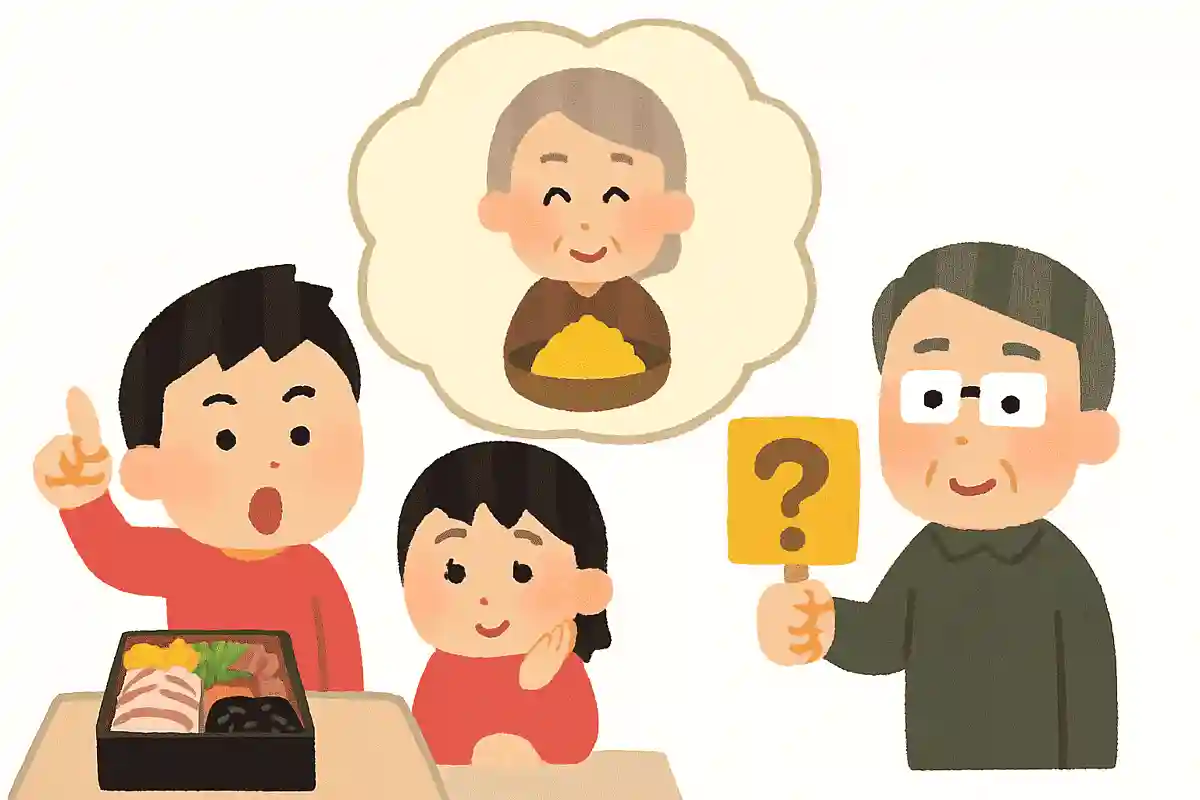
- health luck
- financial luck
- Love fortune
See the answer
financial luck
Kurikinton is one of the most popular dishes in osechi cuisine, and its vivid golden color evokes gold bars and treasure, making it a symbol of good fortune and increased wealth. Eating kurikinton at the start of the new year carries the hope that abundant prosperity will come to one’s household and oneself. Its bright hue also adds a festive touch to celebratory gatherings.
What kind of noodles are good to eat for New Year’s?
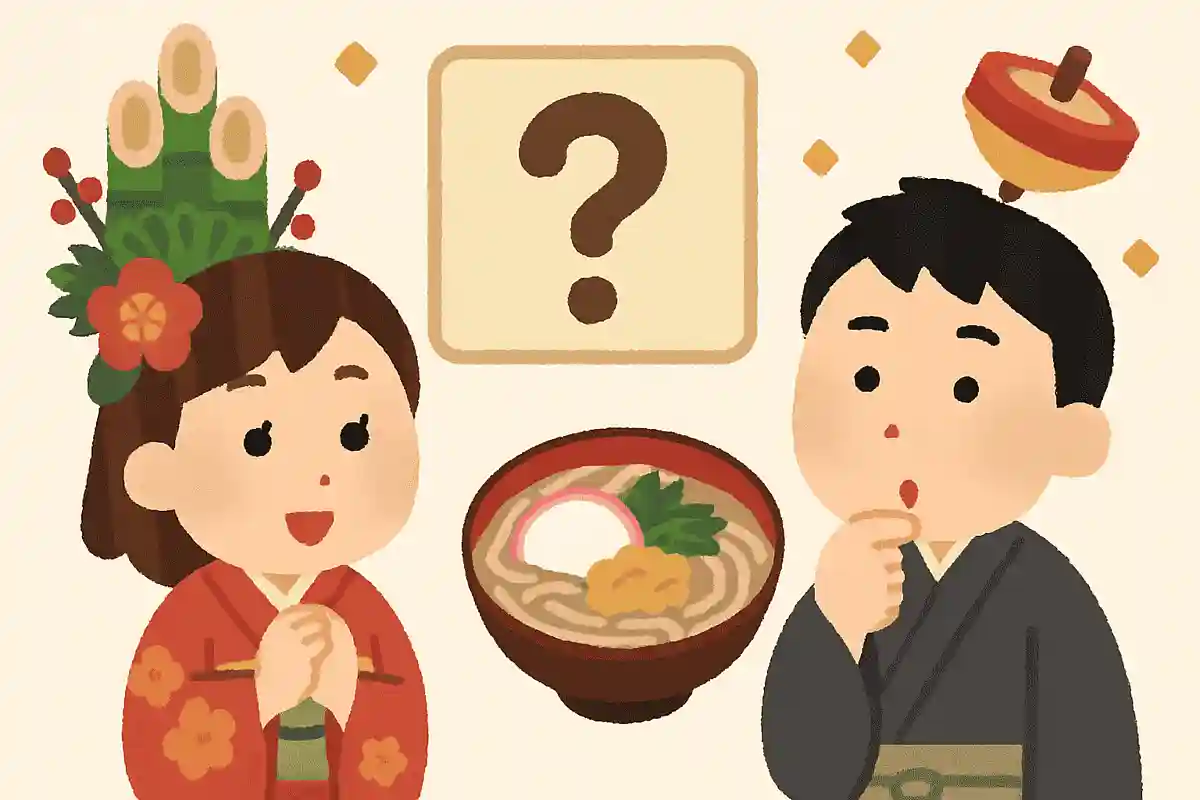
- udon
- soba
- ramen
See the answer
udon
The noodles considered good to eat during the New Year are udon. In some regions, there is a custom of eating udon for good luck alongside ozoni and osechi dishes. In places like Kagawa Prefecture, there is a tradition called “Toshiake Udon” (New Year’s Udon), where people eat white udon at the start of the year to pray for good fortune and longevity. It carries the meaning of wishing for a year free of illness and for the health of one’s family, making it a festive addition to the New Year’s table.
Which country did kite flying originate from?
- Vietnam
- China
- South Korea
See the answer
China
Kite flying is believed to have originated in ancient China. In China, kites made by stretching paper or silk over wooden frames existed as early as the pre-Qin era, and they were used for various purposes, including military applications and entertainment. Kites eventually spread across Asia, including Japan, where they developed uniquely in each region. The custom of flying kites during the Japanese New Year is rooted in cultural influences that came from China.