

Words I want to make my motto that always inspire me

A motto is something you keep close at hand or etch into your heart as a reminder to keep yourself in check.
It’s said that people used to choose them from proverbs, idioms, and four-character compounds, but in recent years many have adopted famous quotations from great figures as their mottos.
What matters is whether it serves as a compass for your life and something you can lean on.
So this time, I’ve put together a list of words and phrases you might want to use as your motto.
They’re drawn from a wide range of sources—historical figures, business leaders, athletes, and more—so be sure to take a look!
- Mottos that are sure to lift your spirits and keep you positive!
- Words from famous people that I’d like to adopt as my motto. Inspiring quotes that convey the power of words.
- Recommended as life tips! A collection of short, memorable quotes from great figures
- Quotes from great figures that give us the power to live
- Heartfelt! Inspiring Quotes Left by Great Figures of Japan
- Encouraging words that give you strength. Words you’ll want to share with those around you.
- Words that strongly push you forward and give you energy
- If you know them, they might become beacons that light your life’s path: a collection of memorable quotes.
- You can push a little further! Inspiring quotes from great figures to boost your study motivation
- Keep your favorite words close. A short collection of quotes that comfort the heart.
- Uplifting words by great figures and famous people that, despite their brevity, convey a sense of philosophy.
- You might even find your motto—short phrases that leave a lasting impression.
- A cool one-line message of support
Words I want to make my motto—phrases that always inspire me (61–70)
No matter how tough the situation, in the end the only thing that supports you is your ‘aspiration’ (your guiding purpose).Sanae Takaichi
These words express the idea that politicians should move forward with conviction, and that it is precisely that aspiration which gives them the strength to face hardships.
When you consider that they likely come from someone who has been a politician for a long time and experienced difficulties, you can sense how strong their resolve must have been.
Conversely, it can also be read to mean that politicians without conviction cannot endure, so their years of activity may reflect the strength of their convictions.
It also makes you want to pay attention to what kind of aspiration it was that gave them the power to overcome so many struggles.

The moment you feel completely satisfied is, in other words, the moment you begin to decline.Eiichi Shibusawa
The entrepreneur Eiichi Shibusawa, who drew attention as the portrait on the new 10,000-yen bill issued in July 2024, was involved in founding institutions such as Mizuho Bank, the Tokyo Chamber of Commerce and Industry, and the Tokyo Stock Exchange.
Because of these achievements, he is known as the “father of Japanese capitalism.” His declaration that staying where you are is not “stability” but “decline” is truly sobering.
It inspires a determination to keep renewing oneself.
I think it resonates not only with businesspeople but also with those dedicated to sports.

A person’s youth ends when they stop dreaming.Kurata Hyakuzō

When you’re tormented by feelings like “I’ve lost my goal” or “I don’t know what to do,” the line in the title is sure to strike a chord.
It’s a quote from Hyakuzō Kurata, author of the Taishō-era blockbuster play A Priest and His Disciple.
One can’t help but think of the fervent passion of his student days—an aspect of a writer who later had a profound influence on the literary world.
The essay containing that line, The Departure of Love and Cognition, is available on the online library Aozora Bunko, so if you’re interested, be sure to check it out.
Write it as failure, read it as growth.Katsuya Nomura
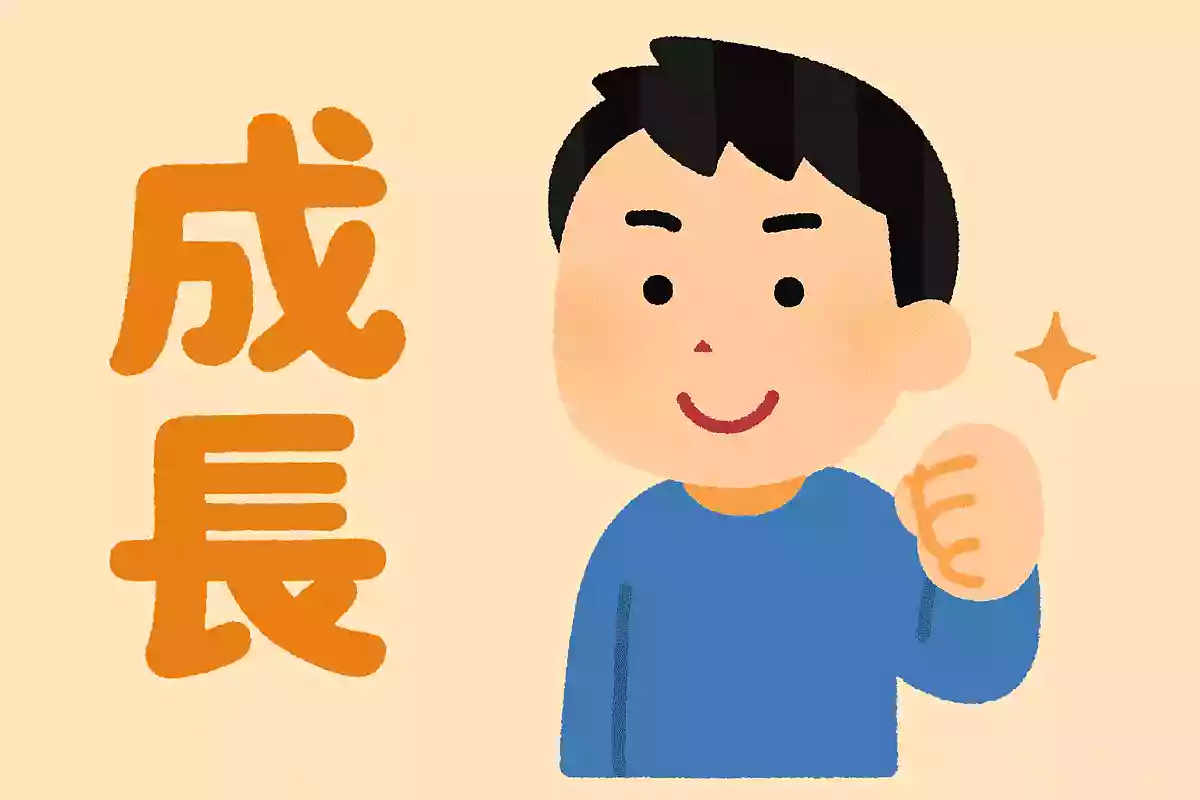
These are words left by Katsuya Nomura, a legendary figure in Japanese professional baseball who also achieved great success as a manager.
He conveys the importance of not viewing failure as a negative event, but accepting it as a step toward growth.
Both as a player and as a manager, he overcame many setbacks and hardships, learning from them to help himself and his teams grow.
He teaches us not to fear failure, but to see it as a step toward future success.
By adopting a perspective that doesn’t see failure negatively, his words give us the courage to keep taking on new challenges.

killing two birds with one stone

They say, “If you take a walk in the park, you can refresh your mind and make up for a lack of exercise—truly killing two birds with one stone.” This means that by walking in the park and moving your body, you’ll both lift your spirits and address insufficient exercise.
It’s a four-character idiom used to express gaining two benefits or results from a single action.
When using the idiom ‘ikkyō ryōtoku’ (killing two birds with one stone), clearly explaining what action you take and what benefits or results you gain will make your point more persuasive and easier for others to understand.

Once-in-a-lifetime encounter
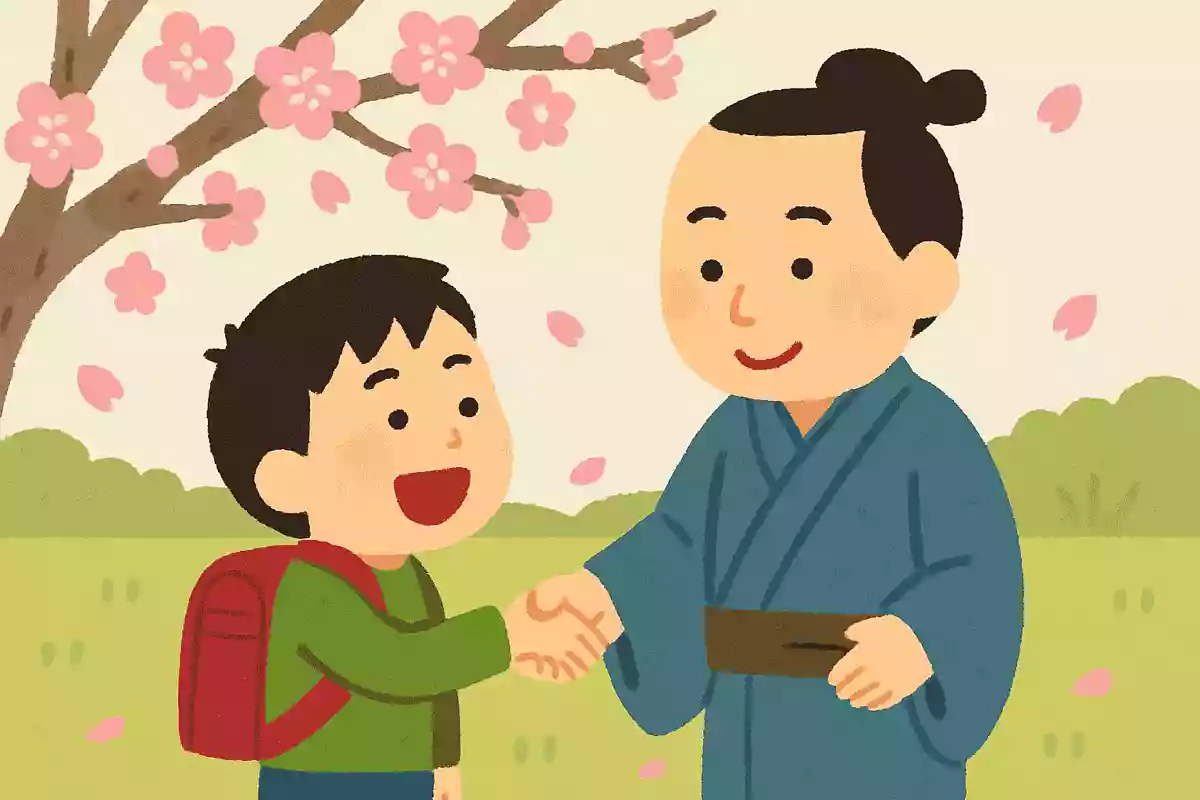
The four-character idiom “ichigo ichie” carries the meaning of cherishing the special, once-in-a-lifetime moment at hand, and is rooted in the teachings of the tea master Sen no Rikyū.
Through the words of Rikyū’s disciple Yamanoue Sōji, the phrase spread in the Edo period when the tea master Ii Naosuke recorded it as “ichigo ichie” in his collection Tea Gatherings: Once-in-a-Lifetime Meetings.
“Ichigo” means “a lifetime,” and “ichie” means “a single tea gathering.” It’s a beautiful saying that encourages both the host and the guests of a tea gathering to approach the occasion with wholehearted sincerity, as if it were a once-in-a-lifetime moment.
telepathy; tacit understanding (literally: ‘heart-to-heart communication’)

Communicating solely through the heart is called “ishin-denshin.” Normally, when we convey something to someone, we use spoken or written words.
But there are times when it’s hard to express things in words.
In such moments, it’s nice to have someone who can pick up on how you feel.
With a close friend, you may sometimes understand each other without putting your feelings into words.
Someone you can share ishin-denshin with is likely a person who always pays close attention to you and understands you deeply.
