
Types of music genres

The famous saying goes, “There are only two kinds of music: good and bad.” That said, it’s often easier to start listening when music is categorized by genre.
Use this as a reference to help you discover new ‘good music.’
- What does the word “repezen” used by rappers mean?
- From street to classical: an overview of dance genres all in one place.
- Male singers with great voices: a collection of cool, seductive vocals
- From rock numbers to dance tunes! Cool songs of the Reiwa era
- Gen Z listeners, take note! Great songs that color the J-pop scene
- A catchy tune that sounds familiar
- Introduction! A collection of recommended masterpieces and standard numbers for jazz beginners
- Captivating in many styles and forms! Love songs in Japanese rap
- Now karaoke isn’t scary! Easy-to-sing songs recommended for the Yutori generation
- Band songs that get the crowd going by genre
- Masterpieces of Japanese fusion—From nostalgic classics to recent recommendations—
- [Gets you grooving] Upbeat Japanese songs. Tracks that make you feel happy.
- [By Genre] Perfect for Parties!! A Catalog of Karaoke Songs That Get Everyone Hyped
Types of music genres (61–70)
Tango

Tango is a classic in ballroom dancing.
Its sharp two-beat rhythm and the distinctive sound of the bandoneon really stand out! There are various theories about its origins, but it’s generally regarded as a traditional competitive and social dance music from Argentina and Uruguay.
Dub

It all started with reggae music, where bold use of effects like reverb and delay in mixing led to playful experimentation.
Although it originated from reggae, this technique has since been adopted across a variety of genres!
Dubstep

It is music that uses two-step rhythms with heavily reverberated drums, born in London, UK in 1999.
The origins of dubstep lie in the trend of selecting tracks that mixed two-step dub mixes with elements of breakbeats and drum and bass.
It emerged as a new genre that started gaining popularity after 2000, and although its history is short since its inception, it has become highly diversified.
dancehall reggae

Using programmed elements like drum machines and samplers, DJs improvise by singing, toasting, or chatting over a repeated riddim—this is primarily what’s called dancehall reggae.
It became a style completely different from earlier forms of reggae.
Chicha

Called chicha, or sometimes chicha, it was popular in Peru from the 1960s to the 1970s.
It’s a Peru-born genre that evolved from cumbia and is also known as psychedelic cumbia.
Its sound is distinctive, showing influences from surf music as well!
Chacarera
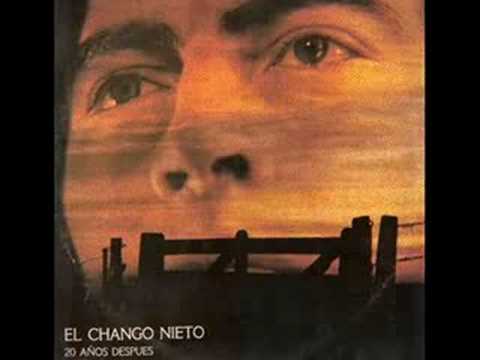
Among Argentine folk music, the chacarera is fairly common! It’s typically performed mainly with guitar and a percussion instrument called the bombo.
The song structure is very simple, and often just repeats the theme and an interlude.
Cha-cha-cha

It’s a type of Cuban dance music that developed from mambo in the 1950s.
Characterized by a crisp duple meter, it has a slower, more danceable tempo than mambo, and features the distinctive, regularly occurring “cha-cha-cha” rhythm—just as its name suggests.