
Types of music genres

The famous saying goes, “There are only two kinds of music: good and bad.” That said, it’s often easier to start listening when music is categorized by genre.
Use this as a reference to help you discover new ‘good music.’
- What does the word “repezen” used by rappers mean?
- From street to classical: an overview of dance genres all in one place.
- Male singers with great voices: a collection of cool, seductive vocals
- From rock numbers to dance tunes! Cool songs of the Reiwa era
- Gen Z listeners, take note! Great songs that color the J-pop scene
- A catchy tune that sounds familiar
- Introduction! A collection of recommended masterpieces and standard numbers for jazz beginners
- Captivating in many styles and forms! Love songs in Japanese rap
- Now karaoke isn’t scary! Easy-to-sing songs recommended for the Yutori generation
- Band songs that get the crowd going by genre
- Masterpieces of Japanese fusion—From nostalgic classics to recent recommendations—
- [Gets you grooving] Upbeat Japanese songs. Tracks that make you feel happy.
- [By Genre] Perfect for Parties!! A Catalog of Karaoke Songs That Get Everyone Hyped
Types of music genres (31–40)
Afro-Cuban jazz

Among Latin jazz styles, this is a form of jazz that incorporates the rhythms of Central America—especially Cuban music.
It doesn’t swing; instead, it develops rhythms in eighths and sixteenths, making extensive use of syncopation and polyrhythms, and is characterized by the inclusion of Latin percussion.
Argentine acoustic school

It’s a new South American music style that arrived in Japan in the 2000s and hadn’t existed there before.
This name is used only in Japan, but the music itself is as sophisticated and distinctive as any other Western music, and it has many devoted enthusiast listeners.
West Coast jazz
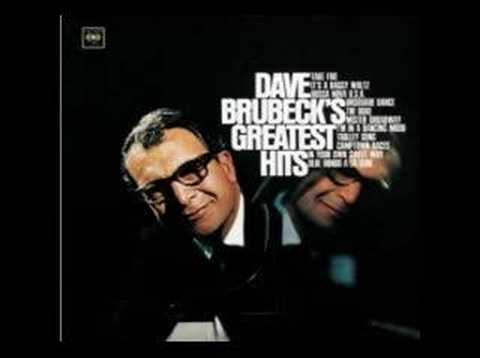
As the name suggests, it’s a jazz genre that was played on the U.S.
West Coast.
Most musicians in this genre were classically trained white performers, and its hallmark is a light, somewhat brighter style that developed out of cool jazz.
Electronica Tango

As its name suggests, it’s a genre that fuses electro with tango, a music style originating in Argentina.
It caught fire in the club scene and even won over listeners who usually struggle with tango, helping to spread the world of tango to a much wider audience.
Electronic Body Music

It refers to music that mainly uses electronic instruments centered around samplers and drum machines, characterized by a physical, danceable feel.
Depending on the track, not only danceable pieces but also ambient, gothic, and experimental/sound-oriented tracks are included, making it quite diverse.
Types of music genres (41–50)
Canterbury Rock

Within the progressive rock genre, bands formed primarily by musicians from Canterbury are referred to by this subgenre name.
Musically, it is heavily influenced by psychedelic rock, featuring a jazz-rock-like sound that relies largely on improvisation.
Country rock

This genre emerged when rock musicians in the 1960s and 1970s began incorporating elements of country music into their sound.
It’s characterized by the use of instruments such as the banjo, pedal steel guitar, and mandolin!