

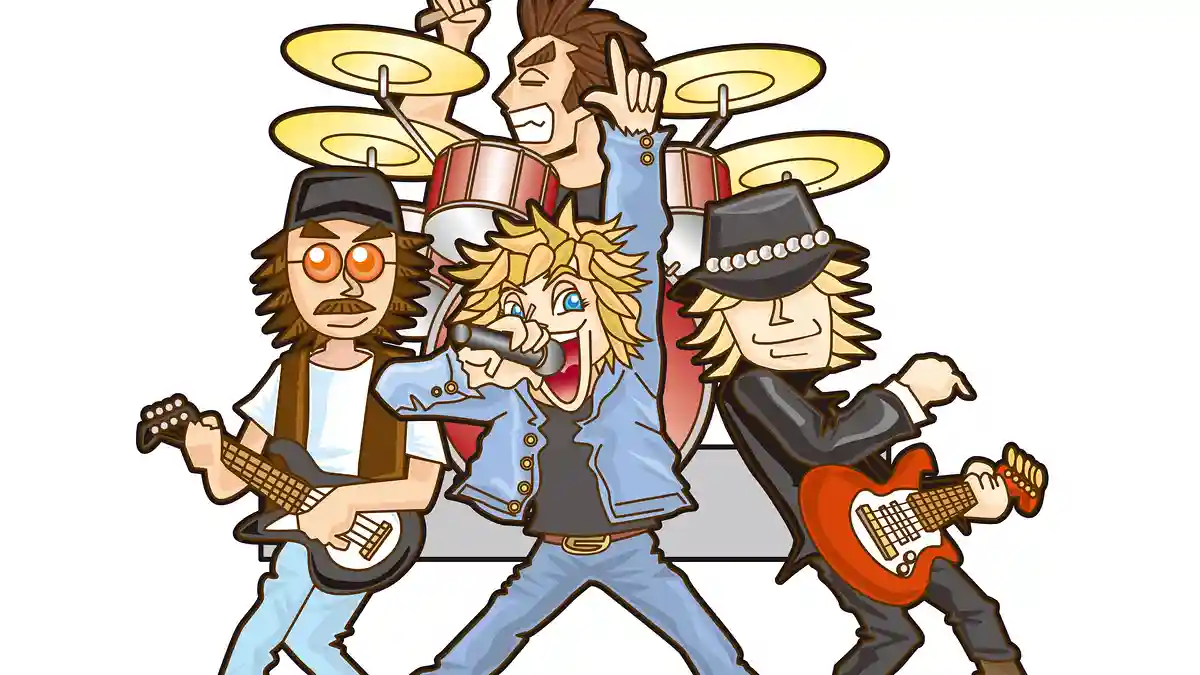
For band beginners: 18 tips to nail your first live show in 3 months
We just started a band... but we want to play live as soon as possible!
Only three months left until the school festival concert...
This time, we asked ESP Entertainment to focus on the key points and explain tips to help band beginners successfully pull off their first live show in a short period of time!
ESP Entertainment, a vocational school specializing in music, performing arts, and voice acting
1.
Confirm the objective
http://jp.freeimages.com/
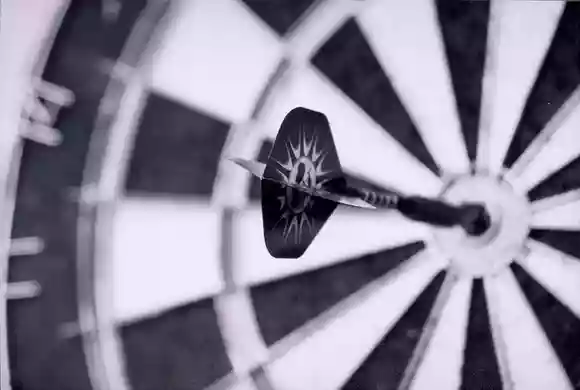
First, let’s confirm the purpose of doing the live stream—why we’re doing it.
To have people listen to our songs, for our hobbies, for charity...
And whatever the purpose, in most cases you probably have to satisfy the customer.
In other words,How to attract customers and how to excite/energize them...must be considered just as seriously as improving performance technique within the short period leading up to the live show.
2.
Choose a song that fits the purpose
http://jp.freeimages.com/
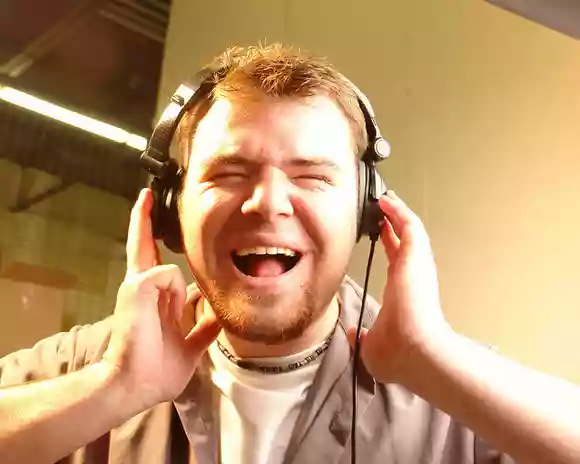
An important thing when choosing songs isCustomer perspectiveto have
For example, the goal is to energize the customers.
In this case, to liven up the live show,Songs I want to doTranslationSongs the customers want to hearIt will be necessary to select (a song).
Let's list about 10 to 20 songs that are likely to be popular with customers, then narrow them down to the simplest, easiest, and most straightforward ones.
And once you’ve chosen the song, put it on your smartphone and just listen to it over and over.
3.
Confirm the role of the part
http://jp.freeimages.com/
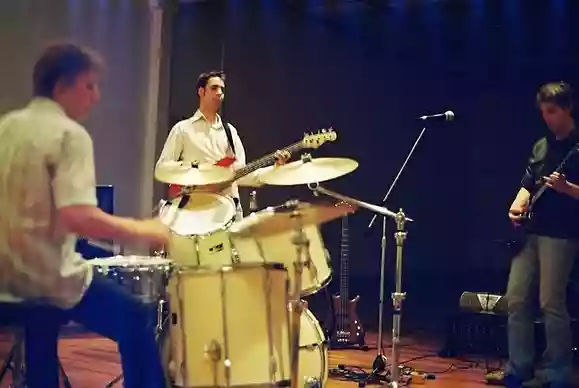
Before actually making any sound, the first thing you should know is,What role does my part play?whether it is so.
Music consists of three elements: melody, harmony, and rhythm.
Melody: progresses while the pitch of the sounds varies in various ways.
Harmony: multiple pitches overlap, change, and progress
Rhythm: the temporal length of sounds progresses according to a certain order and pattern.
The three elements of sound, the three elements of music – acoutis
The easiest way is to visually check by looking at the band score.
For example,
- I wonder what the guitar is playing.
- I wonder what kind of beat the drums are playing.
- Is there harmony on the vocals?
- What other instruments are playing?
Each part has a clear role that makes the song what it is, so first, make sure you understand your role within the band.
Once this becomes clear, the priorities of what you need to do will come into view.
4.
Use a simple arrangement
http://jp.freeimages.com/
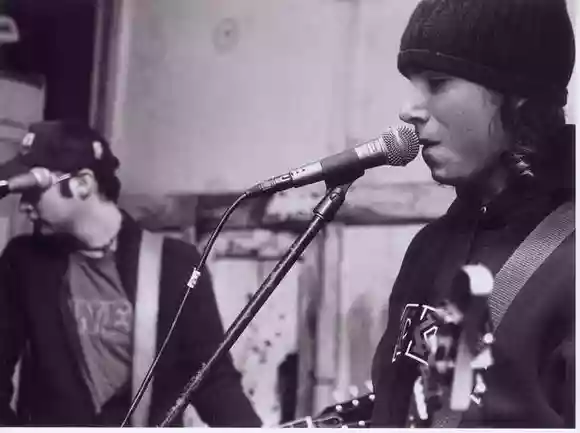
If you still can’t play it well, try simplifying the melody or phrases.
Just to confirm once more, music consists of three elements: melody, harmony, and rhythm.
If you don't break these three frameworks, the song will hold together.
If you don’t know how to simplify it, consult a senior colleague.
5.
Aim to replicate perfectly
http://jp.freeimages.com/
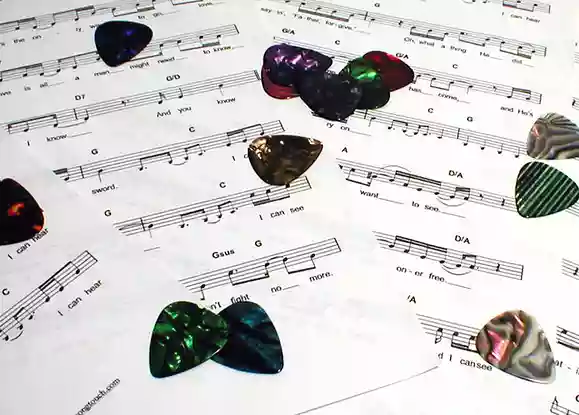
It’s the opposite of 4, but please aim to replicate it exactly if possible.
Having a model to follow not only clarifies our own challenges, but the closer it is to the original song, the more reassured the audience will feel listening to it.
Even when simplifying the arrangement, try to preserve key hits and phrases as much as possible and keep the original song’s feel as intact as you can.
It's not too late to challenge yourself with original, distinctive vocal phrasing and ad-lib solos next time.
6.
Feel the power of a live performance
http://jp.freeimages.com/
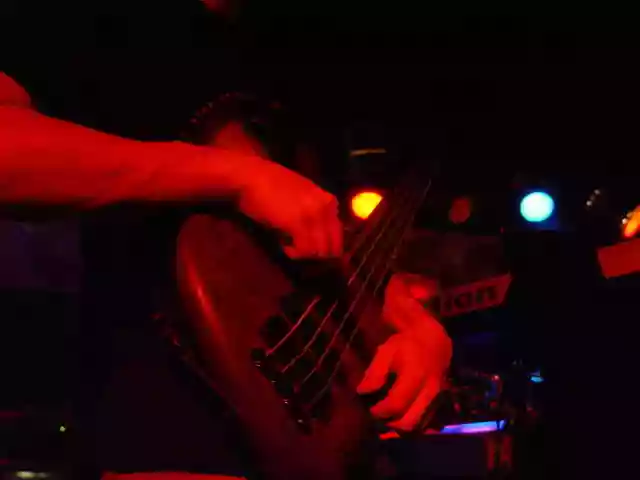
The intensity, tension, and exhilaration of a live stage are unique experiences you can never have in everyday settings like practice studios, schools, or karaoke boxes.
When you actually stand on the stage, the pressure will probably hit you harder than you imagined.
By then, it’s important to have experienced as many live shows as possible in person to get used to the atmosphere of the venue.
Of course—let’s go ahead and actively imitate whatever we can learn from senior bands and the bands we like.
There’s sure to be a new discovery.
7.
Make a plan
Let's work backwards from the live performance day to create the schedule.
It will serve as a checklist for the degree of progress and also make it easy to review the plan if delays occur.
I'll also have senior members and our advisor check it so that we can create a realistic schedule.
First-ever school festival live performance: Schedule management techniques to make your debut show a success8.
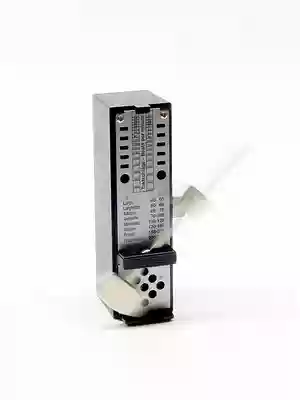
Practice using a metronome
http://jp.freeimages.com/
Keeping rhythm is essential for a stable, solid band performance.
To that end, practicing with a metronome is essential.
From the moment you start a band, make it a habit for the entire group—not just the drums and bass that form the backbone of the rhythm, but also the vocals and guitars—to lock in the rhythm together.
9.
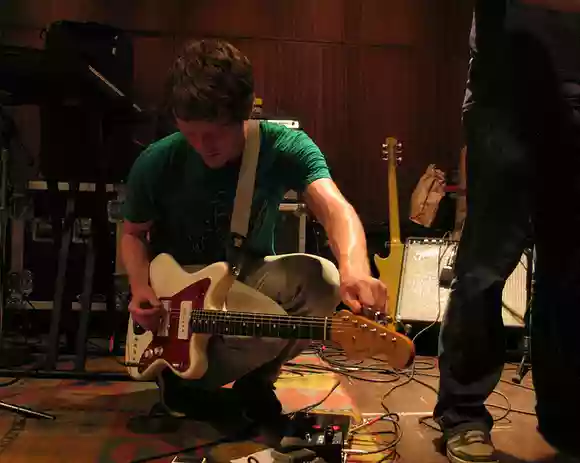
Tune frequently
http://jp.freeimages.com/
If your tuning is off, the whole band’s tonality becomes unstable, and that alone makes you sound bad.
Your sense of pitch within the band won’t develop, and your progress will be slower.
Of course, in such an environment the vocals can’t be sung with accurate pitch.
Stringed instruments like guitars and basses go out of tune more easily with old strings, so replace them with new ones before the performance.
10.
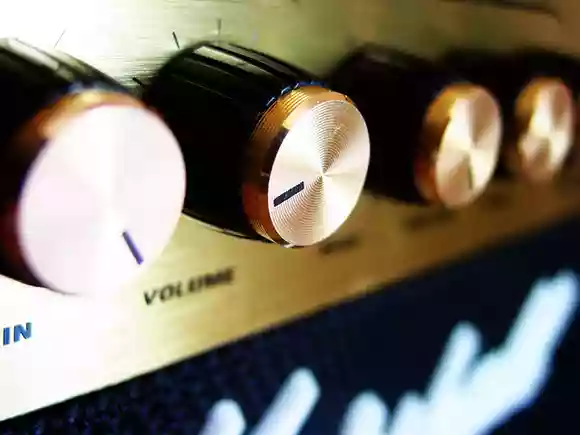
Practice by producing sound through an amp
http://jp.freeimages.com/
When you play at a high volume, differences in dynamics and nuances that you hadn’t noticed before become easier to discern.
Also, performances that somehow felt decent through earphones now clearly reveal their flaws.
By getting accustomed to loud sounds, you’ll be able to accurately pick up each part, which will further improve the band’s performance.
11.
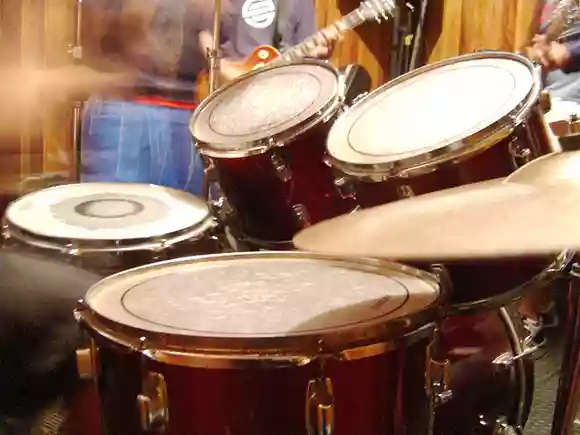
Be mindful of the volume balance within the band.
http://jp.freeimages.com/
By adjusting the volume of each instrument while actually playing, it becomes easier for us to perform and creates a balance that is easier for the audience to hear.
In a song-centered band, the vocalist is ultimately the main star.
While having a third party check, adjust the volume of electric instruments like guitar and bass, using the levels of the vocals and drums as your reference.
12.
Do not use reverb.
http://jp.freeimages.com/
If you keep masking your vocals or guitar with reverb (echo) during practice, you won’t improve very much.
Also, since places like gymnasiums and classrooms have natural reverberation, keeping the same balance as in practice can blur the definition of the sound and hurt its clarity, so you need to be careful with the settings.
13.
Record and check

http://jp.freeimages.com/
When you practice, be sure to record yourself with a smartphone or video camera and check it.
There are many things we can only notice once we look at ourselves objectively.
Let's highlight each issue and work on improving them in the next band practice and individual practice sessions.
And then repeating that is the shortcut to improving your band performance.
14.
practice in public

http://jp.freeimages.com/
Performing in front of people carries a completely different kind of nervousness than practicing, even if it’s in the same place as always.
To get at least somewhat used to this situation, let’s create as many opportunities as possible for people to listen to our performance before the day of the live show.
Also, please get the guitar, bass, and keyboard ready early.Practice standing up.I recommend doing so.
15.
Get advice

Regularly create opportunities to get feedback and advice on your performance from senior members of your band or club, your faculty advisor, and experienced people from outside.
If we can take in the wisdom and experience of those who came before us and use it to drive the next improvements, we should be able to shortcut common mistakes and the detours everyone tends to take.
Skilled bands are like this—Hypothesis > Execution > Verification > Improvement(PDCA cycleThey are properly carrying out the “)” step.
16.
Do image training.

http://www.photo-ac.com/
Imagine.
A band playing happilyandA band performing in silence.
If we’re performing in front of an audience, it goes without saying that it’s best if they enjoy it.
Check out the artist’s performance videos and study how they hype up the crowd during live shows.
17.
Decide on the MC and the performances
http://jp.freeimages.com/
MC, member introductions, costumes, props, guitar solo positions, call-and-response, encore songs, etc.
Let’s not do anything on the fly; instead, make thorough preparations in advance.
For that reason, before the live show we did a full run-through rehearsal, rather than the usual practice “for the songs.”dress rehearsalWe then carry out “for-the-live” rehearsals, in which we run everything exactly as in the real show—from the actual costumes and setlist, to the MC segments, staging, and even the encore.
18.
attract customers

There’s no band that can draw lots of fans right from the start.
Let’s start by steadily involving family and acquaintances—handing out flyers, sending invitations and messages, and building from there.
Seeing you like that, the circle of cooperation will surely expand little by little.
Anyway, I want to make my first live show a success! What should I do in that case?
http://www.esp.ac.jp/enter/course/musician/guitar.html
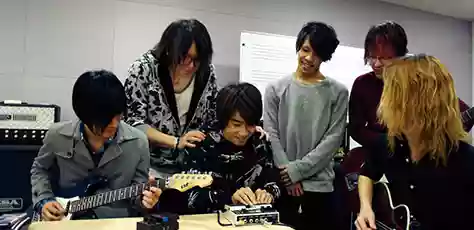
I recommend going to a specialized music school or similar institution and consulting with them directly.
Many of the instructors at the music school are active professional musicians.
- I don’t know how to play the phrase I want to perform!
- What kind of sound design should I do?
- How can I hype up a live show?
It might instantly solve concerns like these.
For example, you could upload your practice session to a YouTube video and have a professional review and correct it.
ESP Entertainment, a vocational school specializing in music, performing arts, and voice acting

Trial enrollment at the vocational school is held free of charge.
Not only can you watch active musicians perform up close, but you can also take lessons and get advice.
I imagine your first live show will come with lots of nerves and worries, but feel free to ask questions about anything you’re unsure of.
ESP Entertainment, a vocational school specializing in music, performing arts, and voice acting
Wishing you success on your first live performance!