

Songs with titles that start with “Na.” A hint for shiritori!

Do any songs come to mind that start with “na”? There are lots of words that begin with “na” and seem likely to be used in song titles—like “natsu” (summer), “nagisa” (beach), and “namae” (name).
In this article, we’ll introduce a bunch of songs with titles that start with “na.” Feel free to use this as a reference for shiritori using only song titles, or for karaoke shiritori where you pick the next song based on the last letter of the previous title.
Let’s dive right in!
- A compilation of Vocaloid songs with titles that start with “Na”
- Collection of song titles that start with 'Ni'
- Songs and famous songs with titles that start with “Ne”
- Songs with titles starting with 'Nu' [Great for karaoke & word-chain games!]
- A compilation of Vocaloid songs that start with “Nu”
- A roundup of songs with titles that start with “N” [There are actually more than you’d expect!!]
- Songs with titles starting with “No” (Perfect for karaoke and shiritori!)
- Songs with titles that start with “Sa”: a roundup you can use for shiritori or karaoke
- Recommended for teenage girls! Easy-to-sing karaoke songs
- Songs with titles that start with a number. Useful for karaoke or playlist selection.
- A compilation of Vocaloid songs with titles that start with “N”
- Songs with titles that start with “Su.” A collection of tracks useful for shiritori.
- A compilation of Vocaloid songs with titles starting with “No”
Songs with titles starting with “Na.” A hint for shiritori! (61–70)
Nambu Semi-shigureFukuda Kouhei

Kohei Fukuda is an enka singer from Iwate Prefecture who boasts overwhelming vocal power honed through folk songs.
His proven talent—evidenced by repeated victories in numerous folk song competitions—is unmistakable, and his powerful, soaring voice leaves an unforgettable impact once you hear it.
He debuted in 2012 with the single “Nambu Semi Shigure,” won the New Artist Award at the 55th Japan Record Awards in 2013, and made his first appearance on NHK’s Kohaku Uta Gassen the same year.
His brilliant high notes and kobushi techniques, cultivated through folk music, are nothing short of breathtaking, and his abilities have continued to be highly acclaimed, including winning the Excellence Award for Singing at the Japan Record Awards in 2020.
With a down-to-earth personality—his special skill is foraging for wild mountain vegetables—Fukuda’s soul-stirring world of song is one you should definitely experience.
No way I’m going to cry.ikimonogakari

Its heartfelt melody and powerful vocals leave a strong impression.
Released in November 2009 as Ikimonogakari’s 16th single, this song was written as the theme for the film of the same name starring Sadao Abe.
It’s an uplifting anthem that urges you on, telling you, even in tough times, “Don’t cry, don’t give up.” If you want to overcome obstacles or need the courage to take a step into a new environment, give it a listen!
Song SevenRADWIMPS

RADWIMPS, who continue to captivate countless listeners with their unique worldview.
Featured on their 2009 masterpiece Altcolony no Teiri, this song is especially striking for its structure, opening with a grand, gospel-like chorus.
Despite its six-and-a-half-minute length, the dramatic arc—from a quiet, storytelling tone to a chorus that erupts with emotion—never fails to stir the heart with each listen.
Lyrics by Yojiro Noda that affirm fate and express love for family—like “Oton to Okan” (Dad and Mom)—are surely etched deeply into the hearts of many who spent their youth with this music.
It’s a number that creates moving, unifying moments across entire venues at live shows, so give it a listen on a night when you want to forget the bustle of daily life and immerse yourself in music.
Nightmare Dinner TimeHitoshizuku P × Yama △
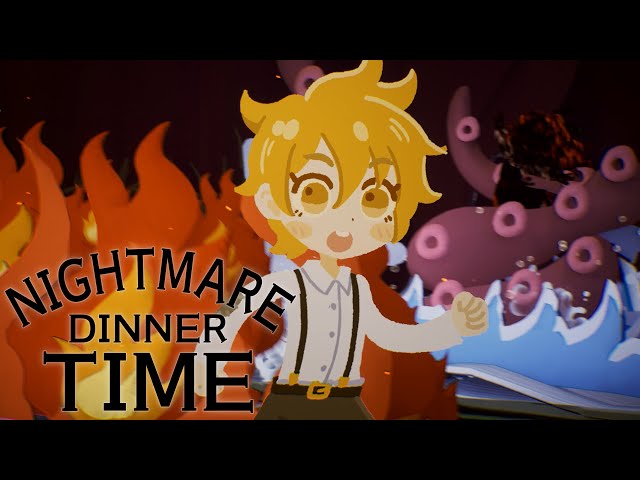
You’ll be overwhelmed by an immersive feeling, as if you’ve wandered into a mysterious world.
Created by Hitoshizuku and Yama△, this work was released in January 2026.
Written specifically for the empathy-driven drama content “We, Night After Night,” it was released as a counterpart to a version sung by a vocalist.
Is forgetting unpleasant memories a path to happiness, or is it losing yourself? That question is explored through familiar motifs like tables and food.
Please immerse yourself fully in this bittersweet yet beautiful story.
summer vacationyoshida takurou

This is a beloved classic by Takuro Yoshida that continues to be cherished as a folk song symbolizing the Japanese summer.
Like flipping through a childhood picture diary, nostalgic scenes—straw hats, sudden evening showers—rise vividly in your mind.
Although it was once subject to various interpretations, it’s said to be based on the artist’s personal memories, including recollections of a teacher he adored in his youth.
It first appeared as a live recording released in June 1971, later became established in its studio version on the album “Genki Desu,” and was issued as a single in March 1989.
Covered by many artists over the years, this song is perfect for times when you want to reclaim a sense of innocence you may have forgotten as an adult.
Its unfading melody is sure to resonate gently in your heart.
Looking up at the nameless skyMISIA

You know how, when you look up at the sky, you sometimes find yourself feeling strangely honest and open? This is a heartwarming ballad by MISIA that captures those moments.
The melody composed by Koji Tamaki and MISIA’s enveloping vocals resonate together, gently touching the listener’s heart.
Loved in living rooms across Japan as the theme song for the NHK morning drama series “Tenga,” this single was released in July 2004, which is also MISIA’s birthday month.
In addition to Koji Tamaki contributing chorus vocals, the song is also included on the album “SINGER FOR SINGER.” Give it a listen when you want to pause in the midst of everyday life or when you want to feel someone’s warmth.
Tearful KissSazan Ōrusutāzu

Released in July 1992, this was Southern All Stars’ first million-selling single.
It was written as the theme song for the drama “Zutto Anata ga Suki Datta,” which caused a sensation at the time with its unforgettable character Fuyuhiko-san, and many viewers likely looked forward to each weekly broadcast.
The lyrics, written entirely in Japanese, vividly portray an unbridgeable distance and lingering attachment to the other person, and Keisuke Kuwata’s wistful vocals are sure to bring tears.
As a lead single from the album “Yoni Manyou no Hana ga Saku Nari,” the song is no doubt deeply etched in memory alongside the drama.
On nights when you feel as if there’s a hole in your heart, why not listen and let yourself sink into those quietly overflowing emotions?