

Songs with titles that start with “Na.” A hint for shiritori!

Do any songs come to mind that start with “na”? There are lots of words that begin with “na” and seem likely to be used in song titles—like “natsu” (summer), “nagisa” (beach), and “namae” (name).
In this article, we’ll introduce a bunch of songs with titles that start with “na.” Feel free to use this as a reference for shiritori using only song titles, or for karaoke shiritori where you pick the next song based on the last letter of the previous title.
Let’s dive right in!
- A compilation of Vocaloid songs with titles that start with “Na”
- Collection of song titles that start with 'Ni'
- Songs and famous songs with titles that start with “Ne”
- Songs with titles starting with 'Nu' [Great for karaoke & word-chain games!]
- A compilation of Vocaloid songs that start with “Nu”
- A roundup of songs with titles that start with “N” [There are actually more than you’d expect!!]
- Songs with titles starting with “No” (Perfect for karaoke and shiritori!)
- Songs with titles that start with “Sa”: a roundup you can use for shiritori or karaoke
- Recommended for teenage girls! Easy-to-sing karaoke songs
- Songs with titles that start with a number. Useful for karaoke or playlist selection.
- A compilation of Vocaloid songs with titles that start with “N”
- Songs with titles that start with “Su.” A collection of tracks useful for shiritori.
- A compilation of Vocaloid songs with titles starting with “No”
Songs with titles starting with “Na.” A hint for shiritori! (41–50)
Shadow of TearsSha ran Q

Released just three months after the smash hit “Iiwake,” this is a melancholic ballad centered on the mid-to-low register, and it was featured as the ending theme for Fuji TV’s “HEY! HEY! HEY! MUSIC CHAMP.” Rather than Tsunku♂’s high notes, its low tones are especially appealing, so it’s a song I’d love to hear from singers who excel in the lower range.
Because low notes can sound muffled and hard to hear, the key is to make them resonate clearly.
Basically, low notes naturally resonate in the chest; if you direct your voice toward your head as you sing, both your head and chest will resonate, and you’ll suddenly hear your own voice better and increase your volume.
Don’t hesitate—project your voice with confidence!

Fading cherry blossomsŌkawa Eisaku
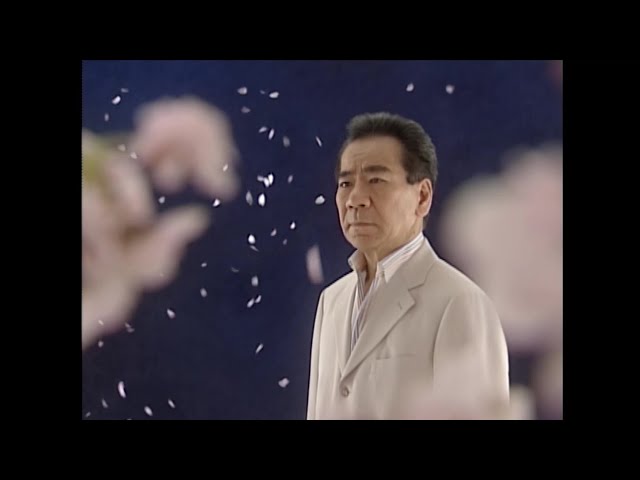
As a leading figure in the enka world, Eisaku Ōkawa has maintained a long and distinguished career.
Released in May 2008, this work is a commemorative single produced to coincide with the major milestone of his 40th year as a singer.
As the title suggests, the lyrics poignantly overlay a love that has ended with the image of falling cherry blossoms, and the rich saxophone sound that resonates from the intro creates a mood-kayō atmosphere that tugs at the heart.
Spring, after all, is a season of partings.
Gazing at the gently fluttering petals and reflecting on days gone by…
you could call this a masterpiece brimming with a mature, wistful melancholy.
If you’re looking for a spring enka song to sing with calm, heartfelt emotion, why not add this piece to your repertoire?
Magic of a Summer Nightindigo la End

indigo la End is a band led by Enon Kawatani, who’s also active in groups like Gesu no Kiwami Otome and Genie High.
This track is the B-side included on the single “Kanashiku Naru Mae ni,” released in June 2015.
It’s a beautiful ballad that vividly captures the indescribable atmosphere of a summer night and the fleeting nature of a summer romance—something you can feel deeply from the music video.
The lyrics portray the protagonist’s aching emotions as they understand the love has ended, yet fall under the spell of the night and sink into memories.
Many listeners will feel a tightness in their chest at the sensitivity of describing those irretrievable days as “magic.” With its cool guitar tones and Enon Kawatani’s soothing falsetto, it’s a song you’ll want to listen to quietly, alone, on a humid midsummer night.
Lost itemKitanitatsuya
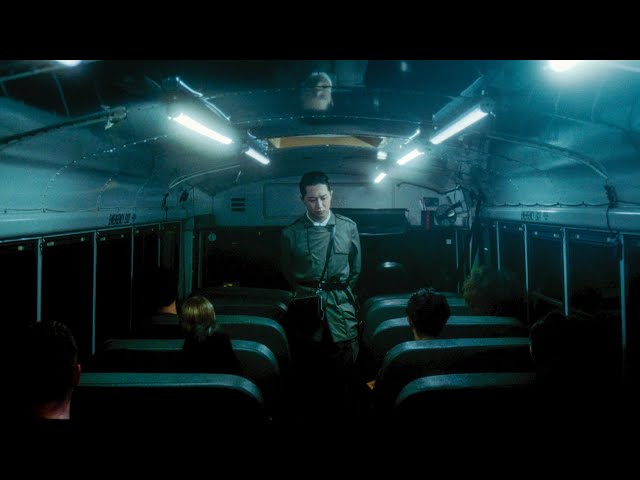
Singer-songwriter Tatsuya Kitani captivates listeners with his distinctive worldview and word choice.
This piece was specially written by Kitani as the theme song for the film “Concocted — The Man Branded a Murderous Teacher.” Released as a single in June 2025, it’s a grand track where a heavy rock sound intertwines with strings.
It conveys a sense of loss as if a part of oneself has been cut away, along with a faint hope to keep believing in others.
It also drew attention when lead actor Go Ayano called it “the final and greatest co-star.” Give it a listen when you feel worn down by daily life, or on a quiet night when you want to face yourself.
The time you spend counting what you’ve lost may turn into the strength to believe in tomorrow.
Nadeshiko SakuraWagakki Band

Wagakki Band is a rock band that has captured worldwide attention with its unique style fusing shigin, traditional Japanese instruments, and rock.
This piece, included on their 2015 album Yasou Emaki, was chosen as the ending theme for the TV anime Samurai Warriors.
It portrays the heartrending emotions of a woman living through an age of war and her strong determination to protect someone dear to her.
Delicate tones of traditional instruments merge with a powerful rock sound to create a ballad that evokes the transience and beauty of flower petals scattering on a spring night.
Its soul-stirring melody is perfect for listening to on a quiet night after cherry-blossom viewing.
Do you have internal organs?Pinokio P

This piece uses internal organs as a motif to question the complacency and apathy of modern society.
Released in January 2019, it was also included on the album “Zero-go,” which came out the following month.
The phrases repeated over a lively electronic beat have an addictive quality that sticks in your head after just one listen.
Miku’s vocals also heighten the contrast between the poppy sound and the cynical lyrics.
It’s catchy yet bittersweet—experience its distinctive allure for yourself.
As many times as you likeDREAMS COME TRUE

A message of unyielding resilience—rising again and again despite setbacks and failures—lies at the heart of DREAMS COME TRUE’s 35th single.
Released in February 2005, the song was written specifically as the theme for Fuji TV’s drama Emergency Ward 24 Season 3.
The production background—carefully reading the script and crafting the song to stand beside those who face life and death on the medical front lines—adds a deeply moving layer.
From the restrained opening verse, the melody soars in the chorus, with strings and rich choral work amplifying the sense of scale—an exceptional arrangement.
Miwa Yoshida’s powerful yet gentle vocals give listeners a comforting push forward.
The song was also used as the theme for the film “Mayu: Kokoro no Hoshi” and in a Sumitomo Life commercial, and in 2020 it became a message song for a healthcare worker support project.
It’s the kind of anthem you’ll want by your side when taking a first step into a new season—or when you hit a wall and feel like you might stop.