

The fiery soul and the roots of folk felt in Tsuyoshi Nagabuchi’s classic song

Tsuyoshi Nagabuchi continues to breathe a fiery soul into the Japanese music scene.
Since his 1977 debut, he has freely expressed profound messages through his powerful voice and moving lyrics.
The hope embedded in “Kampai” and “Himawari,” the heartrending feelings in “Gekiai,” and the deep love for “Family”—each song carries messages that continue to resonate with our lives.
Here, we present the gems of Tsuyoshi Nagabuchi’s music, forged as he has carved out new horizons with a vocal style often described as a cry from the soul.
- Tsuyoshi Nagabuchi Popular Songs Ranking [2026]
- Tsuyoshi Nagabuchi’s easy-to-sing songs: Recommended tracks for karaoke
- Karaoke Ranking of Popular Tsuyoshi Nagabuchi Songs [2026]
- [Tearjerker] Songs that make your heart tremble with tears & moving tracks with lyrics that touch the soul
- A Man’s Way of Life: Songs of Men. Masterpieces packed with manly valor and aesthetics.
- A classic of poignant, heartwarming songs. Recommended popular tracks.
- [A Life-Affirming Anthem] An Encouraging Song to Cheer You On
- Popular Japanese songs among men in their 60s: recommended masterpieces and classic tracks
- Classic songs that celebrate courage. Recommended popular tracks.
- Miyuki Nakajima’s Cheer Songs and Popular Tracks Ranking [2026]
- Great songs recommended for men. Masterpieces and popular Japanese songs that resonate with the heart.
- Tear-jerking songs recommended for men in their 50s: classic and popular Japanese hits
- Masterpieces by male artists known for their captivating high notes. Recommended popular songs.
The fiery soul and the roots of folk felt in Tsuyoshi Nagabuchi’s masterpieces (11–20)
dragonflyNagabuchi Tsuyoshi

Even people who aren’t fans know this song! It really feels like their signature track (lol).
It was also the theme song for a drama, and the lyrics, above all, seem to distill the whole story—no matter how many times I hear it, it takes my breath away.
When you think of Tsuyoshi, it’s this one! (lol)
Wandering Love SongNagabuchi Tsuyoshi

This is also a famous song that I think every fan knows.
It’s a piece from when it was performed as a folk song—the tempo is exactly that—and 22-year-old me really loves the style (lol).
I sang it in front of my friends when I was in junior high, but they didn’t like it.
Song of the Old Man of Nishi-ShinjukuNagabuchi Tsuyoshi
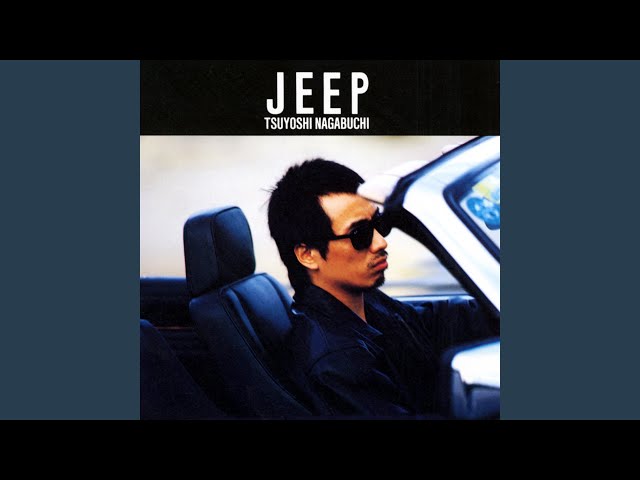
This is a deeply human song that portrays the life of a bar owner in Nishi-Shinjuku—awkward in some ways, yet unwavering in his principles.
The father’s oft-repeated catchphrase may inspire some listeners to live fully in the present so they won’t look back with regret.
Released on the August 1990 album “JEEP,” the track was also used as an insert song in the drama “From the North Country ’92: Departure.” For those standing at a crossroads in life or hesitating before a new challenge, it carries a warm yet powerful message that gently, firmly nudges you forward.
oneNagabuchi Tsuyoshi

It’s a relatively recent song, I think it was released after he changed labels.
Alongside its beautiful melody, the lyrics carry a heartfelt warmth that naturally brings tears to your eyes as you listen.
I also love Tsuyoshi’s beautiful falsetto.
YujiNagabuchi Tsuyoshi

When it comes to Tsuyoshi Nagabuchi songs named after a person, “Junko” is the famous one, but “Yūji” is a masterpiece too! Released as a single in 1985, it has since become a staple that’s almost always performed live and beloved by fans.
As Nagabuchi fans well know, the name “Yūji” was later used in dramas and films in which he starred.
It’s a simple folk-rock-style number—listen to it or sing it while recalling the bittersweet ache of a youth you can never return to.

summer festivalNagabuchi Tsuyoshi

I’ve heard that many people admired Go and tried hard to play the guitar just like him (lol).
This one also has a retro-ish vibe, and instead of being a sad song, it evokes the feel of a summer festival, so it really sticks in your head (lol).
It’s a cute song.
The burning soul and the roots of folk felt in Tsuyoshi Nagabuchi’s classic songs (21–30)
sunflowerNagabuchi Tsuyoshi

This song is from before I was born, but it feels like I grew up listening to it.
It was the theme song for the drama “Bodyguard” starring Tsuyoshi, and every time the melody played in the recorded episodes—whether in the opening or as an insert song—I was deeply moved.