

Collection of song titles that start with 'Ni'

How many songs can you think of with titles that start with “Ni”?
Since “ni” includes the big word “niji” (rainbow), there are lots of songs whose titles start with “ni” that use “niji” in the title.
In this article, we’ll introduce not only “Niji,” but a variety of songs whose titles start with “ni.”
We’ve picked out all kinds of tracks, from theme songs used in dramas and movies to hype tunes that make you want to sing along.
When you use “Niji” in a song-title shiritori game, don’t forget to say whose song it is!
- Compilation of Vocaloid songs starting with “Ni”
- Songs with titles starting with 'Nu' [Great for karaoke & word-chain games!]
- Songs with titles starting with “No” (Perfect for karaoke and shiritori!)
- A compilation of Vocaloid songs with titles that start with “I.”
- A compilation of Vocaloid songs with titles that start with “Na”
- Masterpieces with titles that start with 'A'
- A roundup of songs with titles that start with “N” [There are actually more than you’d expect!!]
- Songs with titles that start with “Na.” A hint for shiritori!
- Masterpieces That Sing of Rainbows: A Selection of Recommended Popular and Latest Songs
- Songs and famous songs with titles that start with “Ne”
- A compilation of Vocaloid songs with titles that start with “N”
- Songs with titles that start with a number. Useful for karaoke or playlist selection.
- A compilation of Vocaloid songs with titles starting with “No”
List of song titles that start with “Ni” (91–100)
Need You BadSIRUP
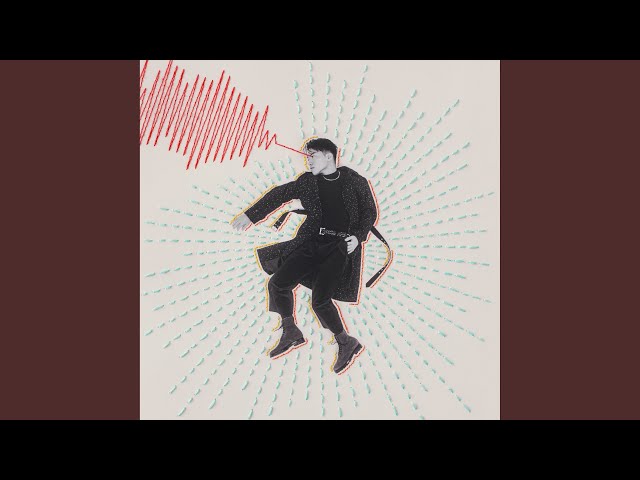
This is a number by SIRUP with an urban, sophisticated sound that feels effortlessly pleasant.
The song portrays an ambivalent, grown-up kind of love: a desire to be close to someone while still wanting to remain free and unbound.
Many listeners will relate to the lyrics, where a cool, pragmatic view—treating love as a meeting of interests—coexists with the loneliness of not wanting to be alone.
The track appears on the EP “CIY,” released in March 2020, and its chorus reportedly emerged from a session with producer STUTS and others.
It’s a bittersweet love story that’s perfect for nighttime drives or quiet moments alone.
When you’re a little worn out from the push and pull of romance, this song might gently ease your heart.
Carrot Engine RocketHanada Yuuichirou, Nagata Maya

“Carrot Engine Rocket” is a song with a delightful concept: imagining carrots as engines for a rocket blasting into space.
It first aired on NHK’s “Okaasan to Issho” in October 1961.
The lyrics were written by Keisuke Yamakawa, and the music was composed by Hachidai Nakamura.
With its strong sense of rhythm and friendly, catchy melody, the song brought children a world of dreams and adventure.
It has been immensely popular with kids since its original broadcast and continues to be loved over many years.

NivraymKōenji Hyakkei
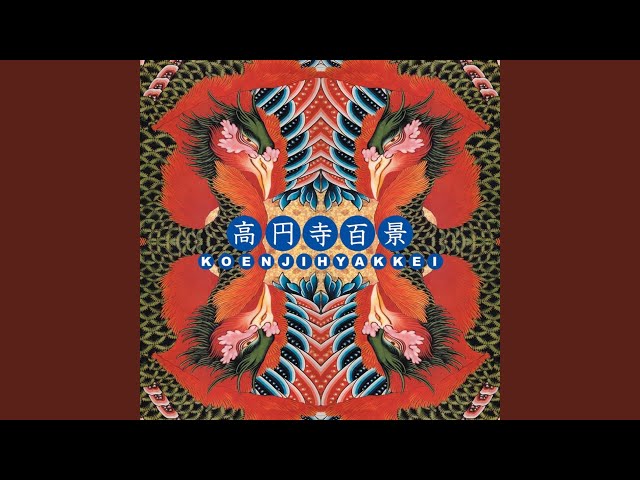
Koenjihyakkei, led by drummer and composer Tatsuya Yoshida.
The title track of their album Nivraym, released in Japan in 2001, would later earn high acclaim overseas as well.
Grounded in the French-derived musical aesthetic known as Zeuhl, their sound fuses jazz sophistication with hardcore urgency—truly overwhelming in the best sense.
The labyrinthine song structures, rife with irregular time signatures, and the majestic, operatic choral exchanges create a sensation of being drawn into another dimension.
Sung in a fictional language, the piece transcends literal meaning to evoke ancient rituals and grand narratives, stirring the listener’s imagination.
Put it on when you want to surrender yourself to a torrential flood of sound brimming with overwhelming detail.
To the west, to the eastMr.Children

This song features a beautiful acoustic guitar tone and powerful drum beats that leave a strong impression.
Showcasing Mr.Children’s experimental flair, it was released in February 1999 and reached No.
1 on the Oricon charts.
The lyrics convey a determination to follow one’s own path without being bound by society’s norms and values.
It might be a bit challenging to sing at karaoke, but the chorus lets you belt it out, making it perfect for relieving stress.
When you’re struggling in life or feel like you’re losing your way, why not pour your hidden feelings into the lyrics and sing your heart out?
20th Century RhapsodySeikima II

A song by Seikima-II, a metal band that captivates with a unique demon-themed worldview and a massive, weighty sound.
Set against the backdrop of social and cultural shifts in the 20th century, its lyrics strikingly satirize the problems and contradictions of modern society.
Released in October 1999, it was included on the album LIVING LEGEND.
While classified as heavy metal, it features Seikima-II’s signature dramatic, imposing sound.
The dark, critical perspective embedded in the lyrics invites deep reflection from listeners.
It’s a recommended track not only for metal fans but also for those interested in socially conscious lyrics.
The Little MermaidFujita Maiko

This is a famous song by Maiko Fujita that sings about the real pain of love, inspired by the motif of a sorrowful princess from a fairy tale.
Even though she fell in love first, her feelings never reach him, and she wishes for his happiness as her love dissolves like bubbles—such self-sacrificing affection tightens your chest, doesn’t it? With a passionate, Latin-influenced sound that sets it apart from conventional piano ballads, it feels as if it expresses the fierce emotions hidden within.
Included on the October 2021 album “Wasurerarenai Hito” (The One I Can’t Forget), this song will surely resonate deeply with anyone experiencing a devoted, heartrending love—wishing for the happiness of the one they love, even knowing it won’t be returned.
Rainbow-Colored WarSEKAI NO OWARI

In contrast to its pop, slightly fantastical sound, this song by SEKAI NO OWARI pierces with a biting message.
From the perspective of small creatures like flowers and insects, the work exposes the deceit behind the “peace” and “freedom” proclaimed by humans.
The theme of the “invisible war” we join without noticing—or pretend not to notice—is quintessentially SEKAI NO OWARI.
The track appears on EARTH, a landmark indie-era album released in April 2010.
It’s a song that makes you realize that our ordinary, everyday lives may be built upon someone else’s sacrifice.