

Collection of song titles that start with 'Ni'

How many songs can you think of with titles that start with “Ni”?
Since “ni” includes the big word “niji” (rainbow), there are lots of songs whose titles start with “ni” that use “niji” in the title.
In this article, we’ll introduce not only “Niji,” but a variety of songs whose titles start with “ni.”
We’ve picked out all kinds of tracks, from theme songs used in dramas and movies to hype tunes that make you want to sing along.
When you use “Niji” in a song-title shiritori game, don’t forget to say whose song it is!
- Compilation of Vocaloid songs starting with “Ni”
- Songs with titles starting with 'Nu' [Great for karaoke & word-chain games!]
- Songs with titles starting with “No” (Perfect for karaoke and shiritori!)
- A compilation of Vocaloid songs with titles that start with “I.”
- A compilation of Vocaloid songs with titles that start with “Na”
- Masterpieces with titles that start with 'A'
- A roundup of songs with titles that start with “N” [There are actually more than you’d expect!!]
- Songs with titles that start with “Na.” A hint for shiritori!
- Masterpieces That Sing of Rainbows: A Selection of Recommended Popular and Latest Songs
- Songs and famous songs with titles that start with “Ne”
- A compilation of Vocaloid songs with titles that start with “N”
- Songs with titles that start with a number. Useful for karaoke or playlist selection.
- A compilation of Vocaloid songs with titles starting with “No”
Collection of song titles that start with 'Ni' (21–30)
Congratulations on starting preschoolSakushi: Shinzawa Toshihiko / Sakkyoku: Hosoda Maiko

An entrance ceremony welcoming children dressed in their new uniforms.
This piece, which evokes the arrival of spring, instantly softens the tense atmosphere of the venue.
The congratulatory words and gentle melody build excitement for the kindergarten life that is about to begin.
Because it can be sung with handclaps and gestures, the children will naturally break into smiles.
Released in April 2019, it was created by the well-known children’s song composer Toshihiko Shinzawa and percussionist Maiko Hosoda.
It’s perfect not only as a performance by teachers, but also for current students to sing at a welcome party for their new friends.
When everyone joins their voices in celebration, anxious feelings will be swept away and a warm sense of unity will be born.
humanŌishi Masayoshi

For the TV anime Human-Hating Teacher of the Nonhuman Classroom, the opening theme’s lyrics, composition, and arrangement are all by Masayoshi Oishi.
A self-proclaimed lover of humanity, he says this is one of his favorite songs for how it captures the work’s worldview.
In the music video, he performs a dance in a school uniform, so learning the choreography and singing along is a lot of fun.
Oishi’s hallmarks are his clear, chest-voice delivery and high tones typical of anison singers.
NINGEN is quite fast-paced and keeps to high notes, so if you don’t sing crisply and confidently, you’ll fall behind the tempo or end up with a thin voice.
In particular, the last chorus modulates and raises the range.
Engage your core to keep your voice steady, and project firmly as if sending your voice far away!

New DayINI
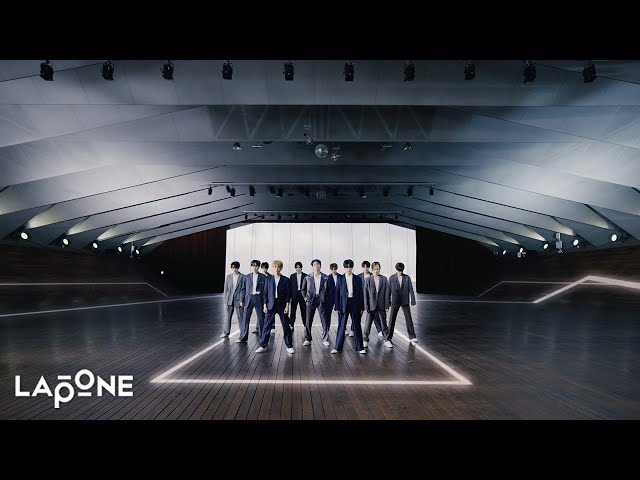
This work brims with positive energy, urging you to change your daily routine and move forward.
It’s INI’s digital single released in January 2023.
Many of you probably know it as the theme song for the “Aoyama Tailor Men’s Freshers” commercial! The sound blends a heavy bassline with bright brass tones for a wonderfully comfortable feel that naturally lifts your spirits just by listening.
Don’t miss the sharp dance performance—making clever use of jackets—choreographed by s**t kingz’s NOPPO.
Its powerful message about shedding the past and becoming a new you is sure to give anyone courage.
With a refreshing rush that blows away anxiety, it’s perfect for mornings when you’re starting a new chapter in life, or whenever you want to reset your mindset and take a first step forward.
nearly callLanPage

Why not immerse yourself in a dreamlike world where human and virtual voices intertwine? Nearly Call, produced by the creative unit LanPage, was released in February 2026 as a demo song for VOCALOID6’s “IA :[R].” The overlapping voices of somunia and IA evoke keywords like “transparency” and “light.” A meticulously crafted club sound by gaburyu and Yaca stages this bittersweet yet beautiful “intersection.” It’s electronic music that resonates with the heart!
Days and YouMrs. GREEN APPLE

It’s a hidden gem beloved by early fans.
It appeared in recordings and live performances around 2015, and it’s characterized by the vivid imagery woven by vocalist Motoki Omori and its delicate melody.
You can hear it in the recordings: compared with today’s confident, crisp Omori, his voice is a bit thinner and wavers slightly, giving a fresh, innocent feel.
The melody rises and falls a bit at the ends of phrases, so it might be hard to picture and sing, but since it doesn’t go into very high notes, it seems best to sing it gently overall.
Try being mindful of projection distance—keep the lower parts closer, and send the higher notes farther—when you sing.
NEW KAWAIIFRUITS ZIPPER

At the 2024 Japan Record Awards, FRUITS ZIPPER won an Excellence Award, bringing their charm into living rooms across the nation.
This song is striking for its lyrics that acknowledge both each other’s strengths and endearing clumsiness, along with a sound packed with an updated take on “kawaii.” It serves as the lead track of their self-titled first album, NEW KAWAII, which shares the group’s concept and was released in April 2024.
Their first performance on CDTV Live! Live! and a poster takeover in Harajuku also drew attention.
It’s perfect for times when you’ve lost confidence or need an energy boost, so if you want to cherish your true self, give it a listen.
rainbowFRUITS ZIPPER

First unveiled at the second-anniversary concert held at Nippon Budokan in May 2024, FRUITS ZIPPER moved the approximately 24,000 attendees who gathered there.
This track is included on the limited first edition of the single “NEW KAWAII / Fruits Basket,” released in September 2024.
The song overlays one’s past self with the present self, expressing a down-to-earth resolve to move forward into the future.
Its bright, hope-filled melody and the members’ straightforward vocals alone can put you in a positive mood.
This work is sure to resonate strongly with those chasing their dreams or those who want to believe in themselves and take a step forward.
When you need energy for tomorrow, be sure to give it a listen!